
Hear from Our Customers
You spend 90% of your time indoors. If something’s wrong with your air, you’re breathing it in all day, every day. The problem is, you can’t see mold spores or measure pollutant levels with your eyes.
That’s where a home air quality test comes in. We use calibrated equipment to measure what’s actually floating around your house. Mold spores, allergens, volatile organic compounds – the stuff that triggers asthma, causes headaches, or makes your kids’ allergies worse.
Indoor air quality in Pennsylvania homes is typically 2 to 5 times worse than outdoor air. Bucks County’s humid summers and older housing stock make it even worse. Our professional air quality testing service gives you real numbers, not guesses. You’ll know if there’s a problem, how bad it is, and where it’s coming from.
Once you have that information, you can actually fix it. No more wondering if that musty smell is serious or if your allergies are just seasonal.
Mack’s Mold Removal has been testing and improving indoor air quality for Bucks County homeowners for years. We’re not a national chain that parachutes in with a one-size-fits-all approach.
We know Almont homes. We know the basements that flood every spring, the older construction that traps moisture, and the HVAC systems that haven’t been updated since the ’90s. That local knowledge matters when you’re trying to figure out why your air quality is off.
Our technicians are trained in EPA-approved testing methods. We show up with the right equipment, take samples from the right places, and give you results you can actually use. If we find a problem, we’ll tell you what it is and what it takes to fix it. If your air is fine, we’ll tell you that too.

First, we walk through your home and talk about what you’re experiencing. Allergies getting worse? Musty odors? Respiratory issues that won’t quit? That conversation tells us where to focus.
Next, we collect air samples from multiple locations. We’re looking for mold spores, but we’re also checking for other airborne contaminants that affect indoor air quality. The equipment pulls air through a collection device that captures particles we can analyze.
We also take samples from outside as a baseline. That comparison matters because some mold spores are always present outdoors. What we’re looking for is elevated levels indoors – that’s the red flag.
The samples go to a certified lab for analysis. You get a detailed report that breaks down exactly what’s in your air, at what concentrations, and whether those levels are normal or concerning. We walk you through the results in plain language and recommend next steps if needed.
If we find mold or other issues, we can handle the remediation too. But the testing comes first because you can’t fix what you can’t measure.
Ready to get started?
A complete residential air quality testing service covers more than just mold. We’re checking for the full range of indoor pollutants that impact your health.
The mold air test is the main event for most Almont homeowners. We collect spore samples and identify the types of mold present. Some molds are relatively harmless. Others, like black mold, are serious health hazards. The lab analysis tells us which you’re dealing with.
We also look at your home’s moisture levels because that’s what allows mold to grow. High humidity, water intrusion, poor ventilation – these are the conditions that turn a small mold problem into a big one. In Bucks County, where basements leak and summer humidity hovers around 70%, moisture control is critical.
You’ll get a written report with lab results, photos, moisture readings, and our professional assessment. If remediation is needed, we’ll give you a clear estimate before any work starts. If your insurance covers mold testing or removal, we’ll work with them directly to simplify the claims process.
The whole point is to give you accurate information so you can make informed decisions about your home and your family’s health.
Professional air quality testing in Pennsylvania typically runs between $250 and $300, though the exact cost depends on the size of your home and how many samples we need to collect. Larger homes or properties with multiple problem areas will be on the higher end.
Here’s what affects the price: the number of air samples, whether we’re testing for mold only or a broader range of pollutants, and lab analysis fees. Most standard residential air quality tests for a single-family home in Almont fall right in that $250-$300 range.
We offer free inspections to assess your situation before testing. That way, you know what you’re looking at cost-wise before committing. If you’re buying or selling a home, some inspection companies bundle air quality testing with the home inspection, which can save money. If you’re dealing with a known mold problem or health symptoms, standalone testing gives you the most thorough analysis.
The actual testing appointment takes about an hour, depending on your home’s size. We’re collecting samples, checking moisture levels, and documenting conditions. That part happens the same day we visit.
Lab analysis takes 3 to 5 business days in most cases. The samples go to a certified laboratory where technicians identify and count mold spores or other contaminants. Rush processing is available if you’re in a time-sensitive situation, like a real estate transaction with a closing deadline.
Once we get the lab results, we’ll call you to go over the findings. You’ll receive a full written report with all the data, but we don’t just email it and disappear. We walk you through what the numbers mean, answer your questions, and recommend next steps if the results show elevated levels of mold or other pollutants.
Persistent health symptoms are the biggest red flag. If you or your family members have allergies, asthma, or respiratory issues that get worse at home and better when you leave, that’s your air telling you something’s wrong. Headaches, eye irritation, and fatigue that improve when you’re away from the house are also common indicators.
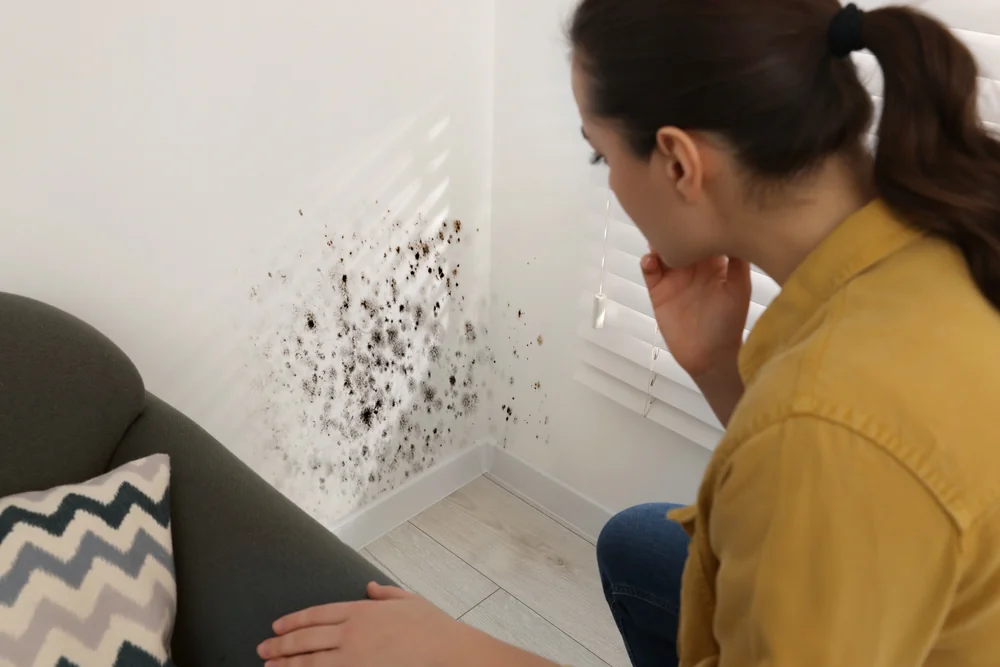
Visible mold or a musty smell are obvious signs, but you don’t always see or smell the problem. Mold can grow behind walls, under carpets, or in your HVAC system where you’d never notice it. A mold air test finds hidden growth by detecting elevated spore counts in your air.
Water damage is another trigger. If you’ve had a leak, flood, or persistent moisture problem, mold likely followed. Bucks County homes with basement water issues or roof leaks almost always develop mold within 24 to 48 hours. Even if you cleaned up the water, spores may still be present. Testing confirms whether remediation is needed.
DIY air quality test kits are available at hardware stores and online, usually for $10 to $50. They’re inexpensive and easy to use, but they’re not as accurate or comprehensive as professional testing. Most DIY kits only tell you if mold is present, not what type or how much – and that’s information you need to assess health risks.
Professional air quality testing uses calibrated equipment and certified lab analysis. We collect samples from multiple locations, compare indoor levels to outdoor baselines, and identify specific mold species. That level of detail matters because not all mold is equally dangerous. Black mold requires immediate remediation. Other types are less urgent.
If you’re just curious about your air quality and don’t have symptoms or visible mold, a DIY kit might be fine for peace of mind. But if you’re dealing with health issues, buying or selling a home, or need documentation for insurance, professional testing is worth the investment. The accuracy and detailed reporting make a real difference in how you respond to the problem.
First, don’t panic. Finding mold is common, especially in older Almont homes with basements or ventilation issues. The test results will tell us what type of mold is present and at what concentration. That determines how urgent the situation is and what kind of remediation is needed.
If it’s a minor issue – low spore counts of common molds – you might only need improved ventilation, a dehumidifier, or fixing a small leak. We’ll give you specific recommendations based on the findings. If it’s a more serious problem, like black mold or high spore counts throughout the house, professional remediation is necessary.
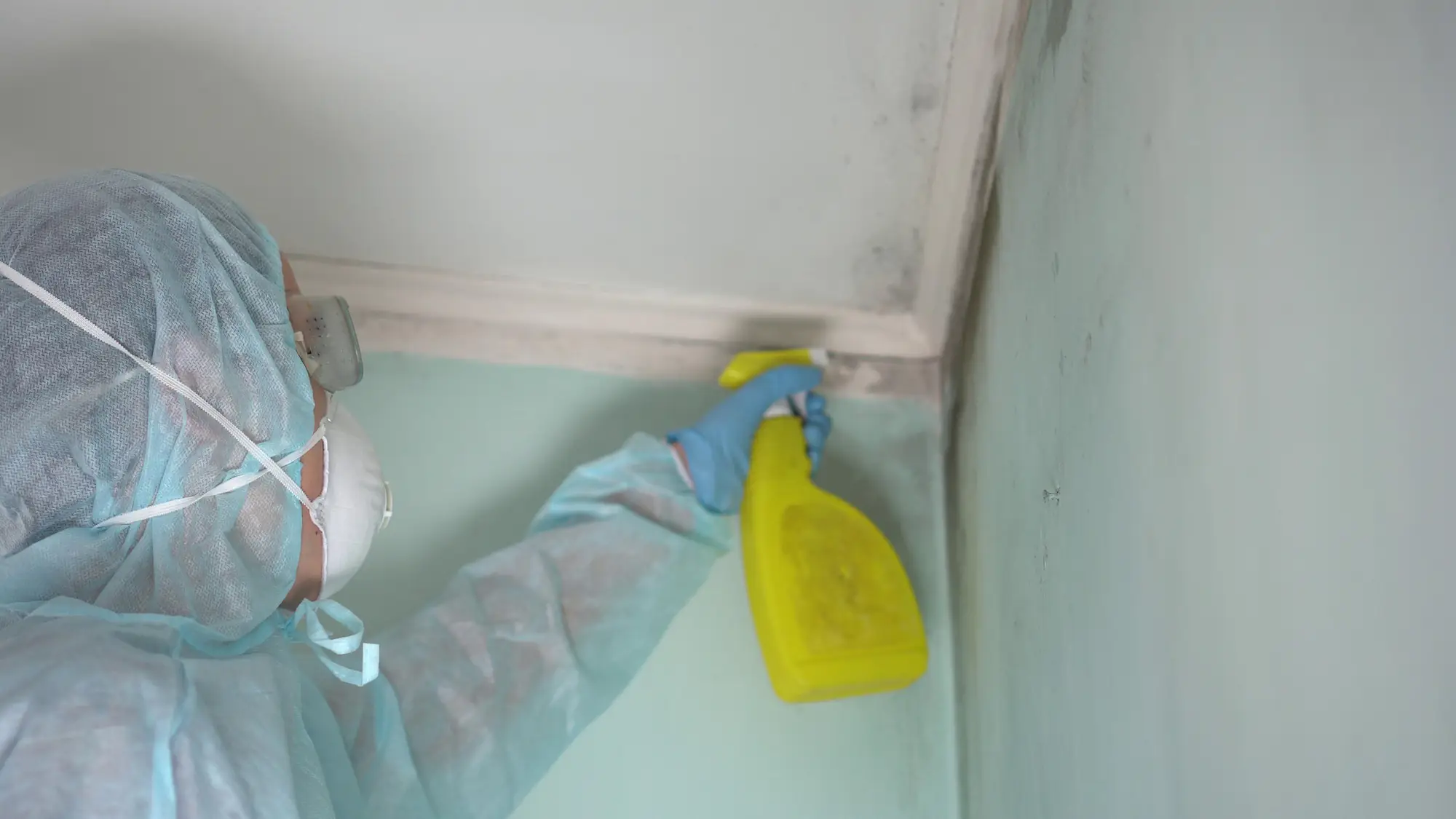
We handle mold removal using EPA-approved methods. That means containment to prevent spores from spreading, HEPA filtration, safe removal of contaminated materials, and treatment of affected areas. We also identify and fix the moisture source so mold doesn’t come back. Once remediation is complete, we can do post-testing to confirm your air quality is back to normal. You’ll have documentation showing the problem was properly addressed, which matters for your health and your home’s value.
It depends on what caused the mold. Most homeowners insurance policies in Pennsylvania cover mold remediation if it resulted from a covered peril – like a burst pipe, roof leak from storm damage, or appliance malfunction. If the mold developed because of long-term neglect, poor maintenance, or gradual water seepage, insurance typically won’t cover it.
The key is proving the mold came from a sudden, accidental event. That’s where documentation helps. If you had a plumbing emergency or storm damage and mold followed, keep records of the initial incident and any repairs. Air quality testing provides evidence of the mold problem and its severity, which supports your insurance claim.
We work with insurance companies regularly and can help with the claims process. We’ll provide detailed reports, photos, and estimates that meet insurance requirements. Some policies have specific limits on mold coverage – often $10,000 or less – so check your policy details. Even if insurance doesn’t cover everything, knowing what you’re dealing with through professional testing helps you budget for remediation and prevent the problem from getting worse and more expensive.
Other Services we provide in Almont