

Hear from Our Customers
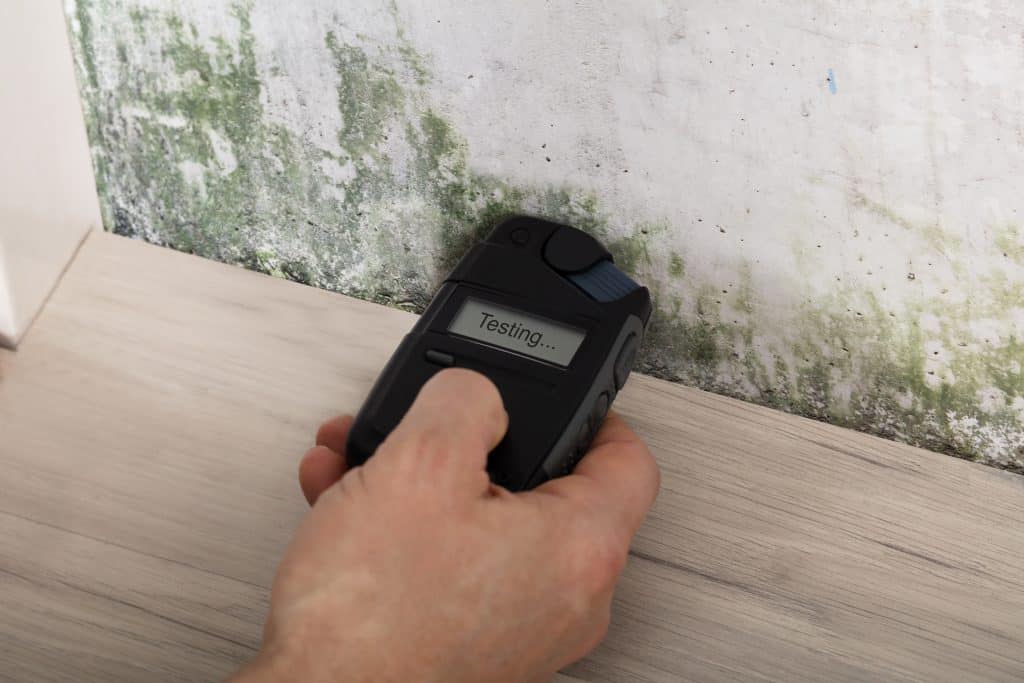
You’ve noticed the smell. Maybe you’ve seen dark spots spreading in the basement or along the bathroom ceiling. Or maybe someone in your house has been dealing with allergies that won’t quit, and you’re starting to wonder if something’s growing where you can’t see it.
Mold doesn’t just sit there. It spreads through walls, into HVAC systems, under flooring. It damages wood, drywall, insulation. And the longer it sits, the more expensive the fix becomes.
When you handle mold the right way, you’re not just cleaning up a mess. You’re improving the air your family breathes, protecting your home’s structure, and making sure the problem doesn’t show up again in six months. You’re also protecting your property value, especially if you’re planning to sell or refinance. Buyers and inspectors take mold seriously, and unresolved issues can kill deals fast.
We work with homeowners across Almont and Bucks County who are dealing with mold problems that need real solutions. We’re not a national franchise following a script. We’re local, and we understand how homes in this area are built, how the climate affects them, and where mold likes to hide.
Bucks County’s humid summers and damp winters create perfect conditions for mold growth, especially in older homes with basements that weren’t built with modern moisture barriers. We’ve seen it all: black mold under sinks, attic mold from roof leaks, crawl space issues that went unnoticed for years.
Our team uses EPA-approved methods and the right equipment to remove mold safely and completely. We’re available when you need us, including emergency situations, and we work directly with insurance companies to make the claims process less painful.

First, we come out and inspect your property. That means checking the obvious spots and the hidden ones: behind walls, in crawl spaces, inside HVAC systems. We’re looking for active growth and the moisture source feeding it. If you’re not sure whether you have mold or how bad it is, we can test it.
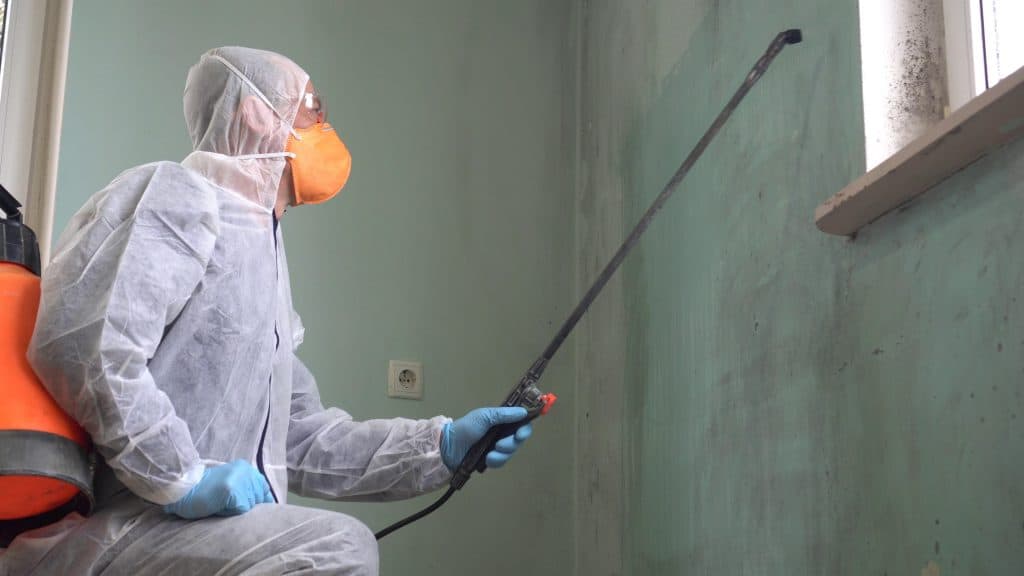
Once we know what we’re dealing with, we contain the area to prevent spores from spreading during removal. Then we remove the contaminated materials, treat affected surfaces, and clean the air using HEPA filtration. We don’t just scrub what you can see and call it done.
After the mold is gone, we address the source. That might mean fixing a leak, improving ventilation, or recommending dehumidification. If there’s structural damage or materials that need replacing, we handle that too. You’re not left with a half-finished job or a list of contractors to call. We make sure the space is clean, dry, and safe before we leave.
Ready to get started?
A real mold removal job covers more than just the visible growth. You get a full property inspection that identifies the type of mold, the extent of the problem, and the moisture source. We test when needed, especially if you’re dealing with black mold or if someone in the house is experiencing health symptoms.
The remediation itself involves containment, removal of affected materials, surface treatment, and air scrubbing with HEPA filters. We follow EPA guidelines and Pennsylvania regulations, which matters more than you might think. Pennsylvania doesn’t require mold contractors to be licensed, which means plenty of unqualified companies are operating in Bucks County. We’re certified mold specialists who know what we’re doing.
You also get help with the root cause. In Almont and the surrounding area, that’s usually moisture related: leaky basements, poor attic ventilation, condensation from temperature swings. Spring is especially rough here because dormant mold starts growing again as temperatures rise and rain increases humidity. We help you understand what caused the problem and what needs to happen to prevent it from coming back.
If you’re dealing with insurance, we’ll work with your adjuster and provide the documentation they need. And if repairs are required after remediation, we handle that too, so you’re not coordinating multiple contractors.
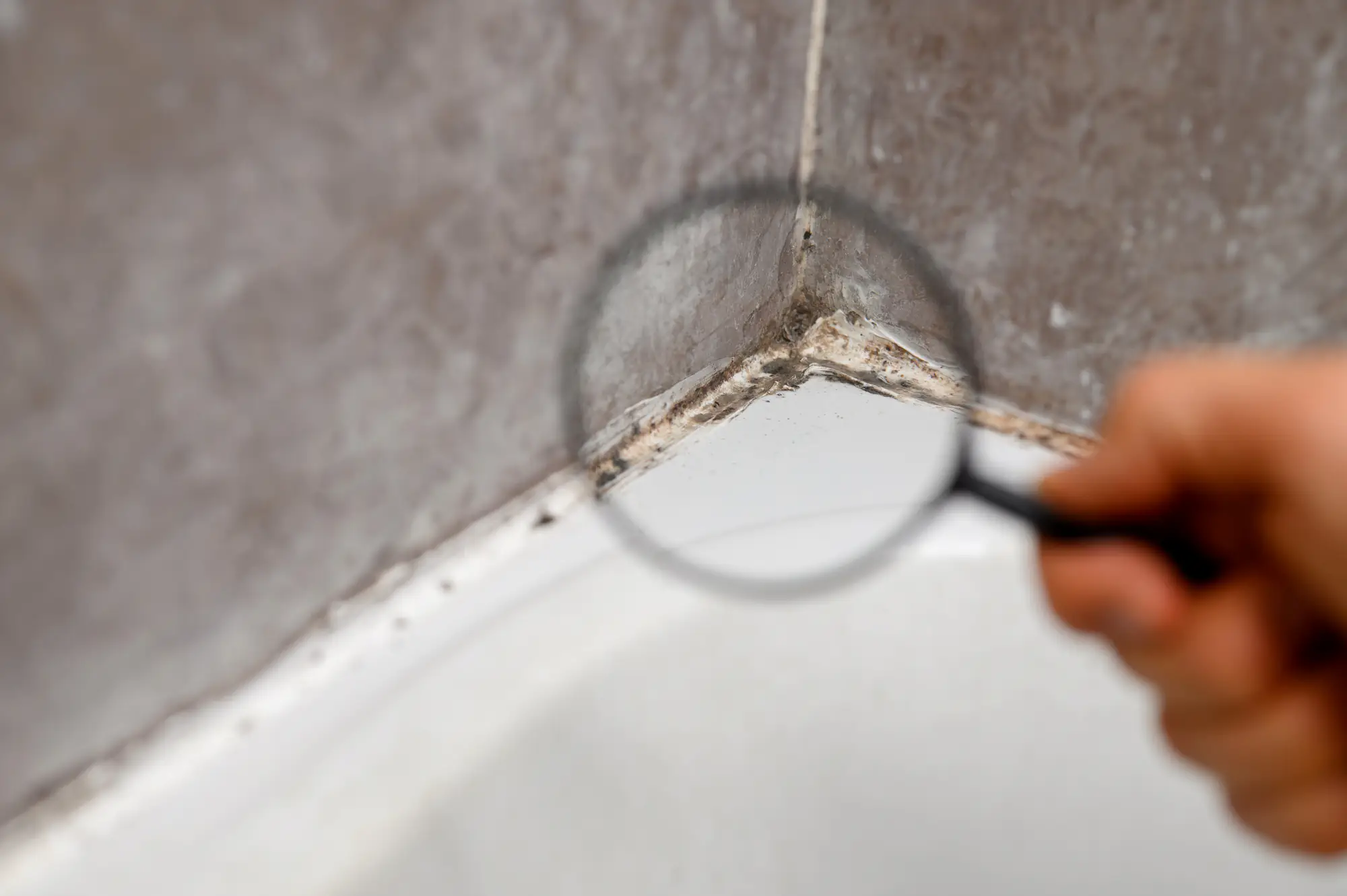
If you’re seeing visible growth, smelling a musty odor that won’t go away, or noticing water stains and discoloration on walls or ceilings, you likely have mold. Condensation on windows or pipes is a warning sign, especially in basements and attics.
Normal moisture becomes a mold problem when humidity stays above 60 percent for extended periods. In Bucks County, that happens easily during summer and after spring rains. If anyone in your house is experiencing unexplained respiratory issues, worsening allergies, or sinus problems that improve when they leave the house, that’s another red flag.
You don’t have to guess. We offer free inspections that assess your property and identify whether you’re dealing with mold, how extensive it is, and what’s causing it. Testing can confirm the type of mold if that’s a concern, especially with black mold, which requires careful handling.
Small surface mold on non-porous materials like tile can sometimes be cleaned with the right products. But if the mold covers more than a few square feet, if it’s on porous materials like drywall or wood, or if it’s inside walls or HVAC systems, DIY cleaning won’t cut it.
Mold spreads through microscopic spores. Scrubbing visible growth without proper containment just sends those spores into the air, where they settle and grow elsewhere. Professional mold removal involves containment, HEPA filtration, safe removal of contaminated materials, and treatment of affected areas. We also identify and fix the moisture source, which is the only way to prevent recurrence.
There’s also a health risk. Disturbing mold releases spores and mycotoxins into the air. If you’re dealing with black mold or large infestations, exposure during improper cleanup can cause serious respiratory problems. Certified mold specialists have the training, equipment, and safety protocols to handle removal without putting your family at risk.
Most residential mold removal jobs take between one and five days, depending on the size of the affected area and the extent of the damage. A small bathroom or closet might be done in a day. A full basement or multiple rooms with structural damage takes longer.
Whether you need to leave depends on the location and severity. If we’re working in a contained area like a basement or single room, and you don’t have health sensitivities, you can usually stay in the house. We seal off the work area to prevent spore spread. If the mold is extensive, involves your HVAC system, or if someone in the house has respiratory issues or a compromised immune system, we’ll recommend staying elsewhere during active remediation.
We’ll give you a clear timeline before we start so you can plan accordingly. We also work efficiently because we know you want your home back to normal as quickly as possible. Emergency situations get priority scheduling, and we’re available 24/7 when needed.
Mold comes back when the moisture source isn’t fixed. If you have a basement that floods every spring, a roof leak that’s still dripping, or an attic with poor ventilation, mold will return no matter how thoroughly it’s removed.
That’s why we don’t just clean up the growth. We identify what’s feeding it and address that problem. Sometimes it’s a plumbing leak or foundation crack. Sometimes it’s condensation from temperature fluctuations or humidity that’s too high. In Bucks County, basements and crawl spaces are common trouble spots because of how homes were built and how the water table behaves.
After remediation, we’ll recommend steps to keep mold from returning: dehumidifiers, better ventilation, waterproofing, gutter maintenance. We can handle those fixes ourselves or point you in the right direction. The goal is to solve the problem once, not have you calling us back in six months because it’s growing again.
Cost depends on the size of the affected area, the type of mold, and how much damage has occurred. A small, contained area might run a few hundred dollars. Extensive growth that requires removing drywall, treating structural elements, and replacing materials costs more, sometimes several thousand dollars.
We provide clear upfront pricing after the inspection so you know what you’re paying before work starts. No surprises, no hidden fees. If you’re filing an insurance claim, we work directly with your insurance company and provide all necessary documentation. Many homeowners policies cover mold remediation if it’s caused by a covered event like a burst pipe or storm damage.
We also offer financing options if you need them. Mold isn’t something you want to put off because it’s expensive. The longer you wait, the more damage it causes and the higher the cost becomes. Catching it early and handling it right saves money in the long run, and it protects your family’s health and your home’s value.
If you can see mold, you don’t always need testing to move forward with removal. Visible growth needs to come out regardless of the type. Testing makes sense in a few situations: when someone’s experiencing health symptoms but you can’t find the source, when you want to confirm the presence of black mold, or when you’re buying or selling a home and need documentation.
Testing identifies the specific mold species and measures spore concentration in the air. That information helps us determine the right remediation approach and gives you a baseline to confirm the air is clean after we’re done. Some insurance companies also require testing before they’ll approve a claim.
We offer testing as part of our inspection process, and we’ll recommend it when it’s actually useful. We’re not going to sell you a test you don’t need. If visible mold is present and the source is obvious, we can move straight to remediation and get the problem handled faster. If there’s any uncertainty about the extent of the problem or the type of mold, testing gives you the information you need to make the right call.
Other Services we provide in Almont