
Hear from Our Customers

You notice the symptoms but can’t pinpoint the cause. Headaches that won’t quit. Allergies that seem worse indoors than out. Kids who can’t shake respiratory issues no matter what you try.
A home air quality test gives you actual data instead of guesswork. We test for mold spores, dust mites, pet dander, and other airborne contaminants that standard home inspections miss entirely.
The air inside your Dunlap home can be two to five times more polluted than outdoor air, according to EPA findings. Bucks County’s humid climate makes this worse, creating perfect conditions for mold growth and allergen buildup. You deserve to know exactly what’s circulating through your HVAC system and into your lungs.
After testing, you’ll receive a detailed report explaining what we found, where the problems are concentrated, and what steps will actually fix them. No vague recommendations or upselling services you don’t need.
We focus exclusively on indoor air quality and mold issues in Bucks County. We’re not general contractors trying to do everything. We’re specialists who understand Pennsylvania’s climate challenges and how they affect the air inside your home.
We’ve been helping Dunlap families identify and solve air quality problems for years. We know the seasonal patterns here, the humidity issues that come with living in this region, and the specific contaminants that show up in residential air quality testing.
When you call us, you’re talking to someone who’s seen hundreds of homes with the exact same symptoms you’re dealing with. We explain everything in plain language, show you the data, and give you options that fit your budget.
We start with a visual inspection of your home, looking for obvious moisture issues, ventilation problems, or visible mold growth. This gives us context before we start testing.
Next comes air sampling using professional-grade equipment. We collect samples from multiple rooms to identify mold spores, allergens, and other airborne contaminants. We also use moisture meters and infrared cameras to detect hidden water issues that could be feeding mold growth behind walls or under floors.
Surface testing comes next if we spot potential problem areas. We take samples from suspicious spots to determine exactly what’s growing and how serious the contamination is.
The entire process typically takes a few hours depending on your home’s size. We’re thorough but efficient. Within days, you’ll receive a detailed report breaking down what we found, what it means for your health, and what remediation steps we recommend. If mold air test results show elevated spore counts, we’ll explain exactly what needs to happen next and provide documentation for insurance if needed.
Ready to get started?
You get a complete assessment of your indoor air quality, not just a quick visual check. We test for mold spores, common allergens, dust mites, pet dander, and other contaminants that affect respiratory health.
Our residential air quality testing includes moisture mapping throughout your home. Pennsylvania’s humidity creates constant challenges for homeowners in Dunlap, and moisture is the root cause of most air quality problems. We identify where moisture is accumulating and why.
We also evaluate your ventilation system. Poor airflow traps contaminants indoors and prevents fresh air from circulating. We’ll tell you if your HVAC system is part of the problem or if simple ventilation improvements could make a significant difference.
After remediation work is completed, we conduct clearance testing to verify the air quality has returned to safe levels. This typically happens 24-48 hours after remediation and provides documentation that the job was done right. You’re not guessing whether the problem is solved—you have lab results proving it.
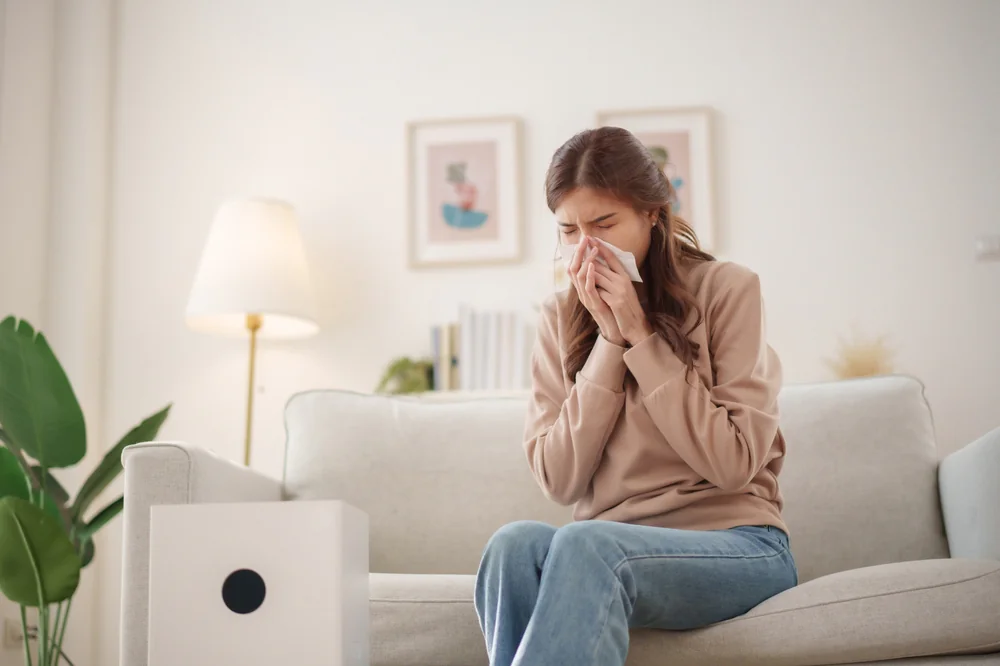
If anyone in your home is experiencing unexplained respiratory symptoms, worsening allergies, frequent headaches, or sleep problems, testing makes sense. These are the most common signs that something in your indoor air is affecting your health.
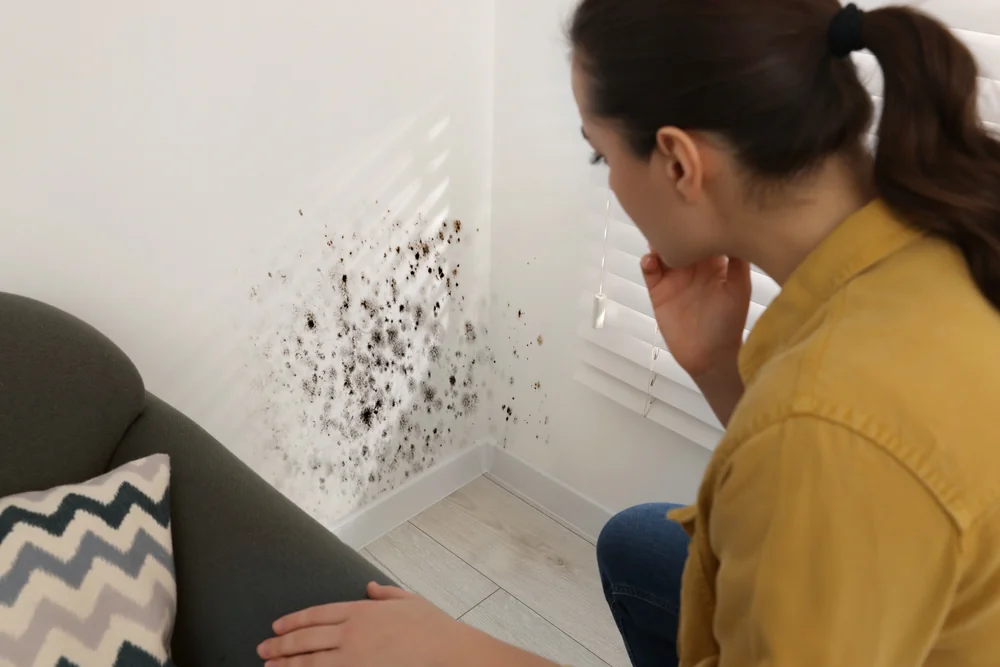
Visible mold growth anywhere in your home is another clear indicator. Even if you can only see a small patch, there’s often more hiding behind walls or under flooring. A mold air test tells you how widespread the problem actually is.
You should also consider testing if you’ve had any water damage, roof leaks, or flooding—even if it happened months ago. Water issues create conditions for mold growth that can persist long after the visible water is gone. Homes in Dunlap face particular risk due to our humid climate, which means moisture problems develop faster and linger longer than in drier regions.
A standard home inspection looks at structural issues, electrical systems, plumbing, and visible problems. Inspectors aren’t testing your air or looking for microscopic contaminants.
Indoor air quality testing specifically analyzes what’s floating around in your air. We’re collecting samples and sending them to labs that identify mold spores, allergen levels, and other airborne particles. We’re also using specialized equipment like infrared cameras and moisture meters that typical home inspectors don’t carry.
The focus is completely different. Home inspectors are generalists checking everything at a surface level. We’re specialists going deep on air quality and mold issues. If you’re buying a home and concerned about air quality, you need both—a general inspection for overall condition and professional air quality testing to know what you’re breathing. Many real estate transactions in Bucks County now include air quality testing as a contingency, especially for older homes or properties with known moisture issues.
The on-site testing typically takes two to four hours depending on your home’s size and the number of areas we’re sampling. We’re not rushing through it. We’re being thorough.
Air samples go to an accredited lab for analysis. You’ll receive detailed results within three to five business days in most cases. The report breaks down exactly what we found, the concentration levels of any contaminants, and how those levels compare to safe standards.
We don’t just email you a report and disappear. We schedule a follow-up call to walk through the findings, answer your questions, and explain what remediation steps make sense for your situation. If the results show elevated mold spore counts or other concerning contaminants, we’ll provide a clear action plan with realistic timelines and cost estimates. You’ll know exactly what needs to happen and why, without any pressure or confusion about next steps.
It depends on what caused the air quality problem. If you’re testing because of a covered event like a burst pipe, roof leak, or storm damage, many policies will cover testing and remediation. If you’re testing due to long-term humidity or maintenance issues, coverage is less likely.
The best approach is to call your insurance company before scheduling testing. Explain the situation and ask specifically whether testing and potential remediation would be covered under your policy. Get the answer in writing if possible.
We work directly with insurance companies regularly and can provide all the documentation they require. That includes detailed reports, photos, moisture readings, and lab results. We know what adjusters need to see and how to present findings in a way that supports your claim. Even if insurance doesn’t cover the testing itself, having professional documentation often makes the difference in getting remediation costs approved. Many Dunlap homeowners have found that spending a few hundred dollars on testing led to insurance coverage for thousands in remediation work.
Consumer-grade test kits can give you a general idea that something might be wrong, but they’re not reliable for making decisions about remediation. The sampling methods are often flawed, the lab analysis is basic, and the results lack the detail you need to actually solve the problem.
Professional air quality testing uses calibrated equipment, proper sampling techniques, and accredited laboratories. We’re collecting samples from multiple locations at specific heights and durations to get accurate readings. We’re also correlating air test results with moisture readings, visual inspection findings, and surface samples to build a complete picture.
If you use a home test kit and it shows elevated mold levels, you’ll still need professional testing before starting remediation. Insurance companies and remediation contractors won’t accept consumer test results. You’ll end up paying for professional testing anyway, so you’re better off starting with accurate data. The cost difference isn’t significant, but the quality difference is substantial. You’re making decisions about your family’s health and potentially spending thousands on remediation—those decisions should be based on reliable data, not a $30 kit from the hardware store.
First, don’t panic. High mold spore counts are fixable, and we handle these situations constantly. The test results will show you exactly what type of mold is present and at what concentration levels, which determines the remediation approach.
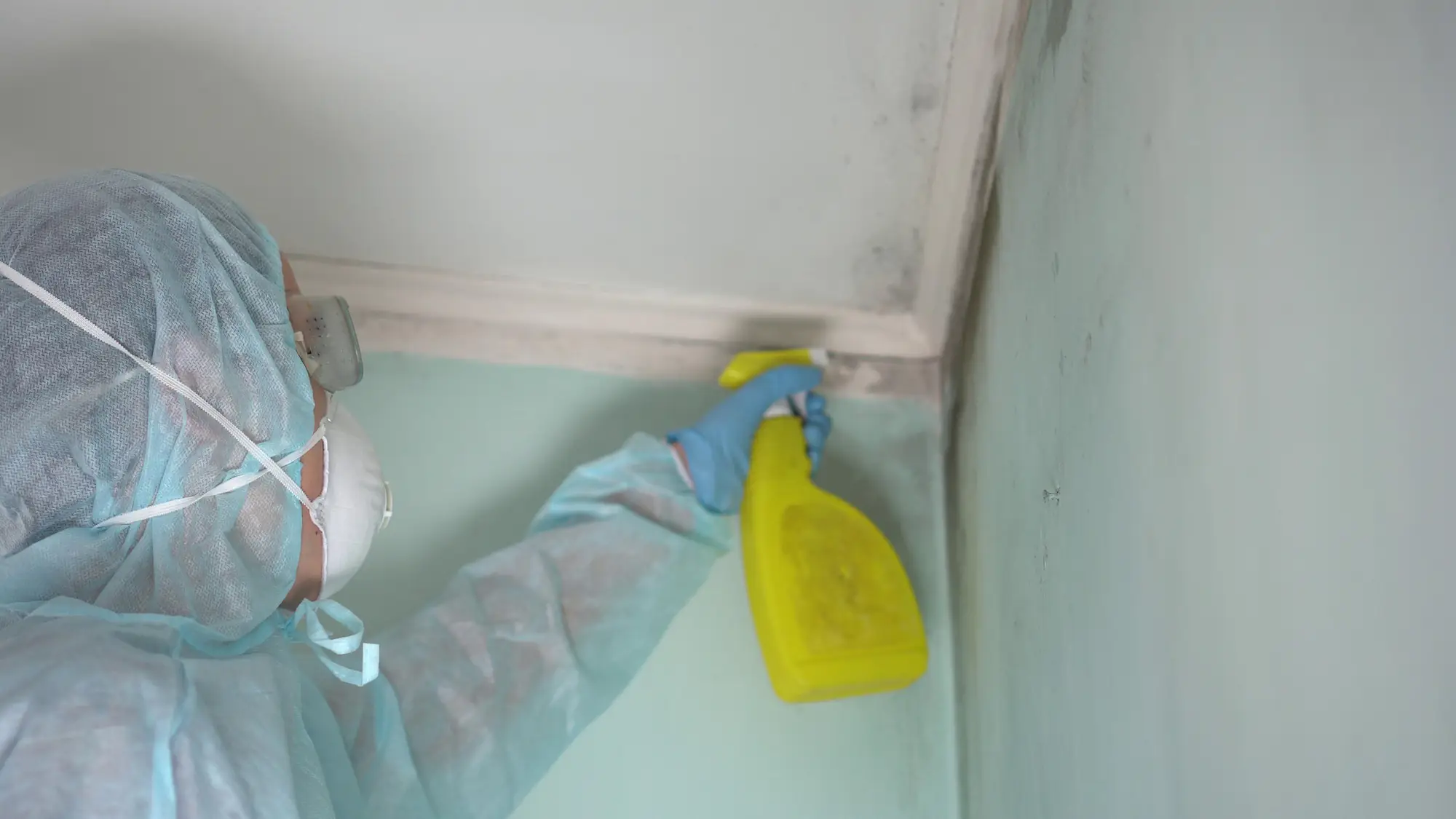
We’ll walk you through a remediation plan that addresses the source of moisture feeding the mold growth, removes contaminated materials, and treats affected areas. Depending on the severity, this might involve anything from localized cleaning to more extensive removal of drywall, insulation, or other materials.
After remediation is complete, we conduct clearance testing to verify that spore counts have returned to normal levels. This typically happens 24 to 48 hours after work is finished. You’ll have documentation proving your home’s air quality is safe again, which is important for your peace of mind, for insurance purposes, and if you’re selling the property. Pennsylvania doesn’t regulate indoor mold at the state level, which means homeowners need to be proactive about testing and remediation. Professional documentation protects you and provides proof that issues were properly addressed.
Other Services we provide in Dunlap