
Hear from Our Customers
You can’t see mold spores. You can’t measure VOC levels with your eyes. And you definitely can’t tell if your indoor air has two to five times more pollutants than the air outside—which it often does.
That’s where professional air quality testing comes in. We collect samples from your home, send them to a certified lab, and give you a detailed report that tells you exactly what’s present and at what levels. No guessing. No assumptions.
If the test shows elevated mold counts, high particulate levels, or other contaminants, you’ll know what you’re dealing with and what needs to happen next. If it comes back clean, you get real peace of mind—not just a hunch. Either way, you’re making decisions based on data, not worry.
This isn’t about scaring anyone. It’s about giving Appletree Hill homeowners the information they need to protect their families and their property without wasting time or money on the wrong solution.
We’ve been serving Bucks County homeowners for years, and we’ve seen what happens when air quality problems go unnoticed. Respiratory issues that won’t quit. Allergy symptoms that don’t match the season. Musty smells no one can track down.
We’re not a national franchise reading from a script. We know the homes in Appletree Hill—the older builds with basement moisture issues, the newer developments with HVAC systems that recirculate stale air. We test homes here because we live and work here too.
Every sample we collect gets analyzed by a certified lab. Every report comes with an explanation you can understand. And if remediation is needed, we’ll walk you through what that looks like—no pressure, no upselling.
First, we schedule a time that works for you. When we arrive, we do a visual inspection of your home to identify any obvious problem areas—water stains, condensation, visible mold growth, poor ventilation.
Then we collect air samples using calibrated equipment. We also take surface samples if needed, especially in areas where you’ve noticed discoloration or smell something off. The whole process typically takes about an hour, depending on the size of your home and how many rooms we’re testing.
Those samples go straight to a certified lab for analysis. Within a few days, you’ll get a detailed report showing what was found, at what concentration, and whether those levels are considered safe or concerning. We’ll walk you through the results in plain language—no jargon, no runaround.
If the report shows a problem, we’ll explain what remediation looks like, what it costs, and how long it takes. If everything comes back clean, you’ll have documentation proving your air quality is safe. Either way, you’re not left wondering.
Ready to get started?
Our home air quality test covers the contaminants that actually affect your health and your home. That includes mold spores—the invisible kind that trigger asthma, allergies, and respiratory infections. It also includes particulate matter, VOCs (volatile organic compounds), and allergens that build up in homes with poor ventilation.
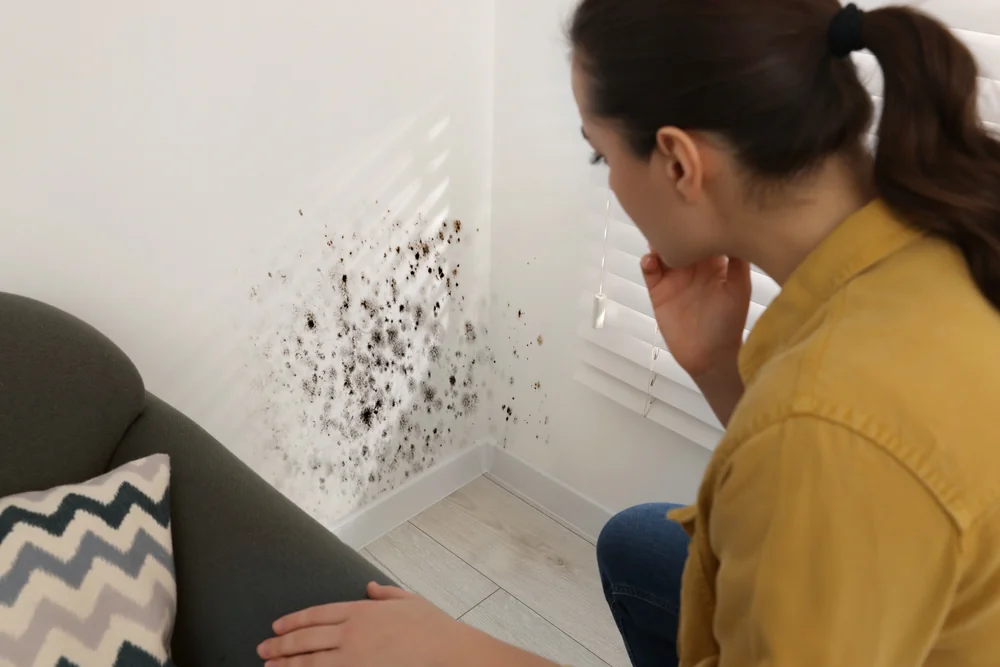
In Bucks County, mold is especially common in basements, crawl spaces, and bathrooms where moisture levels stay high. Pennsylvania doesn’t regulate indoor mold, which means it’s on you to test and address it before it becomes a bigger problem. And according to state health data, over 14% of Pennsylvanians live in areas with unhealthy air pollution levels—so indoor air quality isn’t just a mold issue.
A mold air test is one of the most requested services we offer, and for good reason. High mold spore counts can make you feel like you’re constantly fighting a cold or dealing with allergies that won’t go away. Kids and elderly family members are especially vulnerable. Testing gives you a baseline so you know if remediation is necessary or if your symptoms are coming from something else entirely.
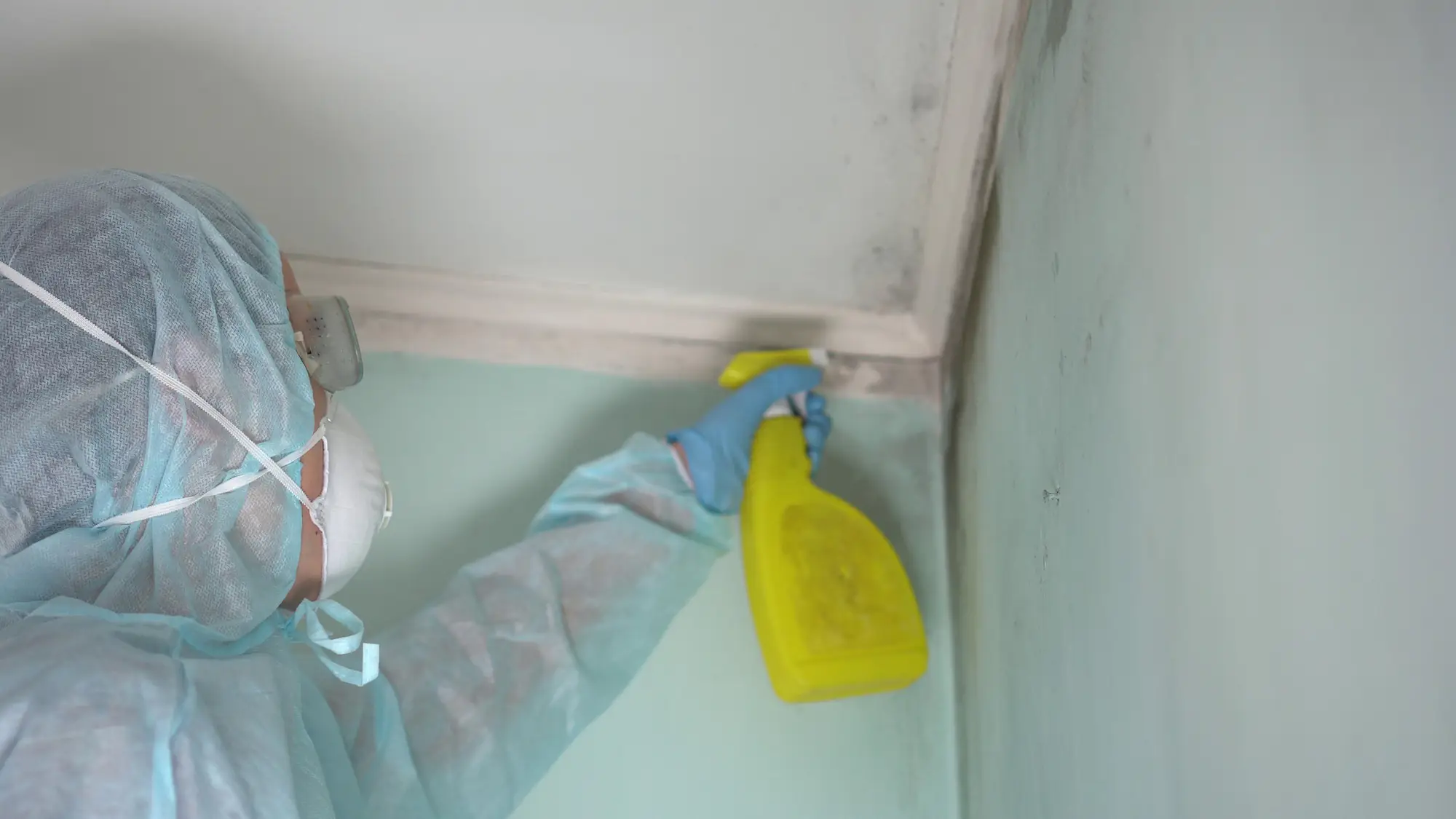
Most homeowners in Appletree Hill and Bucks County pay between $300 and $600 for a standard indoor air quality test. That typically includes air sampling from multiple rooms, lab analysis, and a written report with findings and recommendations.
If you need more comprehensive testing—like VOC screening, allergen panels, or surface sampling in addition to air samples—the cost can go higher, sometimes reaching $1,000 to $1,500 depending on the scope. But for most homes dealing with suspected mold or general air quality concerns, a basic test gives you the information you need without overcomplicating it.
We provide a clear quote before we start so there’s no confusion about what you’re paying for. And if remediation is needed after the test, we’ll give you a separate estimate for that work—it’s not bundled or hidden in the testing fee.
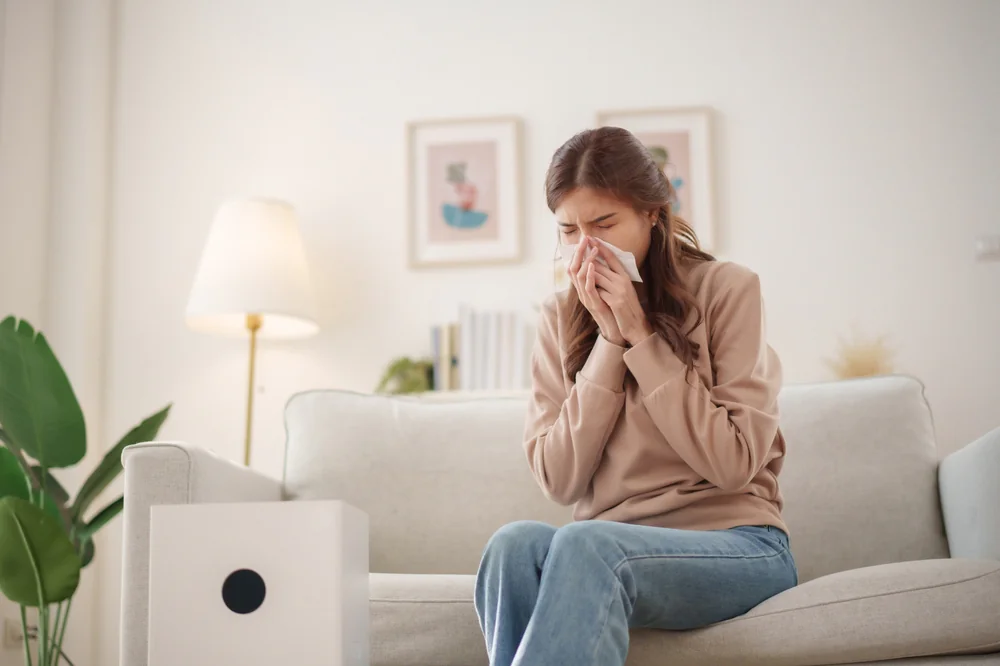
If anyone in your home is dealing with unexplained respiratory issues—coughing, wheezing, shortness of breath—that get better when they leave the house, that’s a red flag. Same goes for allergy symptoms that don’t match the season or don’t respond to medication.
Musty smells are another big one, especially in basements, bathrooms, or areas with poor airflow. Even if you don’t see visible mold, that smell usually means spores are present and spreading. Water damage, leaks, or high humidity levels also increase the likelihood that mold or other contaminants are affecting your air.
You might also want testing if you’re buying or selling a home in Appletree Hill. Air quality issues can tank a sale or lead to costly surprises after closing. Testing before listing or before finalizing a purchase protects your investment and gives you leverage to address problems early.
Once we collect samples from your home, the lab typically takes three to five business days to complete the analysis. You’ll receive a written report that breaks down what was found, the concentration levels, and whether those levels are within safe ranges or require action.
We don’t just email you a report and disappear. We’ll schedule a follow-up call or meeting to walk you through the findings and answer any questions. If remediation is recommended, we’ll explain what that process looks like, how long it takes, and what it costs—so you can make an informed decision without feeling rushed or pressured.
If you’re in a time crunch—say, you’re closing on a home or dealing with a health emergency—let us know upfront. In some cases, labs can expedite results for an additional fee, though that’s not always necessary for most residential situations.
You can buy DIY air quality test kits online or at hardware stores, and some of them are decent for getting a general sense of what’s in your air. But they’re not as accurate or comprehensive as professional testing, and they don’t come with expert interpretation of the results.
A professional air quality test uses calibrated equipment and certified lab analysis. We know where to sample, how to avoid contamination, and how to read results in context—not just whether mold is present, but whether the levels are actually dangerous or just background noise. That matters when you’re deciding whether to spend money on remediation.
DIY kits also don’t account for hidden problem areas. We do a visual inspection before sampling, which means we’re checking behind appliances, inside HVAC systems, and in crawl spaces where homeowners don’t usually look. If you’re serious about understanding your indoor air quality—not just checking a box—professional testing is worth the investment.
If the lab results show elevated mold spore counts or other contaminants, we’ll explain what that means for your health and your home. Not all mold findings require full remediation—it depends on the type of mold, the concentration, and where it’s located.
We’ll give you a clear recommendation based on the data. If remediation is necessary, we’ll walk you through the process: containment, removal, cleaning, and prevention. We’ll also identify the source—whether it’s a leak, condensation, poor ventilation, or something else—so the problem doesn’t come back after we leave.
You’ll get a written estimate before any work starts. No surprises, no pressure. And if the issue is something you can address on your own—like improving ventilation or fixing a minor leak—we’ll tell you that too. The goal is to solve the problem, not sell you services you don’t need.
Standard air quality testing focuses on mold spores, allergens, particulates, and VOCs. Radon and carbon monoxide require separate testing because they need different equipment and protocols.
If you’re concerned about radon—which is common in Pennsylvania basements—we can arrange radon testing as an add-on service or refer you to a certified radon specialist. Radon is a serious health risk and the leading cause of lung cancer among non-smokers, so it’s worth testing for if your home has a basement or crawl space.
Carbon monoxide is typically detected with dedicated CO detectors, which you should already have installed near bedrooms and fuel-burning appliances. If you’re experiencing symptoms like headaches, dizziness, or nausea and suspect CO exposure, call 911 immediately—that’s a life-threatening emergency, not something you wait to test for.
Other Services we provide in Appletree Hill