
Hear from Our Customers

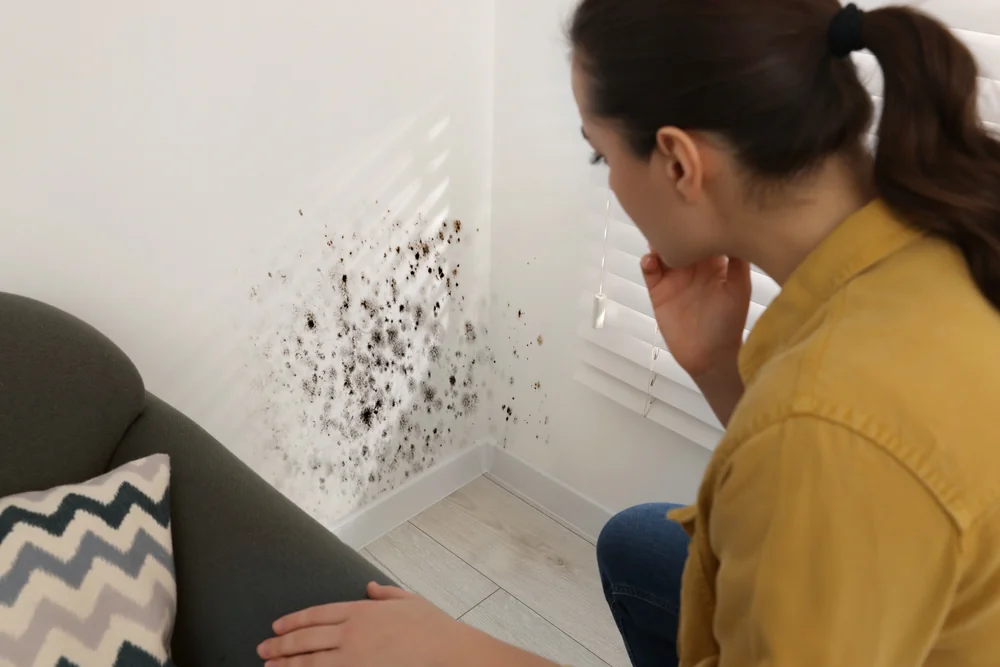
You spend most of your time indoors. If something’s off with your air—musty smells, unexplained allergies, constant stuffiness—you need to know what’s causing it and how bad it really is.
A home air quality test gives you that clarity. We’re not guessing based on what we see on the surface. We’re measuring mold spore counts, identifying specific species, checking for allergens like dust mites and pet dander, and comparing your indoor levels to what’s normal outside.
That means you get actual data. Not a hunch. Not a visual inspection that misses what’s behind the walls. You’ll know if there’s a problem, where it’s coming from, and what needs to happen next. No more wondering if that cough is seasonal or if your basement is making your kids sick.
Mack’s Mold Removal has been helping homeowners in Emilie and throughout Bucks County understand what’s happening with their indoor air. We know the local climate—humid summers, damp springs, older homes with basement moisture issues, newer builds with ventilation problems.
We use thermal imaging to find hidden moisture. We use calibrated air sampling equipment that meets EPA standards. Our samples go to certified labs that specialize in mold analysis, and we explain the results in plain terms.
You’re not getting a salesperson who wants to scare you into a big remediation job. You’re getting honest testing and straightforward answers about what the data actually means for your home.

We start with a walkthrough of your home. You tell us what you’ve noticed—smells, symptoms, visible issues—and we look for signs of moisture intrusion, ventilation problems, or hidden mold growth.
Then we take air samples from multiple areas using calibrated equipment. We’re collecting airborne particles to measure mold spore concentrations and identify specific species. We also take outdoor samples for comparison, because some mold is always present outside. What matters is whether your indoor levels are elevated.
If we find visible moisture or suspect hidden mold, we use thermal imaging and moisture meters to pinpoint problem areas behind walls, under floors, or in ceilings. These tools detect temperature differences and moisture levels that indicate where mold is likely growing out of sight.
Your samples go to an accredited lab for analysis. Results typically come back in three to five business days. We walk you through the findings—what species were detected, what the concentration levels mean, and whether remediation is needed. If action is required, we explain what that looks like and what it’ll cost.

Ready to get started?
You get a comprehensive indoor air quality test that covers more than just mold. We’re checking for mold spores, allergens, dust mites, pet dander, and other airborne contaminants that affect how your home feels and how your family breathes.
In Emilie and Bucks County, we see recurring issues tied to Pennsylvania’s climate. Basements stay damp. Crawl spaces trap moisture. Older homes lack proper ventilation. Even newer construction can have problems if builders didn’t account for humidity control. These conditions create perfect environments for mold growth and poor indoor air quality.
Our testing process accounts for local factors. We know which mold species are common here and which ones signal a serious problem. We know how Bucks County’s outdoor air quality—which has struggled with high ozone days and particle pollution—affects your indoor environment. And we know how to document findings in a way that satisfies insurance companies if you need to file a claim.
You’ll receive a detailed report that breaks down what we found, what it means for your health and property, and what steps you should take. If remediation is necessary, we can handle that too. If your air quality is fine, we’ll tell you that and save you the expense.
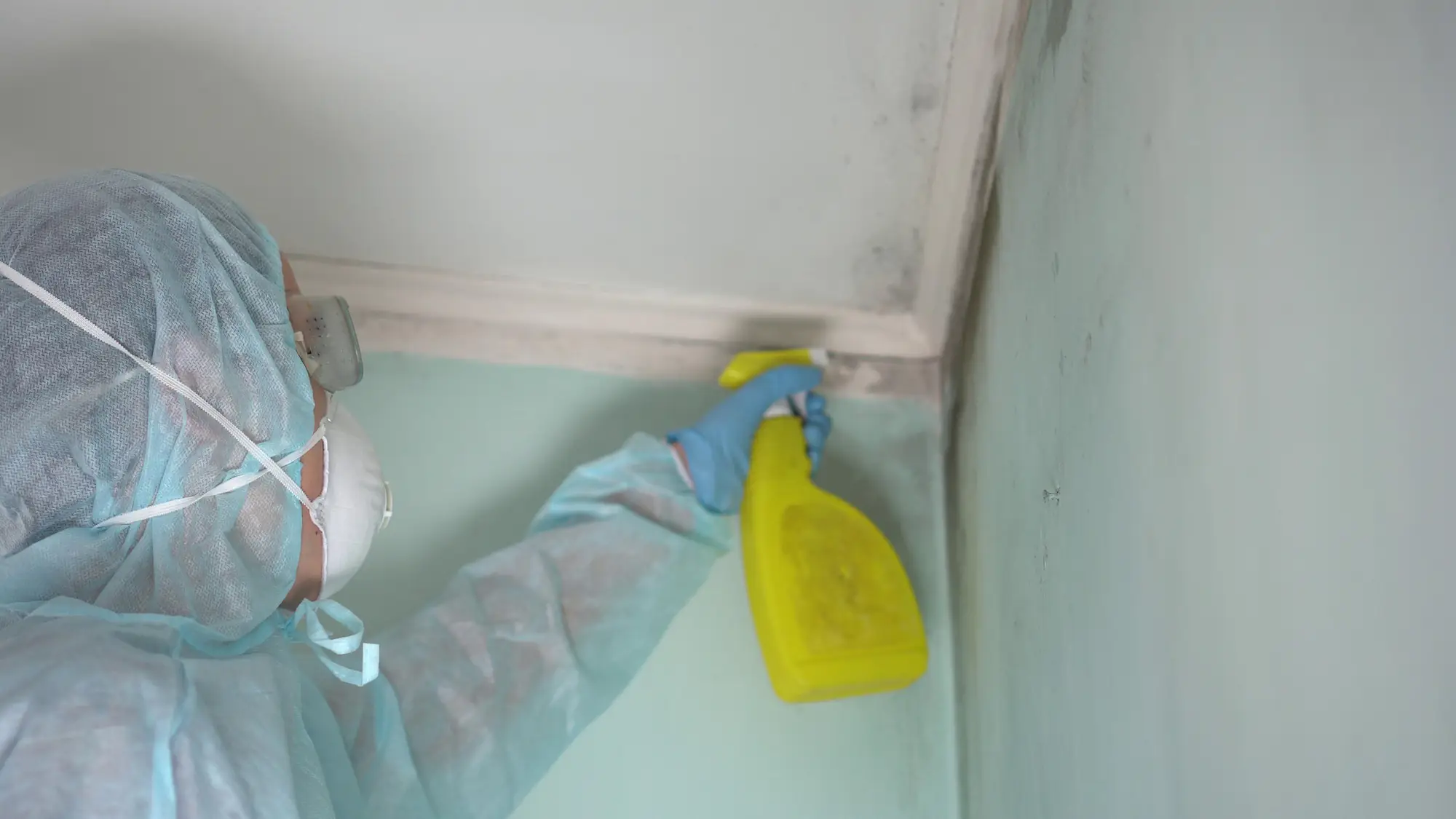
DIY kits can tell you if mold is present, but they can’t tell you how much, what species, or whether the levels are actually a problem. Most home test kits use settle plates that collect whatever lands on them over 24 to 48 hours. That method misses airborne spores and can’t measure concentration levels.
Professional air quality testing uses calibrated air pumps that pull a specific volume of air through a collection device. That gives us an accurate count of spores per cubic meter, which we compare to outdoor levels and established guidelines. We also send samples to accredited labs that identify specific mold species—some are harmless, others are toxic.
DIY kits also can’t find hidden mold. If you’ve got mold growing behind drywall or under flooring, a settle plate sitting on your counter won’t detect it. We use thermal imaging and moisture meters to locate problem areas you can’t see, then take targeted samples to confirm what’s there.
In Emilie and throughout Bucks County, we frequently find Cladosporium, Penicillium, Aspergillus, and Alternaria. These are common outdoor molds that get inside through windows, doors, and HVAC systems. When indoor levels are significantly higher than outdoor levels, it usually means you’ve got a moisture problem that’s allowing them to grow indoors.
Stachybotrys—often called black mold—is less common but shows up in homes with serious water damage or chronic moisture issues. It grows on materials with high cellulose content like drywall and wood when they stay wet for extended periods. It’s not automatically dangerous, but it indicates a significant moisture problem that needs attention.
What matters isn’t just which species are present, but how much. Low levels of common molds are normal. Elevated levels, especially of species that don’t typically grow indoors, signal a problem. That’s why we compare your indoor samples to outdoor samples and look at the overall spore count, not just whether mold is present.
The on-site testing usually takes one to two hours depending on your home’s size and how many areas we’re sampling. We’ll walk through your property, take air samples from multiple rooms, check moisture levels, and use thermal imaging if we suspect hidden problems.
Lab analysis takes three to five business days. The samples go to a certified laboratory that specializes in mold identification and air quality analysis. They’re counting spores, identifying species, and generating detailed reports that break down what’s in your air.
Once we get the results, we’ll schedule a time to review them with you. We’ll explain what the numbers mean, whether your levels are elevated compared to outdoor air, and what actions—if any—you need to take. If remediation is necessary, we’ll give you a clear scope of work and cost estimate. If your air quality is fine, we’ll tell you that too.
It depends on what caused the mold growth. Most homeowners insurance policies cover mold remediation if it resulted from a covered peril—like a burst pipe, roof leak, or appliance malfunction. They typically won’t cover mold that developed from long-term neglect, poor maintenance, or gradual issues like chronic condensation.
Professional air quality testing helps with insurance claims because it provides documentation that adjusters require. You need to prove what type of mold is present, how extensive the contamination is, and that it resulted from a covered event. Our lab reports include that information.
We’ve worked with insurance companies throughout Bucks County and know what documentation they need. If you’re filing a claim, we can coordinate directly with your adjuster and provide the testing results and remediation estimates they require. Just know that you’ll likely need to pay for testing upfront, then submit it as part of your claim.
Persistent respiratory issues are the biggest red flag. If you or your family members have constant congestion, coughing, wheezing, or asthma symptoms that get worse at home and better when you leave, poor indoor air quality could be the cause. Mold exposure irritates airways even in people without mold allergies.
Other symptoms include headaches, fatigue, itchy or watery eyes, skin irritation, and sinus problems that don’t respond to typical treatments. If multiple people in your household are experiencing these issues and doctors can’t find a clear cause, your home’s air quality deserves a closer look.
You should also test if you notice musty odors, see visible mold growth, or have had water damage—even if it was cleaned up. Mold can grow behind walls and under floors where you can’t see it, and elevated spore levels can affect your health without obvious visible signs. Testing gives you definitive answers instead of guessing whether your home is making you sick.
Yes. Pre-remediation testing identifies what you’re dealing with—which mold species are present, how high the concentrations are, and which areas are affected. That information guides the remediation plan and gives you a baseline to compare against after the work is done.
Post-remediation testing confirms the job was done right. After we remove contaminated materials, clean affected areas, and run air scrubbers, we take clearance samples to verify that spore counts have returned to normal levels. If they haven’t, we know additional work is needed before we close up walls or consider the job complete.
Most insurance companies require post-remediation testing before they’ll consider a claim resolved. It protects you too—without clearance testing, you have no way to know if the mold problem is actually gone or just hidden again. We don’t consider a remediation job finished until the air quality test confirms your home is safe.
Other Services we provide in Emilie