
Hear from Our Customers
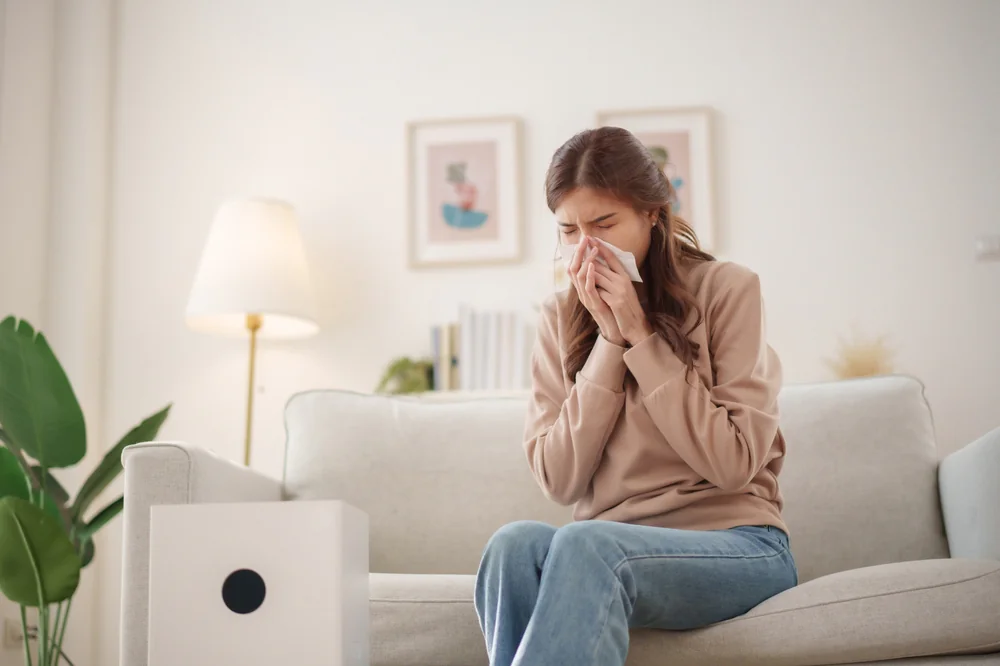
You’ve noticed the symptoms. Persistent coughing, headaches that won’t quit, allergies that flare up indoors more than out. Your kids’ asthma seems worse at home than anywhere else.
The EPA estimates Americans spend 90% of their time indoors, where pollutant concentrations run 2 to 5 times higher than outside. That means your living room air could be worse than standing on a Bucks County highway.
A home air quality test identifies exactly what’s in your air—mold spores, volatile organic compounds from cleaning products or building materials, radon seeping through your foundation, particulate matter circulating through your HVAC. Once you know what you’re dealing with, you can actually fix it instead of masking symptoms with air fresheners and allergy medication.
Testing gives you data. Real numbers. Lab-verified results that tell you whether your indoor air quality is safe or whether you’re breathing in things that could cause long-term health problems. It’s not about fear—it’s about knowing.
We serve Cornwells Heights and Bucks County with MICRO, OSHA, EPA, ESA, and IICRC certified technicians who know exactly what to look for in older Pennsylvania homes. We’re not showing up with a hardware store kit—we use professional-grade equipment and send samples to third-party labs for analysis.
Cornwells Heights homes face specific challenges. Humid summers, older construction, basements that hold moisture. We’ve tested hundreds of properties in this area and understand what drives poor indoor air quality in Bucks County homes.
You get clear results, plain-language explanations, and recommendations that make sense for your situation and budget. No upselling. No scare tactics. Just honest assessment from people who’ve been doing this work long enough to know the difference between a minor issue and a real problem.
First, we talk. You tell us what you’ve noticed—smells, symptoms, visible moisture, recent water damage. That conversation shapes where we test and what we test for.
Then we conduct a visual inspection of your property. We’re looking for moisture sources, ventilation issues, visible mold growth, and conditions that typically correlate with poor air quality. This isn’t guesswork—it’s pattern recognition from years of experience in Bucks County homes.
Next comes the actual testing. For mold, we collect air samples from multiple rooms plus an outdoor control sample. For VOCs, we use different collection methods. Radon testing requires a longer monitoring period. We explain what equipment we’re using and why.
Samples go to an independent lab for analysis. You’re not trusting our opinion—you’re getting scientific data from certified laboratories that specialize in indoor air quality analysis.
When results come back, usually within a few days, we walk through them with you. We explain what the numbers mean, what’s within acceptable ranges, and what needs attention. If remediation is necessary, we outline your options. If your air quality is fine, we tell you that too.
Ready to get started?
A comprehensive indoor air quality test in Cornwells Heights covers multiple contaminant categories. Mold spore analysis identifies which species are present and at what concentrations—important because some molds are significantly more hazardous than others.
VOC testing detects volatile organic compounds from paint, cleaning products, building materials, and furnishings. These chemicals off-gas into your air and can cause everything from headaches to respiratory irritation to long-term health effects.
Radon testing is critical in Pennsylvania. Radon is an odorless radioactive gas that enters through foundation cracks and is the second leading cause of lung cancer in the United States. Bucks County has known radon concerns, and testing is the only way to know your exposure level.
Particulate matter testing measures dust, pollen, pet dander, and other airborne particles that aggravate asthma and allergies. If your HVAC system is circulating contaminated air, testing reveals it.
You also get moisture readings and humidity levels, because excess moisture is the root cause of mold growth. If your basement or crawl space is holding water, that’s information you need before it becomes a bigger problem.
Testing costs vary based on what you’re testing for and how many samples we collect, but it’s a fraction of what you’d spend on remediation if problems go undetected. Most residential air quality testing in Cornwells Heights runs a few hundred dollars—far less than treating chronic health issues or repairing structural damage from long-term mold growth.
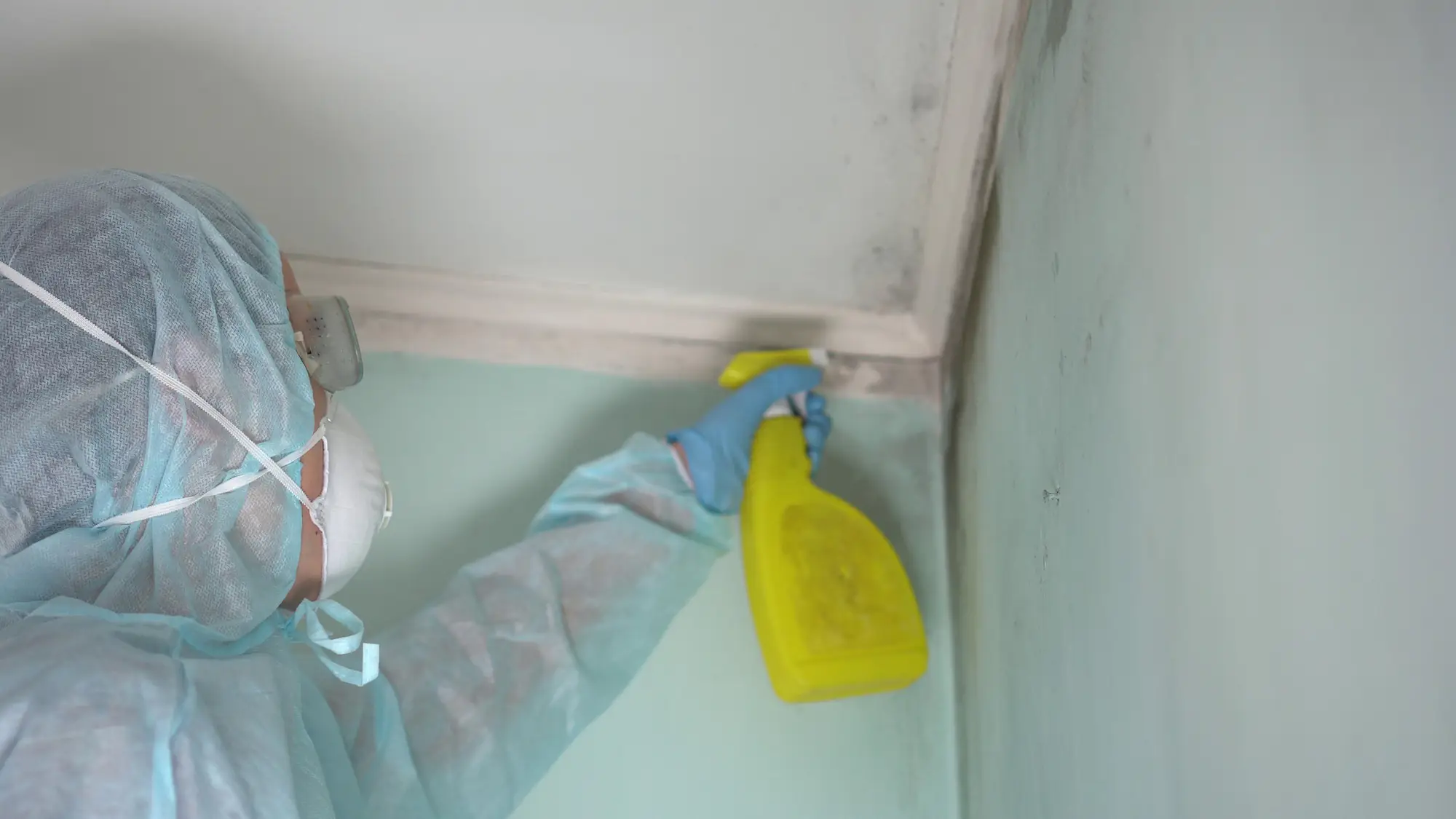
You need testing if anyone in your home has unexplained respiratory symptoms, persistent allergies, frequent headaches, or asthma that worsens indoors. That’s your body telling you something’s wrong with the air.
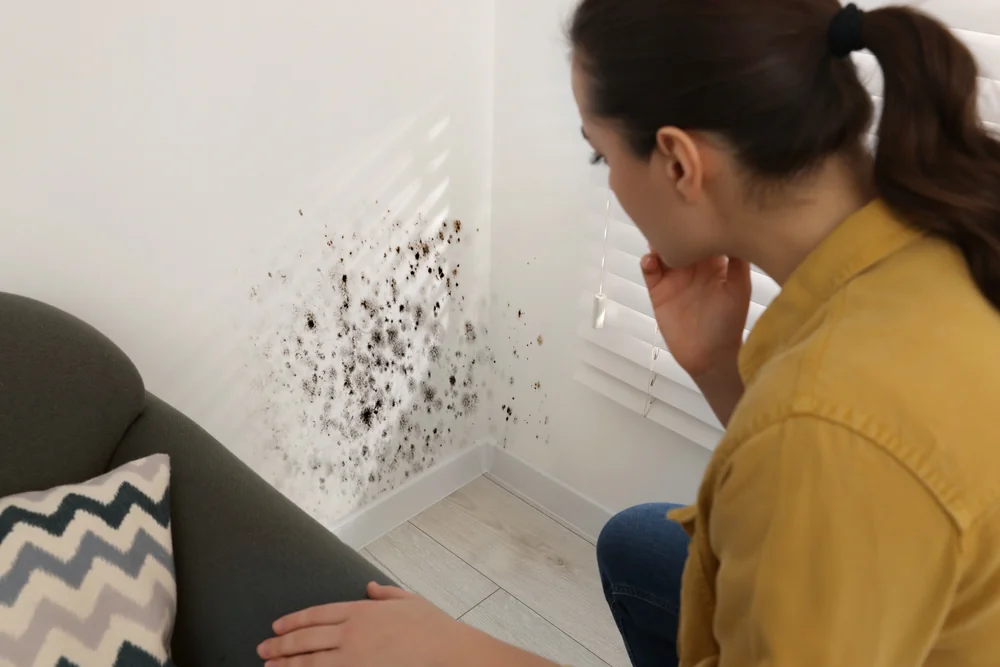
You also need testing after water damage, flooding, or if you’ve found visible mold anywhere in your home. What you can see is usually a fraction of what’s actually there, and a mold air test tells you whether spores are circulating through your entire house or contained to one area.
If you’re buying a home in Cornwells Heights, testing before closing protects your investment. Sellers aren’t required to disclose air quality issues unless they know about them, and problems like radon or hidden mold can cost thousands to remediate. If you’re selling, testing gives buyers confidence and can speed up the transaction.
Older homes, homes with basements, homes with poor ventilation, and homes that smell musty or stale are all candidates for testing. Bucks County’s humidity and housing stock make indoor air quality issues common—testing removes the guesswork.
DIY kits test one thing in one location at one point in time. They’re better than nothing, but they miss a lot.
Professional testing uses calibrated equipment, tests multiple locations, collects samples properly to avoid contamination, and sends everything to certified labs for analysis. The difference in accuracy is significant—DIY kits often produce false negatives because sample collection technique matters more than people realize.
We also interpret results in context. A certain mold spore count might be fine in one situation and concerning in another depending on the species, the location, and what else is present. Professional air quality testing in Cornwells Heights means someone with training is evaluating your specific situation, not just handing you a number with no explanation.
If you’re dealing with health symptoms, planning remediation, or need documentation for insurance or real estate transactions, professional testing is the only option that holds up. DIY kits don’t provide the detailed analysis or chain of custody that insurance companies and buyers require.
The on-site portion usually takes one to two hours depending on your home’s size and what we’re testing for. We’re collecting samples, taking moisture readings, documenting conditions, and conducting a visual inspection.
Radon testing is different—it requires a monitoring device to sit in your home for 48 to 96 hours to get an accurate reading. Radon levels fluctuate, so short-term testing doesn’t give you the full picture. We set up the equipment, you leave it undisturbed, and we return to collect it.
Lab analysis takes three to five business days for most tests. Mold identification requires growing cultures and examining them under microscopy. VOC analysis uses gas chromatography. These are scientific processes that can’t be rushed without sacrificing accuracy.
Once results are back, we schedule a follow-up call or meeting to review everything with you. That conversation usually takes 30 to 45 minutes because we want you to understand what you’re looking at and what your options are. Rush results are available for an additional fee if you’re on a tight timeline for a real estate closing or insurance claim.
Yes, but it tells you more than that. A mold air test identifies which mold species are present, their concentration levels, and whether those levels are elevated compared to outdoor air.
Not all mold is the same. Some species are relatively harmless. Others produce mycotoxins that cause serious health effects. Testing tells you exactly what you’re dealing with so you can respond appropriately instead of panicking over every dark spot.
Testing also shows you whether mold is localized or widespread. You might have visible mold in your bathroom but clean air throughout the rest of your home, or you might have hidden mold in your HVAC system that’s spreading spores everywhere. The difference determines whether you need minor cleaning or full remediation.
If testing reveals elevated mold levels, we identify the moisture source feeding it. Mold doesn’t grow without water, so finding and fixing the moisture problem is just as important as removing the mold itself. Testing gives you the complete picture—what’s growing, where it’s coming from, and what needs to happen next.
We send samples to third-party labs, so you’re getting unbiased results. We don’t benefit from inflating numbers or recommending unnecessary work. If your air quality is fine, we tell you that. If you have a problem, we document it and explain your remediation options.
Basic mold air testing typically runs $300 to $500 for a residential property, depending on how many samples we collect. Most homes need three to five air samples—one from each area of concern plus an outdoor control sample for comparison.
Comprehensive testing that includes VOCs, radon, and particulate matter costs more, usually $600 to $900, because we’re using additional equipment and lab analysis. If you’re testing for everything, that’s the range you’re looking at.
Radon testing alone costs $150 to $250 for a 48-hour test. Some situations require longer monitoring periods, which increases the cost slightly but gives you more accurate data on your radon exposure levels.
These prices include the on-site inspection, sample collection, lab analysis, and results consultation. You’re not paying extra for someone to explain what the numbers mean—that’s part of the service. If you need documentation for insurance or real estate purposes, we provide detailed reports at no additional charge.
Compare that to the cost of ignoring air quality problems. Mold remediation runs $2,000 to $6,000 on average. Radon mitigation systems cost $1,500 to $3,000. Ongoing medical treatment for respiratory issues caused by poor indoor air quality adds up fast. Testing is the cheapest part of the equation, and it tells you whether you actually have a problem worth spending money to fix.
Carbon monoxide requires specific detection equipment, and yes, we can test for it as part of a comprehensive indoor air quality assessment. CO is dangerous because it’s odorless and colorless—you can’t detect it without equipment, and exposure causes headaches, dizziness, and at high levels, death.
We use calibrated CO detectors to measure levels throughout your home, especially near fuel-burning appliances like furnaces, water heaters, and fireplaces. If your CO detector has been going off or you’ve experienced symptoms that improve when you leave the house, testing identifies whether you have a carbon monoxide problem and where it’s coming from.
We also test for other combustion gases and VOCs that off-gas from building materials, furniture, and household products. Formaldehyde is common in pressed wood products and can cause respiratory irritation. Benzene comes from attached garages and stored chemicals. These aren’t things you can smell at low levels, but they affect your health over time.
Radon is another gas we test for routinely in Bucks County because Pennsylvania has some of the highest radon levels in the country. It seeps up through foundation cracks and accumulates in basements and lower levels. Testing is the only way to know your exposure.
If you want comprehensive gas testing, let us know when you schedule. We’ll bring the right equipment and collect the samples needed to give you a complete picture of what’s in your air. Most people start with mold and radon testing, then expand based on their concerns and symptoms.
Other Services we provide in Cornwells Heights