
Hear from Our Customers
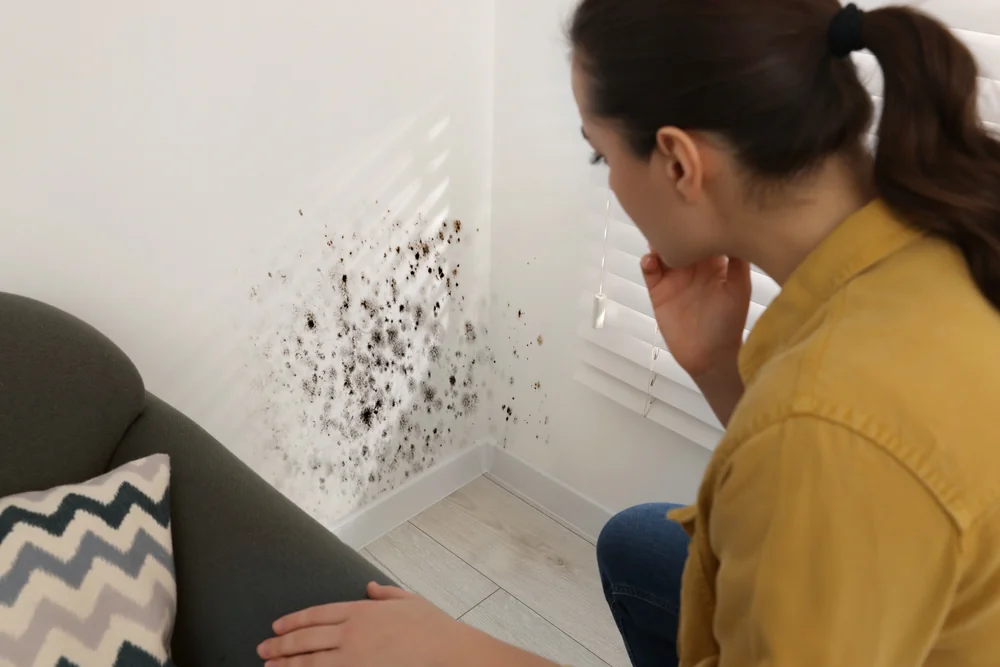
You’ve noticed the symptoms. Headaches that show up only when you’re home. Kids coughing more than usual. That musty smell you can’t quite locate. You’re not imagining it.
Indoor air quality problems don’t announce themselves clearly. They hide behind walls, grow under carpets, and release invisible particles that affect how you feel every single day. A home air quality test gives you actual answers instead of guesses.
Here’s what changes after testing. You know exactly what’s in your air and where it’s coming from. You understand whether that smell is surface-level or a sign of hidden mold growth. You get a clear path forward instead of wondering if you’re overreacting or if the problem will get worse. Most importantly, you stop second-guessing whether your home is safe for your family.
Center City’s older rowhomes and shared-wall construction create perfect conditions for trapped moisture. Add Philadelphia’s humid summers and you’ve got an environment where mold develops fast and spreads quietly. Testing catches problems before they become expensive repairs or ongoing health issues.
We’ve spent over 20 years testing air quality in Bucks County and Philadelphia area homes. We know how Center City’s brick construction, plaster walls, and basement moisture patterns affect indoor air. We’ve seen what happens when problems go undetected.
Our team uses moisture meters and infrared cameras to find issues you can’t see. We don’t just test the air and hand you results. We explain what the numbers mean, show you where problems are developing, and walk you through what needs to happen next.
You’re not getting a salesperson who pushes unnecessary services. You’re getting trained inspectors who understand Philadelphia’s housing stock and climate challenges. We test thoroughly because we know what to look for in homes like yours.

We start with a free inspection of your property. You show us the areas that concern you, and we examine both visible and hidden spaces where mold and contaminants typically develop. We’re looking at ventilation patterns, moisture levels, and any signs of water damage or poor air circulation.
Next comes the actual air quality assessment. We collect air samples from different areas of your home and use detection equipment to measure moisture levels in walls, floors, and other materials. Infrared cameras help us identify temperature differences that indicate hidden moisture or mold growth behind surfaces.
The testing process typically takes a few hours depending on your property size. We’re checking HVAC systems, basements, bathrooms, kitchens, and anywhere else moisture accumulates. We document everything with photos and measurements.
After lab analysis, we sit down with you to review results. You get a detailed report showing what contaminants were found, where they’re concentrated, and what’s causing them. We explain the findings in plain language and outline your options for remediation. No pressure, no upselling. Just clear information so you can make an informed decision about your next steps.
Ready to get started?
You get a comprehensive evaluation of your indoor air quality and mold presence. This includes visual inspection of your entire property, air sampling from multiple rooms, moisture detection in building materials, and infrared scanning to locate hidden problems.
Center City homes face specific challenges that make professional testing essential. Philadelphia’s air quality has measurably worsened over the past five years, which correlates with decreased property values. Your neighborhood’s older construction means many homes have inadequate ventilation systems that trap moisture and pollutants inside.
The testing covers mold spores, allergens, and other airborne contaminants affecting your health. We measure humidity levels and identify moisture sources feeding mold growth. You receive lab-analyzed results showing exactly what’s in your air and at what concentrations.
We also provide documentation that’s useful if you’re dealing with insurance claims or property transactions. The detailed report includes photos, measurements, and professional recommendations. You’ll know whether you’re dealing with a minor issue or something that requires immediate attention.
Philadelphia’s climate creates a 24-48 hour window after water exposure before mold starts growing. Our testing determines whether that growth has already begun and how far it’s spread. This matters because catching problems early prevents the kind of extensive damage that requires tearing out walls and replacing materials.
You need testing if anyone in your home experiences unexplained respiratory symptoms, allergies, or headaches that improve when you leave the house. That’s your body telling you something’s wrong with your indoor environment.
Other clear signs include visible mold growth anywhere in your home, persistent musty odors you can’t locate, recent water damage from leaks or flooding, and condensation forming on windows or walls. If you live in an older Center City rowhome with original plaster walls and limited ventilation, testing makes sense even without obvious symptoms.
Philadelphia’s humidity levels exceed 60% during summer months, which accelerates mold development in homes with poor air circulation. Many local properties have shared walls and basement moisture issues that create ongoing air quality problems. Testing gives you baseline data about what you’re breathing and whether intervention is needed before health issues develop or property damage worsens.
A mold air test specifically measures mold spore concentrations in your indoor air and identifies the types of mold present. It’s focused testing when you suspect mold growth or have visible mold you want analyzed.
Comprehensive air quality testing looks at a broader range of contaminants including mold, allergens, dust particles, and other pollutants affecting your indoor environment. It gives you a complete picture of what’s in your air and what might be causing health symptoms or odor problems.
For most Center City homeowners, comprehensive testing makes more sense because it identifies all potential issues at once. You might think you have a mold problem when you’re actually dealing with poor ventilation, HVAC contamination, or multiple air quality factors working together. The broader test catches everything so you’re not guessing about what needs to be addressed. We typically recommend starting with full air quality testing unless you have confirmed mold growth that just needs identification and measurement.
The on-site inspection and sample collection usually takes two to four hours depending on your property size and the number of areas we’re testing. We’re thorough because missing a problem area means incomplete results.
Lab analysis of air samples takes three to five business days. We send samples to certified laboratories that specialize in identifying mold species and measuring contaminant concentrations. You can’t rush this part because accurate analysis requires proper testing protocols.
Once results come back, we schedule a follow-up consultation to review findings with you. This typically happens within a week of your initial testing. We walk through the report, explain what each measurement means, show you where problems are located, and discuss your remediation options. You’ll have time to ask questions and understand exactly what’s happening in your home before making any decisions about next steps. The whole process from initial inspection to having a clear action plan usually takes seven to ten days.
No. Air quality testing and mold inspection are non-invasive processes that don’t require cutting into walls or damaging your property. We collect air samples using specialized equipment that captures airborne particles without disturbing your home’s structure.
Our moisture meters and infrared cameras detect problems behind surfaces without making holes or removing materials. The technology reads temperature differences and moisture levels through walls, which shows us where issues exist without destructive investigation.
The only time we’d recommend opening walls is if testing reveals significant hidden moisture or mold growth that requires visual confirmation before remediation. But that’s a separate decision you’d make after seeing test results. The testing itself leaves your home exactly as we found it. We’re gathering data, not performing repairs or demolition during the assessment phase.
We provide free initial inspections so you understand what you’re dealing with before committing to anything. The inspection includes visual assessment, moisture detection, and identification of problem areas.
Comprehensive air quality testing with lab analysis typically ranges from a few hundred dollars to around $800 depending on property size and how many samples we collect. Larger homes or properties with multiple suspected problem areas require more sample collection points, which affects cost.
Testing is significantly cheaper than dealing with undetected mold damage that spreads throughout your home. Philadelphia’s climate means mold can develop extensively within weeks if moisture problems aren’t caught early. Spending a few hundred dollars on testing now can save you thousands in remediation costs later. We provide clear pricing before starting any work so you know exactly what you’re paying for. Many homeowners find that testing costs are covered by insurance, especially if you’ve had recent water damage or are documenting problems for a claim.
You get a detailed report showing what was found, where it’s located, and what’s causing it. We explain the severity of the problem and what needs to happen to fix it. You’re not obligated to use our remediation services, but we’re available if you want the same team that found the problem to handle the solution.
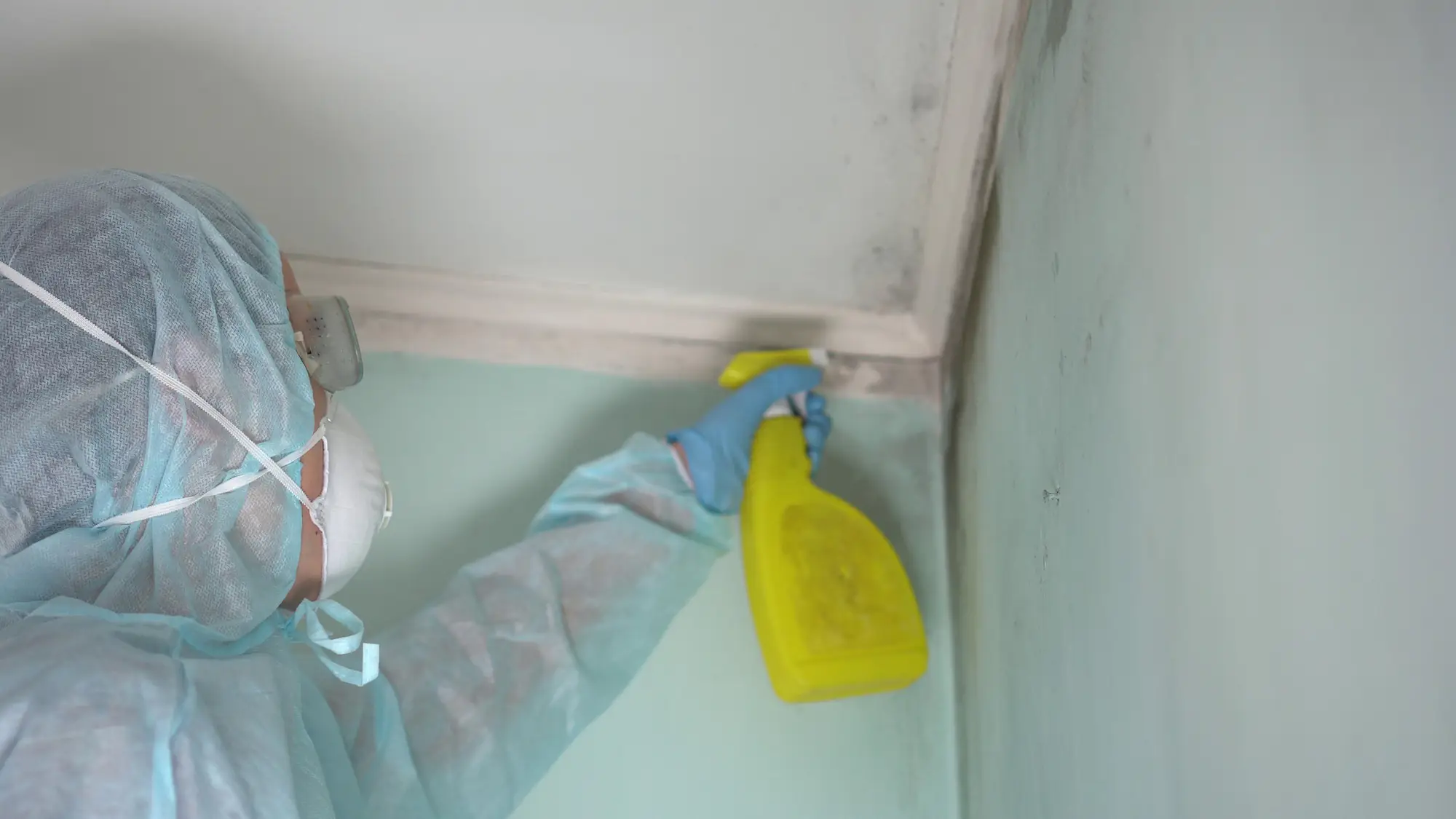
If testing reveals mold growth, we identify the moisture source feeding it and develop a remediation plan that addresses both the mold and the underlying cause. Removing visible mold without fixing the moisture problem means it’ll just come back. We handle the complete solution so you’re not dealing with recurring issues.
For air quality problems related to ventilation or HVAC contamination, we recommend specific improvements to your home’s air circulation and filtration systems. Some issues require simple fixes like better dehumidification. Others need more involved work like upgrading ventilation in older homes that were built before modern air quality standards existed. We work with your insurance company if your situation is covered under your policy. The goal is getting your home’s air quality back to safe levels as efficiently as possible while preventing future problems.
Other Services we provide in Center City