
Hear from Our Customers
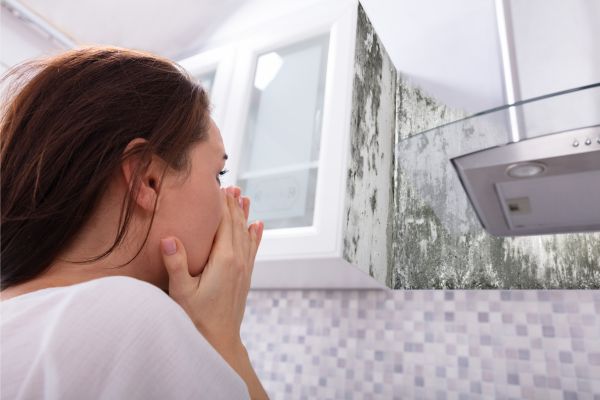
You can’t see most mold growth. It hides behind walls, under floors, in crawl spaces. By the time you smell it or see discoloration, it’s already spread.
Professional mold testing gives you the full picture. You’ll know if there’s contamination, where it’s growing, what type it is, and how severe the problem has become. That means you can make informed decisions instead of guessing or ignoring symptoms that won’t go away on their own.
Testing also identifies the moisture source feeding the growth. Without fixing that, mold comes back no matter how much you scrub. Our inspections in Center City, PA pinpoint both the contamination and the cause so you can actually solve the problem instead of covering it up temporarily.
If you’re dealing with allergies that won’t quit, musty odors, or visible water damage, testing tells you whether mold is the culprit. If you’re buying a home or dealing with a tenant complaint, it gives you documentation and clarity. Either way, you’re not left wondering.
We’ve been handling mold problems across Bucks County for years. We’ve inspected everything from historic rowhomes in Old City to newer construction in the surrounding neighborhoods, and we understand how Philadelphia’s climate creates perfect conditions for mold growth.
Humidity here regularly hits 70% or higher during summer months. Older buildings have outdated ventilation and drainage issues. Basements seep. HVAC systems drip condensation. All of that creates environments where mold thrives in 24 to 48 hours after water exposure.
Our certified inspectors use advanced detection equipment to find contamination you can’t see. We’re not general home inspectors dabbling in mold this is what we do, and Pennsylvania requires proper licensing for mold assessment. You’re working with professionals who follow industry protocols and know how to read the signs local buildings show.
We start with a free visual inspection of your property. Our team examines areas where moisture problems typically occur basements, bathrooms, kitchens, attics, crawl spaces, and anywhere you’ve noticed leaks or water damage. We’re looking for visible mold, water stains, condensation patterns, and conditions that support growth.
If we find signs of contamination or you’re experiencing symptoms without visible mold, we collect air and surface samples. Those samples go to an independent lab for analysis. You’ll get a detailed report showing what types of mold are present, concentration levels, and whether they pose health risks.
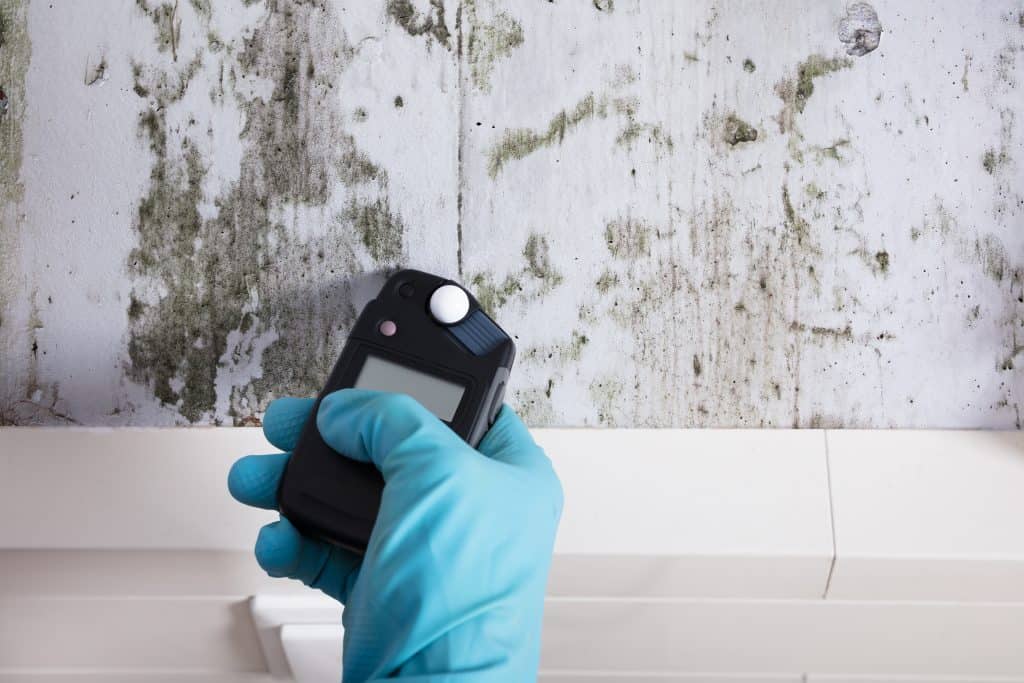
We also use moisture meters and thermal imaging to detect hidden water intrusion. Mold doesn’t grow without moisture, so finding the source is just as important as finding the mold itself. That could be a roof leak, plumbing issue, poor ventilation, foundation seepage, or HVAC condensation.
Once testing is complete, we walk you through the results in plain language. You’ll understand what the contamination means for your health and property, what needs to happen next, and what it’s likely to cost. If remediation is necessary, we handle that too and we fix the moisture problem so mold doesn’t return after cleanup.
Ready to get started?
Our mold inspection covers both visible and hidden areas of your home. We check basements, attics, crawl spaces, behind walls, under sinks, around HVAC systems, and anywhere moisture accumulates. You’re not paying for a quick walkthrough you’re getting a thorough assessment of your indoor air quality.
Testing includes air sampling to measure mold spore concentrations and surface sampling from suspected contamination areas. Lab analysis identifies specific mold types, including toxic varieties like black mold. You’ll receive documentation that meets Pennsylvania’s indoor air quality regulations and insurance requirements if you need to file a claim.
Center City’s building stock makes professional testing especially important. Nearly half of residential properties show visible mold or detectable odors, and Philadelphia’s humidity levels create constant risk. Older homes have poor drainage and outdated ventilation. Newer construction can trap moisture if not built correctly. Both scenarios lead to the same problem.
We also evaluate your property’s vulnerability to future growth. That means identifying ventilation issues, drainage problems, insulation gaps, and other factors that create moisture buildup. You’ll know what to monitor and how to prevent recurrence after remediation.
If you’re buying a home, our inspection protects your investment. Unchecked mold can reduce property value by 20% to 37%. If you’re selling, testing gives buyers confidence and speeds up transactions. If you’re a landlord dealing with tenant complaints, it provides documentation and helps you meet legal obligations.
If you can see mold growth larger than a few square feet, you probably don’t need testing you need removal. Testing makes sense when you’re experiencing symptoms like allergies or respiratory issues but can’t find visible contamination, when you smell mustiness without an obvious source, or when you’ve had water damage and want to confirm whether mold developed.
Testing is also critical if you’re buying a home and want to know what you’re getting into, if you’re selling and a buyer requests documentation, or if you need proof for insurance claims. In Pennsylvania, professional mold assessment requires licensing, so you want certified inspectors conducting the evaluation rather than general home inspectors who aren’t specialized.
The other reason to test before removal is identifying what type of mold you’re dealing with. Some varieties pose serious health risks, especially for children and people with respiratory conditions. Lab analysis tells you whether you’re looking at common mildew or toxic black mold, which changes how urgently you need to act and what precautions are necessary during cleanup.
A complete mold inspection includes visual examination of your entire property, air quality sampling, surface sampling from suspected areas, moisture detection using specialized equipment, and lab analysis of collected samples. You’ll get a detailed report showing mold types present, concentration levels, contamination locations, and moisture sources feeding the growth.
Our inspectors check basements, attics, crawl spaces, bathrooms, kitchens, HVAC systems, and anywhere water intrusion or condensation occurs. We use thermal imaging to detect hidden moisture behind walls and moisture meters to measure humidity levels in building materials. That equipment finds problems you can’t see with visual inspection alone.
After testing, we explain results in plain language and outline what needs to happen next. If remediation is necessary, we provide cost estimates and timelines. If the contamination is minor, we’ll tell you that too we’re not interested in selling you services you don’t need. You’ll also get recommendations for preventing future growth, which usually means fixing the moisture problem that caused mold in the first place.
The on-site inspection typically takes one to two hours depending on your property size and how many areas need evaluation. We collect air and surface samples during that visit, then send them to an independent lab for analysis. Lab results usually come back within three to five business days.
You’re not waiting weeks to find out whether you have a mold problem. Once we receive lab results, we schedule a follow-up consultation to review findings and discuss next steps. That conversation covers what types of mold are present, whether concentrations pose health risks, where contamination is located, and what’s causing the moisture that’s feeding growth.
If you’re dealing with an urgent situation severe water damage, strong odors, or serious health symptoms we can often provide preliminary recommendations based on visual inspection before lab results arrive. But the lab analysis is what confirms mold types and gives you documentation for insurance claims or real estate transactions if needed.
DIY mold test kits exist, but they don’t give you the full picture. Those kits can tell you whether mold spores are present, but mold spores are present in every home what matters is the type and concentration. Without lab analysis and professional interpretation, you won’t know if you’re looking at harmless mildew or toxic contamination that requires immediate remediation.
Professional testing also identifies hidden mold that DIY kits miss entirely. We use thermal imaging and moisture meters to detect growth behind walls, under floors, and in crawl spaces. We know where to look based on building construction, local climate patterns, and common failure points in Center City’s housing stock. You’re not just getting test results you’re getting expertise that comes from years of inspecting properties in this area.
Pennsylvania also requires licensing for professional mold assessment. That means certified inspectors follow industry protocols, use calibrated equipment, and provide documentation that meets regulatory standards. If you need results for insurance claims, real estate transactions, or legal purposes, DIY testing won’t hold up. You need professional evaluation conducted by licensed experts who know what they’re doing.
Philadelphia’s climate is the biggest factor. Humidity here regularly exceeds 70% during summer months, and mold thrives when relative humidity stays above 60%. Combine that with older building stock that has poor ventilation and outdated drainage systems, and you’ve got perfect conditions for contamination.
Basements are especially vulnerable because of foundation seepage and lack of air circulation. Bathrooms and kitchens generate moisture from daily use. Attics trap heat and condensation. HVAC systems drip water if drain lines clog. Roof leaks, plumbing failures, and flooding all introduce water that needs to dry within 24 to 48 hours or mold growth becomes almost certain.
Historic homes in Center City often have construction methods that weren’t designed for modern moisture control. Newer construction can trap moisture if builders cut corners on ventilation or waterproofing. Either way, the result is the same water gets in, doesn’t dry properly, and mold colonizes building materials. The only way to stop it is finding the moisture source and eliminating it, not just cleaning up visible growth.
Professional mold testing typically ranges from a few hundred dollars for basic inspection to more for comprehensive evaluation with multiple samples and lab analysis. The exact cost depends on your property size, how many areas need testing, and whether you need air sampling, surface sampling, or both.
We offer free visual inspections to assess your situation before recommending paid testing. In many cases, that initial inspection tells us whether you need full lab analysis or if the problem is obvious enough to move straight to remediation. We’re not interested in charging you for tests you don’t need we’d rather give you honest assessment and clear pricing upfront.
Keep in mind that testing costs are minimal compared to what you’ll pay if mold damage spreads. Average remediation runs between $1,200 and $3,700, but severe contamination can hit $30,000 or more. Early detection through professional testing catches problems when they’re still manageable and less expensive to fix. You’re also protecting your property value visible mold can reduce your home’s market price by 20% to 37%, which is a lot more than the cost of an inspection.
Other Services we provide in Center City