
Hear from Our Customers
You’re spending 90% of your time indoors. If something’s wrong with your home’s air, you’re breathing it constantly—and so is everyone else in your house.
A home air quality test doesn’t guess. It measures exactly what pollutants, allergens, and mold spores are circulating through your rooms. That means you stop wondering if the coughing is seasonal or if there’s actually something growing behind your walls.
Most homes in Croydon Acres were built between 1940 and 1969. Older construction means limited ventilation, outdated materials, and decades of moisture exposure. Pennsylvania’s humid summers don’t help. When you combine age with climate, you get the perfect environment for mold growth and poor indoor air quality.
Testing gives you documentation. It tells you if levels are dangerous, what’s causing the problem, and whether your symptoms match what’s actually in the air. That’s useful when you’re deciding whether to call a remediation company or if you just need better airflow.
We’ve been handling mold and air quality issues throughout Bucks County for years. We’re local, we know the housing stock here, and we’ve seen what happens when moisture sits too long in a basement or crawl space.
Croydon Acres has a lot of mid-century homes with foundation issues, poor drainage, and minimal ventilation. We’ve tested dozens of properties in this area. The patterns are consistent: high humidity, hidden leaks, and mold growth that homeowners don’t discover until someone gets sick.
We’re not here to upsell you. We test your air, explain the results in plain terms, and recommend next steps based on what the data actually shows. If remediation is necessary, we handle it. If it’s not, we’ll tell you that too.
We start with a free inspection. You show us the areas you’re concerned about—basement, bathroom, bedroom, wherever you’ve noticed odors, stains, or symptoms. We look for visible mold, moisture damage, and ventilation problems.
Then we collect air samples using calibrated equipment. These samples capture airborne mold spores, allergens, and particulate matter. We also take surface samples if we see potential growth on walls, ceilings, or floors. The samples go to a certified lab for analysis.
Results come back within a few days. The lab report breaks down exactly what’s in your air, the concentration levels, and whether those levels exceed safe thresholds. We walk you through the findings and explain what each result means for your home and health.
If the test reveals mold or elevated pollutant levels, we provide a detailed remediation plan. That includes identifying the moisture source, removing contaminated materials, treating affected areas, and preventing future growth. If the air quality is fine, we document that and give you peace of mind.
Ready to get started?
Every indoor air quality test includes a visual inspection of your property, air sampling from multiple rooms, and surface sampling where we identify potential contamination. We use EPA-approved methods and send samples to accredited labs that specialize in mold and air quality analysis.
The lab report identifies specific mold species, spore counts, and allergen levels. This matters because not all mold is the same. Some species are more toxic than others. Knowing exactly what’s growing in your home determines how aggressive the remediation needs to be.
Pennsylvania has one of the worst radon problems in the country. About 40% of homes here test above the EPA’s action level. If you’re in Croydon Acres and you’ve never tested for radon, that’s a separate issue worth addressing. We can refer you to certified radon testers or include it as part of a comprehensive air quality assessment.
You also get a written summary that explains the findings in non-technical language. We don’t leave you with a stack of numbers and no context. We tell you what’s wrong, why it’s happening, and what needs to happen next—whether that’s remediation, better ventilation, or just monitoring the situation.
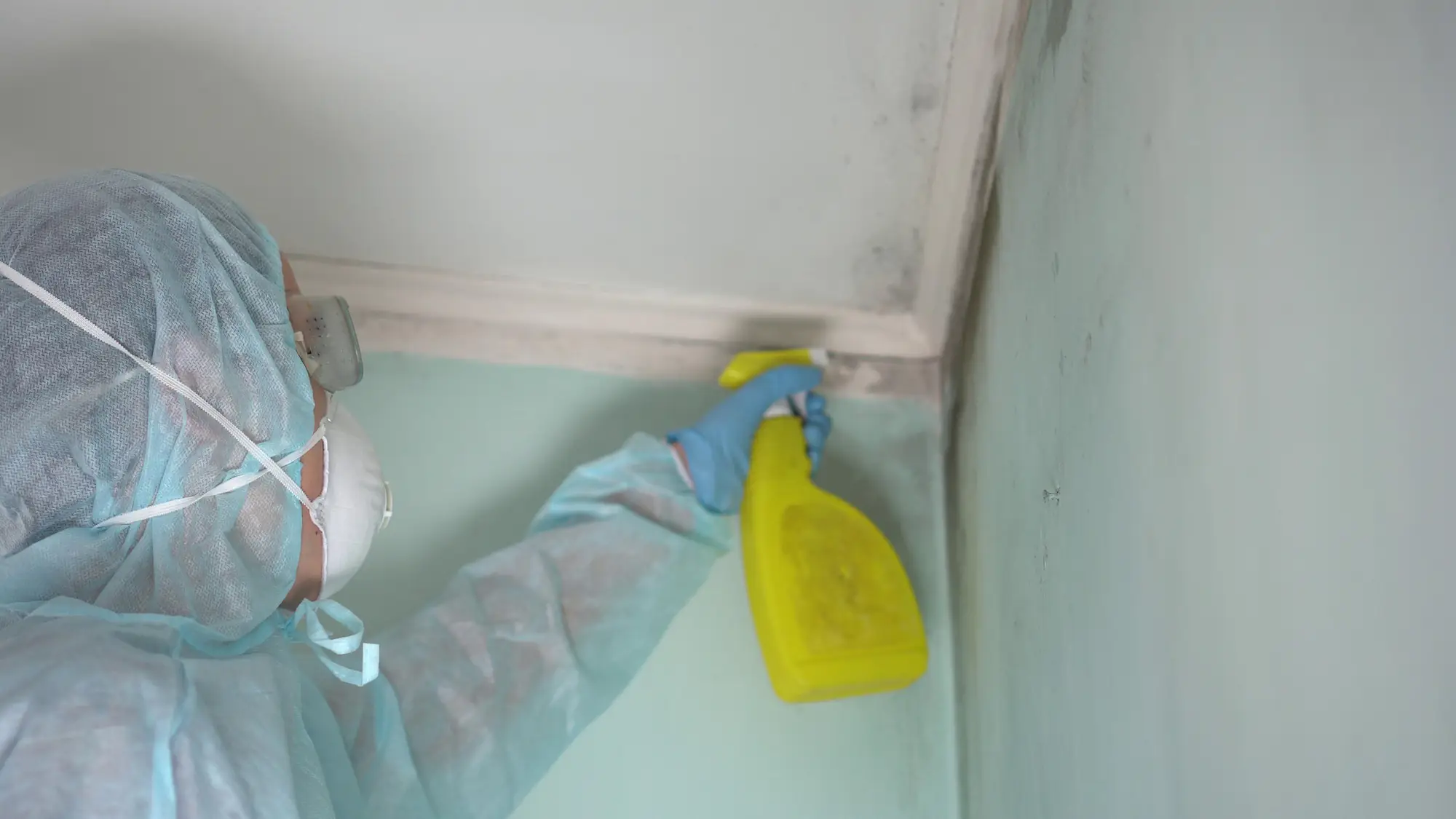
Cost depends on the size of your home and how many samples we need to collect. A basic indoor air quality test for a single-family home typically runs between $300 and $600. That includes air sampling, lab analysis, and a detailed report.
If you need additional testing—like surface samples from multiple rooms or radon testing—the price goes up. But we don’t charge for the initial inspection. We come out, assess the situation, and give you an upfront quote before any testing happens.
Most homeowners in Croydon Acres are dealing with older homes that haven’t been tested in years, if ever. If you’re experiencing respiratory symptoms, musty odors, or visible moisture damage, testing is worth the investment. It either confirms there’s a problem that needs fixing or rules out air quality as the cause of your symptoms.
A mold air test captures airborne spores and identifies the specific types of mold present in your home. The lab analyzes the sample and provides a spore count for each species. That tells you whether mold levels are elevated compared to outdoor air and whether any toxic species are present.
Common molds we find in Croydon Acres homes include Aspergillus, Penicillium, and Cladosporium. These thrive in damp environments and are often linked to water damage, leaky roofs, or basement moisture. Some species, like Stachybotrys (black mold), produce mycotoxins that can cause serious health issues with prolonged exposure.
Air testing doesn’t just confirm mold is there—it shows you how much is circulating through your HVAC system and into the rooms where you sleep and spend time. That’s critical information when you’re deciding whether to move forward with remediation or if the problem is minor enough to handle with improved ventilation.
Lab results typically come back within three to five business days. The timeline depends on the lab’s workload and the complexity of the analysis. We send samples to certified labs that specialize in mold identification and air quality testing, so the results are accurate and defensible if you need them for insurance or legal purposes.
Once we receive the lab report, we schedule a follow-up to review the findings with you. We don’t just email you a PDF and disappear. We walk through the results, explain what each number means, and answer any questions you have about next steps.
If the situation is urgent—like you’re dealing with severe symptoms or visible mold growth—we can request expedited processing. That usually shortens the turnaround to 24 to 48 hours, though it comes with an additional lab fee.
DIY air quality test kits exist, but they’re not as reliable as professional testing. Most consumer kits only test for a limited range of molds and don’t provide spore counts or species identification. You’re basically getting a yes-or-no answer without any context about severity or risk.
Professional air quality testing uses calibrated equipment and accredited labs. We collect samples under controlled conditions, which ensures accuracy. The lab report gives you specific data—spore counts, mold species, allergen levels—that you can use to make informed decisions about remediation.
If you’re dealing with health symptoms, moisture problems, or visible mold, a DIY kit won’t give you enough information. You need to know exactly what’s in your air and whether the levels are dangerous. That requires professional equipment and lab analysis. It’s not about upselling—it’s about getting results that actually mean something.
Persistent respiratory symptoms are the biggest indicator. If you or your family members are dealing with coughing, wheezing, sinus congestion, or headaches that improve when you leave the house, that’s a red flag. Indoor air pollutants and mold spores can trigger those symptoms, especially in people with asthma or allergies.
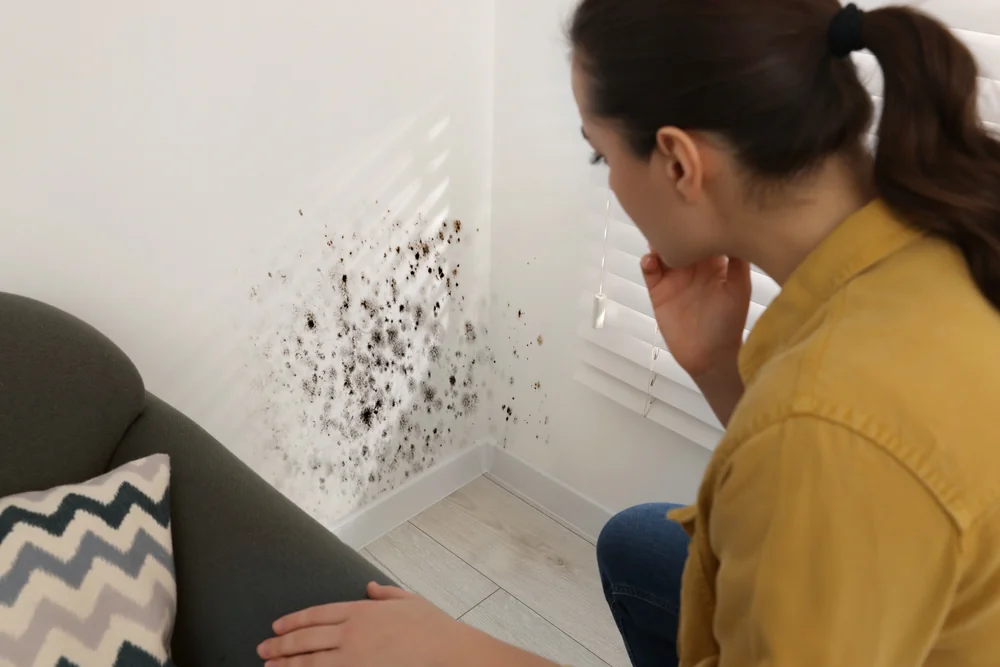
Visible signs matter too. Musty odors, water stains on ceilings or walls, peeling paint, warped floors, or condensation on windows all suggest moisture problems. Mold doesn’t always grow where you can see it. It hides behind drywall, under carpets, and in HVAC ducts. Testing reveals what’s happening in places you can’t inspect visually.
Homes in Croydon Acres are especially vulnerable because of their age and construction. If your house was built before 1970 and you’ve never had the air tested, it’s worth doing—especially if you’ve had any water damage, flooding, or plumbing leaks over the years.
Standard air quality testing focuses on mold, allergens, and particulate matter. Radon testing is separate and requires different equipment. Radon is a radioactive gas that seeps into homes through foundation cracks and is the leading cause of lung cancer among non-smokers. Pennsylvania has some of the highest radon levels in the country.
If you’ve never tested for radon, you should. About 40% of homes in Pennsylvania exceed the EPA’s recommended action level. Testing is inexpensive and takes a few days. We can refer you to certified radon testers or coordinate radon testing as part of a comprehensive air quality assessment.
Radon is odorless and invisible, so you can’t detect it without testing. If levels are high, mitigation involves sealing foundation cracks and installing ventilation systems to redirect the gas outside. It’s a serious issue, but it’s fixable once you know it’s there.
Other Services we provide in Croydon Acres