
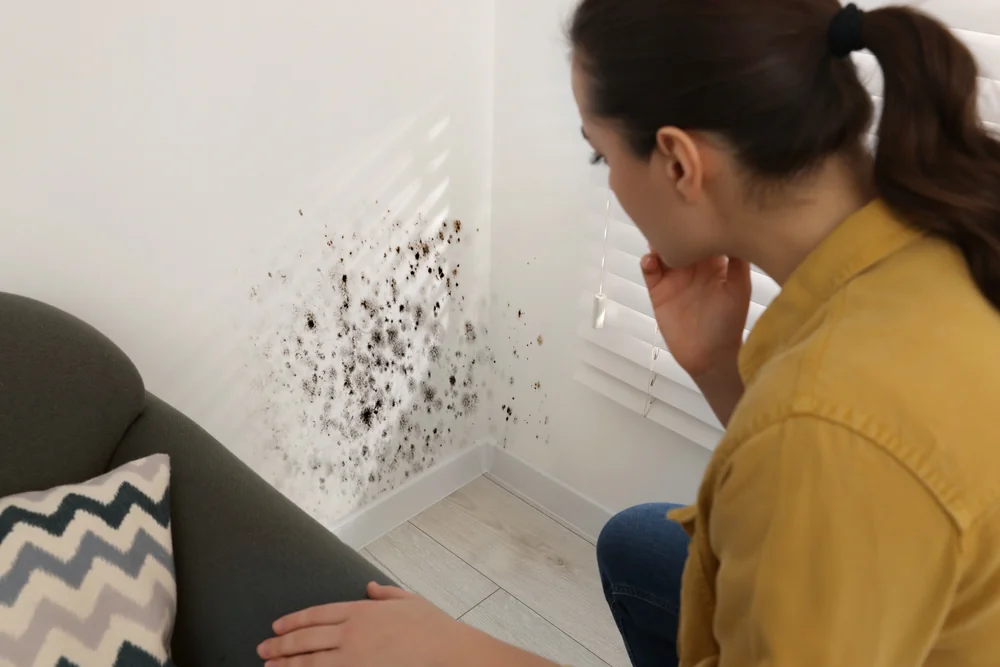
Hear from Our Customers
You notice the stuffiness when you walk in after being gone all day. Maybe someone in your house has been coughing more than usual, or allergies that never quite go away. You’ve wondered if it’s the air, but you don’t know how to check or what to look for.
That’s where a home air quality test comes in. We collect samples from your air and surfaces, analyze them in a lab, and tell you exactly what’s floating around in your home. Mold spores, dust mite allergens, VOCs from cleaning products—whatever’s there, you’ll know about it.
The report breaks down what we found, what levels are concerning, and what you should do next. No more guessing whether that musty smell is a problem or just old carpet. You get clarity, and from there, you can make decisions that actually protect your family.
We’ve been helping homeowners in East Falls, PA figure out what’s going on with their indoor air for years. We know the area—the older brick rowhomes with unfinished basements, the converted mills near the Schuylkill, the humidity that settles in during summer and doesn’t leave until October.
We’re not a national franchise following a script. We’re local, and we’ve seen what happens when moisture gets trapped in these homes. We know where to look, what to test for, and how to explain it without making you feel like you need a biology degree.
You’ll work with someone who answers the phone, shows up on time, and walks you through the results like a normal conversation. That’s it.
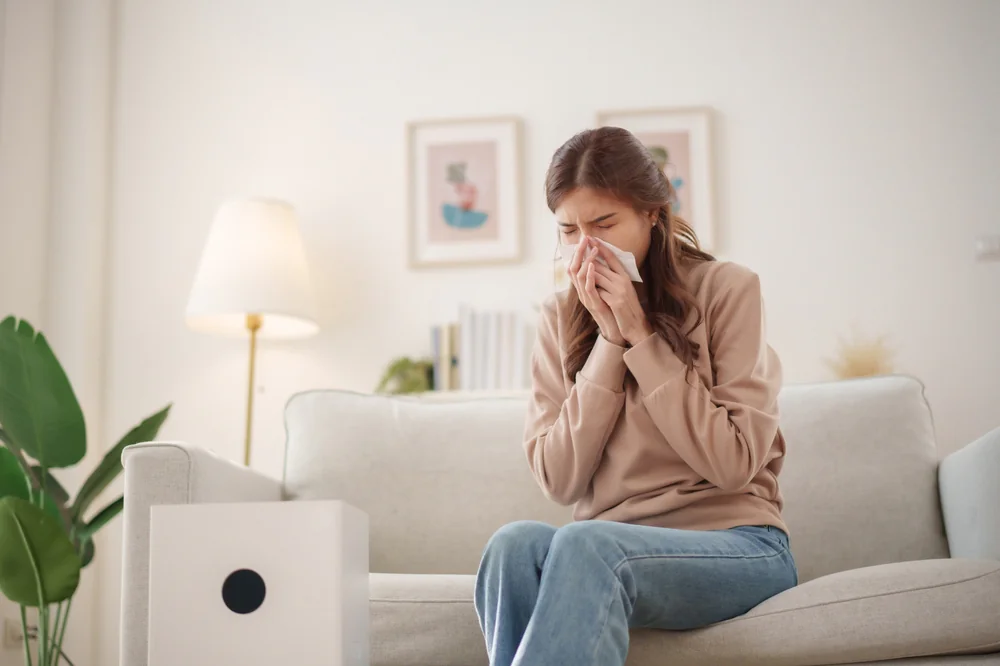
First, we walk through your home and talk about what you’ve noticed—symptoms, smells, visible moisture, whatever brought you here. That helps us know where to focus.
Then we collect air samples using a pump that pulls air through a cassette. We do this in multiple rooms, especially anywhere you’ve had water issues or spend a lot of time. We also take surface samples if there’s visible growth or staining, using swabs or tape lifts.
If moisture is part of the picture, we use infrared cameras and moisture meters to check inside walls, around windows, and in basements. You’d be surprised how often the real problem is hidden behind drywall or under flooring.
Once we have the samples, they go to an accredited lab. You get a full report within a few days that shows spore counts, identifies the types of mold or allergens, and compares your levels to outdoor baselines. We’ll go over it with you, explain what’s normal and what’s not, and talk through your options if something needs attention.
Ready to get started?
Every residential air quality testing appointment includes a visual inspection of your home, air sampling in key areas, and lab analysis by certified professionals. You’re not paying for a guy with a flashlight—you’re getting infrared imaging, moisture mapping, and spore identification.
East Falls homes face specific challenges. The neighborhood has a lot of pre-1950s construction, which means older plumbing, stone foundations, and ventilation that wasn’t designed for modern HVAC systems. Add in Pennsylvania’s humidity, and you’ve got the perfect setup for mold in basements, behind wallpaper, and around old windows.
We’ve tested homes on Midvale Avenue where the basement stays damp year-round. We’ve found hidden mold in row houses on Calumet Street after slow leaks went unnoticed for months. We know what to look for because we’ve seen it before.
After testing, you’ll receive a detailed report that includes photos, lab results, moisture readings, and our recommendations. If remediation is needed, we handle that too. If it’s something you can manage on your own, we’ll tell you that as well. The goal is to give you the full picture so you can make the right call for your home.
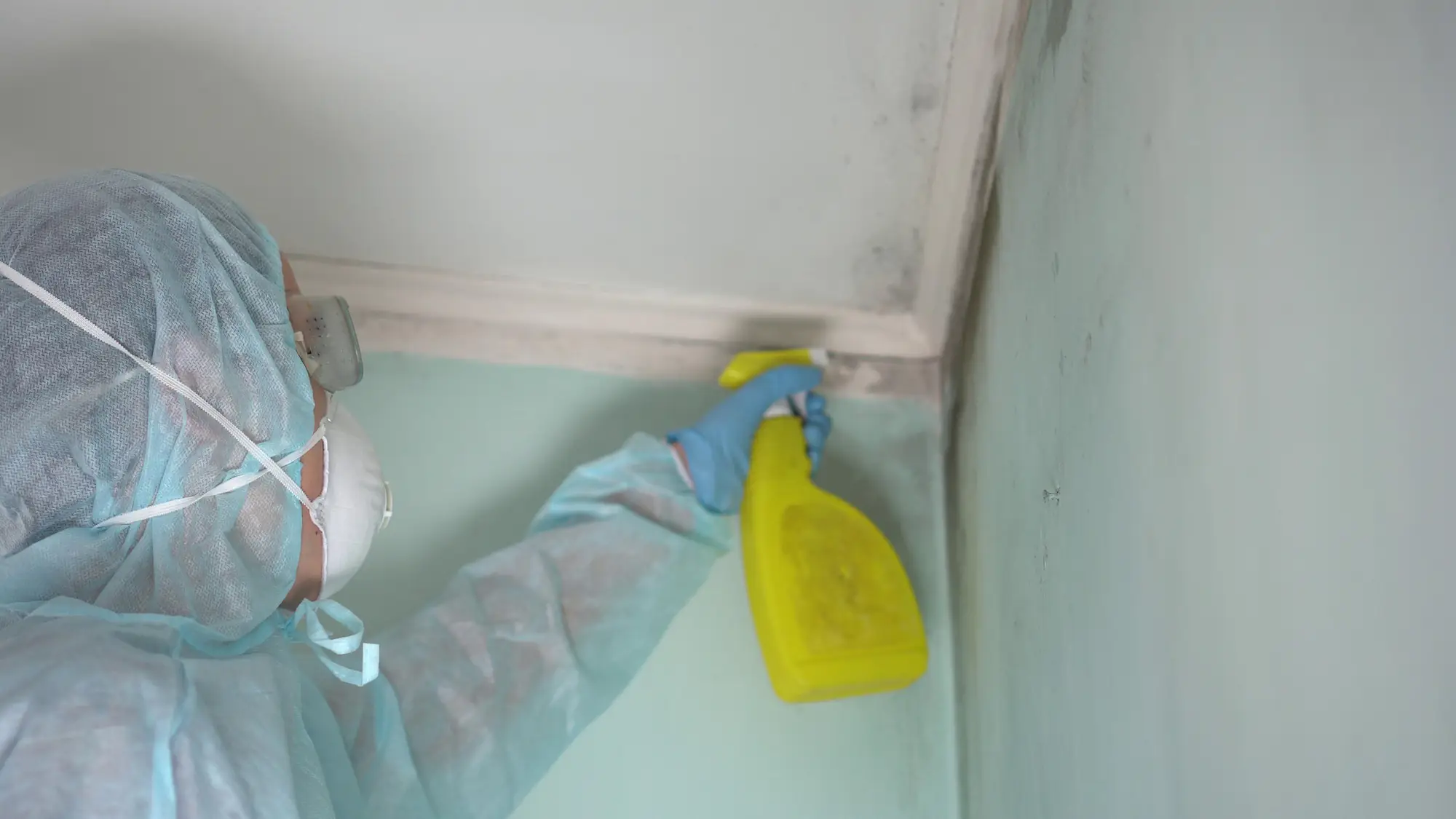
If someone in your home has unexplained respiratory symptoms—coughing, wheezing, sore throat, itchy eyes—that get better when they leave the house, that’s a sign. Same goes for persistent musty odors, visible mold growth, or a history of water damage or flooding.
You might also want testing if you’re buying or selling a home in East Falls, especially an older property. A mold air test gives you documentation and peace of mind before closing. And if you’ve just finished mold remediation, a clearance test confirms the air is actually clean and safe again.
Some people test just because they want to know. Maybe you have young kids, someone with asthma, or you’re just careful about what your family is exposed to. There’s no wrong reason to check. It’s your home and your health.
A mold inspection is visual. We look for signs of growth, moisture problems, water stains, and conditions that support mold. It’s helpful, but it doesn’t tell you what’s in the air or identify specific mold types.
Air testing goes further. We collect samples and send them to a lab that identifies the species of mold, counts the spores, and compares your indoor levels to what’s outside. That tells you if you have an indoor problem or if you’re just dealing with normal environmental mold.
If you see mold or smell it, you might not need air testing—you already know there’s a problem. But if your symptoms suggest mold and you can’t find the source, or if you want to confirm that remediation worked, air testing gives you the data you need. It’s not required for every situation, but it’s the most accurate way to know what’s actually happening in your home.
The on-site part usually takes one to two hours, depending on the size of your home and how many areas we’re testing. We’re not rushing through it, but we’re also not wasting your time.
We’ll spend time talking with you first, then move through the house collecting air samples, checking moisture levels, and taking photos. If we need to test multiple floors or a large basement, it might take a bit longer.
After we leave, the samples go to the lab. You’ll have results in three to five business days. We’ll call you to go over the report, answer questions, and talk through next steps if anything needs attention. If you need results faster for a real estate transaction or urgent health concern, let us know—we can sometimes expedite lab processing for an additional fee.
Air testing can suggest hidden mold if your indoor spore counts are significantly higher than outdoor levels, especially for certain species that don’t travel well and indicate an indoor source. But air testing alone won’t pinpoint the exact location.
That’s where moisture meters and infrared cameras come in. We use thermal imaging to detect temperature differences that indicate moisture or poor insulation, and moisture meters to measure what’s happening inside walls, ceilings, and floors. If we find elevated moisture in a wall cavity and your air test shows high mold levels, that’s a strong indicator.
In some cases, we might recommend a small exploratory opening to visually confirm what’s behind the drywall before you pay for a big remediation job. We’d rather you spend money on solving the actual problem than guessing. The combination of air testing, moisture detection, and visual inspection gives you the most complete picture of what’s going on in areas you can’t see.
It depends on how many samples you need and what type of testing makes sense for your situation. A basic mold air test with a couple of samples usually starts around a few hundred dollars. More comprehensive testing with multiple rooms, surface samples, and moisture mapping costs more.
We don’t believe in one-size-fits-all pricing because every home is different. A small rowhome in East Falls with one damp basement is a different job than a three-story property with multiple bathrooms and a finished attic.
We offer free initial inspections so we can see what you’re dealing with and give you an accurate quote. No surprises, no upselling. We’ll explain what we recommend testing, why it matters, and what it costs. If you don’t need something, we won’t include it. And if your insurance covers mold testing after a water loss, we’ll work with them and provide the documentation they need.
You can, but the results are usually limited. Most DIY kits only tell you if mold is present, not what kind or how much. They don’t compare your indoor levels to outdoor baselines, so you don’t know if what you’re seeing is actually a problem or just normal environmental mold.
Some kits also require you to mail samples to a lab yourself, and the quality of the sample collection matters. If you don’t place the test correctly or leave it out for the wrong amount of time, the results won’t be reliable.
Professional air quality testing uses calibrated equipment, controlled sampling methods, and accredited labs that follow industry standards. You get spore counts, species identification, and a report you can use for remediation, insurance claims, or real estate transactions. If you’re trying to make a decision about your health or spending money on mold removal, it’s worth getting accurate data the first time. DIY kits might save you money upfront, but they often lead to more questions than answers.
Other Services we provide in East Falls