
Hear from Our Customers
You’re not looking for a sales pitch. You want to know if there’s mold, what kind it is, and whether it’s a problem worth fixing.
That’s what professional mold testing does. We collect air and surface samples from your East Falls home, send them to an independent lab, and get back results that tell you exactly what’s growing and at what concentration. No guessing. No trying to diagnose it yourself with a hardware store kit that may or may not be accurate.
If you’ve noticed a musty smell, seen discoloration on walls, or dealt with a leak that you’re not sure was fully dried out, testing gives you documentation. Real data. The kind insurance companies actually accept if you need to file a claim. The kind that helps you make a decision based on facts, not fear.
East Falls homes deal with humidity from Philadelphia’s coastal climate and a lot of older construction that wasn’t built with modern ventilation. That combination creates conditions where mold can grow quietly in basements, behind walls, or under flooring. Testing finds it before it spreads.
We work throughout Bucks, Montgomery, Delaware, Chester, and Philadelphia County. We’ve tested hundreds of homes in neighborhoods like yours, where older rowhomes and limited airflow make mold a recurring issue.
We’re not a franchise. We’re a local mold testing and remediation company that uses the same equipment and lab partnerships that industrial hygienists rely on. That means Air-O-Cell cassettes for sampling and analysis through Eurofins, one of the most trusted microbiology labs in the country.
When you call us, you’re talking to someone who understands what East Falls homeowners deal with. Humid summers. Aging basements. Properties that have been through decades of weather and wear. We know what to look for and how to document it properly.
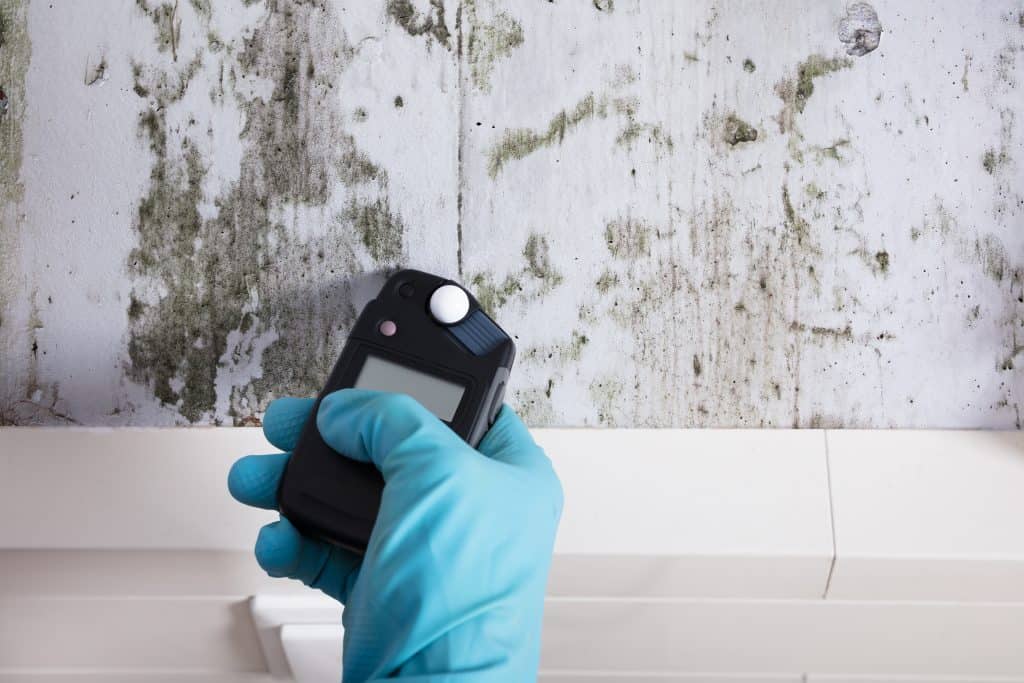
We start with a visual inspection of your property. That means walking through your home, checking areas where moisture tends to accumulate—basements, bathrooms, kitchens, attics, crawl spaces. We use moisture meters and thermal imaging to detect water intrusion you can’t see with your eyes.
Then we collect samples. Air samples capture spores that are floating around, even if you don’t see visible mold. Surface samples test areas where you’ve noticed discoloration or suspect growth. We also take a control sample from outside your home so the lab can compare indoor vs outdoor spore levels.
Those samples go to the lab in sealed cassettes. The lab cultures them, identifies the species, and measures concentration levels. You get a report that breaks down what was found, where it was found, and whether the levels are elevated compared to normal outdoor air.
The whole process takes about an hour onsite. Lab results come back in three to five business days. Once we have them, we walk you through what they mean and what your options are. If remediation is needed, we explain the scope. If it’s a minor issue, we’ll tell you that too.
Ready to get started?
A mold inspection from us includes a full visual assessment, moisture detection with professional-grade meters, thermal imaging to locate hidden water damage, and two air samples as a baseline. If you need additional surface samples or want to test specific rooms, we can add those.
You also get a detailed report from the lab with species identification and concentration levels. That report is yours to keep, share with your insurance company, or use when selling your home. It’s documentation that holds up.
In East Falls, we see a lot of basement mold tied to poor drainage and older foundation construction. We also see bathroom mold from inadequate exhaust fans and kitchen mold near sinks or dishwashers where small leaks go unnoticed. Philadelphia’s humidity makes all of it worse during summer months when spore counts are naturally higher.
Testing helps you understand whether what you’re seeing is surface-level or structural. It tells you if the mold is a common outdoor variety that drifted in or a species like Stachybotrys (black mold) that indicates a serious moisture problem. That difference matters when you’re deciding how to respond.
Mold testing in Pennsylvania typically starts around $300 for a basic inspection with two air samples. That includes the visual assessment, moisture detection, sample collection, and lab analysis.
If you need more than two samples—say you want to test multiple rooms or take surface samples in addition to air samples—the cost goes up. Most residential inspections with a few extra samples fall between $400 and $650. Whole-house testing with comprehensive sampling can reach $800, but that’s less common unless you’re dealing with a known issue across multiple floors.
The price covers real lab work. We’re not handing you a petri dish and telling you to wait a few days to see what grows. The samples go to Eurofins, where they’re analyzed under a microscope by certified technicians who identify species and measure concentrations. That’s the level of detail you need if you’re filing an insurance claim or trying to figure out whether remediation is necessary.
You can, but the results won’t be as useful. Most DIY kits test whether mold is present, which isn’t really the question you need answered. Mold spores exist everywhere—indoors and outdoors. What matters is the type of mold and the concentration.
DIY kits don’t measure concentration. They also don’t give you a comparison to outdoor air, which is how you know if your indoor levels are elevated. And they don’t come with professional documentation, so if you’re trying to make a case to your insurance company or need proof for a real estate transaction, a home kit won’t cut it.
Professional testing uses equipment that captures both living and dead spores. It follows standardized procedures that labs recognize. And it gives you a report you can actually use to make decisions. If you’re dealing with a potential health risk or a property issue, spending $300 to get accurate information is a lot cheaper than guessing wrong and either ignoring a real problem or paying for remediation you didn’t need.
The most common indoor molds in this area are Cladosporium, Penicillium, Aspergillus, and Alternaria. These are species you’ll find in most homes at low levels, and they’re usually not a major concern unless concentrations are high.
Stachybotrys—often called black mold—is less common but more serious. It grows on materials with high cellulose content, like drywall and wood, and it needs consistent moisture. If you’ve had a leak or flooding that wasn’t dried out within 48 hours, Stachybotrys is a possibility. It’s toxic and requires professional remediation.
East Falls homes, especially older rowhomes with damp basements, tend to have higher humidity levels that support mold growth. Poor ventilation makes it worse. If your bathroom doesn’t have an exhaust fan or your basement doesn’t have a dehumidifier, you’re creating an environment where mold can thrive. Testing identifies which species are present so you know whether you’re dealing with a cosmetic issue or a health hazard.
Lab results typically take three to five business days from the time we collect samples. The lab needs time to culture the samples and identify the species under a microscope.
Some labs offer rush processing for an additional fee, which can get you results in 24 to 48 hours. We don’t usually recommend that unless you’re in a time-sensitive situation—like a real estate closing or an urgent health concern.
Once we get the results, we’ll call you to go over what was found. The report breaks down each sample by location, species, and concentration. We’ll explain what the numbers mean, whether the levels are elevated compared to outdoor air, and what your next steps should be. If remediation is needed, we’ll give you a scope and a quote. If the levels are normal, we’ll tell you that too.
It’s not required, but it’s smart—especially if you’re buying an older property. East Falls has a lot of homes built in the early 1900s with basements that were never designed to stay dry. If the seller hasn’t addressed drainage or ventilation issues, there’s a good chance mold is growing somewhere.
A standard home inspection doesn’t usually include mold testing. The inspector might note visible mold or moisture issues, but they won’t tell you what type of mold it is or how widespread the problem is. Testing gives you that information before you close.
If the test comes back with elevated levels, you have leverage to negotiate repairs or a price reduction. If it comes back clean, you have peace of mind. Either way, spending a few hundred dollars on testing is a lot cheaper than discovering a mold problem after you’ve already moved in. Remediation can cost thousands, and if the seller knew about it and didn’t disclose it, you’re stuck with the bill.
If the lab finds elevated mold levels, the next step is figuring out the source of moisture. Mold doesn’t grow without water, so whether it’s a leak, condensation, high humidity, or poor ventilation, something is feeding it.
We’ll identify where the moisture is coming from and recommend how to fix it. That might mean repairing a pipe, improving ventilation, installing a dehumidifier, or addressing drainage around your foundation. Once the moisture source is controlled, we can remove the mold.
Remediation involves containment to prevent spores from spreading, removal of contaminated materials, HEPA vacuuming, and antimicrobial treatment. For small areas under 10 square feet, you might be able to handle it yourself. For anything larger, or if the mold is Stachybotrys, you need a professional. We follow EPA guidelines and use proper safety protocols to make sure the job is done right. After remediation, we can do post-testing to confirm the mold is gone.
Other Services we provide in East Falls