
Hear from Our Customers

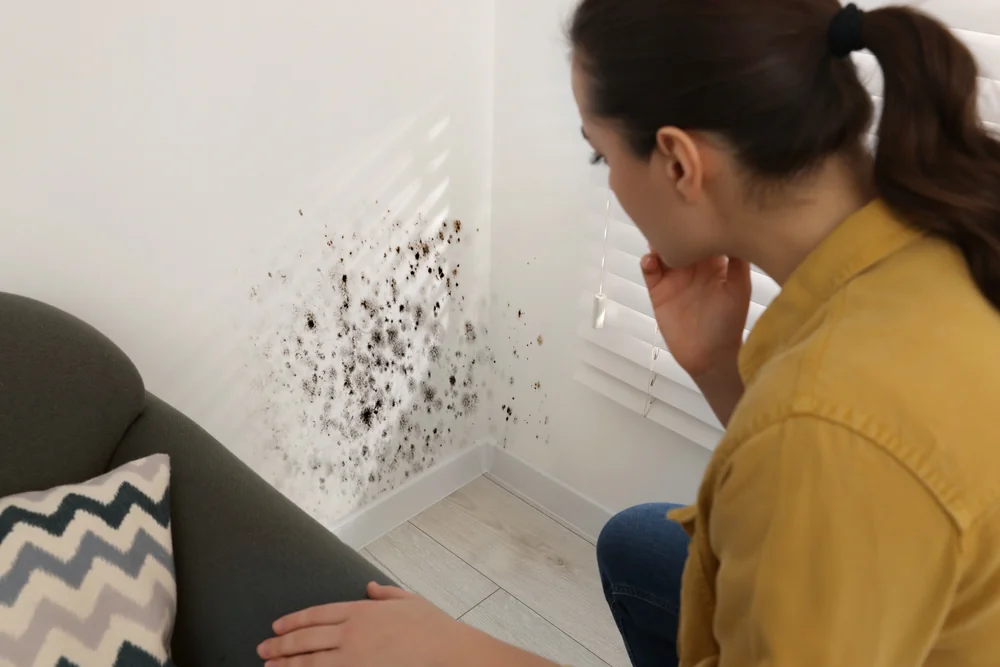
You’ve noticed the symptoms. Headaches that won’t quit. Allergies that flare up the second you walk in the door. Fatigue that doesn’t match your sleep. You’ve blamed the weather, the season, stress—but what if it’s your air?
Most people wait until there’s visible mold or a smell they can’t ignore. By then, you’ve been breathing contaminated air for weeks or months. A home air quality test gives you answers before the damage gets worse.
We use professional-grade equipment to measure what’s actually in your air—mold spores, allergens, volatile organic compounds, carbon monoxide. You get a full picture of what’s affecting your health, not a guess based on how things look. That’s the difference between reacting to a problem and catching it early.
We serve Cottageville and the surrounding Bucks County area with residential air quality testing you can trust. We’re not a national franchise with a script—we’re local, and we understand how Pennsylvania’s humid summers and wet springs create the perfect conditions for mold and indoor air problems.
We’ve seen what happens when homeowners ignore moisture issues or assume their air is fine because they can’t see anything wrong. We’ve also seen the relief people feel when they finally know what’s causing their symptoms. Our team uses state-of-the-art equipment—infrared cameras, moisture meters, air sampling tools—to give you accurate results, not guesswork.
We offer free inspections because we want you to understand what’s happening in your home before you commit to anything. No pressure, no upselling. Just honest answers about your indoor air quality.

We start with a free inspection where we walk through your home and talk about what you’ve noticed—symptoms, odors, visible moisture, areas that feel off. This helps us understand where to focus our testing.
Next, we use a combination of visual inspection and technology. Infrared cameras detect temperature differences that indicate moisture behind walls. Moisture meters measure humidity levels in materials where mold loves to grow. We take air samples from different rooms to capture what’s floating around that you’re breathing in daily.
Surface testing comes into play if we see potential mold growth. We collect samples and send them to a lab for analysis so you know exactly what type of mold or contaminant you’re dealing with. The lab results tell us concentration levels and help determine whether remediation is necessary.
Once testing is complete, we sit down with you and explain the results in plain language. You’ll know what pollutants are present, where they’re coming from, and what your options are. If remediation is needed, we walk you through that process too—but the testing itself gives you the information to make an informed decision.
Ready to get started?
Cottageville sits in a region where humidity isn’t just uncomfortable—it’s a health risk. Bucks County’s climate means your home deals with moisture from spring rains, summer humidity that pushes past 60%, and winter condensation from heating systems. All of that creates ideal conditions for mold, dust mites, and other allergens that thrive in damp environments.
When we test your indoor air quality, we’re looking for the pollutants most common in this area. Mold spores are the obvious one, but we also check for volatile organic compounds from household products, carbon monoxide from heating systems, and particulate matter that gets trapped in well-sealed homes. Pennsylvania homes are often older with basements prone to moisture—that’s where a lot of problems start.
A mold air test is part of the process, but it’s not the only thing we measure. You might have elevated levels of allergens even without visible mold growth. You might have ventilation issues that trap pollutants indoors. Our testing identifies all of it so you’re not just treating symptoms—you’re addressing the actual source of your air quality problems.
If anyone in your household is experiencing unexplained respiratory issues, frequent headaches, worsening allergies, or fatigue that improves when you leave the house, that’s a strong sign your indoor air quality needs attention. These symptoms often mimic colds or seasonal allergies, which is why people dismiss them—but if they’re persistent and location-specific, your air is the likely culprit.
You should also consider testing if you’ve had recent water damage, notice musty odors, see condensation on windows regularly, or live in an older home with a basement. Cottageville’s humid climate means moisture problems are common, and moisture leads directly to mold growth and poor air quality. Even if you don’t see visible mold, spores can be circulating through your HVAC system.
Testing is also smart if you’re buying or selling a home. It gives you documentation of air quality conditions and protects you from future liability. Many of the most dangerous air pollutants—like carbon monoxide—are completely invisible and odorless, so you won’t know there’s a problem until you test for it.
DIY test kits can tell you if mold is present, but they don’t tell you what type, how much, or where it’s coming from. They also can’t measure the full range of pollutants affecting your air—volatile organic compounds, carbon monoxide, particulate matter, allergens. You’re getting a fraction of the information you need to actually solve the problem.
Professional air quality testing uses calibrated equipment that measures concentration levels accurately. We use infrared cameras to find hidden moisture sources, moisture meters to check materials you can’t see, and lab-analyzed air samples that identify specific contaminants. That level of detail matters because different molds require different remediation approaches, and some are far more hazardous than others.
The other issue with DIY testing is interpretation. You might get a result that says mold is present, but you won’t know if the levels are normal for a home or dangerously elevated. You won’t know if the mold is active or dormant. Professional testing gives you context and a clear path forward, not just a yes-or-no answer that leaves you guessing what to do next.
The on-site inspection and testing usually take between one and three hours, depending on the size of your home and the scope of concerns. We’re not rushing through it—we’re checking every area that could be contributing to poor air quality, from your basement to your HVAC system to rooms where you’ve noticed symptoms.
Air samples and surface samples get sent to a lab for analysis, which typically takes three to five business days. Once we receive the lab results, we schedule a follow-up to go over everything with you. You’ll get a detailed report that breaks down what was found, concentration levels, and what it means for your health and your home.
If we find something that requires immediate attention—like dangerous levels of carbon monoxide or active mold growth in a high-traffic area—we’ll let you know right away so you can take action while waiting for the full lab results. The goal is to give you accurate information quickly enough to make decisions without unnecessary delays.
No. Air quality testing is non-invasive. We use technology like infrared cameras and moisture meters that detect problems without cutting into drywall or disturbing your home’s structure. Air sampling involves placing collection devices in rooms for a set period—there’s no mess, no holes, no repairs needed afterward.
Surface testing might involve swabbing an area where we see potential mold growth, but that’s as invasive as it gets. If we suspect hidden mold behind a wall or under flooring, the infrared camera usually gives us enough information to pinpoint the location without exploratory demolition. In rare cases where we need to confirm what’s behind a surface, we’ll discuss that with you first and get your approval before proceeding.
The testing process is designed to gather information, not create more work for you. You can go about your day while we’re working, and your home will look exactly the same when we’re done—just with answers you didn’t have before.
First, we explain exactly what was found, where it’s located, and what’s causing it. Not all mold requires full remediation—sometimes improving ventilation or fixing a moisture source is enough. We’re not here to oversell you on services you don’t need, so we’ll be straight about what’s necessary and what’s optional.
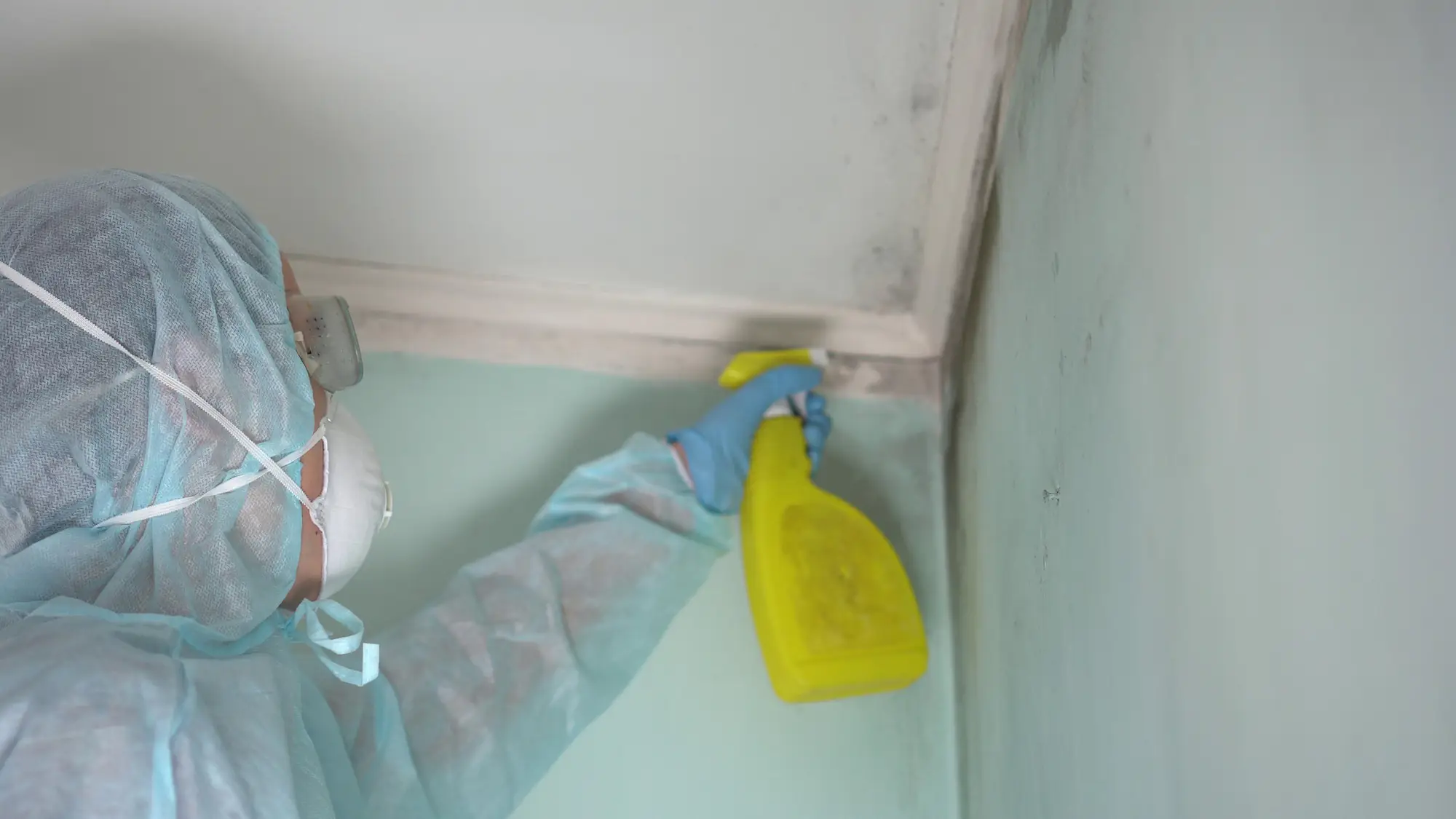
If remediation is required, we walk you through the process step by step. That includes containment to prevent spores from spreading, removal of contaminated materials, treatment of affected areas, and verification testing afterward to confirm the air is clean. We follow EPA standards for safe mold remediation, and we can work with your insurance company if your policy covers the damage.
You’ll also get recommendations for preventing future problems—things like dehumidifiers, better ventilation, gutter maintenance, or basement waterproofing. The goal isn’t just to fix what’s wrong now, but to keep your air quality healthy long-term. We’re local, so if issues come up down the road, you know who to call.
Cost depends on the size of your home and the scope of testing you need. A basic indoor air quality test for a standard-sized home typically ranges from a few hundred dollars to around $600, depending on how many samples we’re collecting and what we’re testing for. More comprehensive testing that includes multiple air samples, surface samples, and detailed lab analysis will be higher.
We offer free inspections, which means we come out, assess your situation, and give you a clear quote before you commit to anything. No surprise fees, no pressure. If your air quality issues are related to water damage or mold that’s covered by your homeowner’s insurance, we can work with your insurance company to help with the claims process.
The cost of testing is small compared to what you’ll pay if you ignore the problem. Mold remediation after months of unchecked growth can run into the thousands. Health issues from prolonged exposure to poor air quality can cost even more. Testing gives you the information to act early, which almost always saves money in the long run.
Other Services we provide in Cottageville