
Mold Testing in Nicetown-Tioga, PA

Know What You're Dealing With Before You Pay

Professional mold testing gives you the facts you need to make smart decisions about your home, your health, and your money.
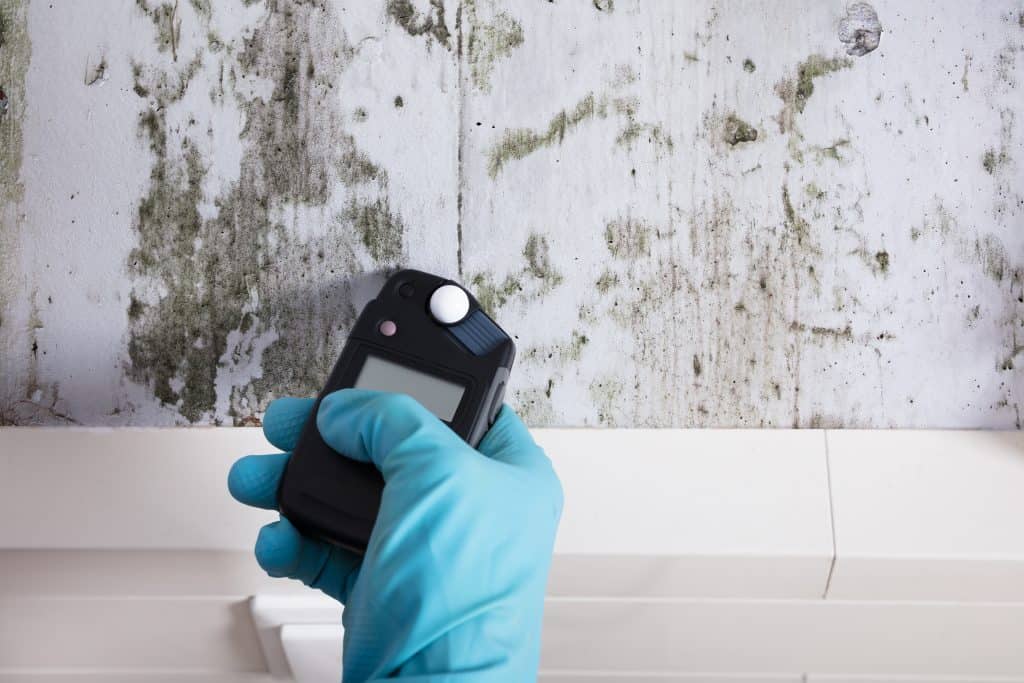
Hand wearing blue glove holding a digital moisture meter against a mold‑stained interior wall, testing dampness and water damage near a tiled surface.

Hear from Our Customers

Hand using a digital moisture meter to test a mold‑affected interior wall near the floor, detecting damp conditions and potential water damage.

Professional Mold Testing Services

Stop Guessing and Start Knowing What's Actually There

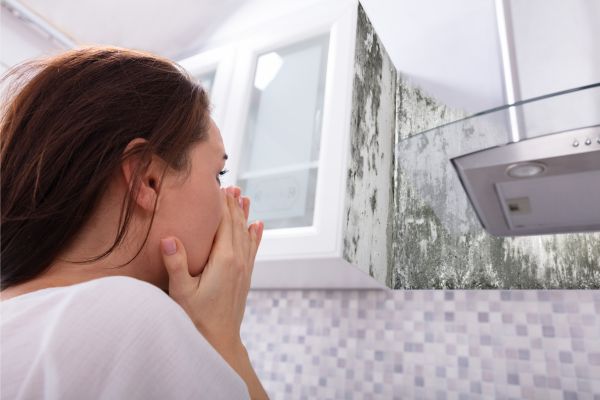
You’ve noticed the musty smell. Maybe someone in your house has been coughing more than usual, or you spotted discoloration on a wall after that leak last month. Now you’re wondering if it’s mold, what kind it is, and whether you need to drop thousands on remediation.

Here’s what matters: not all mold problems are the same. Some require immediate action. Others don’t. But you can’t know which is which without proper testing.

Professional mold testing identifies what’s growing in your home, where it’s coming from, and how much of it is in your air. That information tells you whether you’re dealing with a minor issue or something that needs professional remediation. It also gives you documentation if you’re filing an insurance claim or selling your home.

You get lab results that show exactly what species are present and at what concentration. No guessing. No unnecessary panic. Just facts that help you decide what to do next.

Mold Testing Company Nicetown-Tioga

We Test Mold, We Don't Remove It

We’ve been handling mold issues in Philadelphia since 1997. We know how this city’s humid summers and aging rowhouses create perfect conditions for mold growth, especially in neighborhoods like Nicetown-Tioga where many homes were built before modern moisture control standards existed.

Here’s what makes us different: we only do testing and inspection. We don’t perform remediation. That means when we tell you what’s in your home, you’re getting an unbiased assessment, not a sales pitch for a five-figure cleanup job.

We’ve seen every type of mold problem Philadelphia throws at homeowners. Basement seepage, HVAC condensation, roof leaks, bathroom ventilation issues. We know what to look for and where to find it, even when it’s hiding behind walls or under floors.

Laboratory technician handling petri dishes with microbial samples using blue gloves and precision equipment, conducting mold or bacteria testing in a controlled lab environment.

How Mold Testing Works

What Happens During a Mold Inspection

First, we walk through your property and identify areas where mold is likely growing. We’re looking for visible signs, but also moisture issues, ventilation problems, and structural conditions that create mold-friendly environments.

We use moisture meters and infrared cameras to detect hidden moisture behind walls, under floors, and in other places you can’t see. Mold needs moisture to grow, so finding wet areas tells us where to focus.

Then we collect samples. Air samples capture airborne spores throughout your home. Surface samples test visible growth to identify species. We also take outdoor air samples for comparison, because some mold is always present in outdoor air.

Those samples go to an accredited lab for analysis. You get a detailed report showing what species were found, at what concentration, and where. The report also compares your indoor levels to outdoor levels, which helps determine if you have an actual problem or just normal background mold.

Results typically come back within three to seven days. Once you have them, you know exactly what you’re dealing with and can make informed decisions about next steps.

A hand holds a digital moisture meter against a white wall covered with black mold spots, checking for moisture content and potential water damage.

Ready to get started?

Explore More Services

About Mack's Mold Removal

Residential Mold Testing Nicetown-Tioga

What You Actually Get From Professional Testing

You get a complete visual inspection of your property, including areas most homeowners never check. Crawl spaces, attics, behind appliances, inside HVAC systems. We document everything with photos and notes.

You get scientific sampling using EPA-compliant protocols. Air sampling detects airborne spores you’re breathing. Surface sampling identifies what’s growing on walls, floors, or other materials. Moisture mapping shows you where water problems exist, even if you can’t see them yet.

The lab analysis identifies specific mold species. That matters because different species pose different health risks. Stachybotrys chartarum, commonly called black mold, produces mycotoxins that can cause serious respiratory problems. Other species are less dangerous but still indicate moisture problems that need fixing.

You also get a written report that insurance companies and real estate attorneys actually accept. If you’re filing a claim or disclosing conditions during a home sale, you need documentation from a certified professional, not a DIY test kit from the hardware store.

Philadelphia’s climate makes mold testing especially important here. The city gets significant rainfall throughout the year, and Nicetown-Tioga’s older housing stock wasn’t built with modern vapor barriers or ventilation systems. Basement moisture, poor drainage, and outdated window seals create conditions where mold thrives. Testing tells you if those conditions have already created a problem.

Protective worker wearing safety gear inspecting mold and moisture damage along an indoor wall and ceiling corner during a home mold assessment.

How much does mold testing cost in Nicetown-Tioga?

Most residential mold inspections in Nicetown-Tioga run between $299 and $472, depending on your home’s size and how many samples we need to collect. A typical rowhome inspection with air and surface sampling usually falls in the $300 to $400 range.

That might sound like a lot until you consider what professional remediation costs. The average mold removal job in Philadelphia runs around $2,200, with larger projects hitting $3,400 or more. If you don’t actually need remediation, testing saves you thousands. If you do need it, testing tells you exactly what needs to be done so you’re not paying for unnecessary work.

Testing also costs less than dealing with health problems that come from breathing mold spores for months. Respiratory issues, allergic reactions, and chronic sinus problems add up fast in doctor visits and missed work.

You can, but those kits won’t tell you what you actually need to know. Most DIY kits just confirm that mold is present, which isn’t useful because mold exists in every home. What matters is what type of mold you have, how much of it, and where it’s coming from.

Home test kits don’t measure airborne spore concentrations. They don’t compare your indoor air to outdoor air. They don’t identify specific species. And they definitely don’t find hidden mold growing behind walls or under floors.

Insurance companies and real estate transactions also won’t accept results from a hardware store test kit. You need documentation from a certified professional using EPA-compliant protocols. That’s what holds up legally and what insurance adjusters actually trust when you file a claim.

Aspergillus and Penicillium are the most common species we find in Philadelphia homes. They grow on drywall, insulation, carpet, and other porous materials when moisture levels stay elevated. They’re not as dangerous as black mold, but they still trigger allergic reactions and respiratory problems, especially in kids and elderly residents.

Stachybotrys chartarum, the black mold everyone worries about, shows up less frequently but usually indicates serious moisture problems. It grows on materials with high cellulose content like drywall and wood when they stay wet for extended periods. It produces mycotoxins that can cause significant health issues.

Cladosporium is another common one in Philadelphia. It grows in cooler areas like basements and crawl spaces, which makes it especially common in Nicetown-Tioga’s older rowhomes where basement moisture is a constant issue. It’s usually less toxic than Stachybotrys, but it still causes allergy symptoms and asthma attacks.

Lab results typically come back within three to seven days after we collect samples. The timeline depends on how many samples we send and what type of analysis the lab performs. Basic species identification comes back faster than detailed mycotoxin analysis.

We send samples to accredited labs that follow strict protocols for accuracy. That takes longer than instant results from a DIY kit, but it’s also the difference between guessing and knowing exactly what’s in your home.

Once results arrive, we review them with you and explain what they mean in plain language. You’ll know what species were found, at what concentration, and whether those levels indicate a problem that needs remediation. You’ll also get recommendations for next steps based on what the testing revealed.

Pennsylvania law requires home sellers to disclose known material defects, which includes mold problems. If you’ve had water damage, noticed musty odors, or seen visible mold, buyers will likely ask about it during inspection. Having professional test results ready shows you’ve been transparent and gives buyers confidence.

Testing before you list also prevents surprises during the buyer’s inspection. If their inspector finds mold and you didn’t disclose it, you’re negotiating from a weak position. They might demand remediation, ask for a price reduction, or walk away entirely.

If testing shows you do have a problem, you can address it before listing. That’s better than discovering it mid-sale when you’re under pressure and short on time. Clean test results also give you documentation to show buyers that your home is in good condition, which can actually help your sale move faster.

A mold inspection is the visual assessment where we examine your property, identify moisture problems, and locate areas where mold is likely growing. We use moisture meters, infrared cameras, and our experience to find issues you might not notice.

Mold testing is the lab analysis part. We collect air samples, surface samples, or bulk samples and send them to a lab for species identification and spore count analysis. Testing gives you scientific data about what’s actually present and at what concentration.

You usually need both. The inspection finds the problems and guides where we sample. The testing confirms what species are present and whether levels are high enough to require action. Together, they give you a complete picture of your mold situation and what you need to do about it.

Other Services we provide in Nicetown–Tioga