
Hear from Our Customers
You can’t fix what you can’t see. And you shouldn’t make decisions about your home based on assumptions or a visual check that only scratches the surface.
Professional mold testing tells you exactly what type of mold is present, how much of it there is, and whether the levels in your home are higher than what’s normal outdoors. That’s the difference between wondering if you have a problem and knowing for sure.
DIY test kits from the hardware store can confirm mold exists, but they won’t tell you if it’s toxic black mold or harmless surface growth. They won’t show you what’s behind your drywall, under your floors, or circulating through your HVAC system. And they won’t give you the documentation you need if you’re filing an insurance claim or negotiating a real estate deal.
Testing gives you clarity. It tells you whether that musty smell in the basement is worth tearing into the walls or if it’s something you can handle with better ventilation. It shows you whether your kid’s persistent cough might be linked to what’s growing in the crawl space.
We’ve been serving Frankford and Bucks County for over 27 years. We’re certified mold inspectors trained in EPA-approved detection methods, and we’ve seen just about every mold situation this area can throw at a homeowner.
Frankford homes built in the ’80s and ’90s are especially vulnerable. A lot of them were constructed before modern moisture barriers became standard, and that means basements that flood every spring, crawl spaces that stay damp year-round, and attics that trap humidity all summer.
We know the local construction. We know the climate. And we know what to look for when a homeowner calls because something doesn’t smell right or their allergies won’t quit.
We start with a walkthrough. You tell us what you’ve noticed—smells, stains, health symptoms, recent water damage—and we take it from there.
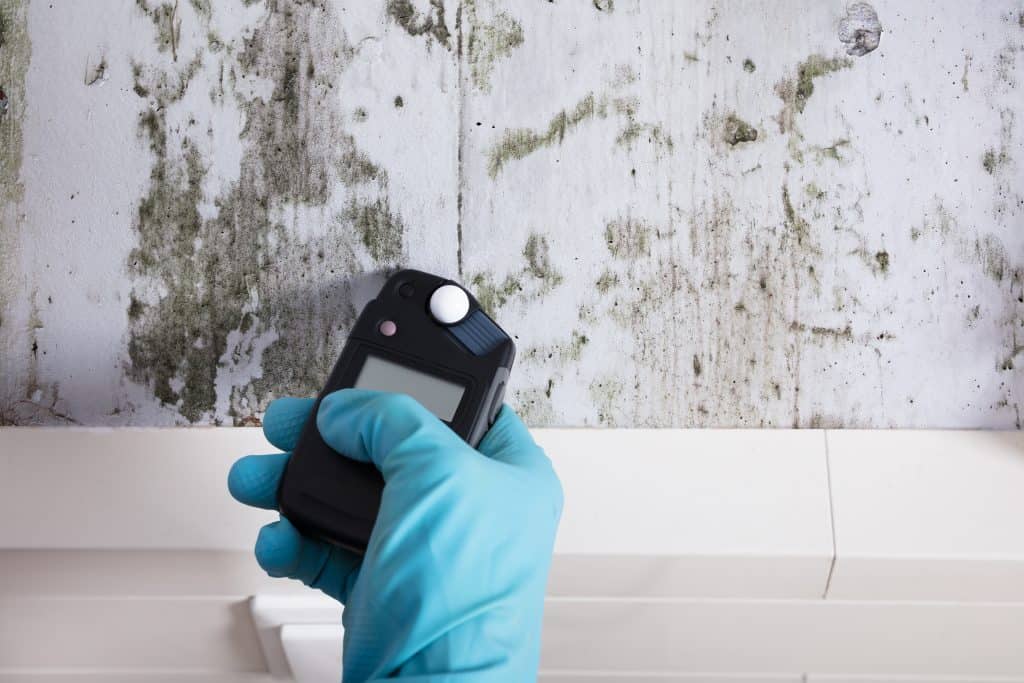
We inspect the usual suspects: basements, bathrooms, crawl spaces, attics, and anywhere water tends to collect or humidity lingers. But we also use thermal imaging and moisture meters to check behind walls, under flooring, and inside HVAC ducts where mold hides from view.
Air samples get collected in multiple rooms to measure spore concentration. Surface samples come from visible growth or suspicious areas. Everything gets sent to a nationally recognized lab for analysis.
You get a full report that identifies the mold species, shows concentration levels, compares indoor air quality to outdoor baselines, and explains what the results mean. If remediation is needed, the report tells you what needs to happen and gives you documentation for insurance or contractors.
Our testing equipment gets calibrated daily. Our inspectors are certified. And the labs we work with are the same ones used by environmental consultants and industrial hygiene professionals across the country.
Ready to get started?
A residential mold testing service includes a complete inspection of your home’s interior, air quality testing in multiple rooms, surface sampling from visible or suspected mold growth, and moisture mapping to identify problem areas.
In Frankford, that often means paying close attention to basements near the Frankford Creek floodplain, older homes with stone foundations that wick moisture, and properties with HVAC systems that haven’t been cleaned in years. Southeastern PA’s humid summers create the perfect environment for mold, and homes that sit in low-lying areas or near water tend to trap that moisture longer.
Testing also includes lab analysis that identifies specific mold species—because not all mold is created equal. Stachybotrys (black mold) requires a different response than Cladosporium or Penicillium. Knowing what you’re dealing with helps you make smarter decisions about remediation.
You’ll also get a written report with photos, lab results, moisture readings, and recommendations. That documentation is critical if you’re buying or selling a home, filing an insurance claim, or just trying to figure out whether you need full remediation or a targeted fix.
If you can see mold growing on surfaces and you’re confident about the source of moisture, you might not need testing. You already know there’s a problem, and the next step is remediation.
But if you’re dealing with symptoms like persistent coughing or sneezing that improve when you leave the house, a musty odor you can’t locate, or recent water damage where mold might be growing behind walls, testing is the smarter move. Visual inspections only catch what’s visible. Mold grows in hidden spaces—inside wall cavities, under flooring, in ductwork—and you won’t know it’s there until the problem gets worse.
Testing also makes sense if you’re buying a home and the seller had water damage in the past, or if you’re trying to get insurance coverage for remediation. You need documentation that shows what’s present and how severe it is.
DIY kits can tell you that mold exists, but they can’t tell you much beyond that. They don’t measure concentration levels, identify specific species, or show you where the mold is actually growing. And because mold spores are everywhere—indoors and out—a positive result from a DIY kit doesn’t necessarily mean you have a problem.
Professional mold testing uses calibrated equipment to measure air quality in multiple rooms, compare indoor spore levels to outdoor baselines, and identify the exact species present. Surface samples get analyzed in a lab, not just visually inspected. Thermal imaging and moisture meters detect hidden mold that a DIY kit will never find.
The report you get from professional testing is also something you can use. Insurance companies and real estate agents won’t accept results from a hardware store kit, but they will accept lab reports from certified inspectors.
The inspection itself usually takes one to two hours depending on the size of your home and how many areas need to be tested. We’re not rushing through it—we’re checking basements, crawl spaces, attics, HVAC systems, and anywhere else moisture or mold might be hiding.
Samples go to the lab the same day, and results typically come back within three to five business days. Rush testing is available if you’re in the middle of a real estate transaction or need answers faster for insurance purposes.
Once the lab results are in, we put together a full report with photos, moisture readings, spore counts, species identification, and recommendations. You’ll get a clear explanation of what the results mean and what your next steps should be—whether that’s remediation, improved ventilation, or just keeping an eye on a specific area.
Mold can absolutely grow back if the moisture problem isn’t fixed. Remediation removes the existing mold, but if the source of water or humidity is still there, you’re just buying time until it returns.
That’s why testing is valuable even after remediation. It confirms that spore levels are back to normal and that the work was done correctly. Some homeowners also do follow-up testing a few months later to make sure nothing’s growing back in the same spot.
The key is controlling moisture. That might mean fixing a leaky pipe, improving basement drainage, adding a dehumidifier, or sealing a crawl space. In Frankford, where basements flood during heavy rain and humidity sits heavy all summer, moisture control is ongoing. Testing helps you know whether your efforts are working or if mold is quietly returning.
It depends on your policy and the cause of the mold. Most homeowners insurance will cover mold testing and remediation if the mold resulted from a sudden, accidental event—like a burst pipe or storm damage. But if the mold developed over time due to poor maintenance or chronic moisture issues, coverage is less likely.
The best approach is to check your policy and call your insurance company before scheduling testing. Some insurers require you to use their preferred inspectors or contractors, while others will reimburse you for testing costs if mold is found and remediation is needed.
Either way, professional testing gives you the documentation you need to file a claim. Insurance companies want lab reports, moisture readings, and clear evidence that mold is present and poses a health or structural risk. A DIY test kit won’t cut it.
The most common types we find in Frankford are Cladosporium, Penicillium, Aspergillus, and Stachybotrys—also known as black mold. Cladosporium and Penicillium are everywhere and usually show up on damp surfaces like bathroom tiles or basement walls. They’re not always dangerous, but they can trigger allergies and respiratory issues.
Aspergillus is more concerning. It grows in water-damaged materials and can cause serious health problems for people with weakened immune systems or lung conditions. Stachybotrys is the one that gets the most attention because it produces mycotoxins and thrives in consistently wet environments—think flooded basements, leaking roofs, or drywall that stayed wet for days after a pipe burst.
Frankford’s climate and older housing stock create ideal conditions for all of these. Homes built in the ’80s and ’90s often lack proper moisture barriers, and basements near the Frankford Creek area are especially prone to flooding and high humidity. Testing identifies which species are present so you know whether you’re dealing with a minor issue or something that requires immediate remediation.
Other Services we provide in Frankford