
Hear from Our Customers

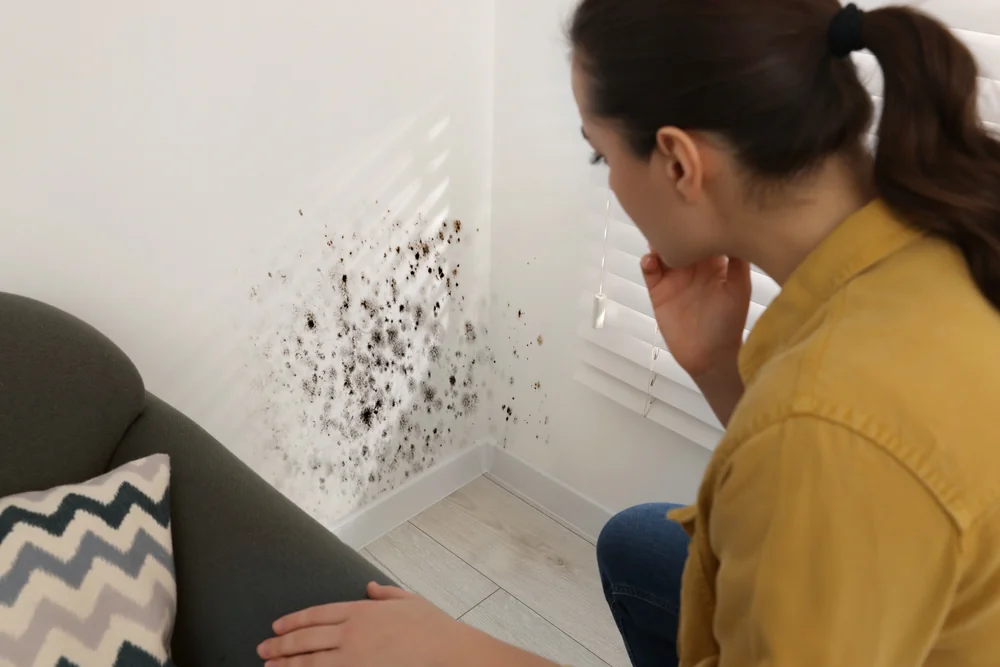
You can’t see mold spores. You can’t always smell them. But if they’re in your air, you’re breathing them—and so is everyone in your home.
A professional air quality test tells you exactly what’s in your indoor air. Not a guess. Not a pass-fail sticker from a hardware store kit. Actual lab results that identify the type of mold, the concentration levels, and whether your home has a problem that needs attention.
Early detection matters because mold doesn’t stay small. What starts as a moisture issue behind drywall can turn into a $10,000 remediation job if it spreads. It can also trigger asthma attacks in kids, cause respiratory issues in adults, and reduce your home’s value by up to 37% if left unchecked.
Testing gives you the facts. And facts let you make the right call—whether that’s peace of mind or a clear action plan.
We’ve been serving Frankford, PA and the surrounding areas with professional mold inspections and air quality testing for years. We know the homes here—the brick rowhouses, the basements that get damp after heavy rain, the crawl spaces that never quite dry out.
We’re not a national franchise reading from a script. We’re local, and we know exactly where moisture problems develop in this area. Our inspectors are certified, our equipment is professional-grade, and every sample we collect gets analyzed by an independent laboratory.
You get a full written report with lab results, photos, moisture readings, and clear recommendations. No upselling. No scare tactics. Just honest findings and straightforward next steps if action is needed.

We start with a visual inspection of your home. That means checking basements, crawl spaces, attics, bathrooms, and anywhere moisture tends to collect. We’re looking for visible mold, water stains, condensation issues, and any signs of past leaks or flooding.
Next, we use moisture meters and thermal imaging cameras to detect elevated humidity levels and hidden moisture behind walls or under floors. High moisture doesn’t always mean mold—but it’s the number one condition mold needs to grow.
Then we collect air samples from multiple locations inside your home and compare them to an outdoor baseline. This tells us if your indoor air has higher mold spore counts than what’s naturally present outside. The samples go to a certified lab for analysis, which identifies the exact species of mold and the concentration levels in your air.
You’ll receive a full report within a few days. It includes lab results, photos from the inspection, moisture readings, and a written summary that explains what we found and what it means. If there’s a problem, we’ll walk you through your options. If your air is clean, you’ll have documentation to prove it.

Ready to get started?
Every air quality test we perform includes a complete visual assessment of your property. We examine all the areas where mold typically grows—basements, bathrooms, kitchens, attics, and crawl spaces. We also check around windows, HVAC systems, and anywhere water damage has occurred in the past.
We take moisture readings throughout your home using professional-grade meters. Elevated moisture is the biggest predictor of mold growth, and catching it early can prevent a small issue from becoming a major problem. In Frankford, where many homes have older foundations and basements that deal with groundwater, this step is critical.
Air sampling is the core of the test. We collect samples from different rooms and send them to an independent laboratory for analysis. The lab identifies which mold species are present and measures their concentration levels. This gives you a clear picture of what’s actually in your air—not just whether mold exists, but how much and what kind.
You’ll also receive a detailed written report that includes all lab results, photographs, moisture data, and our professional recommendations. If remediation is needed, we’ll explain the scope and cost upfront. If your air quality is fine, you’ll have peace of mind and documentation to back it up.
Most residential air quality tests in Frankford range from $300 to $600, depending on the size of your home and how many air samples are needed. That typically includes the inspection, moisture readings, air sampling from multiple locations, lab analysis, and a full written report.
Some companies charge extra for things like thermal imaging or additional sample locations. We provide upfront pricing so you know exactly what you’re paying for before we start. Many homeowners insurance policies cover mold inspections if they’re related to water damage, so it’s worth checking with your provider.
If you’re buying or selling a home, some inspection companies offer air quality testing as an add-on to a standard home inspection. That can sometimes reduce the cost. But if you’re dealing with unexplained health symptoms, musty odors, or visible moisture problems, a dedicated mold inspection with lab-certified air testing is the smarter move.
DIY kits test whether mold is present—but they don’t tell you how much, what type, or whether it’s actually a problem. Most kits use petri dishes that collect whatever lands on them, which can include harmless outdoor spores that drifted in through an open window. You’ll get a result that says “mold detected,” but no context about whether that’s normal or dangerous.
Professional air quality testing measures the concentration of mold spores in your indoor air and compares it to outdoor levels. If your indoor count is significantly higher, that’s a red flag. The lab analysis also identifies the specific species of mold, which matters because some types are more harmful than others.
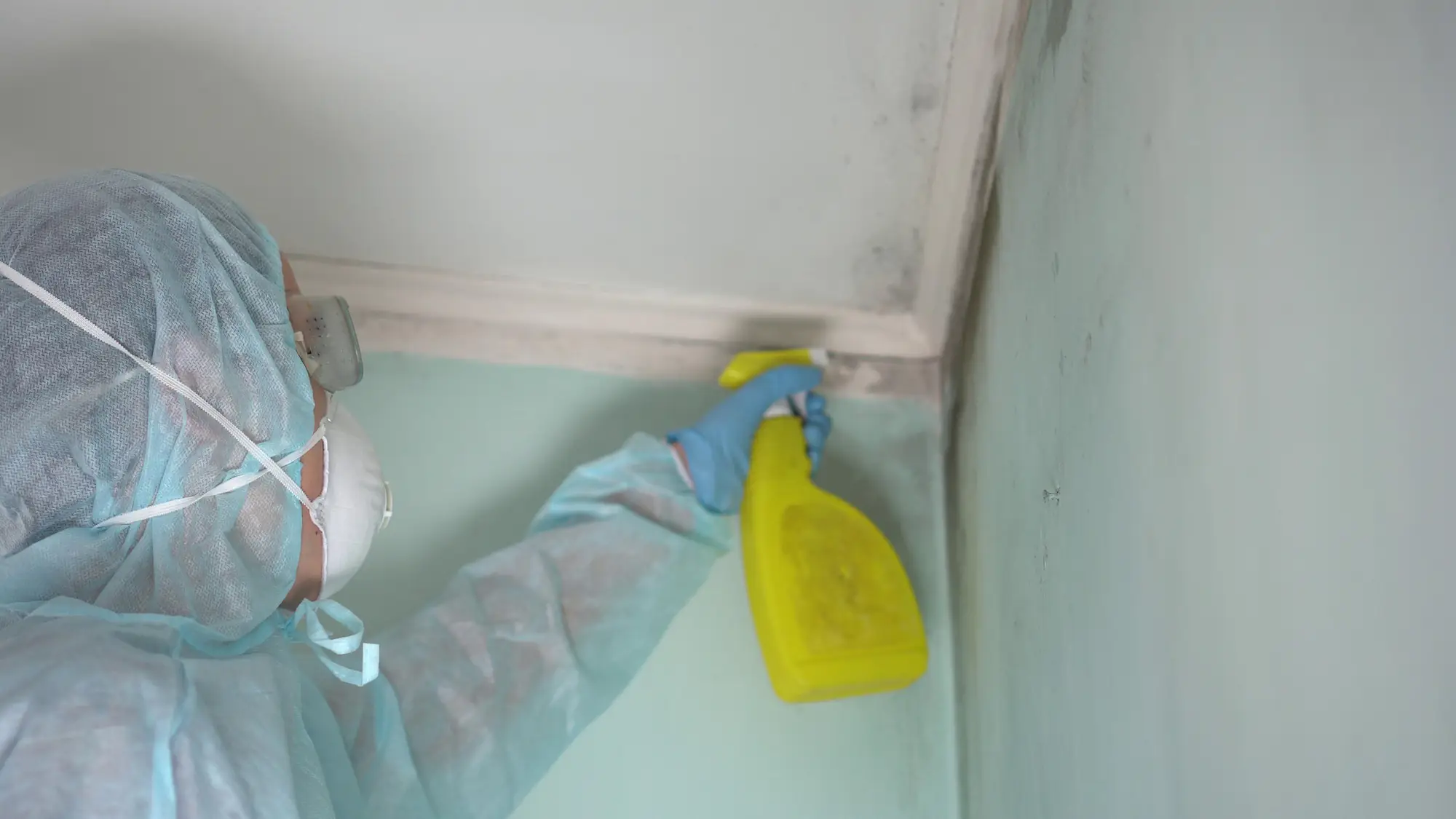
We also use moisture meters and thermal imaging to find hidden problems that a DIY kit will never catch. Mold growing inside your walls or under your flooring won’t show up on a petri dish sitting on your kitchen counter. Professional testing gives you the full picture—not just a yes-or-no answer that doesn’t actually help you make a decision.
The inspection itself usually takes one to two hours, depending on the size of your home and how many areas we’re testing. We’ll walk through your property, take moisture readings, collect air samples, and document everything with photos.
Once we send the samples to the lab, results typically come back within three to five business days. Some labs offer expedited testing for an additional fee if you need results faster—for example, if you’re in the middle of a real estate transaction or dealing with a health emergency.
As soon as we receive the lab results, we’ll compile everything into a detailed report and walk you through the findings. If there’s a problem, we’ll explain what needs to happen next and provide a clear estimate for remediation. If your air quality is fine, you’ll have documentation and peace of mind. We don’t make you wait or wonder what the numbers mean—we explain everything in plain language.
Yes. That’s one of the main reasons air sampling is more effective than a visual inspection alone. Mold growing inside walls, under flooring, or in ceiling cavities releases spores into the air. Those spores circulate through your home, and air sampling captures them even if you can’t see the source.
We also use moisture meters and thermal imaging cameras to detect elevated humidity and temperature differences behind walls. If we find high moisture levels in a specific area, that’s a strong indicator that mold may be growing there—even if there’s no visible sign on the surface.
In Frankford, hidden mold is common in older homes with brick exteriors and unfinished basements. Water can seep through foundation walls or collect behind drywall after a leak, and by the time you see staining or smell something musty, the problem has usually been growing for a while. Air quality testing catches it earlier, before it spreads and becomes expensive to fix.
First, don’t panic. Finding mold doesn’t automatically mean your home is unsafe or that you need to move out. It means you have information, and now you can address the problem before it gets worse.
The lab report will tell you what type of mold is present and at what concentration. Some molds are more concerning than others, and the concentration level determines how urgent the situation is. We’ll walk you through the results and explain what they mean for your specific situation.
If remediation is needed, we’ll provide a clear scope of work and an upfront estimate. That might involve removing contaminated materials, treating affected areas, fixing the moisture source, and retesting the air afterward to confirm the problem is resolved. We don’t do unnecessary work, and we don’t upsell services you don’t need. Our job is to get your home safe and keep it that way—and to do it in a way that makes sense for your budget and timeline.
Not always—but sometimes yes. If you’re experiencing unexplained health symptoms like persistent coughing, headaches, fatigue, or allergy-like reactions that get better when you leave the house, that’s a strong reason to test. Mold doesn’t have to be visible to affect your health.
If you’ve had water damage in the past—whether from a leak, flooding, or even just chronic humidity in your basement—testing can confirm whether mold developed as a result. Even if the water issue was fixed, mold can continue growing if moisture levels stayed elevated.
If you’re buying a home in Frankford, especially an older property with a basement or crawl space, air quality testing gives you leverage during negotiations and protects you from inheriting someone else’s mold problem. And if you’re selling, a clean air quality report can reassure buyers and speed up the process. Testing isn’t always necessary, but when there’s doubt, it’s worth getting the facts.
Other Services we provide in Frankford