

Hear from Our Customers
You’ve seen the discoloration. Maybe you’ve smelled something musty in the basement. Or maybe there’s nothing visible at all, but someone in your house can’t stop coughing.
Here’s what professional mold testing actually does: it gives you documentation. Not a guess, not a visual inspection that misses what’s behind the drywall—actual lab results that identify mold type, concentration levels, and exactly where the problem is hiding. That matters when you’re trying to figure out if you need remediation, if your kids are safe, or if that persistent “allergy” is actually something growing in your walls.
Philadelphia’s humid summers and aging housing stock create perfect conditions for mold growth. Packer Park homes, many built decades ago with outdated ventilation, trap moisture in ways that newer construction doesn’t. Testing shows you whether you’re dealing with surface mold you can manage or a deeper issue that needs immediate attention. It also tells you if the air your family breathes every day is actually safe—or if spores are circulating through your HVAC system while you sleep.
We’ve been testing and treating mold problems across Bucks County and the greater Philadelphia area for years. Our technicians are IICRC-certified, which means they’ve been trained to identify mold species, understand moisture dynamics, and follow EPA protocols that actually matter.
We’re not a national franchise reading from a script. We know Packer Park. We know how row homes hold moisture differently than single-family houses. We know which basements flood during heavy rain and which attics don’t breathe properly in summer. That local knowledge changes how we test—and what we look for.
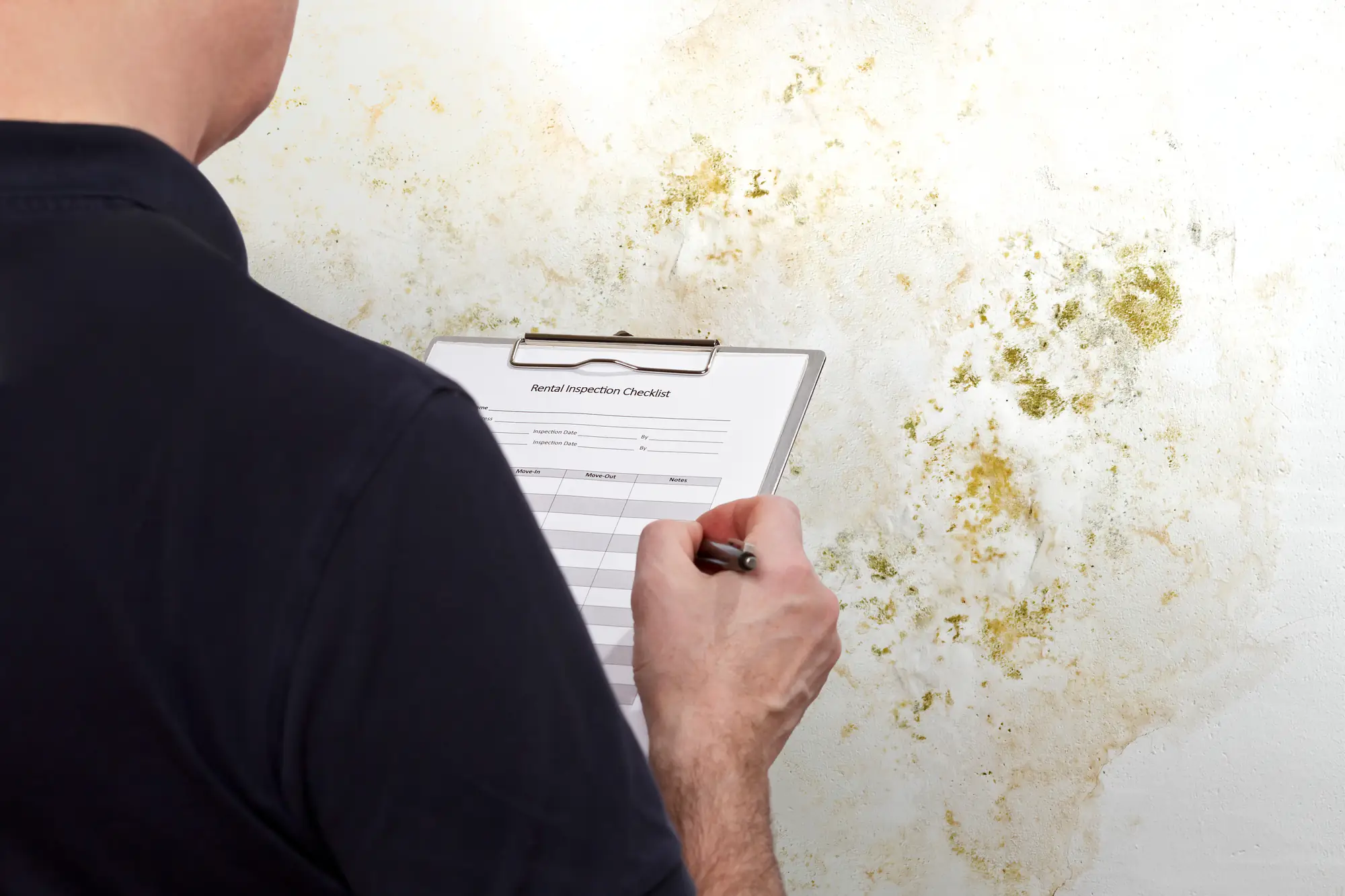
First, we walk through your home and talk. You show us where you’ve noticed problems, we ask about water damage history, HVAC performance, and any health symptoms your family’s been experiencing. That conversation matters—it tells us where to focus.
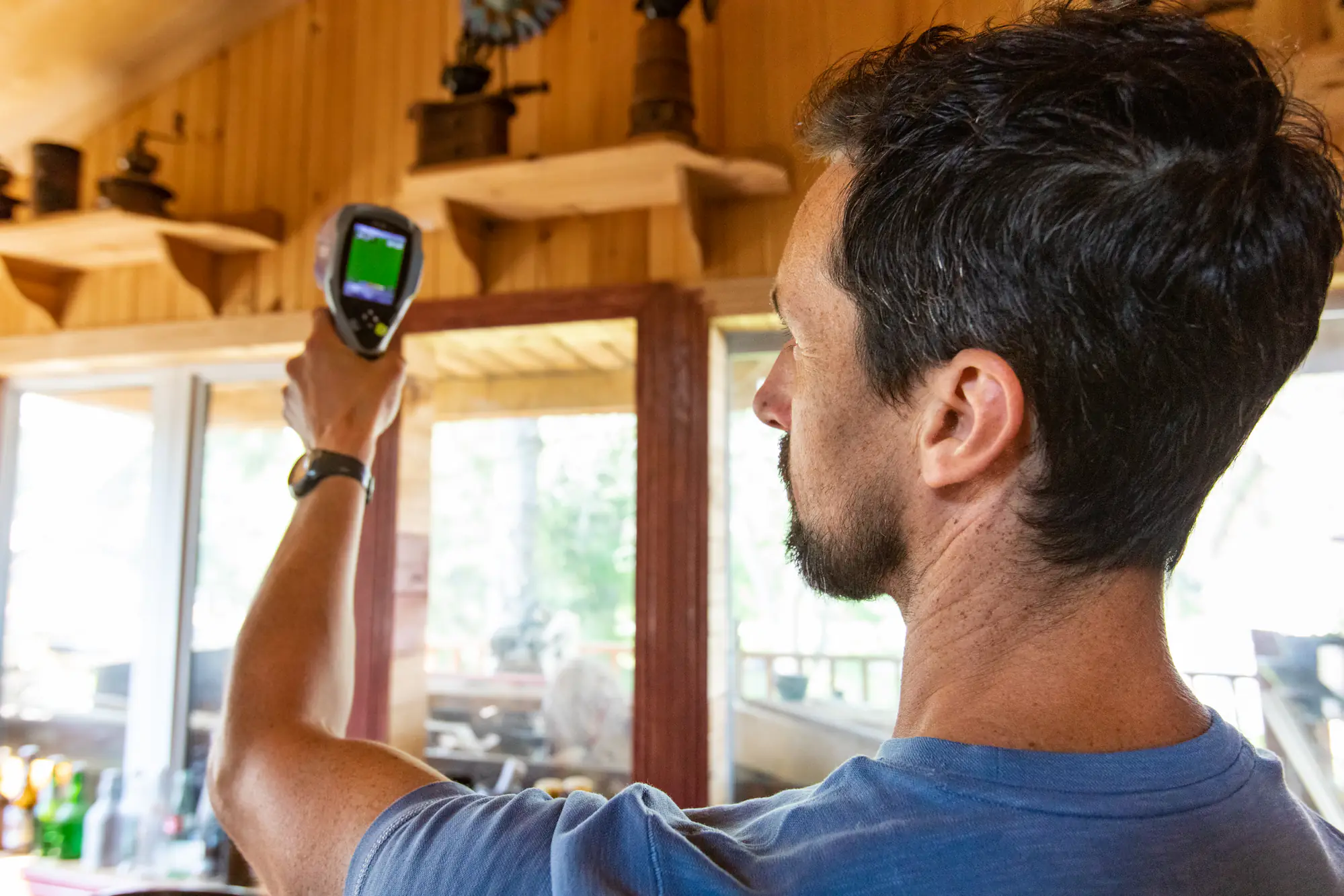
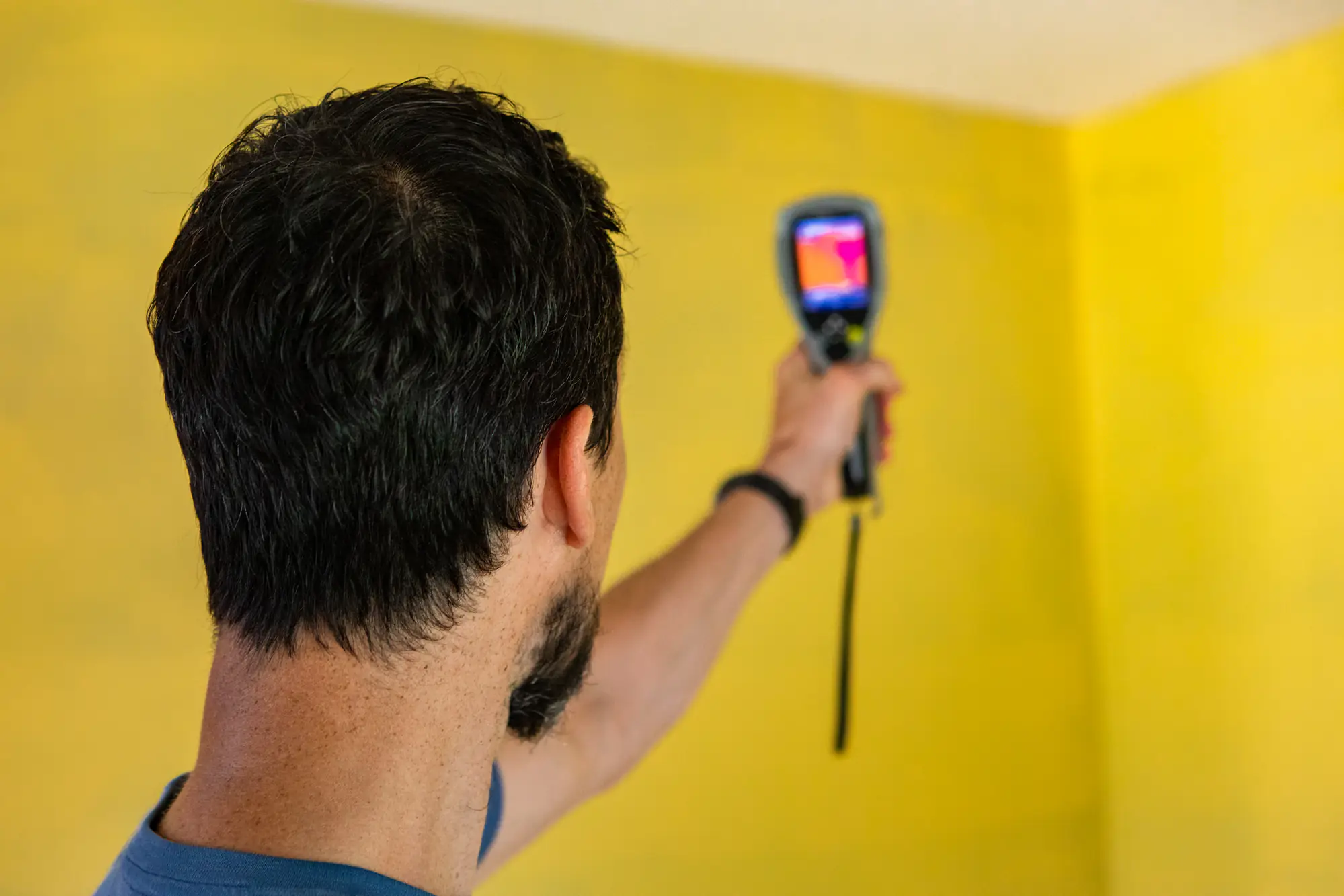
Then we start testing. We use moisture meters to check walls, floors, and ceilings for hidden water intrusion. Infrared cameras detect temperature differences that indicate moisture behind surfaces you can’t see. We take air samples in multiple rooms to measure airborne spore concentrations, and we collect surface samples from any visible growth or suspicious areas.
Those samples go to an independent lab. Within a few days, you get a detailed report identifying mold species, spore counts, and contamination levels. We review those results with you in plain language—what the numbers mean, whether remediation is necessary, and what’s causing the problem in the first place. If you need remediation, we’ll explain exactly what that involves and give you an upfront estimate. If you don’t, we’ll tell you that too.
Ready to get started?
Every mold testing service we provide includes a thorough visual inspection of your entire property—attics, basements, crawl spaces, bathrooms, kitchens, and any areas where moisture tends to accumulate. We’re looking for visible mold, water stains, condensation patterns, and ventilation issues that create environments where mold thrives.
You get air quality testing using calibrated equipment that measures spore concentrations in your indoor air. This is critical because mold doesn’t always grow where you can see it. It can hide in wall cavities, under flooring, or inside HVAC ducts while releasing spores throughout your home. Air testing catches what visual inspections miss.
Surface sampling identifies the specific mold species present. That matters because not all mold is the same. Some species are relatively harmless. Others—like black mold—produce mycotoxins that cause serious respiratory problems, especially in children and anyone with compromised immune systems. Knowing what you’re dealing with determines the urgency and approach for remediation.
Packer Park’s proximity to the Delaware River and Philadelphia’s coastal humidity means homes here face constant moisture exposure. Older homes in the neighborhood often have poor drainage, outdated ventilation, and aging infrastructure that traps dampness. Our testing accounts for these local factors, and we’ll identify the moisture sources feeding mold growth—whether that’s a leaking pipe, condensation from poor insulation, or groundwater seepage through foundation walls.
Most residential mold testing in the Philadelphia area runs between $300 and $600, depending on your home’s size and how many samples we need to collect. A small rowhome with one suspected area costs less than a larger property requiring air samples from multiple floors.
Here’s what affects the price: square footage, number of test locations, and whether we’re doing air sampling, surface sampling, or both. If you’ve got visible mold in one bathroom, that’s straightforward. If you’re experiencing symptoms but can’t find the source, we’ll need to test more areas to track it down.
We offer free initial inspections, so you’re not paying anything just to have us look and give you an honest assessment. If testing makes sense, we’ll explain exactly what it costs before we start. No surprises.
Plan on two to three hours for a complete inspection and testing process. That includes the walkthrough, moisture detection, air sampling, surface sampling, and our initial assessment of what we’re seeing.
Lab results take about three to five business days. Once we receive them, we’ll schedule a follow-up call or meeting to review the findings and discuss next steps. If you’re in a time crunch—maybe you’re buying a home and need results before closing—we can request expedited lab processing for an additional fee.
The inspection itself isn’t disruptive. You can be home or not, whatever works for you. We just need access to all areas of the property, including basements, attics, and any crawl spaces.
You can buy a kit at the hardware store for $10 to $40, but here’s the problem: those kits will almost always show mold presence because mold spores exist everywhere. They don’t tell you what species you’re dealing with, how concentrated the contamination is, or where it’s actually growing.
Professional testing uses calibrated equipment and controlled sampling methods. We measure spore concentrations against baseline outdoor levels to determine if your indoor air quality is actually compromised. We identify specific mold species so you know if you’re dealing with common surface mold or something more serious like Stachybotrys (black mold).
Most importantly, we find the source. A DIY kit might confirm mold exists, but it won’t tell you that moisture is wicking up through your foundation, that your bathroom exhaust fan is venting into the attic instead of outside, or that a slow leak behind your washing machine has been feeding growth for months. Without identifying the moisture source, any cleanup is temporary.
A mold inspection is the visual assessment—we walk through your property looking for visible mold, water damage, moisture problems, and conditions that promote mold growth. We use moisture meters and infrared cameras to detect hidden issues, and we identify areas that need closer attention.
Mold testing goes further. We collect air and surface samples and send them to a lab for analysis. Testing identifies specific mold species, measures spore concentrations, and provides documentation that’s useful for insurance claims, real estate transactions, or legal situations.
You don’t always need testing. If there’s visible mold and an obvious moisture source, we can often move straight to remediation. But if you’re experiencing health symptoms without visible mold, if you need documentation for a claim, or if you want confirmation before investing in remediation, testing gives you definitive answers. We’ll recommend testing when it actually helps—not just because it’s an upsell.
Testing tells you what’s present and at what concentration levels. Lab results will show specific mold species and spore counts in your indoor air compared to outdoor baseline levels. If your indoor counts are significantly elevated, that’s a problem. If they’re normal, you’re likely fine.
But “safe” depends on context. Some people are more sensitive to mold than others. If someone in your home has asthma, allergies, or a compromised immune system, even moderate mold levels can trigger symptoms. Young children and elderly family members are also more vulnerable.
What testing does is remove the guesswork. You’ll know exactly what you’re dealing with and whether remediation is necessary. If we find elevated levels of toxic mold species like Stachybotrys or Aspergillus, we’ll recommend immediate remediation. If levels are low and species are common outdoor molds, we’ll tell you that too—and help you address the moisture issues that are letting them grow indoors in the first place.
If the home inspection flagged moisture issues, visible mold, or water damage—yes, absolutely. If the house has a musty smell, if it’s been vacant for a while, or if it’s an older property with a damp basement, testing gives you leverage before closing.
Packer Park has a lot of older housing stock. Many homes here were built before modern moisture barriers and ventilation standards existed. Basements can be damp, crawl spaces poorly ventilated, and rooflines prone to ice damming in winter. These aren’t dealbreakers, but you want to know what you’re buying.
Mold testing before purchase protects you in two ways: it identifies problems the seller needs to address before closing, and it gives you documentation if issues appear later. Some buyers use test results to negotiate price reductions or request remediation as a condition of sale. Even if everything comes back clean, you’ll have peace of mind knowing your family isn’t moving into a home with hidden air quality problems.
Other Services we provide in Packer Park