
Hear from Our Customers
You’ve noticed the symptoms. Headaches that won’t quit. Kids coughing more than usual. Allergies that seem worse indoors than out. You’re wondering if it’s just seasonal, or if something in your home is making everyone miserable.
Here’s what most people don’t realize: indoor air can be up to five times more polluted than outdoor air. In Packer Park, where 41% of residents rent and older homes are common, hidden moisture problems create perfect conditions for mold growth and poor air quality. You can’t see mold spores, VOCs, or particulates floating through your rooms, but your body notices.
A professional home air quality test gives you actual answers. You’ll know exactly what’s in your air, where it’s coming from, and what needs to happen next. No more wondering if that musty smell is serious. No more questioning whether your home is making your kids sick. Just clear data and a plan to fix it.
We’ve spent years helping families across Bucks County, Montgomery County, and Philadelphia identify and fix air quality problems before they spiral into expensive disasters. We’re not a national chain that treats your home like a number. We’re local, and we know the specific issues Philadelphia-area homes face—old construction, basement moisture, poor ventilation.
When you call, you get a certified inspector who shows up on time, explains what we’re testing for, and walks you through results in plain language. No upselling. No scare tactics. Just honest assessment and clear recommendations. We’ve built our reputation on doing what we say we’ll do, which apparently makes us unusual in this industry.

First, we schedule a free inspection at a time that actually works for you. Our certified inspector shows up and does a visual assessment of your property—looking for moisture problems, visible mold, ventilation issues, and other red flags that affect indoor air quality.
Then comes the actual testing. We use professional-grade equipment to collect air samples from multiple areas of your home. This isn’t a hardware store test kit. We’re measuring mold spores, particulate levels, VOCs, and other contaminants that impact respiratory health. The process is non-invasive and usually takes about an hour, depending on your home’s size.
Samples go to an independent lab for analysis. Within a few days, you get a detailed report showing exactly what’s in your air and at what levels. We review everything with you, explain what the numbers mean for your family’s health, and recommend specific next steps. If remediation is needed, we provide a clear estimate before any work begins. If your air quality is fine, we tell you that too.
Ready to get started?
A comprehensive mold air test and indoor air quality assessment covers more than just visible mold. We’re looking for mold spores that become airborne and get into your lungs. We’re measuring particulate matter that aggravates asthma and allergies. We’re testing for volatile organic compounds (VOCs) that off-gas from building materials, cleaning products, and moisture damage.
In Packer Park and surrounding Philadelphia neighborhoods, we see specific patterns. Older rowhomes often have basement moisture issues that create mold growth in areas you never check. Poor attic ventilation traps humidity. HVAC systems that haven’t been maintained properly circulate contaminated air throughout your home. These aren’t hypothetical problems—they’re the reality of living in this area.
The testing process identifies these issues before they become major health hazards. Research shows that 21% of current asthma cases are linked to dampness and mold in homes. Kids are especially vulnerable—infants in homes with poor air quality have significantly higher risk of developing asthma and allergic rhinitis. You’re not overreacting by wanting to test your air. You’re being smart about protecting your family’s respiratory health.
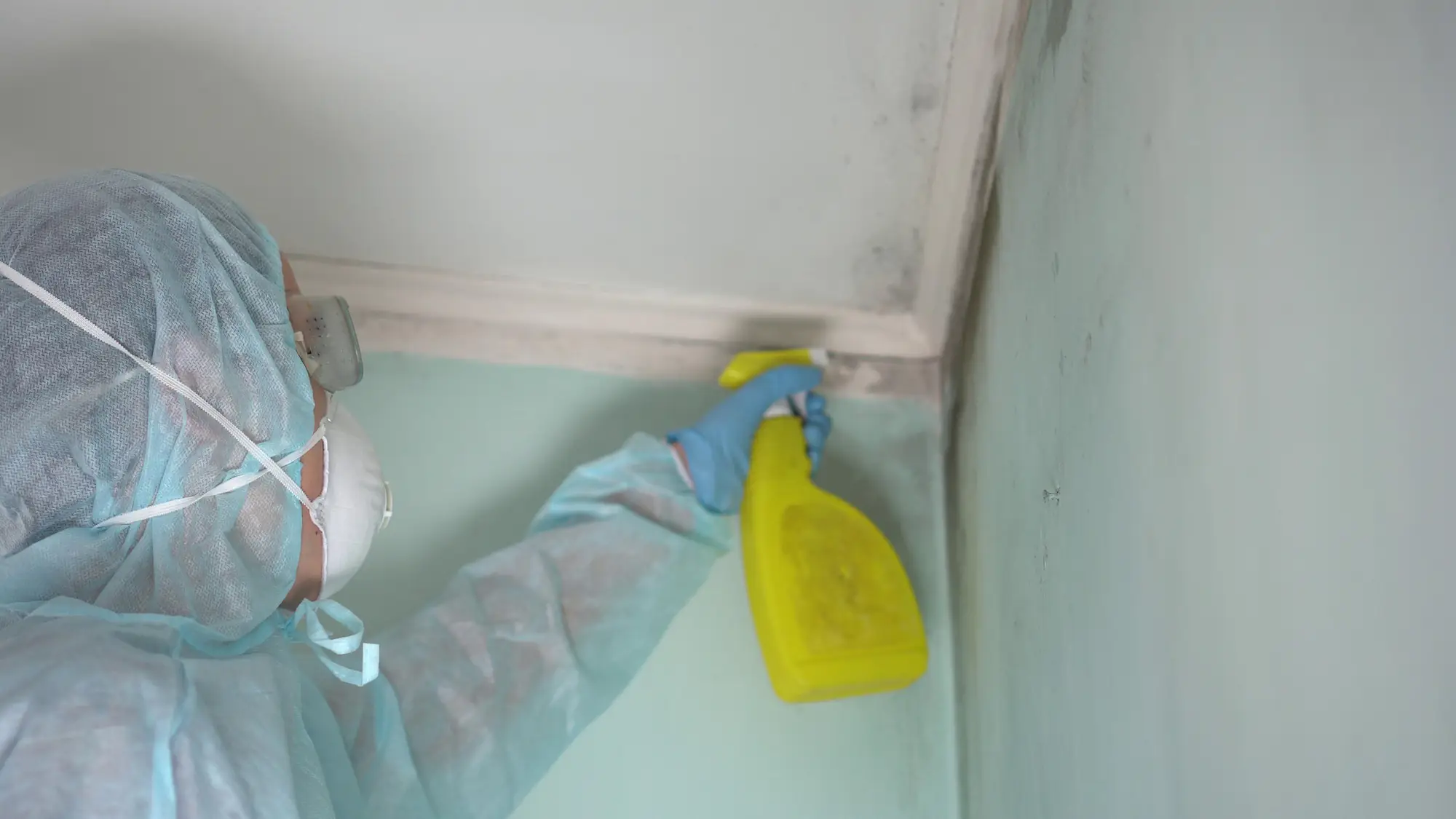
You need testing if anyone in your home has unexplained respiratory symptoms, frequent headaches, or allergies that seem worse indoors. That’s the obvious answer. But you should also consider testing if you’ve had any water damage—even if it was “fixed”—because mold can grow inside walls where you can’t see it.
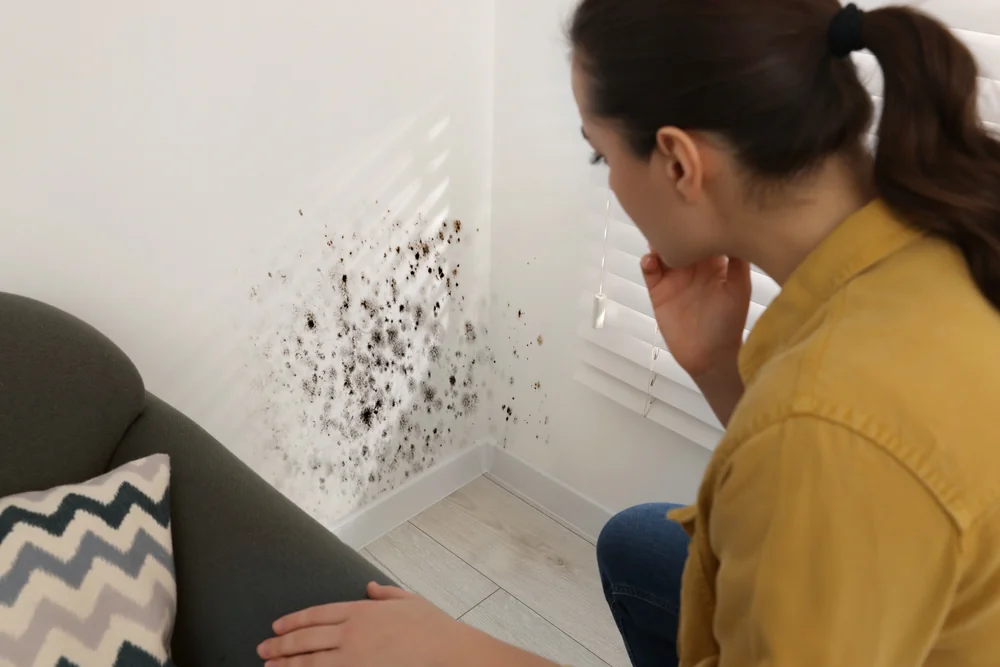
Musty odors are another clear sign. If your basement, bathroom, or any room smells off, that’s often mold releasing spores into your air. Visible mold on walls or ceilings means you definitely have an air quality problem, but here’s the thing: you can have serious contamination without seeing any mold at all.
Testing is also smart if you’re buying a home in Packer Park or anywhere in Philadelphia. Older properties often have hidden moisture issues that won’t show up in a standard home inspection. Spending a few hundred dollars on air quality testing now can save you thousands in remediation costs later. It’s also worth testing if you have young children, elderly family members, or anyone with compromised immune systems living with you—these groups are most vulnerable to poor indoor air quality.
Hardware store test kits only tell you if mold is present. They don’t tell you what type of mold, how much is in your air, or whether levels are actually dangerous. They also don’t test for other air quality issues like VOCs, particulates, or ventilation problems. You’re basically getting incomplete information that doesn’t help you make real decisions.
Professional air quality testing uses calibrated equipment to measure actual concentrations of contaminants in your air. We collect samples from multiple locations, send them to independent labs, and get detailed analysis of exactly what’s present and at what levels. You’ll know if you have Stachybotrys (black mold), Aspergillus, Penicillium, or other species—and whether the concentrations are high enough to cause health problems.
The bigger difference is what happens after testing. A DIY kit leaves you staring at results you don’t understand, wondering what to do next. Professional testing comes with expert analysis and specific recommendations. We tell you what needs to be fixed, how urgent it is, and what it’ll cost. You get actionable information, not just a positive or negative result that creates more questions than answers.
The actual testing appointment takes about an hour for most homes. We’re walking through your property, doing visual inspection, and collecting air samples from different areas. Larger homes or properties with multiple issues might take a bit longer, but we’re not talking about an all-day process.
Results come back from the lab within three to five business days typically. We don’t make you wait weeks wondering if your home is safe. Once we have the lab analysis, we schedule a time to review everything with you—either in person or over the phone, whatever works better for your schedule.
During that review, we go through each finding, explain what the numbers mean in plain language, and answer your questions. If remediation is needed, we provide a detailed estimate right then. If your air quality is good, we tell you that and explain what you can do to keep it that way. The whole process from initial inspection to having a clear action plan usually takes less than a week.
Air testing shows whether mold spores are present in your air and at what concentrations. If we find elevated levels of certain mold species, that’s a strong indicator you have hidden mold growth somewhere—possibly inside walls, under flooring, or in your HVAC system. The spores have to be coming from somewhere.
But air testing alone won’t pinpoint the exact location of hidden mold. That’s where the visual inspection and moisture assessment come in. We use thermal imaging and moisture meters to identify areas where water intrusion or high humidity are creating conditions for mold growth. Combining air test results with moisture mapping usually reveals where the problem is hiding.
If we find evidence of hidden mold, the next step is often invasive inspection—carefully opening up walls or ceilings in suspected areas to confirm growth and determine the extent of contamination. We don’t start tearing into your walls without good reason. The air testing and moisture assessment give us specific areas to investigate, so we’re not guessing or causing unnecessary damage to your property.
We offer free initial inspections, which includes the visual assessment and consultation. If air sampling is recommended based on what we find, costs typically range from a few hundred dollars for basic testing to more for comprehensive analysis of multiple rooms and contaminants. The exact price depends on your home’s size and how many samples we need to collect.
That might sound like a lot if you’re comparing it to a $40 hardware store kit. But consider what you’re getting: professional-grade equipment, independent lab analysis, expert interpretation of results, and specific recommendations for fixing any problems. You’re not just buying a test—you’re getting answers and a plan.
Here’s the other thing: catching air quality problems early almost always costs less than dealing with them later. If you have mold growing inside your walls, waiting doesn’t make it better. It makes it worse and more expensive to fix. Testing now, while the problem is manageable, can save you thousands in remediation costs down the road. We’ve seen too many families wait until they have major contamination that requires extensive repairs. Don’t be one of them.
Yes, professional air quality testing provides documentation that insurance companies actually take seriously. If you’re filing a claim for water damage or mold remediation, having independent lab results showing contamination levels strengthens your case significantly. Insurance adjusters can’t argue with data from certified labs.
We’ve worked with plenty of homeowners through the insurance claims process. The testing report shows exactly what contaminants are present, at what levels, and how they compare to normal outdoor air. This documentation helps prove that you have a legitimate problem requiring professional remediation, not just surface cleaning you could do yourself.
Keep in mind that insurance coverage for mold varies widely depending on your policy and what caused the moisture problem. Sudden water damage from burst pipes is usually covered. Long-term moisture from poor maintenance often isn’t. But having professional testing done creates a clear record of when the problem was discovered and how severe it was. That documentation protects you and makes the claims process smoother, even if your insurer initially pushes back on coverage.
Other Services we provide in Packer Park