

Hear from Our Customers
You stop wondering if that smell is mold. Your kids aren’t sneezing constantly indoors. The air feels cleaner when you walk into your basement or bathroom.
Mold doesn’t just look bad—it affects how your home feels and how your family breathes. In Packer Park and throughout Philadelphia County, humidity and older housing stock create the perfect conditions for mold to take hold. Once it’s there, it spreads fast.
When mold is removed correctly, you notice the difference. Allergies calm down. That musty odor disappears. You’re not second-guessing every cough or headache anymore.
But here’s what matters most: the problem doesn’t come back. That only happens when the moisture source gets fixed, not just the visible mold. Otherwise, you’re cleaning the same spot every few months.
We work throughout Packer Park, Bucks County, and the greater Philadelphia area. We’re local, certified, and we’ve seen what mold does to homes in this region—especially older properties with basements, crawl spaces, and aging plumbing.
Philadelphia ranks as one of the moldiest cities in the country. The climate here is humid, homes are close together, and a lot of the housing stock wasn’t built with modern moisture control. That means mold is common, but it’s also manageable when you know what you’re doing.
We don’t just scrub surfaces and leave. We find the leak, the condensation issue, or the ventilation problem that caused it. Then we remove the mold safely and help you prevent it from coming back.

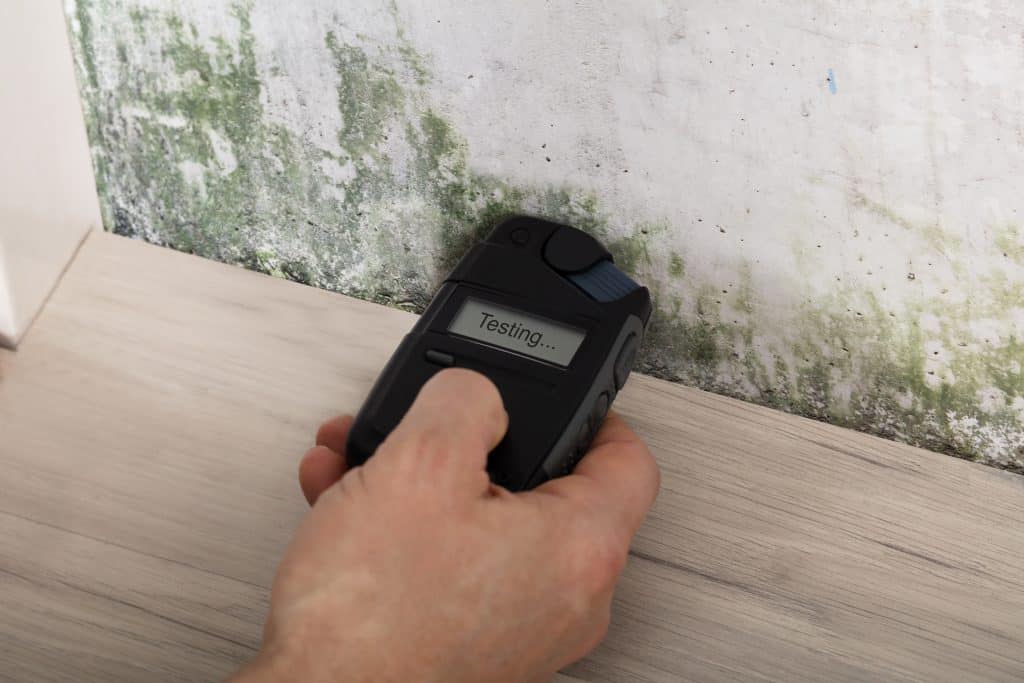
First, we come out for a free inspection. We’re looking for visible mold, but also moisture levels, hidden growth behind walls or under floors, and any conditions that are feeding the problem.
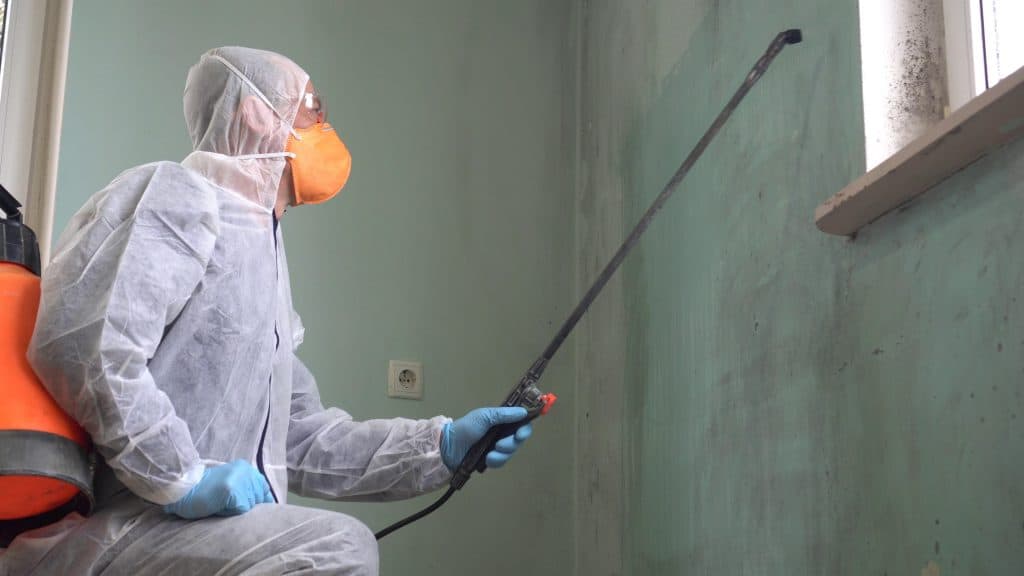
Once we know what we’re dealing with, we give you a clear estimate. No surprises. If you move forward, we contain the area to prevent spores from spreading during removal. Then we remove the mold using proper equipment and techniques—not bleach on drywall, which doesn’t work.
After removal, we address the moisture source. That might mean recommending a dehumidifier, fixing a leak, improving ventilation, or sealing a crack. Without that step, mold grows back. We also test the air quality to confirm the mold is gone.
You get documentation of everything we did, which is helpful if you’re selling your home or filing an insurance claim. We can assist with that process too.
Ready to get started?
Every job starts with a full property inspection—not just the spot you called about. Mold spreads, and it hides. We check basements, crawl spaces, attics, around windows, behind appliances, and anywhere moisture tends to collect.
We use moisture meters and infrared cameras to find problems you can’t see. Then we test samples if needed to identify the type of mold. Black mold gets attention because it’s toxic, but all mold needs to go.
Packer Park homes, like much of Philadelphia, deal with aging infrastructure and high humidity. Basements flood. Roofs leak. Pipes sweat. We’ve handled it all. Our team is trained in containment, safe removal, air filtration, and proper disposal of contaminated materials.
You also get a prevention plan. We’ll tell you what caused it, what to watch for, and how to keep your home dry. If you need help with insurance, we’ll document everything and work with your adjuster. We’re available 24/7 for emergencies—because mold doesn’t wait for business hours.
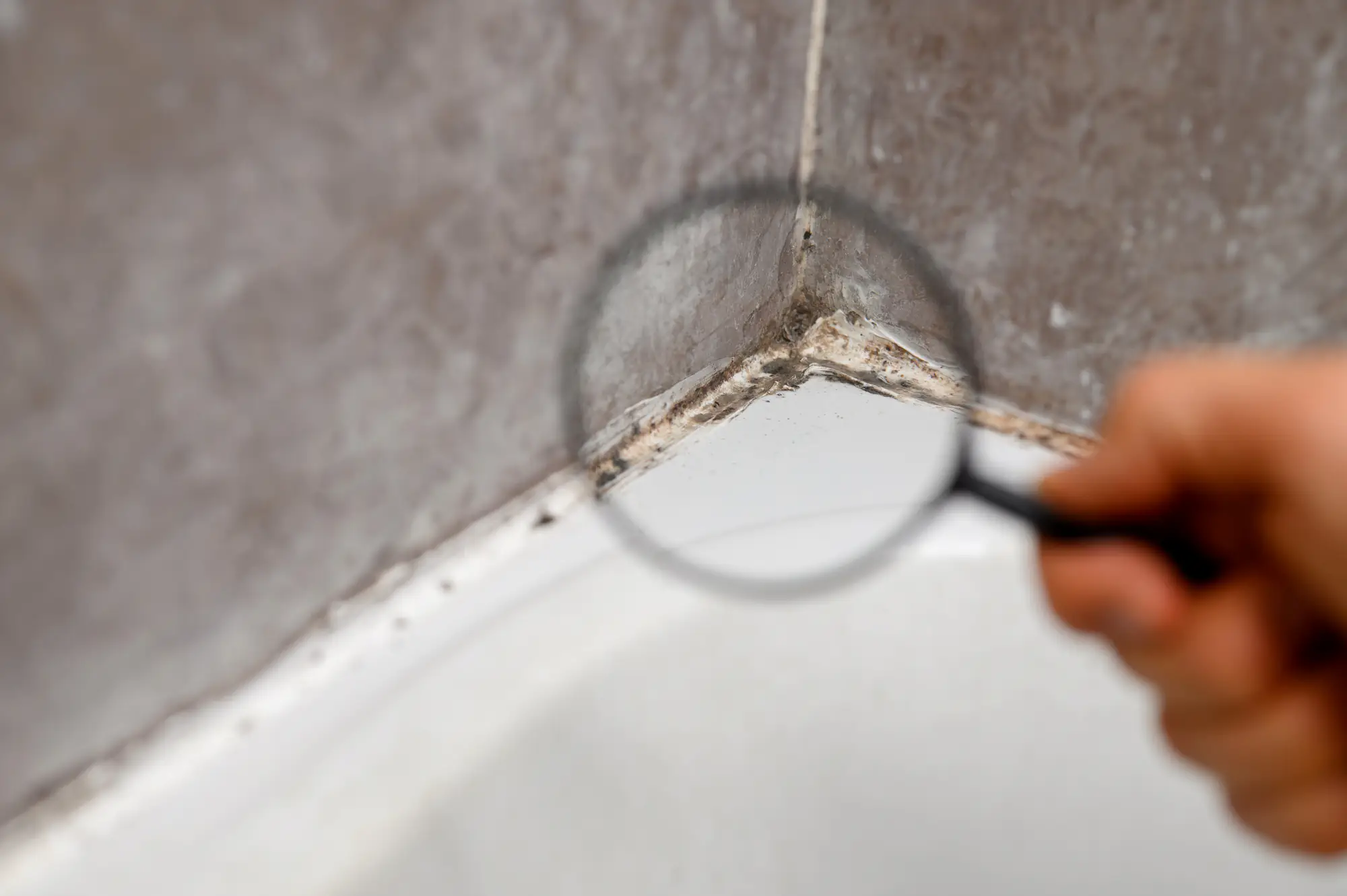
Mold starts growing within 24 to 48 hours after water exposure. If your basement flooded, a pipe burst, or your roof leaked during a storm, the clock is already ticking.
It doesn’t take much. A damp corner, a wet carpet, or condensation on a cold pipe—that’s enough. The longer moisture sits, the worse it gets. Within a few days, you’ll see visible growth. Within a week or two, it’s spreading to other areas.
That’s why fast response matters. If you just had water damage, don’t wait to see if mold shows up. Get an inspection now while you can still prevent it. Once it’s growing, removal is more expensive and invasive.
Small surface mold on non-porous materials—like tile or glass—you can usually handle with the right cleaner. But if it’s on drywall, wood, insulation, or carpet, DIY won’t cut it.
Bleach doesn’t kill mold on porous surfaces. It just lightens the color. The roots stay, and the mold comes back. Plus, disturbing mold without containment spreads spores throughout your home, making the problem worse.
If the moldy area is larger than 10 square feet, if it’s black mold, or if it’s caused by sewage or contaminated water, call us. Same goes if you have health issues like asthma or allergies. Mold removal involves containment, proper PPE, air filtration, and safe disposal—not something you want to wing.
It depends on the size of the affected area, the type of mold, and what’s causing it. A small bathroom mold issue might cost a few hundred dollars. A full basement remediation after flooding can run several thousand.
We offer free inspections. That’s where you get an accurate estimate based on what’s actually happening in your home. We’ll tell you what needs to be removed, what needs to be repaired, and what the total cost looks like before any work starts.
Insurance sometimes covers mold removal, especially if it’s related to a covered event like a burst pipe. We can help you navigate that process and provide documentation for your claim. Don’t let cost keep you from getting an inspection—the longer you wait, the more expensive it gets.
Mold removal means getting rid of visible mold. Mold remediation means removing the mold and fixing the conditions that caused it so it doesn’t come back.
Removal alone is a temporary fix. If you scrub mold off your basement wall but don’t address the leak or humidity problem, it’ll be back in a few weeks. Remediation includes identifying moisture sources, improving ventilation, repairing leaks, and sometimes removing damaged materials that can’t be saved.
That’s the approach we take. We don’t just clean what you can see. We find out why it’s growing and help you fix the root cause. Otherwise, you’re paying for the same service over and over.
Mold exposure causes respiratory issues, allergic reactions, headaches, fatigue, and skin irritation. If someone in your home has asthma, mold makes it worse. Kids and elderly family members are especially vulnerable.
Black mold—technically called Stachybotrys—produces mycotoxins that can cause serious health problems with prolonged exposure. But even common household molds trigger symptoms. Sneezing, coughing, itchy eyes, congestion—those aren’t just seasonal allergies if they’re worse indoors.
Mold also contributes to nearly 5 million asthma cases in the U.S. every year. Studies show that removing mold can reduce asthma symptoms by 25% to 45%. If your family’s health has gotten worse since moving into your home or after water damage, mold could be the reason. Get it tested.
Control moisture. That’s it. Mold needs water to grow. If you keep your home dry, mold can’t survive.
Fix leaks immediately—roof, plumbing, windows, foundation. Use dehumidifiers in basements and crawl spaces, especially during humid months. Make sure bathrooms and kitchens have working exhaust fans. Clean gutters so water doesn’t pool near your foundation.
Check areas that tend to stay damp: under sinks, around toilets, in corners of basements, near HVAC units. If you see condensation on windows or pipes, that’s a red flag. After removal, we’ll give you specific recommendations based on what caused your mold problem. Follow those, and you shouldn’t see it again.
Other Services we provide in Packer Park