
Mold Testing in Juniata Park, PA

Find Out What's Growing Before It Spreads

Professional mold testing gives you lab-verified answers about your home’s air quality—no guessing, no sales pressure, just facts you can act on.

Hear from Our Customers

Professional Mold Testing Company

Know Exactly What You're Dealing With

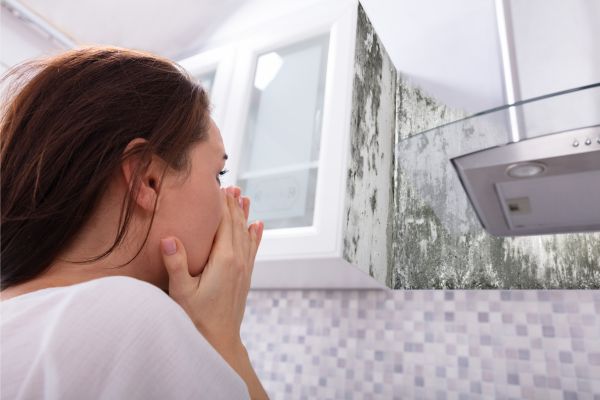
You’re not imagining it. The headaches, the stuffy feeling when you walk in the door, the musty smell that won’t go away—something’s off, and you need to know what it is.

Professional mold testing tells you if there’s a problem, where it’s hiding, and how serious it is. You get lab results that identify the exact species and concentration levels. No vague assessments or pressure to buy services you don’t need.

Most mold grows where you can’t see it. Behind walls, under floors, inside HVAC systems. By the time it’s visible, it’s been there a while. Testing catches it early, before it spreads through your home and costs thousands to fix.

You’ll know if your family’s breathing in mold spores every day. You’ll have documentation if you need to file an insurance claim. And you’ll finally have a clear path forward instead of wondering if that dark spot is just dirt or something worse.

Mold Check Professionals Serving Juniata Park

We Test Mold, We Don't Sell Remediation

We serve homeowners throughout Juniata Park and the surrounding Philadelphia area. We’re IICRC-certified, which means we follow industry standards for sampling, testing, and reporting.

Here’s what matters: we don’t do remediation. We only test. That means our assessment isn’t tied to selling you a cleanup job. You get unbiased results from an independent lab, not a sales pitch.

Juniata Park homes were built around 1944. That’s 80 years of plumbing, roofing, and ventilation that’s had time to fail. Row houses share walls, which means moisture problems can spread. We’ve seen it dozens of times. Testing gives you the information you need before small problems become expensive ones.

How Residential Mold Testing Works

The Process Is Straightforward, Not Complicated

First, we walk through your home and look for visible signs of mold or moisture problems. We check the usual suspects—bathrooms, basements, around windows—but also places most people don’t think about, like behind appliances and inside closets.

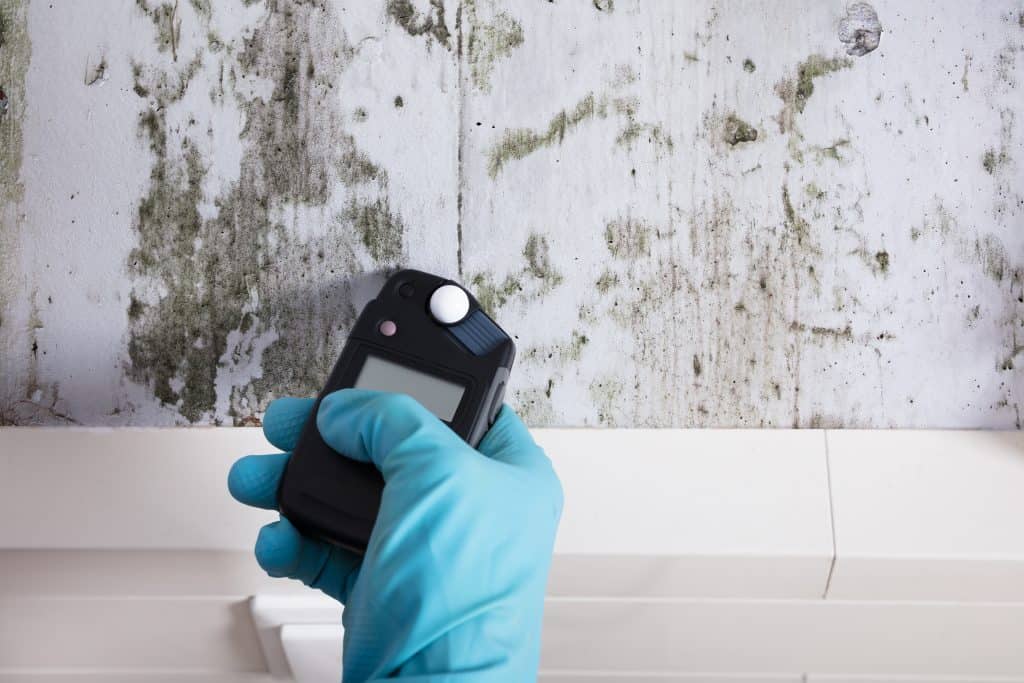
Then we take samples. Air samples measure what’s floating around that you’re breathing in. Surface samples test visible growth or suspicious spots. If we think there’s hidden mold, we use moisture meters and thermal imaging to find it without tearing into your walls.

Samples go to an independent microbiology lab. They identify the species, measure the concentration, and compare it to outdoor levels. You get a written report within a few days that breaks down what we found, what it means, and what to do next.

If there’s a problem, we’ll explain your options. If there’s not, you’ll have peace of mind and documentation proving your home is clean. Either way, you’ll know exactly where you stand.

Ready to get started?

Explore More Services

About Mack's Mold Removal

Black Mold Test and Air Quality Analysis

What's Included in a Mold Inspection

You get a full visual inspection of your property, including areas most homeowners never check. We look for water damage, humidity issues, and conditions that allow mold to grow.

Air quality testing measures spore levels in every room, not just where you think there’s a problem. Surface testing confirms what’s growing on walls, ceilings, or floors. If your HVAC system is spreading spores, we’ll find that too.

Pennsylvania’s precipitation has increased 5-10% over the past few decades. More rain means more moisture, and Juniata Park’s older housing stock wasn’t built to handle it. Basements flood, roofs leak, and gutters overflow. We see the patterns and know what to look for in homes like yours.

The lab report includes photos, spore counts, species identification, and a comparison to safe levels. If remediation is needed, the report gives contractors a clear scope of work. If you’re selling or buying a home, it’s documentation that protects everyone involved.

How much does mold testing cost in Juniata Park?

Testing typically runs between $300 and $600 depending on the size of your home and how many samples we need to take. A small row house with one or two areas of concern costs less than a larger property that needs comprehensive air quality testing in multiple rooms.

The price includes the inspection, sample collection, lab analysis, and a written report. If you’re comparing quotes, make sure you’re comparing the same thing. Some companies charge extra for lab fees or the report itself.

Testing might feel like an expense, but it’s cheaper than guessing. Unnecessary remediation can cost thousands. So can ignoring a problem until it spreads. Testing gives you the information to make the right call the first time.

Most inspections take one to two hours depending on the size of your home and how much area we need to cover. We’re not rushing through it, but we’re not dragging it out either.

The visual inspection is the longest part. We’re checking every room, looking at moisture levels, and identifying potential problem areas. Taking samples is quick—air samples run for a few minutes, surface samples take seconds.

Lab results come back in two to five business days. Once we have them, we’ll walk you through the report and answer any questions. If it’s urgent—like you’re closing on a house or dealing with a health issue—we can request expedited lab processing for an additional fee.

You can, but it’s not going to tell you much. Those kits detect mold spores, which are everywhere. Every home has some level of mold spores in the air. The question isn’t whether they’re there, it’s whether the levels are dangerous.

DIY kits don’t measure concentration. They don’t identify species. And they don’t tell you if what you’re seeing is normal or a sign of a bigger problem. Most importantly, they don’t find hidden mold.

Professional testing uses calibrated equipment and lab analysis to give you actual data. We’re measuring spore counts per cubic meter and comparing them to outdoor baselines. We’re identifying whether it’s harmless mold or toxic black mold. That’s information you can’t get from a $10 kit.

An inspection is the visual assessment. We walk through your home, look for signs of mold or moisture, and identify areas of concern. It’s what we see with our eyes and detect with moisture meters.

Testing involves taking samples and sending them to a lab. It’s the scientific confirmation of what’s actually growing and how much of it is in your air. You can have an inspection without testing, but testing always includes an inspection.

Most people need both. The inspection tells us where to sample. The testing tells us if there’s a health risk and what needs to be done about it. If you’re buying a home and just want to know if there’s visible mold, an inspection might be enough. If you’re dealing with health symptoms or smell mold but can’t find it, you need testing.

If you can see mold and it’s smaller than 10 square feet, you probably don’t need testing. You can clean it yourself or hire someone to remove it. But if you’re dealing with a larger area, recurring growth, or health symptoms without a clear source, testing tells you what you’re up against.

Testing is also smart if you’ve had water damage, even if you don’t see mold yet. It can start growing within 24 to 48 hours of getting wet. By the time it’s visible, it’s already spread.

And if you’re buying or selling a home in Juniata Park, testing protects everyone. Buyers want proof the home is safe. Sellers want documentation that there’s no hidden problem. Testing removes the guesswork and potential legal issues down the road.

It depends on your policy and what caused the mold. If it’s from a sudden event like a burst pipe or storm damage, many policies cover testing and remediation. If it’s from long-term neglect or maintenance issues, probably not.

Read your policy or call your agent before you schedule testing. Some insurers require you to use specific testing companies or follow certain procedures. Others want documentation before they’ll approve a claim.

Even if insurance doesn’t cover testing, it’s worth doing. The report gives you leverage if you need to dispute a claim or prove the damage wasn’t your fault. And if you’re a renter dealing with mold, testing creates a paper trail that holds landlords accountable.

Other Services we provide in Juniata Park