

Hear from Our Customers
You shouldn’t have to guess whether that smell is mold or just musty air. You shouldn’t wonder if your kid’s cough is seasonal or something worse. And you definitely shouldn’t drop five figures on remediation without knowing exactly what species you’re dealing with and how far it’s spread.
That’s what mold testing does. It gives you clarity before you commit to anything.
We collect air and surface samples from your Germantown home, send them to an independent lab, and get you results that show the exact species, concentration levels, and where the problem areas are. You’ll know if it’s harmless surface mold or something that needs immediate attention. You’ll have documentation for insurance claims, real estate transactions, or just your own peace of mind.
Pennsylvania’s humid summers create perfect conditions for mold growth, especially in older homes with poor ventilation or hidden leaks. Testing catches problems early, before they become expensive disasters. It also prevents you from paying for work you don’t need.
We serve homeowners throughout Germantown and the surrounding Bucks County area with certified mold testing services. We’re licensed in Pennsylvania to conduct professional mold assessments, and we use the same advanced equipment and lab analysis that larger restoration companies use.
Here’s what matters: we’re not trying to upsell you on remediation. Our job is to give you accurate information so you can make the right call. Whether that’s a simple fix you handle yourself or a full-scale remediation project, you’ll know what you’re actually dealing with.
We’ve seen what happens when homeowners skip testing and go straight to removal. They either overpay for work they didn’t need, or they miss hidden growth that comes back six months later. Testing first saves you money and headaches.
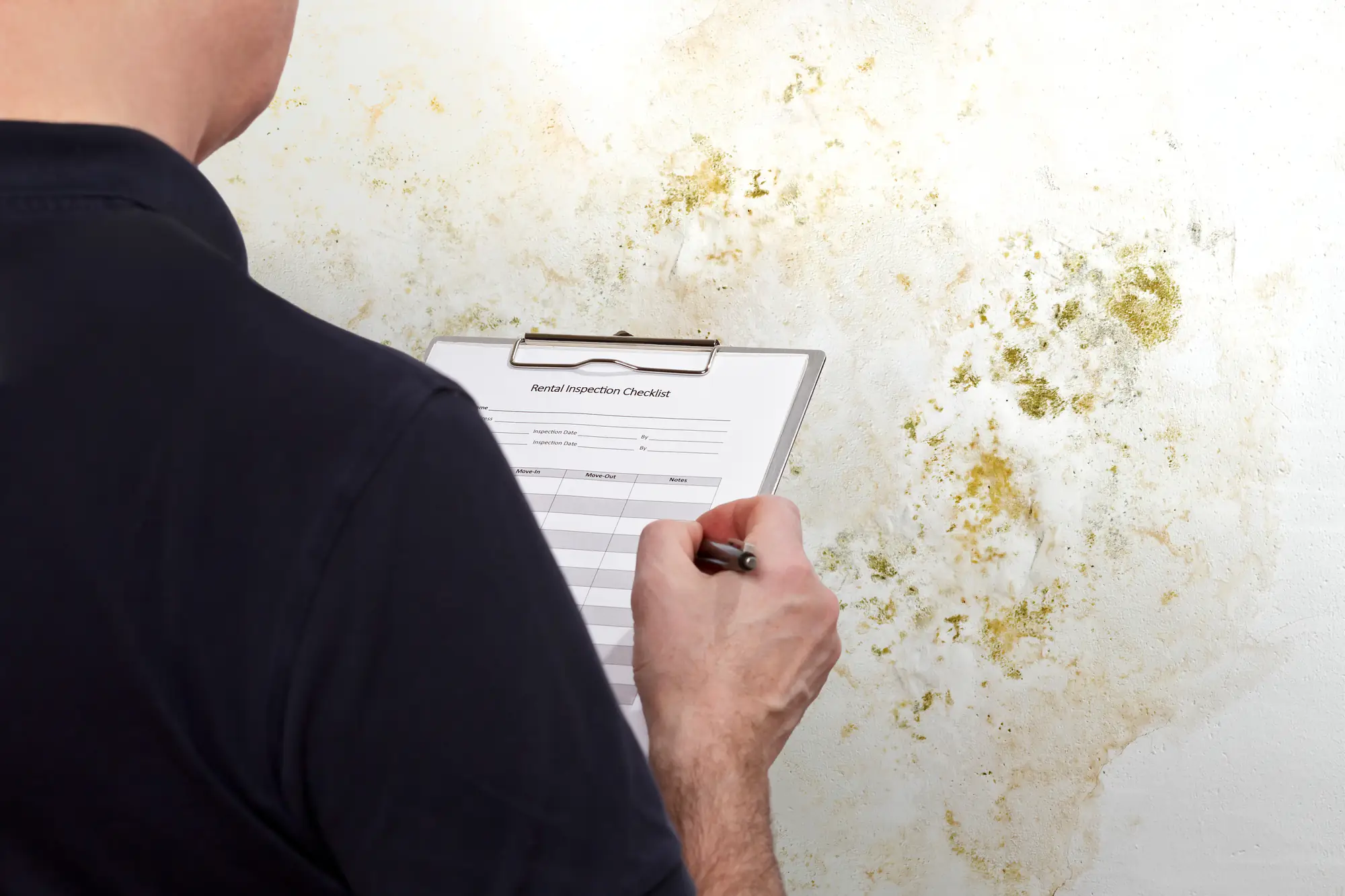
First, we schedule a time that works for you. Most inspections in Germantown happen within 24 to 48 hours of your call.
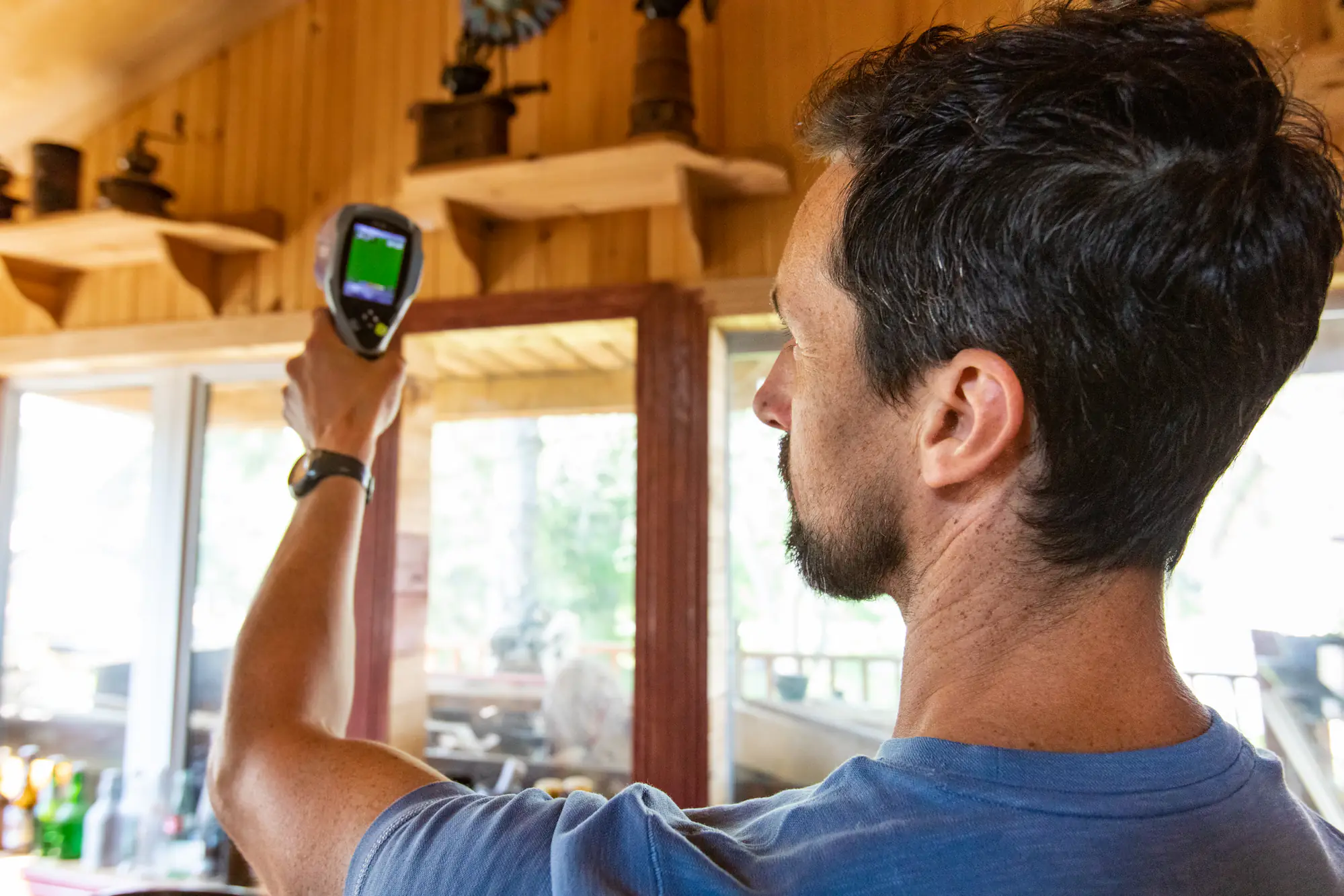
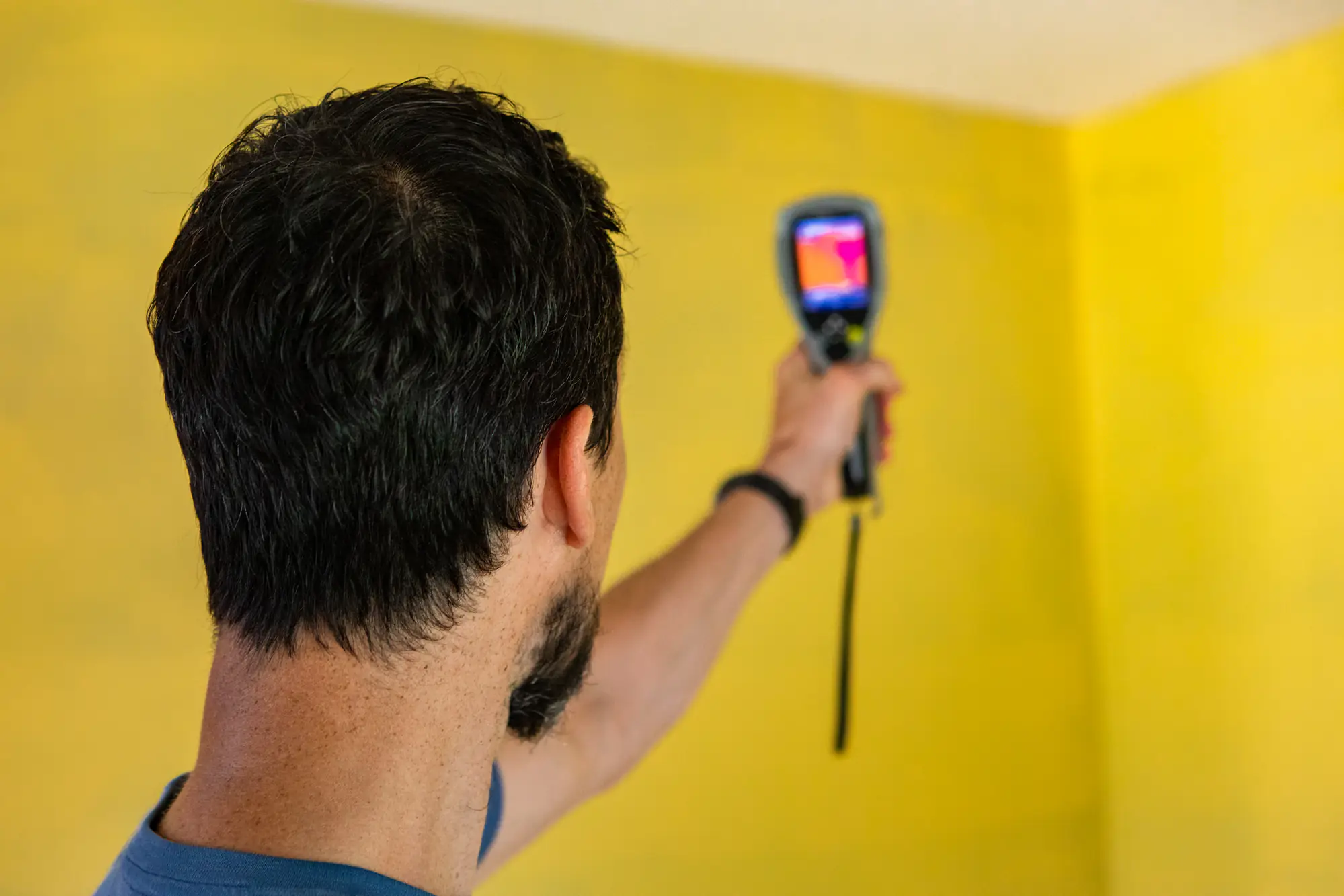
When we arrive, we walk through your home with moisture meters and thermal imaging cameras to identify areas where mold is likely growing. We’re looking for elevated humidity, temperature differences, and visible signs of water damage. These tools let us see problems behind walls and under floors without tearing anything apart.
Next, we collect samples. Air samples capture spores floating in your indoor environment. Surface samples test visible growth or suspicious areas. We label everything, document the locations, and send it all to an independent lab staffed by microbiologists.
You get results in a few days. The report shows exactly which mold species are present, their concentration levels, and whether they’re within normal ranges or elevated. We review the findings with you and explain what they mean in plain language. No jargon, no scare tactics.
If remediation is needed, you’ll have a clear roadmap. If it’s not, you’ll have proof that your home is safe.
Ready to get started?
Every mold testing service we provide includes a full visual inspection, moisture mapping with professional-grade meters, thermal imaging to detect hidden water intrusion, and lab-analyzed air and surface samples. You’re not paying for a guy with a flashlight.
In Germantown and the rest of Bucks County, we see mold most often in attics, basements, crawl spaces, and bathrooms. Pennsylvania’s climate makes these areas especially vulnerable. Summers here are humid, and when your AC runs constantly, condensation builds up in places you don’t check regularly. Add an old roof or a slow pipe leak, and you’ve got a mold problem waiting to happen.
Our inspections also measure indoor humidity levels. If your home is running above 60% relative humidity, you’re at risk even if there’s no visible mold yet. We’ll tell you that upfront so you can address it before it becomes a bigger issue.
You’ll also get a written report that’s detailed enough for insurance claims, real estate disclosures, or legal documentation. Pennsylvania law requires sellers to disclose known mold problems, and having a certified inspection protects both buyers and sellers during transactions.
Most residential mold testing in Germantown runs between $300 and $600, depending on the size of your home and how many samples you need. That’s a fraction of what remediation costs, which can easily hit $3,000 to $10,000 for a serious problem.
Testing is worth it because it tells you whether you actually need remediation in the first place. A lot of homeowners panic over a musty smell or a small patch of surface mold and assume the worst. Sometimes it’s nothing. Sometimes it’s serious. Testing gives you the facts so you’re not guessing.
If you’re buying or selling a home, the cost of testing is even easier to justify. It protects you from inheriting someone else’s mold problem or getting sued for failing to disclose one.
The on-site inspection usually takes one to two hours, depending on the size of your home and how many areas we’re testing. We’re not rushing through it. We’re checking moisture levels, using thermal imaging, collecting samples, and documenting everything.
Lab results typically come back within three to five business days. Some labs offer expedited testing if you’re in a time crunch, like during a real estate transaction with a tight closing deadline.
Once we have the results, we’ll walk you through them over the phone or in person. You’ll know exactly what species of mold were found, where the concentrations are highest, and what your next steps should be.
You can buy a DIY mold test kit at a hardware store for $10 to $50, but it’s not going to give you the same level of detail or accuracy. Most kits only tell you that mold is present, which isn’t helpful because mold is present in almost every home. What matters is the species and concentration.
Professional testing uses calibrated equipment and independent lab analysis. We’re measuring airborne spore counts, identifying specific species like black mold or aspergillus, and comparing your indoor levels to outdoor baselines. That’s how you know if you have a problem or just normal background mold.
DIY kits also don’t include a visual inspection or moisture mapping, which means you could miss hidden growth in walls, attics, or crawl spaces. If you’re serious about knowing what’s in your home, professional testing is the only reliable option.
A mold inspection is the visual walkthrough where we look for signs of mold, water damage, and moisture problems. We use tools like moisture meters and thermal cameras to find hidden issues. An inspection tells you where mold is likely growing and what’s causing it.
Mold testing goes a step further. We collect air and surface samples and send them to a lab for analysis. Testing tells you exactly what species of mold are present and whether the levels are dangerous.
Most people need both. The inspection identifies problem areas, and the testing confirms what’s actually growing there. If you’re dealing with health symptoms, preparing for remediation, or need documentation for insurance or legal reasons, testing is essential. If you just want to know if you have a moisture problem, an inspection might be enough.
If you can see mold, you know you have a problem. But testing still helps because it tells you what kind of mold it is and whether there’s more growing in places you can’t see.
Not all mold is equally harmful. Some species are mostly cosmetic. Others, like black mold, release toxins that can cause serious respiratory issues. Lab testing identifies the species so you know how urgently you need to act and what precautions to take during removal.
Testing also catches hidden growth. Visible mold is often just the tip of the iceberg. If you’ve got mold on a bathroom wall, there’s a good chance it’s also behind the drywall or under the floor. Air sampling picks up spores from hidden sources, so you’re not just treating the surface and missing the real problem.
Common symptoms of mold exposure include sneezing, coughing, itchy or watery eyes, runny nose, headaches, and fatigue. If you have asthma or allergies, mold can make those conditions worse. Some people also experience skin rashes or sinus infections that won’t go away.
The tricky part is that these symptoms overlap with a lot of other issues, like seasonal allergies or a cold. The pattern to watch for is whether symptoms improve when you leave your home and come back when you return. That’s a strong indicator that something in your indoor environment is the problem.
Mold testing gives you a definitive answer. If lab results show elevated levels of allergenic or toxic mold species in your home, you know what’s causing your symptoms. From there, you can address the source and start feeling better. If results come back clean, you can rule out mold and look into other causes.
Other Services we provide in Germantown