

Hear from Our Customers
You don’t need someone to tell you mold is scary. You need someone to tell you what kind it is, how much is there, and whether it’s actually a problem worth fixing.
That’s what independent mold testing does. We come in, take air and surface samples, send them to a certified lab, and give you a report that shows exactly what’s in your home. No remediation company breathing down your neck. No pressure to sign a contract before you’ve even seen the results.
If you’re buying a home in University City, dealing with a musty smell you can’t place, or just got water damage cleaned up and want to make sure it’s actually done, testing gives you the information you need to move forward with confidence. You’ll know if the problem is cosmetic or structural. You’ll know if your kids’ asthma symptoms are related to what’s in the air. And you’ll know whether the quote you got for removal is based on reality or inflated assumptions.
We’ve been serving University City and the greater Philadelphia area with independent mold inspections for years. We’re InterNACHI certified, we’ve completed over 2,000 inspections, and we don’t do remediation work. That last part matters more than you’d think.
When the company testing your home is also the one bidding to fix it, there’s a built-in conflict of interest. We don’t have that problem. We show up, we test, we report, and we leave you with the facts. What you do next is entirely up to you.
University City’s housing stock is old—nearly half the homes here were built before 1940. That means plaster walls, settled foundations, outdated ventilation, and plenty of opportunities for moisture to hide. We’ve seen it all, and we know how to find what’s lurking behind the walls.
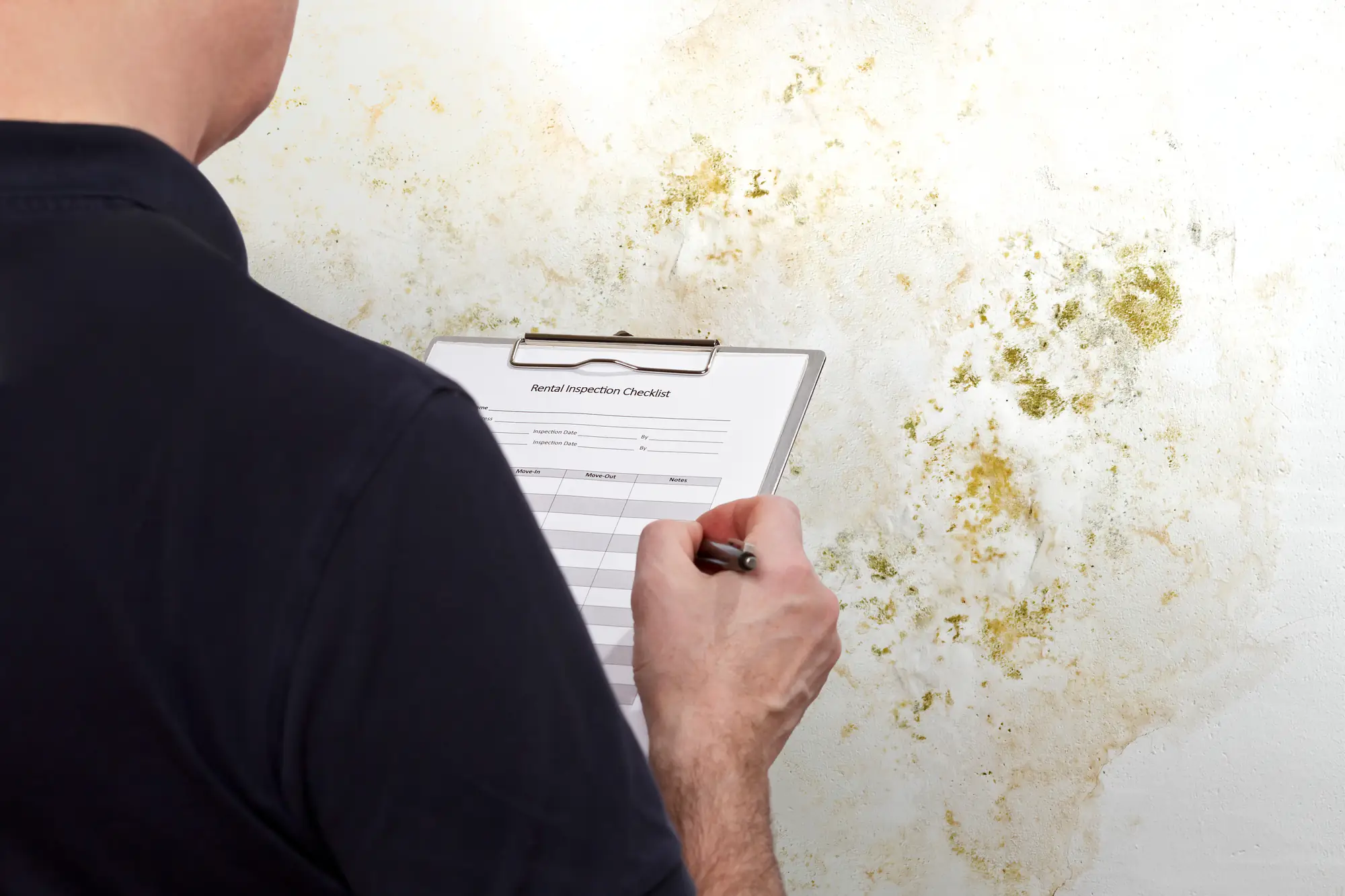
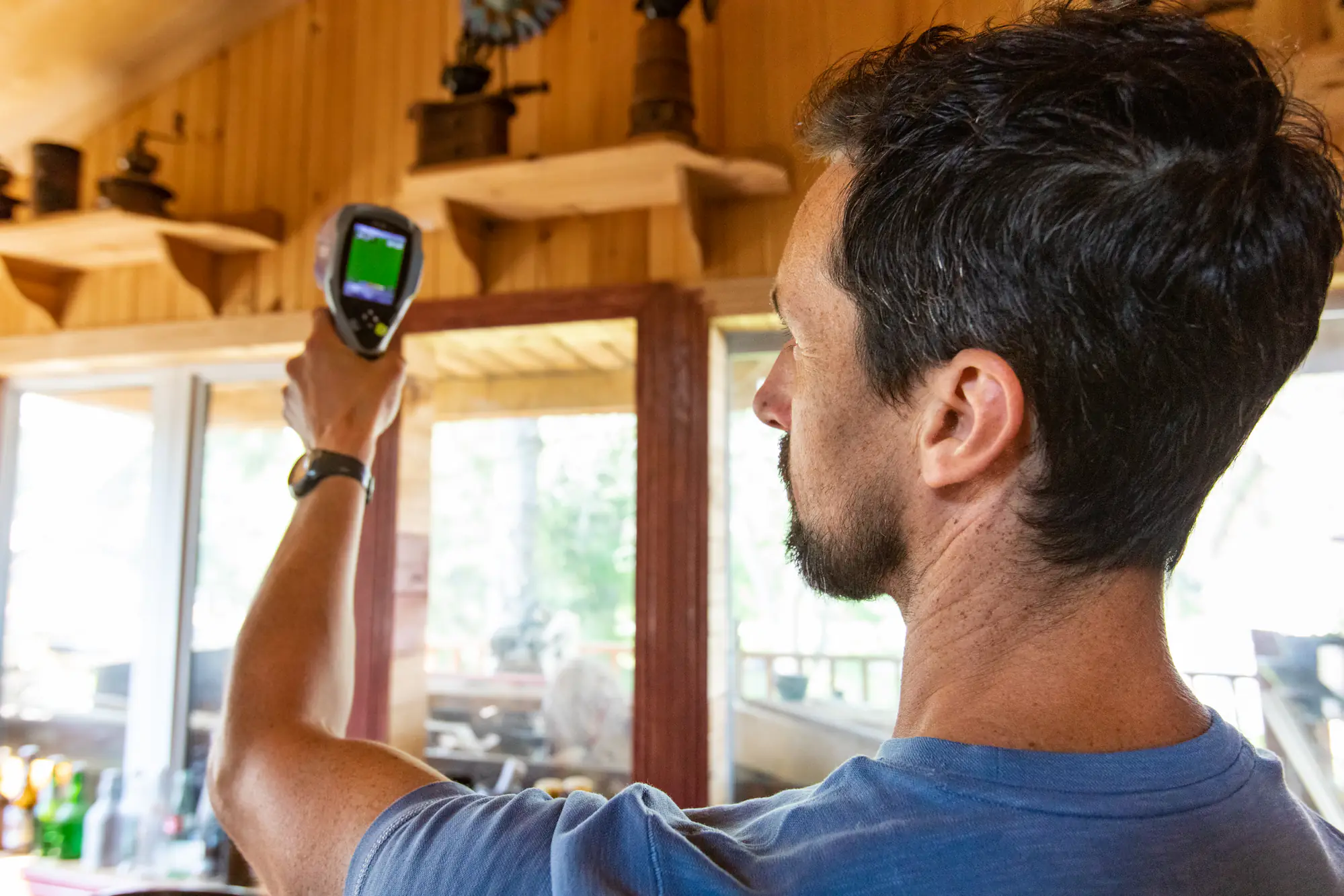
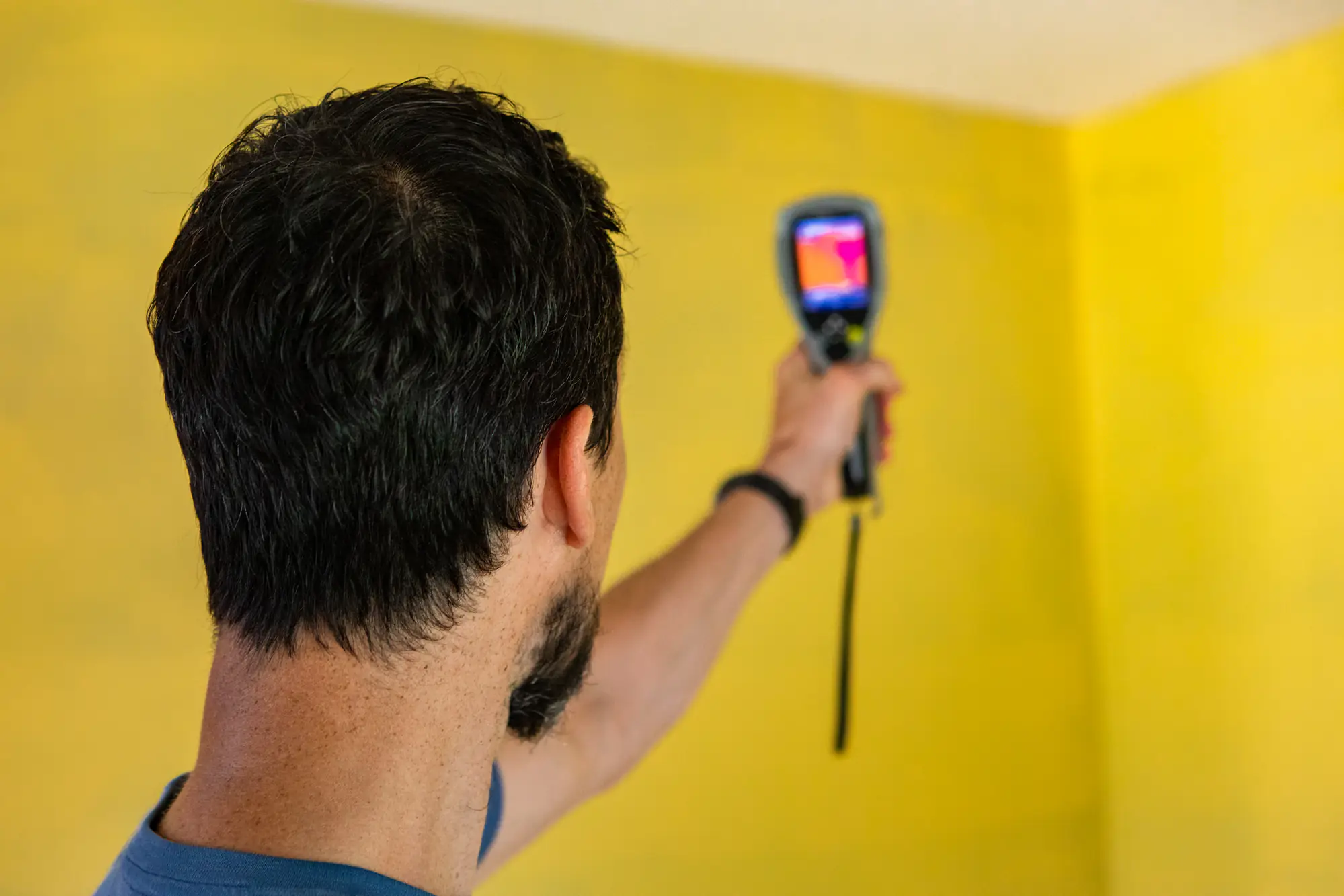
First, we walk through your home and talk about what you’re seeing, smelling, or worried about. We’re looking for visible mold, water stains, condensation, or areas where moisture tends to collect. We use thermal imaging cameras and moisture meters to find problems you can’t see.
Then we take samples. Air samples measure mold spore counts in the air you’re breathing. Surface samples test specific spots where you see discoloration or suspect growth. We send everything to an independent lab that identifies the exact species and quantities of mold present.
Within a few days, you get a detailed report. It shows what we found, where we found it, and what the lab results mean. If there’s a problem, the report includes step-by-step protocols for removal—what needs to be cleaned, what needs to be replaced, and how to address the moisture source so it doesn’t come back.
If you hire someone to do the work, you can use our report to get accurate bids. And when they’re done, we can come back and do post-remediation testing to make sure mold levels have actually returned to normal.
Ready to get started?
You get a certified inspector who’s seen this before—probably in a home just like yours. University City’s rowhomes, older apartments, and student rentals all have their quirks. Brick foundations that weep. Shared walls that trap moisture. Bathrooms with no exhaust fans. We know what to look for because we’ve been doing this in Philadelphia for years.
You get lab analysis from an independent facility that has no stake in whether you hire anyone or not. The results show species, spore counts, and comparisons to outdoor baseline levels. If the numbers are high, you’ll know. If they’re normal, you’ll know that too.
You get a written report that breaks down what’s happening and what needs to happen next. It’s not vague. It’s not designed to scare you. It’s a roadmap. You can take it to a remediation company, your landlord, your insurance adjuster, or your real estate agent. It’s yours to use however you need.
And if you’re in the middle of a real estate transaction, you get peace of mind. Buyers can move forward knowing what they’re getting into. Sellers can address problems before they tank a deal. Nobody’s guessing.
You need a mold test if you’re seeing visible growth and want to know what kind it is before you start tearing into walls. You need one if you smell something musty but can’t find the source. You need one if you’ve had water damage and want to confirm it didn’t leave a bigger problem behind.
You also need one if you’re buying a home in University City and the inspection report flagged moisture issues or visible mold. A lot of buyers skip this step and regret it later when they’re living with a problem the previous owner covered up with fresh paint.
If someone’s already telling you that you need thousands of dollars in mold removal, get an independent test first. You might find out the problem is smaller than they said. Or you might find out it’s bigger—but either way, you’ll know the truth before you spend a dime.
An inspection is the visual walkthrough. We’re looking at your home, identifying moisture sources, checking for visible mold, and using tools like thermal cameras to find hidden problems. It’s the detective work.
A test is when we actually take samples—air samples, surface samples, or both—and send them to a lab for analysis. The lab tells us what species of mold are present and in what quantities. That’s the proof.
Most of the time, you want both. The inspection tells us where to test. The test tells us what we’re dealing with. Together, they give you a complete picture. Some companies will try to sell you testing without a real inspection, or an inspection without any lab work. That’s like getting half the story. You need the full picture to make a smart decision.
The onsite part usually takes one to two hours, depending on the size of your home and how many areas we’re testing. We’re not rushing through it. We’re being thorough.
Once we collect the samples, they go to the lab. Most labs turn around results in three to five business days. If you’re in a time crunch—like you’re closing on a house or dealing with a tenant dispute—some labs offer expedited testing for an additional fee.
When the results come back, we put together a report that explains what the lab found and what it means for your situation. We’ll walk you through it if you have questions. You’re not just getting a stack of numbers. You’re getting context and next steps.
You can, but you’re probably not going to get useful information. Those kits are cheap because they’re not very accurate. They’ll tell you that mold spores are present—which is true in literally every home on earth. Mold spores are everywhere. The question is whether the levels in your home are high enough to be a problem.
DIY kits don’t give you spore counts. They don’t compare indoor levels to outdoor baselines. They don’t tell you what species you’re dealing with or whether it’s the kind that requires serious remediation. And they don’t come with an inspector who knows where to look in the first place.
If you’re trying to save money, that’s understandable. But if you’re making a decision about whether to buy a house, whether to move your family out during remediation, or whether to file an insurance claim, you need real data. A professional mold test gives you that. A kit from the hardware store doesn’t.
Because the company that finds the mold shouldn’t be the same company that profits from removing it. It’s a conflict of interest, plain and simple.
When a remediation company does your testing, they have every incentive to make the problem sound worse than it is. Bigger problem, bigger quote, bigger payday. You might need the work they’re recommending—or you might not. But you’ll never really know because they’re not objective.
We don’t do remediation. We don’t bid on removal jobs. We don’t make money unless you hire us to test. Once we hand you the report, our job is done. You can take that report to any remediation company you want, get multiple bids, and make sure you’re only paying for work that actually needs to happen. That’s the difference.
Sometimes. If the mold is the result of a covered event—like a burst pipe or a roof leak during a storm—your insurance may cover testing and remediation. If the mold is the result of long-term neglect or poor maintenance, they probably won’t.
The best thing to do is call your insurance company before you hire anyone. Ask them what’s covered and what documentation they need. In a lot of cases, they’ll want an independent mold test to verify the extent of the damage before they approve a claim.
Even if insurance doesn’t cover the testing, it’s still worth doing. You could save hundreds or thousands of dollars by knowing exactly what needs to be fixed instead of letting a remediation company guess. And if you’re dealing with a landlord or a seller who’s responsible for the problem, having a professional report gives you leverage.
Other Services we provide in University City