
Hear from Our Customers
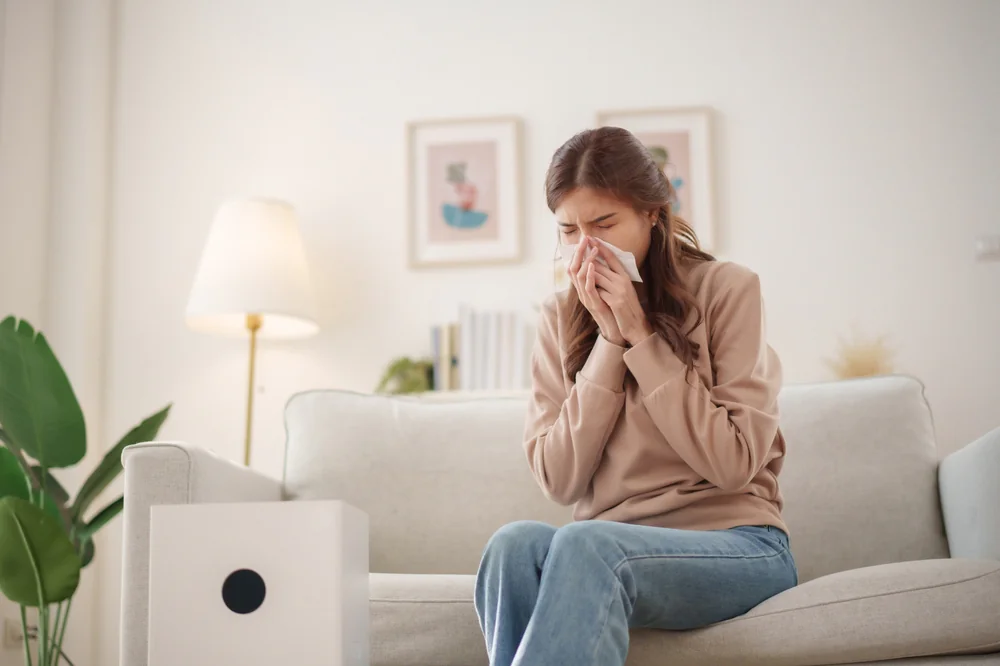
You’ve noticed the symptoms. Maybe it’s the headaches that won’t quit, or your kid’s allergies that seem worse at home than anywhere else. Maybe you’re coughing more, sleeping worse, or just feeling off whenever you’re inside.
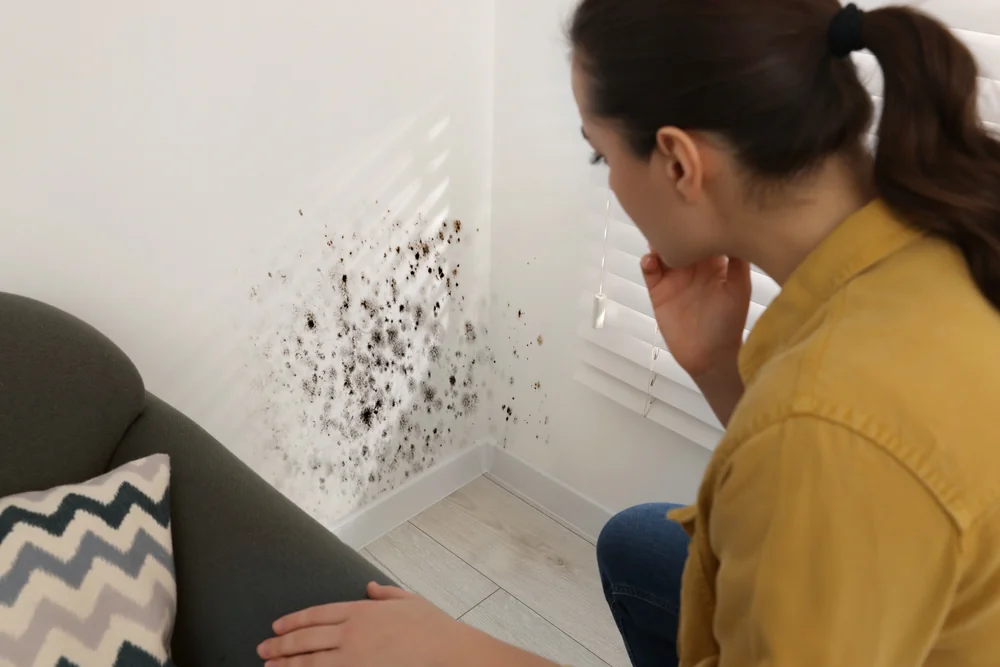
Here’s what most people don’t realize: the air inside your home can be worse than outside. And in University City, where 44% of homes were built before the 1940s, that old construction comes with old problems—mold hiding in walls, dust mites thriving in carpets, and ventilation systems that haven’t kept up.
A home air quality test tells you exactly what’s floating around in the air you’re breathing every day. We’re talking mold spores, allergens, VOCs, and other pollutants that you can’t see but your body definitely feels. Once you know what’s there, you can actually fix it instead of just living with mystery symptoms and hoping they go away.
We’ve spent years working in University City’s unique housing stock. We know these neighborhoods—the old row homes, the converted apartments, the rental properties where maintenance gets ignored until something breaks.
We’re not a national chain that parachutes in with a one-size-fits-all approach. We understand how Philadelphia’s humid summers and the way these older buildings trap moisture create the perfect environment for mold and poor air quality. That matters when you’re trying to figure out why your home feels unhealthy.
Our team uses EPA-approved methods and advanced detection equipment. We show up, we test thoroughly, and we give you straight answers about what we find—no upselling, no scare tactics.
First, we come to your home for a free inspection. We’re looking at the spaces where problems typically hide—basements, bathrooms, around windows, anywhere moisture tends to collect. We’re also asking you questions about what you’ve noticed: symptoms, smells, visible issues.
Then we conduct the actual indoor air quality test. We use specialized equipment to collect air samples from different areas of your home. This isn’t just a visual inspection—we’re capturing what’s actually in the air so it can be analyzed in a lab. We’re testing for mold spores, allergens, and other contaminants that affect how you feel every day.
After the lab processes the samples, we sit down with you and explain the results in plain language. What did we find? Where is it coming from? What does it mean for your health? And most importantly—what needs to happen next to fix it?
If there’s a problem, we’ll tell you the root cause. Maybe it’s a moisture issue, maybe it’s ventilation, maybe it’s something specific to your building’s age or construction. We give you a clear plan, upfront pricing, and no pressure. You decide what makes sense for your situation.
Ready to get started?
When we test your home’s air quality, you’re getting a comprehensive look at what’s actually happening inside your walls and in the air you breathe. We test for mold spores—the stuff that causes stuffy noses, sore throats, coughing, wheezing, and worse symptoms if you have asthma or allergies. We identify allergens like dust mites and pet dander that might be triggering reactions. And we look for other pollutants that can cause fatigue, headaches, and that general feeling that something’s just off.
This matters especially in University City, where the rental market dominates and 82% of residents don’t own their homes. If you’re renting, you might not have control over building maintenance, but you have a right to know what’s in your air. Our testing gives you documentation you can use with landlords or property managers.
For older homes—and again, nearly half the housing stock here was built before 1940—we understand the specific challenges. Aging plaster walls, outdated ventilation, moisture problems that have been ignored for decades. Philadelphia’s climate doesn’t help either. When outdoor humidity regularly exceeds 60% and buildings are sealed tight for energy efficiency, you’re trapping everything inside.
We provide detailed documentation of everything we find. That’s useful if you need it for insurance claims, property transactions, or just peace of mind that you’re not imagining the problem.
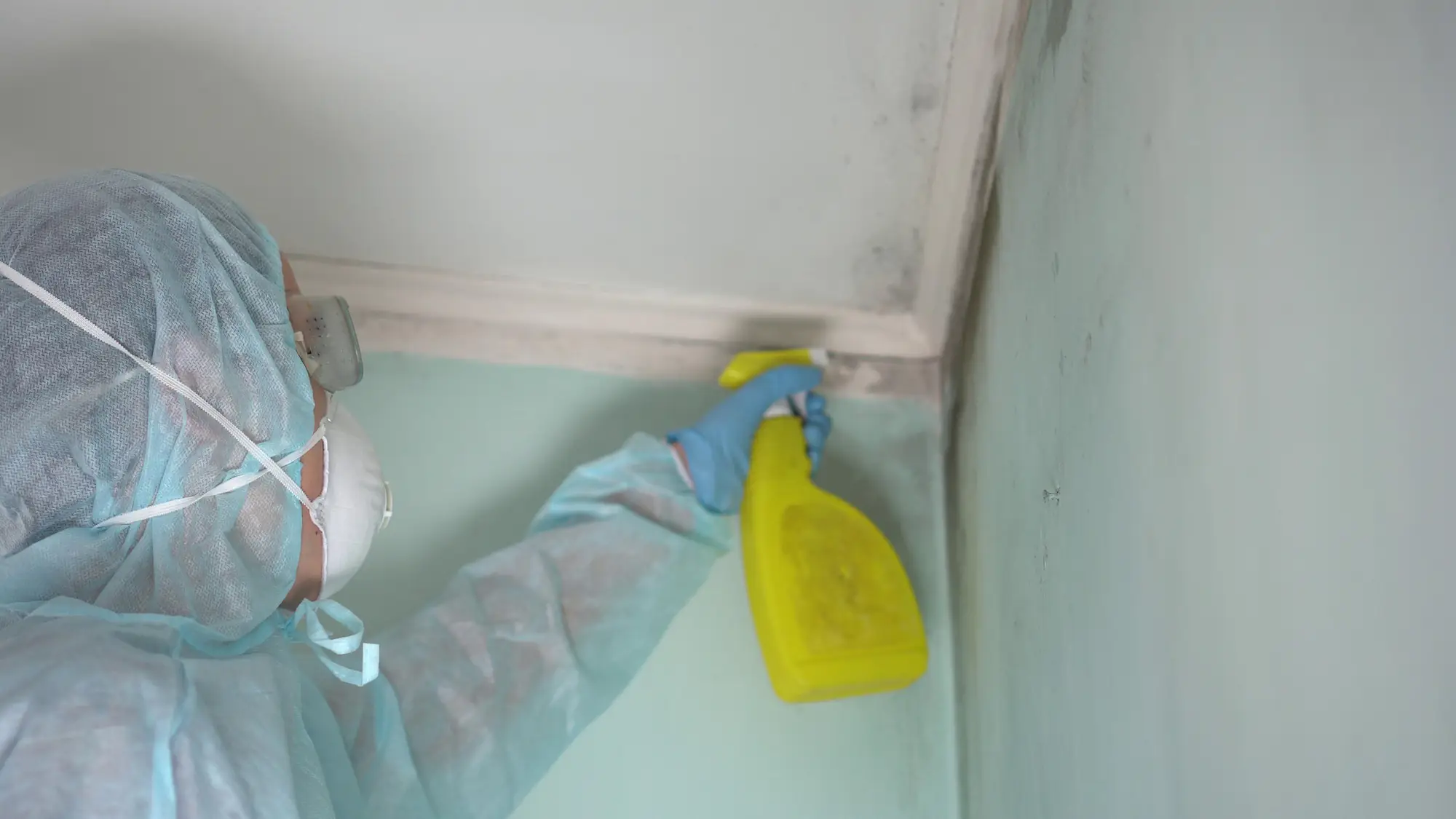
If you’re experiencing unexplained health symptoms that seem worse at home—allergies, respiratory issues, headaches, fatigue—that’s your first sign. You might also notice musty odors, visible moisture problems, or you’ve had water damage in the past that was “fixed” but you’re not sure how thoroughly.
The reality is that mold doesn’t always show itself. It grows behind walls, under floors, in HVAC systems. You can’t see it, but you’re breathing it. A mold air test captures spores in the air and identifies exactly what types of mold are present and at what concentration levels.
This is especially important in University City’s older housing stock. If your home was built before 1940, there’s a higher chance of hidden moisture issues and poor ventilation. Even if you don’t see mold, testing tells you whether it’s there and whether it’s at levels that could be affecting your health. It’s the difference between guessing and knowing.
A visual inspection is exactly what it sounds like—we look for visible signs of mold, water damage, and moisture problems. That’s useful, but it’s limited. We can only see what’s on the surface.
Air testing goes deeper. We’re collecting samples of the actual air in your home and analyzing what’s floating around in it. That means we can detect mold spores even when there’s no visible growth. We can identify allergens and other contaminants that you’d never spot with your eyes.
Think of it this way: a visual inspection tells us if there’s a problem we can see. Air quality testing tells us what you’re actually breathing. Both matter, and honestly, you want both. We typically do a visual inspection first during our free assessment, then recommend air testing if we suspect hidden issues or if you’re having symptoms but we’re not seeing obvious mold. The combination gives you the complete picture.
The actual testing process in your home usually takes one to two hours, depending on the size of your property and how many areas we’re sampling. We’re not rushing through it—we want accurate samples from the right locations.
Once we collect the air samples, they go to a certified lab for analysis. Lab results typically come back within three to five business days. Some labs can turn it around faster if you need expedited results, but the standard timeframe gives you reliable, thorough analysis.
After we get the lab results, we schedule a time to walk through them with you. We’re not just handing you a technical report and leaving you to figure it out. We explain what was found, what the numbers mean, where the problems are likely coming from, and what your options are for addressing them. That conversation usually takes 30 to 45 minutes, and we encourage questions. This is about you understanding your home’s air quality, not us showing off technical knowledge.
No. Air quality testing is non-invasive. We’re collecting air samples, not cutting into walls or tearing anything apart. We use specialized equipment that captures what’s in the air—that’s it.
Now, if we find something during the visual inspection that suggests we need to look inside a wall or under flooring, we’ll talk to you about it first. We’re not making holes in your home without your permission and a clear reason. And if we do need to do any invasive investigation, we’re careful about it, especially in University City’s older homes where you’re dealing with plaster walls and original materials that require a gentler touch.
The testing process itself leaves your home exactly as we found it. We set up our equipment, collect samples, and pack up. If remediation is needed after we get results, that’s a separate conversation with a separate scope of work. You’ll know exactly what’s involved before anything happens.
The honest answer is that it depends on the size of your home and how many areas need testing. A small apartment with one or two sample locations costs less than a full house where we’re testing multiple floors and rooms.
That said, we offer free inspections. We come out, assess your situation, and give you a clear estimate before you commit to anything. No surprise charges, no hidden fees. We believe in upfront pricing because we know air quality concerns are already stressful enough without worrying about what the bill will look like.
Most residential air quality testing in University City falls in a range that’s affordable relative to the value you’re getting—which is knowing exactly what’s in your air and whether it’s affecting your health. We also work with insurance companies when applicable, and we can help you understand what might be covered. The cost of testing is minimal compared to the cost of ignoring a mold problem or living with health symptoms that could be prevented. We’re not the cheapest option, but we’re thorough, we’re local, and we give you results you can actually use.
First, don’t panic. Finding a problem is actually good news because now you can fix it instead of wondering why you feel terrible at home. We walk you through the results, explain what we found, and identify the source of the problem—because treating symptoms without fixing the root cause just means the problem comes back.
If it’s mold, we need to address the moisture source. Maybe it’s a plumbing leak, maybe it’s humidity, maybe it’s poor ventilation. We figure out why the mold is growing, not just where it’s growing. Then we give you a detailed remediation plan with clear pricing. We use EPA-approved methods and follow all Pennsylvania regulations.
The timeline depends on the severity. Small, contained mold issues can often be remediated in a day or two. Larger problems take longer. We’re transparent about what’s involved, how long it takes, and what it costs. And because we’ve worked in University City for years, we understand the specific challenges of remediating mold in older homes without causing more damage. You’re in control of the process—we just give you the information and the plan to fix it properly.
Other Services we provide in University City