
Mold Testing in Tacony, PA

Find Out What's Growing Before It Spreads

Professional mold testing that detects hidden problems in Tacony’s older homes and rowhouses—so you know exactly what you’re dealing with.

Hear from Our Customers

Professional Mold Testing Services Tacony

Clear Answers About What's in Your Air

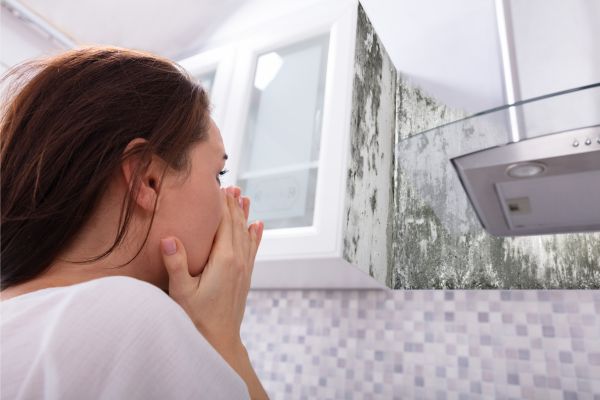
You’re not imagining it. That musty smell in the basement. The allergies that get worse when you’re home. The water stain that keeps coming back even though the leak’s been “fixed.”

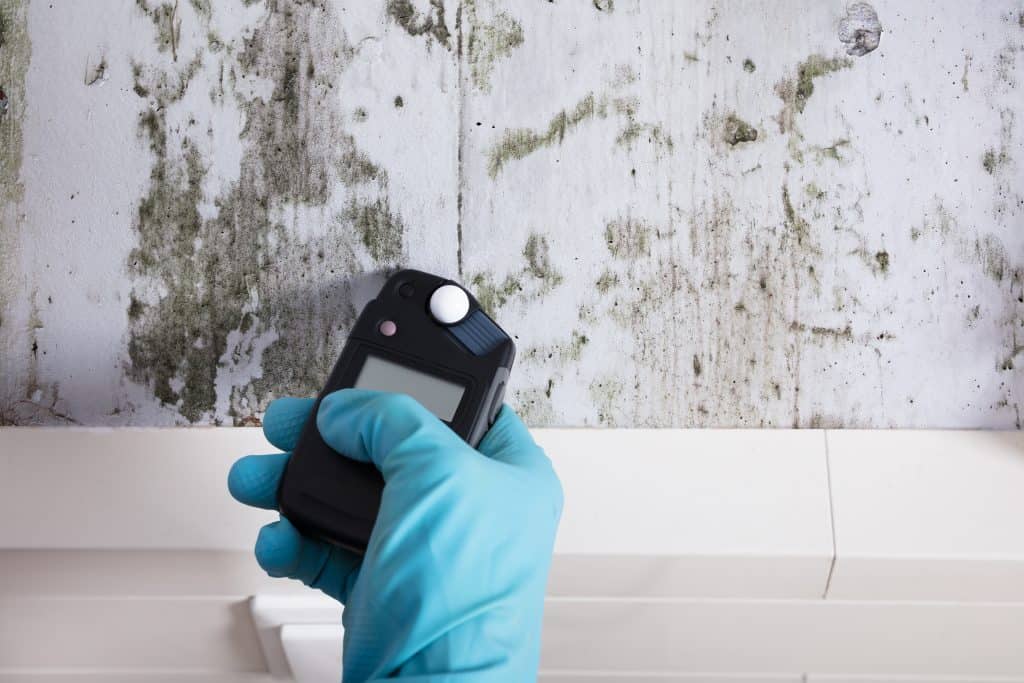
Mold testing gives you actual data. Not guesses. Not maybes. We use moisture meters, thermal imaging, and air sampling to find mold you can’t see—behind walls, under floors, in crawl spaces where Tacony’s older rowhouses tend to trap moisture.

The test results tell you what type of mold you’re dealing with, how much is there, and where it’s concentrated. That matters because not all mold requires the same response. Some situations need immediate remediation. Others just need better ventilation and a dehumidifier.

You get a report you can use—for your own peace of mind, for insurance claims, or if you’re buying or selling a home in Tacony and need third-party documentation.

Mold Check Professionals Tacony PA

We Know Tacony's Homes and Their Problems

We’ve been working in Tacony and the surrounding Philadelphia neighborhoods long enough to recognize the patterns. The shared walls in rowhouses that hide moisture transfer. The old brick that wicks water. The basements that flood every few years when the Tacony Creek area gets heavy rain.

We’re not a franchise using the same checklist in every state. We understand Pennsylvania’s humid summers and how they interact with homes built before modern vapor barriers existed. Our inspectors know where to look in Tacony’s housing stock because we’ve seen what goes wrong in these buildings.

You’re hiring local knowledge and equipment that actually finds problems—not someone reading off a script.

Our Mold Testing Process Tacony

What Happens During a Mold Inspection

First, we talk. You tell us what you’ve noticed—symptoms, smells, visible growth, water damage history. That guides where we focus the inspection.

Then we do a visual assessment of your property. We’re looking at obvious problem areas like bathrooms and basements, but also checking less obvious spots—behind appliances, around windows, in attic spaces. We use moisture meters to find elevated readings in walls and floors, and thermal imaging to spot temperature differences that indicate hidden moisture.

If we find conditions that suggest mold growth, we take samples. Air samples measure spore counts in your indoor air compared to outdoor baseline levels. Surface samples identify specific mold types. We send everything to an accredited lab.

You get results within a few days, along with a clear explanation of what they mean. If remediation is needed, we walk you through what that looks like—scope, timeline, cost. If it’s a minor issue you can handle yourself, we’ll tell you that too.

Ready to get started?

Explore More Services

About Mack's Mold Removal

Residential Mold Testing Tacony PA

Why Tacony Homes Need Regular Mold Checks

Tacony has one of the highest concentrations of rowhouses in the country. That architecture creates specific vulnerabilities. Shared walls mean moisture problems in one unit can affect neighbors. Limited exterior access makes it harder to spot roof or gutter issues before they cause interior damage.

Add in the fact that 72% of Tacony’s housing stock was built decades ago—often without the waterproofing and ventilation standards we use today—and you’ve got conditions where mold finds a way in. Pennsylvania’s climate doesn’t help. Humid summers mean moisture doesn’t evaporate easily, especially in enclosed spaces like attics and crawl spaces.

The flooding risk is real here too. A third of Tacony properties face significant flood risk over the next 30 years. Even minor water intrusion creates perfect conditions for mold growth within 24 to 48 hours.

Professional mold testing catches problems early, before they become structural issues or health hazards. It’s especially important if you’re buying an older Tacony home, dealing with a persistent leak, or noticing health symptoms that seem worse indoors. The test gives you documentation and a clear path forward.

How much does mold testing cost in Tacony, PA?

Most residential mold testing in Tacony runs between $200 and $600, depending on your home’s size and how many areas need sampling. A basic inspection with air sampling for a small rowhouse sits at the lower end. Larger homes or properties where we’re testing multiple rooms and taking several surface samples cost more.

The price includes the visual inspection, moisture readings, sample collection, lab analysis, and a written report with findings and recommendations. If you’re testing because of a known water damage event or you’re seeing visible growth in multiple areas, expect to be toward the higher end of that range.

Some companies charge extra for things like thermal imaging or same-day results. We include the equipment and methods needed to do the job right in our standard pricing. You’ll know the cost upfront before we start.

A mold inspection is the visual assessment—walking through your property, checking for visible growth, measuring moisture levels, identifying conditions that support mold. It’s the detective work that tells us if there’s likely a problem and where it’s located.

Mold testing takes it further. We collect actual samples—air samples that measure spore counts or surface samples from suspected growth areas—and send them to a lab. The lab identifies the specific types of mold present and quantifies how much is there. That data confirms whether you have a mold problem, how serious it is, and what species you’re dealing with.

You don’t always need testing. If there’s obvious mold growth from a known water leak, testing just delays remediation. But if you’re experiencing symptoms without visible mold, buying a home, dealing with a landlord dispute, or need documentation for insurance, testing provides the proof and specifics you need. We’ll tell you honestly whether testing makes sense for your situation.

You can buy a black mold test kit at the hardware store, but it won’t tell you much that’s useful. Most kits just confirm that mold spores exist—which they do in basically every building. They don’t measure concentration levels, identify specific species, or tell you if the levels are actually problematic.

The bigger issue is that home kits can’t replicate proper sampling technique. Air sampling requires calibrated pumps that pull a specific volume of air through the collection medium. Surface sampling needs to be done in a way that doesn’t cross-contaminate or miss the actual growth. And you need a baseline outdoor sample to compare against indoor readings—otherwise the numbers are meaningless.

Professional mold testing also includes the inspection component. We find the mold you can’t see, identify the moisture source feeding it, and give you a complete picture of what’s happening in your home. A $40 kit might tell you mold exists. It won’t tell you where it’s coming from, how bad it is, or what to do about it. If you’re serious about getting answers, hire someone with proper equipment and training.

Plan on two to three hours for a thorough inspection of a typical Tacony rowhouse. That includes time to walk through every level, check common problem areas, use moisture meters and thermal imaging on walls and ceilings, inspect the basement and any attic access, and collect air or surface samples if needed.

Larger homes or properties with known water damage take longer. If you’ve got a finished basement, multiple bathrooms, or we’re investigating several areas where you’ve noticed issues, we might be there closer to four hours. We’re not rushing through with a clipboard. We’re checking behind things, looking in crawl spaces, and using equipment that takes time to get accurate readings.

You’ll get preliminary findings before we leave—what we saw, where moisture levels are elevated, whether visible growth is present. Lab results on any samples come back within three to five business days. Then we send you a complete written report with photos, data, and our recommendations. The whole process from inspection to final report typically wraps up within a week.

Musty odors are the most common sign, especially in basements, bathrooms, or rooms that don’t get much airflow. If you smell it but can’t see visible growth, that’s when testing makes sense. The mold is likely hidden—behind drywall, under flooring, in wall cavities.

Health symptoms that improve when you leave the house are another red flag. Persistent coughing, headaches, respiratory irritation, or allergy symptoms that seem worse at home can indicate mold exposure. About 10% of people are severely allergic to mold, and kids exposed to household mold have higher asthma rates.

Water damage history is a big one. If you’ve had leaks, flooding, or plumbing issues—even if they were “fixed”—mold may have started growing in the affected areas. Tacony homes face real flood risk, and older rowhouses often have slow leaks that go unnoticed for months.

Other signs include visible water stains, peeling paint, warped floors, condensation on windows, or rooms that feel more humid than others. If you’re buying a home in Tacony and the inspector noted moisture issues or you’re in a landlord-tenant situation where someone’s refusing to address a potential mold problem, testing gives you documentation.

No, you can stay home during the inspection and testing process. We’re not using chemicals or doing anything that creates fumes or safety concerns. Most of what we’re doing is visual inspection, taking moisture readings, and collecting samples with sterile swabs or air pumps.

Some people prefer to be there so they can point out specific areas of concern, ask questions while we work, and see firsthand what we’re finding. Others leave and let us do our thing. Either way works.

The only time you’d need to leave is during actual mold remediation if testing confirms you need it. That process involves containment, air filtration, and removal of contaminated materials—which does create dust and disturbance you don’t want to breathe. But the testing itself is non-invasive. We’re gathering information, not tearing anything apart.

Other Services we provide in Tacony