

Hear from Our Customers
You’re not looking for a quick wipedown with bleach. You need someone who understands why mold showed up in the first place and how to make sure it doesn’t return next season.
Tacony’s humid summers and aging rowhouses create perfect conditions for mold growth behind walls, under floors, and in crawl spaces you can’t see. That’s where most homeowners get stuck—they clean what’s visible and think they’re done. Then it’s back in six weeks.
Real mold removal means finding the moisture source. Whether it’s a slow leak, poor ventilation, or water damage that never fully dried, we identify what’s feeding the problem. Then we remove the contamination safely, treat affected areas with professional-grade solutions, and address the conditions that allowed it to grow. You’re left with clean air, dry surfaces, and a plan that actually holds up through Philadelphia’s next rainy stretch.
We’ve been handling mold problems across Philadelphia County since 1997. We’ve worked in hundreds of Tacony homes—older builds with basement moisture issues, newer construction with ventilation gaps, and everything in between.
Our team includes certified mold remediation specialists trained in EPA standards and Pennsylvania regulations. We use thermal imaging to detect hidden moisture, air sampling to measure contamination levels, and containment protocols that keep spores from spreading during removal.
We’re not a franchise or a national chain. We’re local, we understand how this area’s climate affects your home, and we show up when we say we will. Most quote requests get a callback within 24 hours.

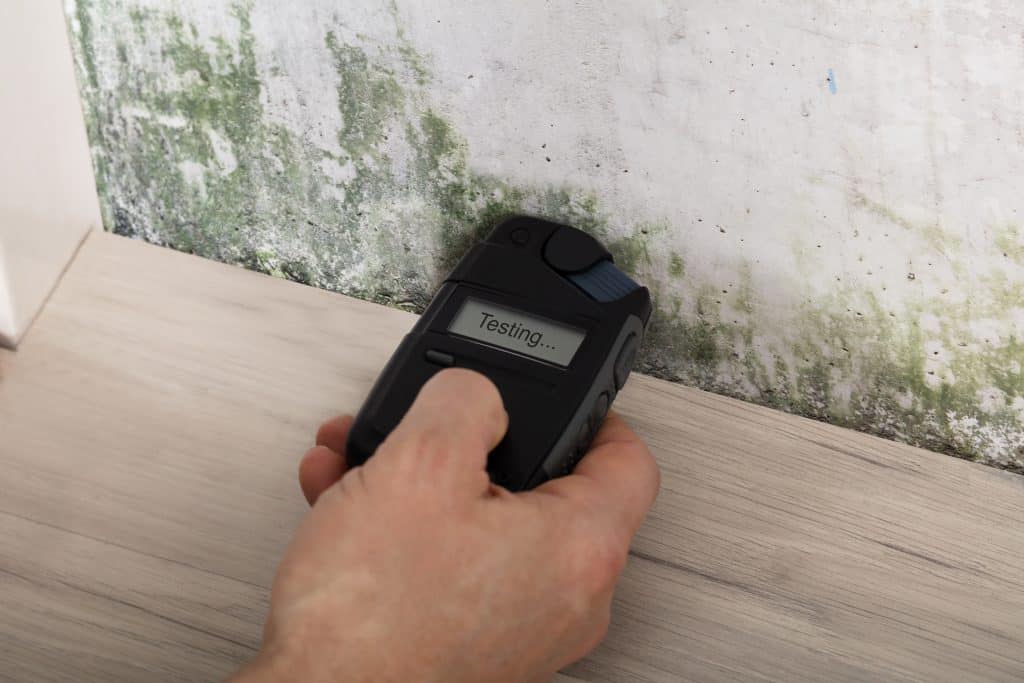
First, we schedule a free inspection. One of our certified specialists comes to your home, checks the visible mold, and uses moisture meters and thermal cameras to find what you can’t see. We’re looking for the source—not just the symptoms.
Next, we test the air quality and take samples if needed. This tells us what type of mold you’re dealing with and how widespread the contamination is. Then we walk you through a removal plan that’s specific to your situation, including timeline and cost.
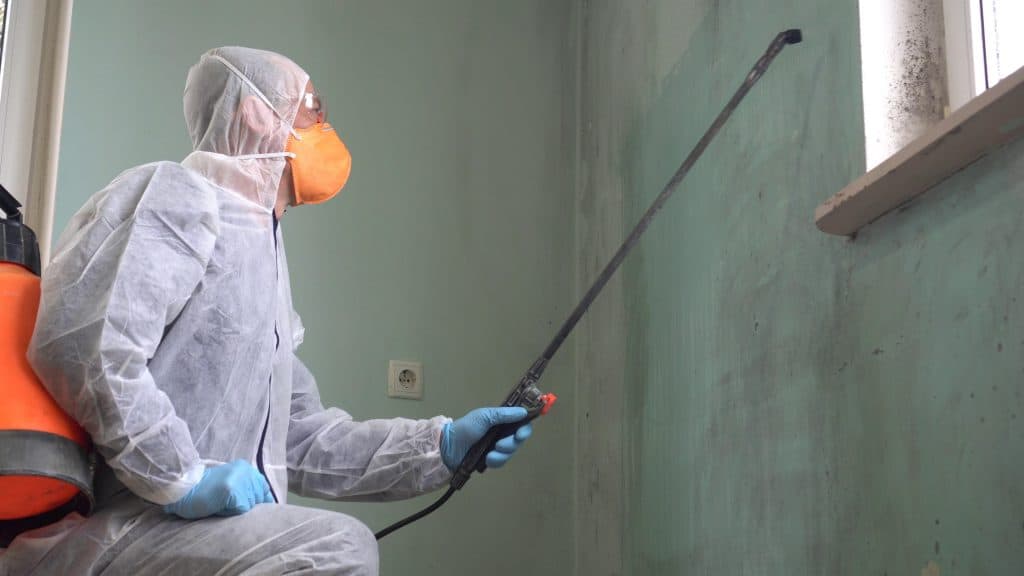
During remediation, we set up containment barriers to isolate affected areas and prevent cross-contamination. We remove contaminated materials safely, treat surfaces with antimicrobial solutions, and dry everything completely using industrial dehumidifiers and air movers. Once removal is done, we address the moisture problem—whether that’s fixing a leak, improving airflow, or recommending a dehumidifier for your basement. Finally, we do a post-remediation inspection to confirm the mold is gone and the environment is dry.
Ready to get started?
Every job starts with a thorough inspection using advanced detection tools. You get a detailed assessment of what’s growing, where it’s growing, and why. We don’t skip the testing phase—it matters for safety and for building an effective plan.
Removal includes full containment setup, safe extraction of contaminated materials, HEPA filtration during the process, and antimicrobial treatment of all affected surfaces. We handle black mold removal, attic mold from roof leaks, basement mold from groundwater issues, and crawl space contamination common in Tacony’s older housing stock.
We also focus on prevention. Philadelphia’s coastal humidity and frequent rain mean your home is always at risk if the conditions are right. We identify ventilation problems, recommend moisture control solutions, and help you understand what to watch for. If your mold issue is tied to a water damage event, we can document everything for insurance claims. You’re not just getting mold cleaned up—you’re getting a plan that keeps your air quality safe long-term.
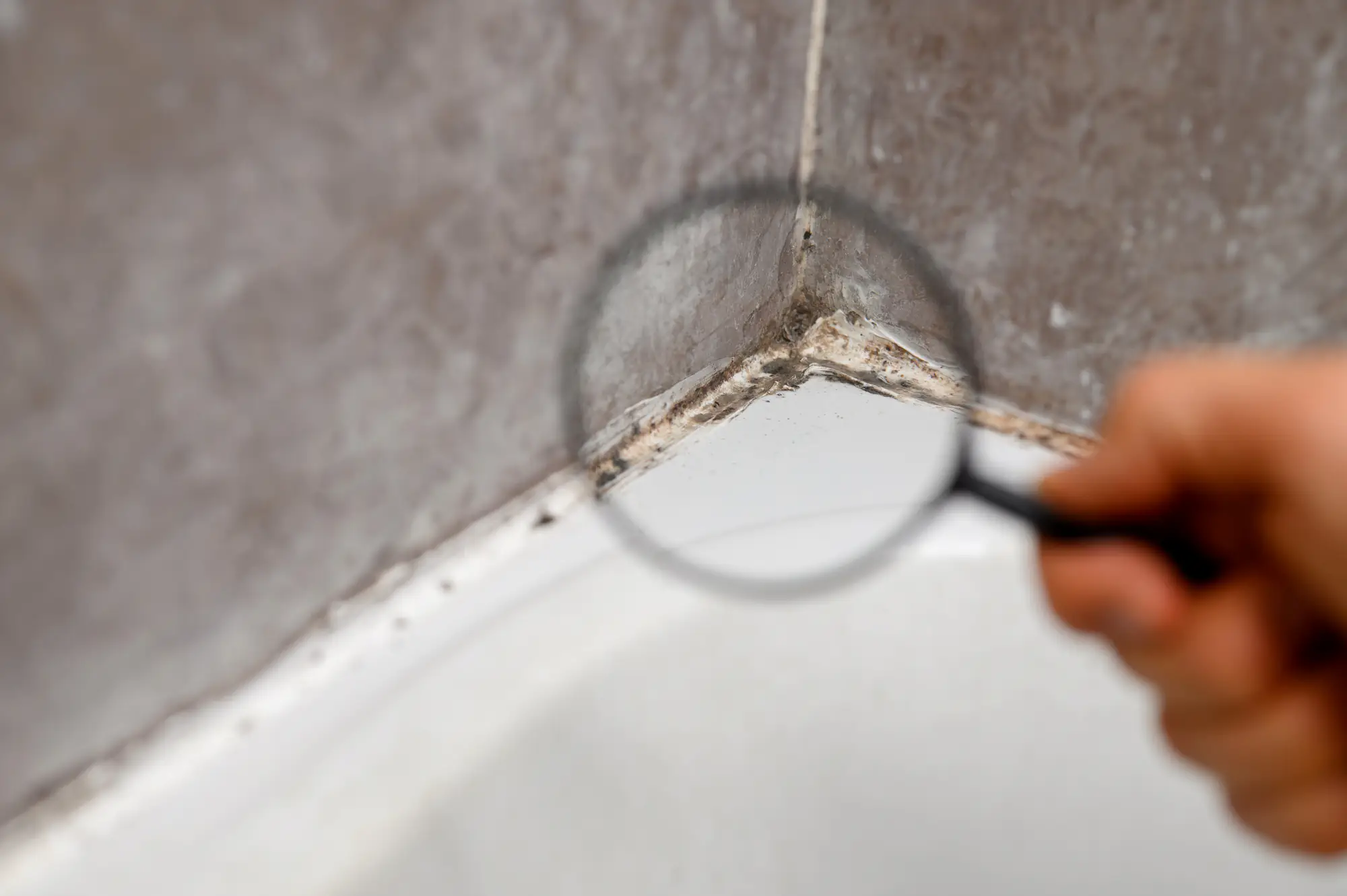
If you can see mold growing on walls, ceilings, or floors, you need professional removal. If you smell a musty odor but can’t find the source, you likely have hidden mold that needs detection equipment to locate.
DIY cleaning with bleach only works on hard, non-porous surfaces and only treats what’s visible. It doesn’t kill mold embedded in drywall, wood, or insulation. It also doesn’t address the moisture problem causing the growth. Most homeowners who try to handle mold themselves see it return within weeks because the root cause wasn’t fixed.
Professional mold removal includes testing to identify the contamination level, containment to prevent spread, safe removal of affected materials, and moisture control to stop recurrence. If the mold covers more than 10 square feet, if it’s caused by contaminated water, or if anyone in your home has respiratory issues, the EPA recommends hiring a certified specialist.
Mold removal refers to physically taking out contaminated materials and cleaning affected surfaces. Mold remediation is the full process—removal plus fixing the conditions that allowed mold to grow in the first place.
You can remove visible mold, but if you don’t address the leak, the humidity problem, or the ventilation issue, it’s coming back. Remediation means identifying the moisture source, repairing it, drying out the space completely, and setting up conditions that prevent future growth.
In Tacony, that often means dealing with basement moisture from aging foundations, attic condensation from poor airflow, or bathroom mold from exhaust fans that don’t actually vent outside. Real remediation handles all of it. You’re not paying for a temporary fix—you’re paying to solve the problem.
Most residential mold removal jobs take between one and three days, depending on the size of the affected area and how much material needs to be removed. A small bathroom with surface mold might be done in a day. A basement with widespread contamination could take longer.
The timeline also depends on drying time. If we’re treating an area that had water damage, we need to bring moisture levels down to safe levels before we can close everything up. That might mean running dehumidifiers and air movers for 48 to 72 hours.
We’ll give you a clear timeline during the inspection. If you’re dealing with an urgent situation—like mold discovered during a home sale or a health issue that needs immediate attention—we prioritize fast turnaround. But we don’t rush the process at the expense of doing it right. Mold that’s not fully removed just grows back.
It depends on what caused the mold. Most homeowners insurance policies cover mold removal if it’s the result of a covered peril—like a burst pipe, roof leak from storm damage, or appliance malfunction. They typically don’t cover mold caused by long-term neglect, lack of maintenance, or flooding.
The key is documentation. If you had a water damage event and mold appeared within 48 to 72 hours, that’s usually covered. You’ll need proof of the original damage, photos of the mold, and a professional assessment. We can provide detailed reports and work directly with your insurance adjuster if needed.
If your mold is caused by ongoing humidity, poor ventilation, or a slow leak you didn’t know about, coverage gets tricky. Some policies have mold limits—often around $10,000. It’s worth calling your insurance company as soon as you discover mold to understand your coverage before starting work.
It depends on the size and location of the contamination. For small, contained areas like a bathroom or closet, most families can stay in the home as long as we set up proper containment barriers and negative air pressure to keep spores from spreading.
For larger jobs—like a basement with extensive black mold or an attic remediation that affects living spaces below—we usually recommend staying elsewhere during active removal. Mold spores become airborne during the removal process, and even with containment, sensitive individuals can react.
If anyone in your home has asthma, allergies, or a compromised immune system, it’s safer to leave during remediation regardless of the job size. We use HEPA filtration and containment protocols, but there’s always some level of disturbance. We’ll walk you through the risks during your inspection so you can make an informed decision. Most jobs are fast enough that a few nights at a family member’s house or hotel covers it.
Don’t try to clean it yourself if it’s larger than a small patch. Disturbing mold releases spores into the air, and without proper containment, you’re spreading the problem to other areas of your home.
First, identify and stop the moisture source if you can. If it’s a leaking pipe, shut off the water. If it’s a roof leak, put a bucket under it and call a roofer. If it’s condensation or humidity, run a dehumidifier and increase ventilation. Mold needs moisture to grow—cutting off the supply slows it down.
Next, call us for an inspection. We’ll assess the contamination, test the air quality, and give you a clear plan. Don’t wait weeks hoping it goes away. Mold spreads fast, especially in Tacony’s humid climate. The longer it sits, the more material gets damaged and the higher your removal costs climb. If you’re seeing visible growth or smelling that musty odor, it’s time to call.
Other Services we provide in Tacony