
Hear from Our Customers
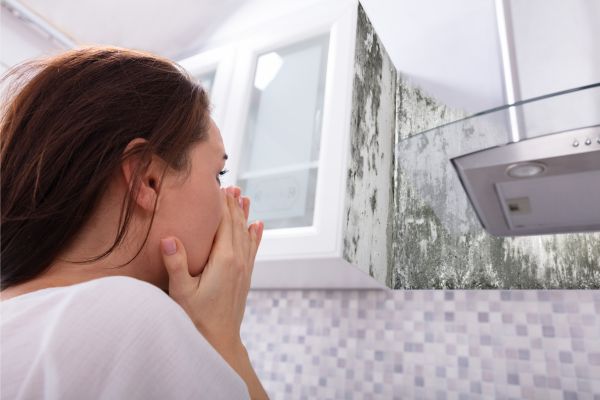
You’ve got a musty smell that won’t go away. Or maybe you saw something dark creeping up a corner of the basement. Could be nothing—or it could be the kind of problem that tanks a home sale or keeps your family sick for months.
Here’s what matters: you need to know what you’re dealing with before you can fix it. A professional mold inspection gives you that clarity. We test the air, check behind walls, and use infrared cameras to spot moisture you can’t see. You get a report that tells you the type of mold, where it’s hiding, and how serious the contamination is.
That report matters when you’re buying or selling a home in Girard Estate. It matters when your kid’s asthma won’t let up. And it matters when you’re trying to figure out if that water leak three months ago left something behind. Testing isn’t about fear—it’s about knowing, so you can move forward with confidence.
We’ve been helping homeowners and property managers across Philadelphia County get straight answers about mold for years. We’re local, we’re certified, and we don’t have a stake in scaring you into expensive work you don’t need.
Girard Estate sees its share of moisture issues—older homes, humid summers, and Pennsylvania’s rising precipitation levels mean mold isn’t rare here. We’ve tested hundreds of properties in Bucks, Montgomery, Delaware, and Chester counties. We know what grows here, where it hides, and what actually needs attention versus what’s just cosmetic.
You’ll get a callback within 24 to 48 hours, a thorough inspection, and a report you can hand to your insurance company, your real estate agent, or your remediation contractor. No runaround. No jargon. Just the facts.
First, we schedule a time that works for you—usually within a couple of days. When we arrive, we walk through your home and ask about any water damage, leaks, or health symptoms you’ve noticed. That context helps us know where to focus.
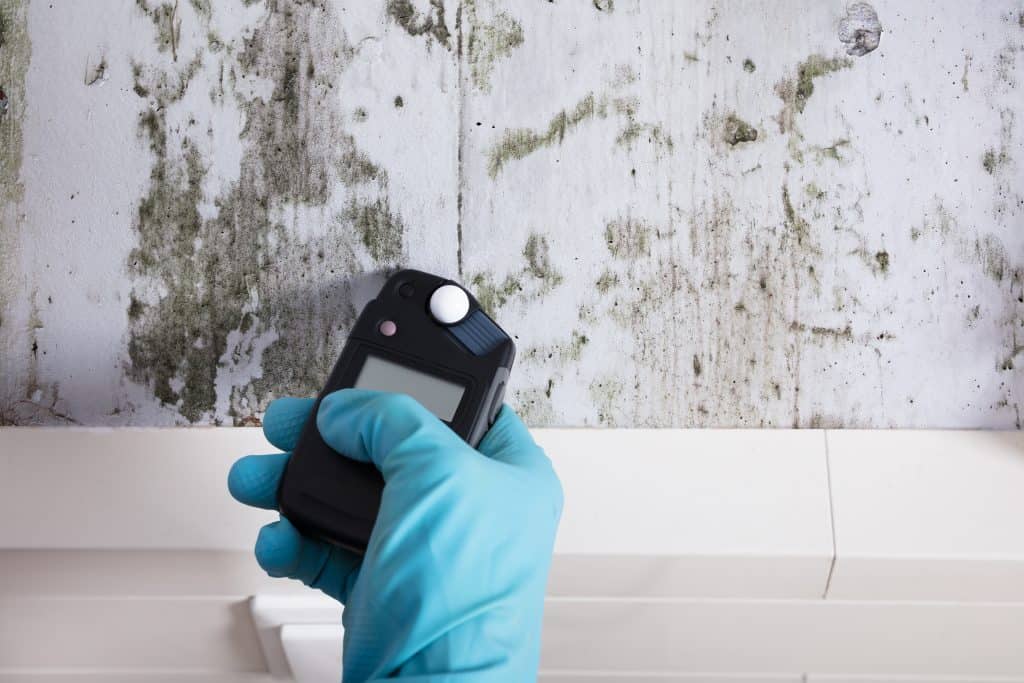
Next, we start the inspection. We check visible areas first—bathrooms, basements, crawl spaces, attics. Then we use moisture meters and infrared cameras to find hidden water sources. Mold grows where moisture sits, so if there’s a leak behind drywall or under flooring, we’ll find it. We also take air samples and surface samples to identify the mold species and measure contamination levels.
Once testing is done, samples go to a certified lab. You’ll get a detailed report within a few days that breaks down what we found, where we found it, and what it means for your health and your property. If remediation is needed, we’ll explain what that looks like—but the testing itself is independent. We’re not here to sell you a fix. We’re here to give you the truth so you can make the right call.
Ready to get started?
A mold check from professionals isn’t just someone poking around with a flashlight. You’re getting a full assessment that includes visual inspection, moisture mapping, air quality testing, and surface sampling. We document everything with photos and notes, so there’s no confusion later.
In Girard Estate and the surrounding Philadelphia neighborhoods, older housing stock means more opportunities for hidden mold. Basements with stone foundations, aging plumbing, poor ventilation—these are common issues here. We’ve seen black mold behind wallpaper in row homes and toxic growth in crawl spaces that hadn’t been opened in decades. Testing catches these problems before they become health hazards or financial disasters.
Real estate transactions are another big reason people call us. If you’re buying a home, a mold inspection protects you from inheriting someone else’s problem. If you’re selling, it proves your property is clean and prevents deals from falling apart at the last minute. About 22% of delayed closings involve environmental issues like mold—getting ahead of it saves time, money, and stress.
Most residential mold inspections in the Girard Estate area run between $300 and $600, depending on the size of your home and how many samples we need to collect. If you’ve got a smaller rowhome with one area of concern, you’re looking at the lower end. Larger properties or homes with multiple moisture issues will cost more because there’s more ground to cover and more lab work involved.
Here’s what affects the price: square footage, number of rooms, accessibility of areas like crawl spaces or attics, and whether we’re doing air testing, surface testing, or both. Air samples test what you’re breathing. Surface samples test what’s growing on walls, floors, or ceilings. Most inspections include both to give you the full picture.
We’ll give you a clear quote before we start. No surprises, no upselling. You’ll know exactly what you’re paying for and why it matters.
Plan on about two to three hours for a typical home inspection in Girard Estate. That includes the walkthrough, moisture detection, sample collection, and time for us to answer your questions. Larger homes or properties with extensive water damage history might take longer.
The lab analysis adds a few more days. Most results come back within three to five business days. If you’re working against a real estate closing deadline, let us know upfront—we can often expedite lab processing to get you answers faster.
Once we have the results, we’ll walk you through the report over the phone or in person. You’ll understand what was found, what it means, and what your options are. No waiting around wondering what happens next.
If you can see mold, you know you’ve got a problem—but testing still tells you what kind of problem and how far it’s spread. Not all mold is the same. Some species are relatively harmless. Others, like black mold, produce toxins that cause serious health issues, especially for kids, elderly family members, or anyone with asthma or immune problems.
Testing also finds hidden growth. What you see on the bathroom ceiling might just be the tip of it. Mold spreads through spores you can’t see, and it grows in places you can’t reach—inside walls, under flooring, in HVAC ducts. An inspection maps the full extent of contamination so you’re not just treating the visible stuff and leaving the real problem untouched.
For insurance claims, testing is usually required. Insurers want documentation of what’s there and what caused it before they’ll approve a claim. For real estate deals, buyers and lenders often require it too. Even if you’re not selling, testing gives you a baseline so you know if remediation actually worked.
A standard home inspection covers the overall condition of a property—roof, foundation, electrical, plumbing, HVAC. The inspector might note visible mold or moisture issues, but they’re not trained to test for mold species or measure contamination levels. Most home inspectors won’t even mention mold unless it’s obvious, and they definitely won’t tell you if it’s toxic.
A mold inspection is specialized. We’re looking specifically for mold growth, moisture sources, and air quality issues. We use equipment home inspectors don’t carry—moisture meters, infrared cameras, air sampling pumps, lab-grade swabs. We’re trained to identify different mold types and understand what health risks they pose.
If you’re buying a home in Girard Estate, get both. The home inspection tells you if the house is structurally sound. The mold inspection tells you if it’s safe to live in. They’re not the same thing, and one doesn’t replace the other.
You can buy a mold test kit at the hardware store for $10 to $50, but here’s the problem: those kits only tell you that mold is present. They don’t tell you what kind, how much, or where it’s coming from. Every home has some mold spores in the air—that’s normal. What matters is the type and concentration, and DIY kits can’t measure that accurately.
Professional testing uses calibrated equipment and certified labs. We know where to sample, how to avoid contamination, and how to interpret results in context. A DIY kit might pick up harmless mold from your houseplants and make you panic, or it might miss toxic growth hiding in your walls because you didn’t test the right spot.
If you’re dealing with health symptoms, a real estate transaction, or visible growth, don’t gamble on a $20 kit. The money you save upfront costs you more later when you don’t have the information you actually need to fix the problem.
We typically schedule inspections within 24 to 48 hours of your call. If you’ve got an urgent situation—like a closing deadline or a family member with severe respiratory symptoms—we’ll do everything we can to get there faster.
Once we’re onsite, the inspection itself takes a few hours. Lab results come back in three to five business days under normal circumstances. If you need expedited results for a time-sensitive real estate deal, we can request a rush analysis from the lab. That usually cuts the turnaround to 24 to 48 hours, though it does cost a bit more.
Bottom line: you won’t be waiting weeks. We know mold issues don’t sit still, and neither do closing dates. We move fast so you can make decisions with the information you need, when you need it.
Other Services we provide in Girard Estate