
Hear from Our Customers
That musty smell in your basement isn’t going away on its own. Your kid’s allergies seem worse at home than anywhere else. You’re about to close on a house and need to know what’s really behind those walls.
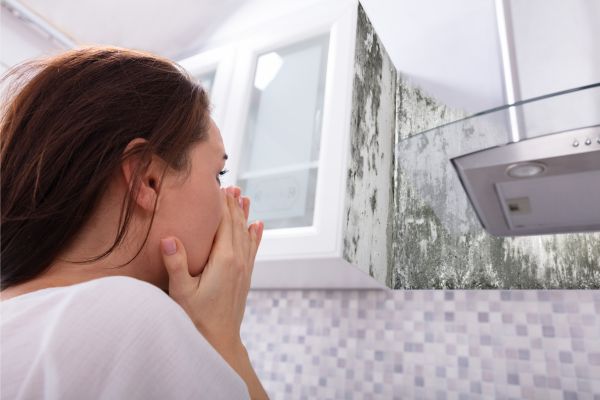
Here’s what matters: mold doesn’t announce itself until it’s already a problem. By the time you see visible growth or smell that distinctive odor, you’re often looking at contamination that’s been spreading for weeks or months. In Lumberville’s humid climate—especially during summer when moisture levels consistently hit the range where mold thrives—hidden growth in wall cavities, crawl spaces, and HVAC systems is common.
Professional mold testing gives you the full picture. Not guesswork. Not a hardware store kit that only tests what’s visible. You get thermal imaging that reveals moisture patterns you can’t see, air sampling that captures spore levels throughout your home, and EPA-certified lab analysis that identifies exactly what species you’re dealing with and how much of it is present.
That information changes everything. You know whether you’re looking at a minor cleanup or a major remediation. You have documentation for insurance claims or real estate negotiations. You can make decisions based on facts, not fear.
We’ve been testing homes in Lumberville and throughout Bucks County long enough to recognize the patterns. Older homes built before modern ventilation standards. Basements that stay damp no matter what you try. River proximity that keeps humidity high even when it’s not raining.
We’re not here to sell you services you don’t need. We test, we analyze, we tell you what we found—and then we explain what it means in plain language. No scare tactics. No pressure. Just clear information from people who’ve seen this before and know how to handle it.
The homes in this area have specific challenges. We understand them because we work in them every day.
We start with a visual inspection of your property, but we don’t stop there. We’re looking for moisture sources, ventilation issues, and conditions that support mold growth—not just the mold itself.
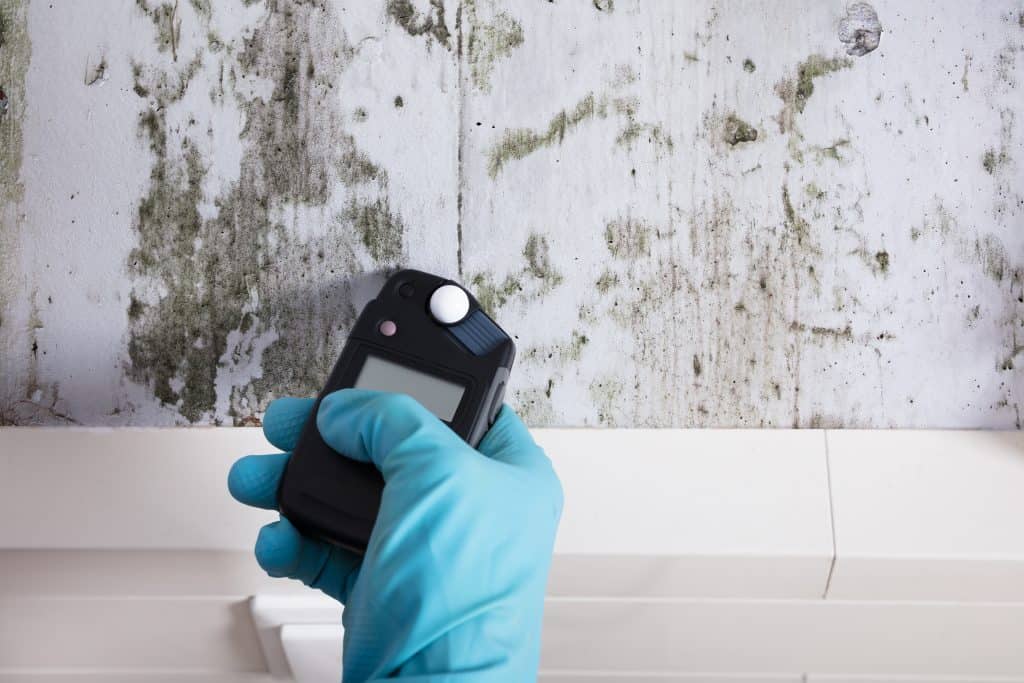
Then we use thermal imaging to map temperature variations in your walls, ceilings, and floors. Cold spots often indicate moisture intrusion. We follow up with moisture meters to measure humidity levels in building materials. If readings are elevated, we know there’s a problem even if mold isn’t visible yet.
Air sampling comes next. We collect samples from multiple locations throughout your home to measure airborne spore concentrations. We also take surface samples from any visible growth or suspicious areas. All samples go to an EPA-certified laboratory for analysis.
You receive a detailed report within days. It identifies mold species present, concentration levels, and specific locations where contamination was found. We review the results with you and explain what they mean for your situation. If remediation is needed, we outline the scope of work and answer your questions. If the results show normal levels, you have documentation and peace of mind.
Ready to get started?
Every residential mold testing service includes a comprehensive visual inspection, thermal imaging scan, moisture mapping with professional-grade meters, and air quality sampling from multiple zones in your home. We also collect surface samples when visible growth or staining is present.
All samples are analyzed by an EPA-certified laboratory. You’re not getting results from an in-house kit or a quick visual assessment. You’re getting scientific analysis that identifies specific mold species and measures concentration levels against established safety standards.
Your report includes photos, moisture readings, lab results, and our professional assessment of what we found. We identify moisture sources contributing to mold growth and provide recommendations for addressing them. For Lumberville homes, this often means looking at basement waterproofing, crawl space ventilation, or HVAC system issues—the common culprits in this area’s older housing stock.
The average mold inspection costs around $670, with most homeowners paying between $300 and $1,000 depending on property size and testing scope. That’s a fraction of what you’d pay for remediation if a small problem becomes a large one. Early detection in Lumberville properties routinely prevents major projects that run into thousands of dollars.
You need testing if you’re experiencing unexplained health symptoms that improve when you leave home—persistent allergies, respiratory issues, headaches, or fatigue. You need it if you smell musty odors but can’t locate the source. You need it if you’ve had water damage, even if it was cleaned up and appears dry now.
You also need testing before buying a home in Lumberville, especially an older property. Many homes here were built decades ago with construction methods that create perfect conditions for hidden mold growth. A pre-purchase mold inspection protects you from inheriting someone else’s contamination problem.
Testing is also necessary if you’re selling and want to address issues before they derail a deal. Buyers increasingly request mold inspections during due diligence. Having current test results showing your home is clear—or documentation that you’ve already remediated any problems—keeps transactions moving forward.
DIY test kits from hardware stores can’t match professional testing. They typically only capture what’s immediately visible or use simple air exposure methods that don’t provide accurate data about overall air quality. Professional equipment detects problems those kits miss entirely.
Air testing measures the concentration of mold spores floating in your home’s air. We collect samples from different rooms and send them to a lab for analysis. The lab identifies which mold species are present and counts how many spores per cubic meter of air. This tells us whether your indoor air quality is worse than outdoor air—and by how much.
Surface testing involves taking samples directly from visible growth, staining, or suspicious areas. We use swabs or tape lifts to collect material, which the lab examines to identify specific mold species. This confirms whether that discoloration on your basement wall is actually mold, and if so, what kind.
Both types of testing serve different purposes. Air testing is valuable when you have symptoms or odors but no visible mold—it can detect hidden contamination releasing spores into your air. Surface testing confirms what you’re seeing and helps determine the appropriate remediation approach.
In Lumberville’s climate, we often recommend both. Summer humidity creates conditions where mold grows in hidden areas like wall cavities or HVAC ducts, releasing spores long before you see visible growth. Comprehensive testing catches these problems early.
The on-site inspection and sample collection typically takes two to three hours, depending on your property size and the number of areas we’re testing. We’re thorough because rushing through an inspection means missing problems.
During that time, we’re conducting the visual inspection, using thermal imaging to map your entire home, taking moisture readings in multiple locations, and collecting air and surface samples. We document everything with photos and detailed notes.
Lab analysis takes three to five business days after we submit your samples. EPA-certified laboratories don’t rush this process—they’re culturing samples and using microscopy to identify species and count spore concentrations accurately. You can’t speed up science without compromising accuracy.
Once results come back, we schedule a time to review them with you. We walk through the findings, explain what the numbers mean, show you exactly where problems were detected, and answer your questions. If remediation is recommended, we outline what that involves and provide a detailed scope of work. The entire process from inspection to final report review usually takes about a week.
Yes. A black mold test through laboratory analysis will identify whether Stachybotrys chartarum—the species commonly called “black mold”—is present in your home. The lab report specifies every mold species found in your samples, along with concentration levels for each.
Here’s what matters more than the name: all mold growth indoors is a problem. Stachybotrys gets attention because it produces mycotoxins that can cause serious health effects, but other common species like Aspergillus, Penicillium, and Cladosporium also trigger allergic reactions and respiratory issues. Some people react more severely to species that don’t have scary reputations.
Professional testing identifies everything present in your home. You get a complete picture of your indoor air quality, not just a yes-or-no answer about one particular species. That’s important because remediation approaches vary depending on what’s growing and where it’s located.
In Lumberville homes, we frequently find multiple mold species in the same property. Basements might have different contamination than attics. Your HVAC system might be circulating spores that aren’t growing anywhere visible. Comprehensive testing catches all of it.
First, you get clear information about what was found, where it’s located, and what species are present. The lab report shows concentration levels and compares them to outdoor air and established safety standards. We explain what those numbers mean for your specific situation.
If mold levels are elevated, we identify the moisture source feeding the growth. Mold needs water to survive—fixing the moisture problem is just as important as removing the contamination. In Lumberville properties, common sources include basement seepage, poor crawl space ventilation, roof leaks, plumbing issues, or condensation from inadequate insulation.
We provide a detailed remediation plan that outlines the scope of work needed to remove contamination and address moisture sources. This includes containment procedures to prevent spores from spreading during cleanup, removal of affected materials, HVAC cleaning if necessary, and recommendations for preventing future growth.
You decide how to proceed. Some homeowners handle minor issues themselves following our recommendations. Larger contamination requires professional remediation—we follow EPA and IICRC S520 guidelines for safe mold removal. Either way, you’re making decisions based on facts, not guesses. You know exactly what you’re dealing with and what it takes to fix it properly.
Most residential mold testing in Lumberville runs between $300 and $1,000, with the average around $650 to $700. Cost depends on your property size, how many areas need testing, and the number of samples we collect for lab analysis.
A basic inspection for a smaller home with limited testing might be on the lower end. Larger properties or situations requiring extensive sampling—multiple floors, finished basements, attics, crawl spaces—cost more because we’re collecting and analyzing more samples to give you complete information.
That investment catches problems early, when they’re still manageable. The average mold remediation project costs around $2,300, with major contamination running significantly higher. Structural damage from long-term moisture exposure can cost tens of thousands to repair. Testing identifies issues before they reach that point.
For home buyers, testing cost is minimal compared to what you’re investing in the property. Discovering a mold problem during your inspection period gives you negotiating leverage or lets you walk away before closing. Finding it six months after you move in means you’re paying for remediation out of pocket.
We provide upfront pricing before starting any work. No surprises, no hidden fees. You know what you’re paying for and what you’re getting.