
Mold Testing in Old City, PA

Find Out What's Growing Before It Spreads

Professional mold testing that identifies hidden contamination in your walls, crawlspaces, and HVAC system—with lab results you can trust.

Hear from Our Customers

Professional Mold Testing Services

Know Exactly What You're Dealing With

You can’t fix what you can’t see. That musty smell in your basement, the dark spots behind your bathroom tile, the cough your kid can’t shake—these aren’t problems you want to guess about.

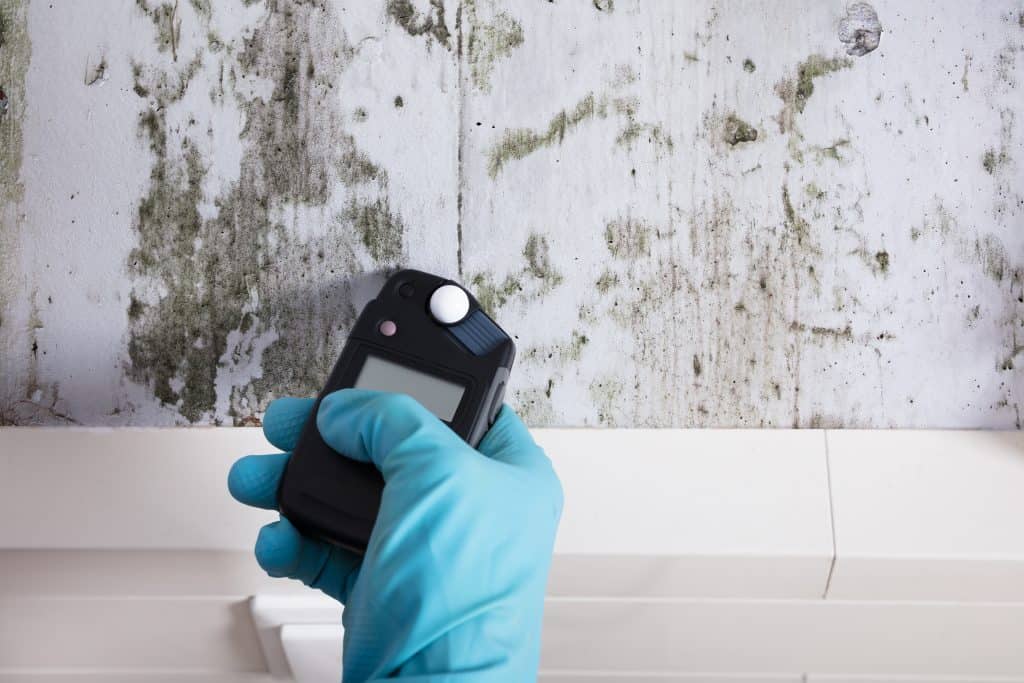
Professional mold testing gives you the full picture. We use moisture meters and infrared cameras to find mold hiding in places you’d never think to check. Then we send samples to a certified lab to identify the exact species, concentration levels, and whether it’s something that needs immediate attention or just routine maintenance.

You get a detailed report that tells you what type of mold is present, how much, where it’s coming from, and what needs to happen next. No guessing. No unnecessary panic. Just clear information so you can make the right call for your property and your family’s health.

Mold Testing Company Old City

We Know Old City's Buildings Inside Out

We’ve been helping property owners in Old City, PA handle mold problems for years. Our owner, Tom McGuire, has a degree in Microbiology and over 12 years as a member of MICRO, the Mold Inspection, Certification & Remediation Organization.

We understand the specific challenges that come with Old City’s historic architecture. Those beautiful trinity homes and 18th-century rowhouses weren’t built with vapor barriers or modern drainage. Shared walls hide moisture transfer. Basements flood. HVAC systems condense in tight spaces.

We’ve tested hundreds of properties in this neighborhood. We know what to look for, where problems typically start, and how to document everything properly for insurance claims or real estate transactions.

How Mold Testing Works

Here's What Happens During Your Inspection

We start with a visual assessment of your property. We’re looking for water stains, discoloration, condensation patterns, and any obvious signs of moisture intrusion. But we don’t stop there.

We use moisture meters to measure humidity levels inside walls, floors, and ceilings. Infrared cameras help us spot temperature differences that indicate hidden water damage. If we find suspicious areas, we collect air samples and surface samples to send to an independent lab.

The lab analysis identifies the specific mold species and spore concentration. You get a written report within a few days that breaks down exactly what we found, where the moisture is coming from, and what level of remediation is needed. We also walk you through the results so you understand what everything means and what your options are.

If remediation is necessary, we can handle that too. But the testing itself is completely independent—our job is to give you accurate information, not upsell you on services you don’t need.

Ready to get started?

Explore More Services

About Mack's Mold Removal

Residential Mold Testing Old City

What's Included in Your Mold Assessment

Every mold testing service includes a thorough property inspection, moisture mapping with professional-grade meters, infrared thermal imaging to detect hidden water intrusion, and lab analysis of collected samples. You receive a detailed written report with photos, lab results, and our recommendations.

Old City properties face unique challenges. The humid continental climate combined with proximity to the Delaware River creates constant moisture pressure. Historic buildings with aging infrastructure, limited ventilation, and no modern moisture barriers are especially vulnerable. We see recurring issues with basement seepage, HVAC condensation in tight spaces, and water intrusion through deteriorating mortar joints.

Your inspection also includes documentation suitable for insurance claims. Most homeowners policies cover mold if it resulted from a covered water loss, but you need proper documentation. We work directly with insurance companies and understand what they require for claims processing.

We also identify the root cause. Surface cleaning won’t fix anything if you’ve got leaky pipes, poor ventilation, or chronic moisture problems. We find the source so you can address it properly and prevent the mold from coming back.

How much does a professional mold test cost in Old City?

Most residential mold testing in Old City runs between $300 and $600, depending on your property size and how many samples we need to collect. A typical trinity home or rowhouse usually falls in the middle of that range.

That price includes the on-site inspection, moisture mapping, thermal imaging, sample collection, lab analysis, and a detailed written report. If you need additional testing for multiple areas or want both air and surface samples from several rooms, the cost goes up slightly.

Some companies offer “free mold inspections,” but they’re usually tied to remediation services. We’re independent. You’re paying for unbiased testing and accurate results, not a sales pitch.

A mold inspection is the visual assessment. We walk through your property, look for signs of water damage, check humidity levels, and identify areas where mold is likely growing. It’s mostly observational.

Mold testing goes further. We collect actual samples—either from the air or from surfaces—and send them to a lab for analysis. The lab identifies the specific mold species and measures spore concentration. This tells you exactly what type of mold you’re dealing with and whether it’s a health concern.

You don’t always need testing. If there’s visible mold and an obvious moisture source, we can often move straight to remediation. But if you’re experiencing health symptoms with no visible mold, buying or selling a property, or filing an insurance claim, testing gives you the documentation you need.

Lab results typically come back in three to five business days. We send your samples to a certified independent lab that specializes in mold analysis, and they need time to culture the samples and identify the species.

You’ll receive a written report that breaks down what was found, where it was found, and what the spore counts mean. We also schedule a follow-up call to walk you through the results and answer any questions.

If you’re in a time-sensitive situation—like a real estate closing or an insurance claim deadline—let us know upfront. We can sometimes request expedited processing for an additional fee.

You can buy home mold test kits at hardware stores, but they’re not very useful. Most of them just tell you that mold spores are present, which isn’t helpful because mold spores are everywhere. Every building has some level of mold spores in the air.

What matters is the type of mold, the concentration, and where it’s growing. Home kits can’t tell you that. They can’t find hidden mold behind walls or under floors. They don’t measure moisture levels or identify the source of the problem.

Professional testing uses calibrated equipment, proper sampling techniques, and certified lab analysis. You get specific information about species identification, spore counts, and health risk levels. That’s what you need to make informed decisions about remediation—not just a vague positive result from a $10 kit.

It depends on what caused the mold. If it resulted from a sudden, covered water loss—like a burst pipe, roof leak during a storm, or appliance malfunction—most homeowners policies will cover both testing and remediation.

If the mold resulted from long-term neglect, poor maintenance, or chronic moisture problems you didn’t address, coverage usually gets denied. Insurance companies want to see that you maintained your property and responded promptly to water damage.

That’s why documentation matters. Professional mold testing provides the evidence insurance companies need to process claims. We’ve worked with dozens of insurers in the Old City area and understand what they require. We can help you navigate the claims process and provide the documentation that supports your case.

Mold exposure affects people differently. Some people have no reaction at all. Others—especially infants, elderly individuals, and anyone with asthma or allergies—can develop respiratory problems, persistent coughing, wheezing, skin irritation, and sinus congestion.

Studies show that about 21% of current asthma cases in the U.S. are attributable to dampness and mold exposure in homes. Infants exposed to mold have nearly three times greater risk of developing asthma. If someone in your household has unexplained respiratory symptoms that improve when they leave the house, mold could be the cause.

Black mold (Stachybotrys) gets the most attention, but other species can cause problems too. That’s why testing matters. We identify exactly what’s growing in your home so you can assess the actual health risk and make informed decisions about remediation. You don’t need to panic, but you shouldn’t ignore it either.

Other Services we provide in Old City