

Hear from Our Customers
You stop worrying about what’s growing behind your walls. The musty smell disappears. Your kids aren’t coughing at night, and you’re not second-guessing every breath you take in your own home.
That’s what proper mold removal does. It gives you your space back without the constant anxiety that something invisible is making you sick.
Old City homes deal with mold differently than newer construction. The historic buildings here have aging infrastructure, outdated ventilation, and moisture issues that modern homes don’t face. Brick walls hold water. Basements seep. HVAC systems built decades ago don’t move air the way they should. All of that creates perfect conditions for mold to grow where you can’t see it.
Professional mold cleaning services don’t just wipe down surfaces. We use thermal imaging to find hidden moisture, remove contaminated materials safely, treat affected areas with EPA-approved solutions, and fix the conditions that let mold grow in the first place. You’re not just cleaning up a problem—you’re preventing it from coming back.
Mack’s Mold Removal has spent nearly three decades handling mold problems across Bucks County and Philadelphia. We’ve seen every type of mold issue Old City properties face—from flooded basements in colonial-era rowhomes to HVAC condensation in converted lofts.
We know how Philadelphia’s humidity and coastal location create constant moisture challenges. We understand that your 200-year-old building wasn’t designed with modern waterproofing. And we’ve developed systems that work specifically for the conditions here, not just generic approaches that ignore local realities.
You’re hiring people who show up with the right equipment, answer your questions clearly, and don’t leave until the job is done correctly. That’s been our standard since day one.

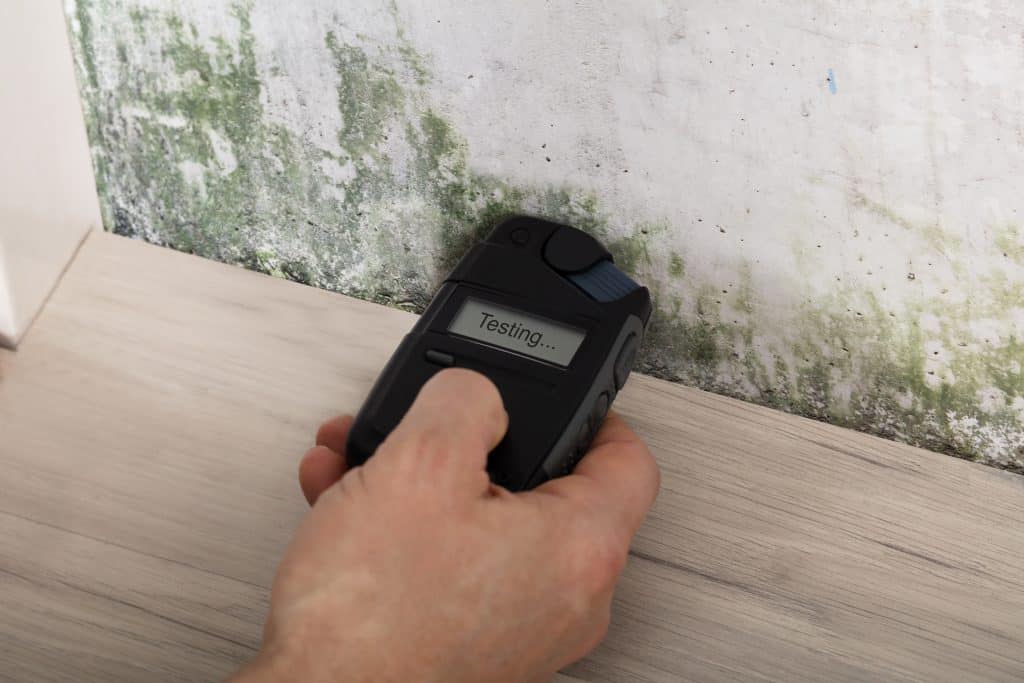
First, we inspect your property for free. That means checking visible areas, using moisture meters to find hidden water, and identifying where mold is actually growing versus where you just think it might be.
Once we know what we’re dealing with, we contain the affected area so mold spores don’t spread during removal. We set up negative air pressure and physical barriers—this isn’t optional, it’s how you prevent cross-contamination.
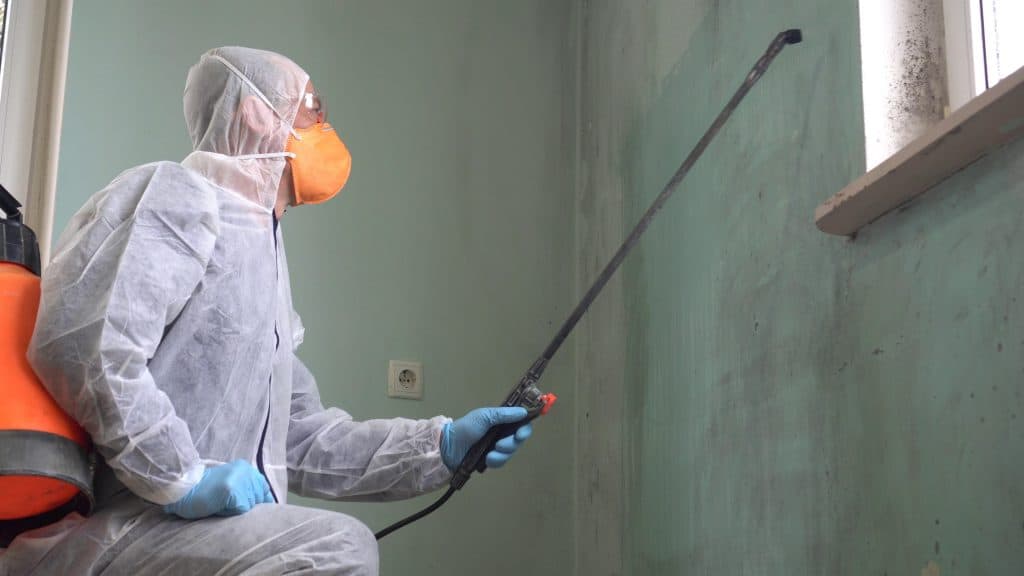
Then we remove the mold. Porous materials that are heavily contaminated get disposed of safely. Hard surfaces get treated with antimicrobial solutions. We use HEPA filtration to clean the air while we work. If there’s structural damage, we document it and explain what needs repair.
After removal, we address the moisture source. Maybe that’s fixing a leak, improving ventilation, or recommending drainage work. Mold doesn’t grow without water, so if we don’t solve the moisture problem, you’ll be calling someone again in six months.
Finally, we verify the work with post-remediation testing if needed. You get documentation for your records, insurance, or future buyers.
Ready to get started?
You get a full property assessment using thermal imaging cameras and moisture detection equipment. We’re not guessing where the problem is—we’re measuring it.
You get containment and safe removal using methods that meet EPA and industry standards. That includes proper disposal of contaminated materials, HEPA air scrubbers, and antimicrobial treatments on affected surfaces.
You get clear communication about what we find, what it costs, and what needs to happen next. We document everything for insurance claims if you need it, and we work directly with your insurance company to make that process less painful.
Old City properties often have unique challenges. Your building might have limited access, shared walls with neighbors, or historic materials that require careful handling. We’ve dealt with all of it. Narrow staircases, low basement ceilings, buildings with no alley access—we figure out how to get the job done without tearing your place apart.
You also get follow-up support. If you have questions after we leave, you call us. If something doesn’t look right, we come back. The goal isn’t just to finish the job—it’s to make sure you’re actually satisfied with the result.
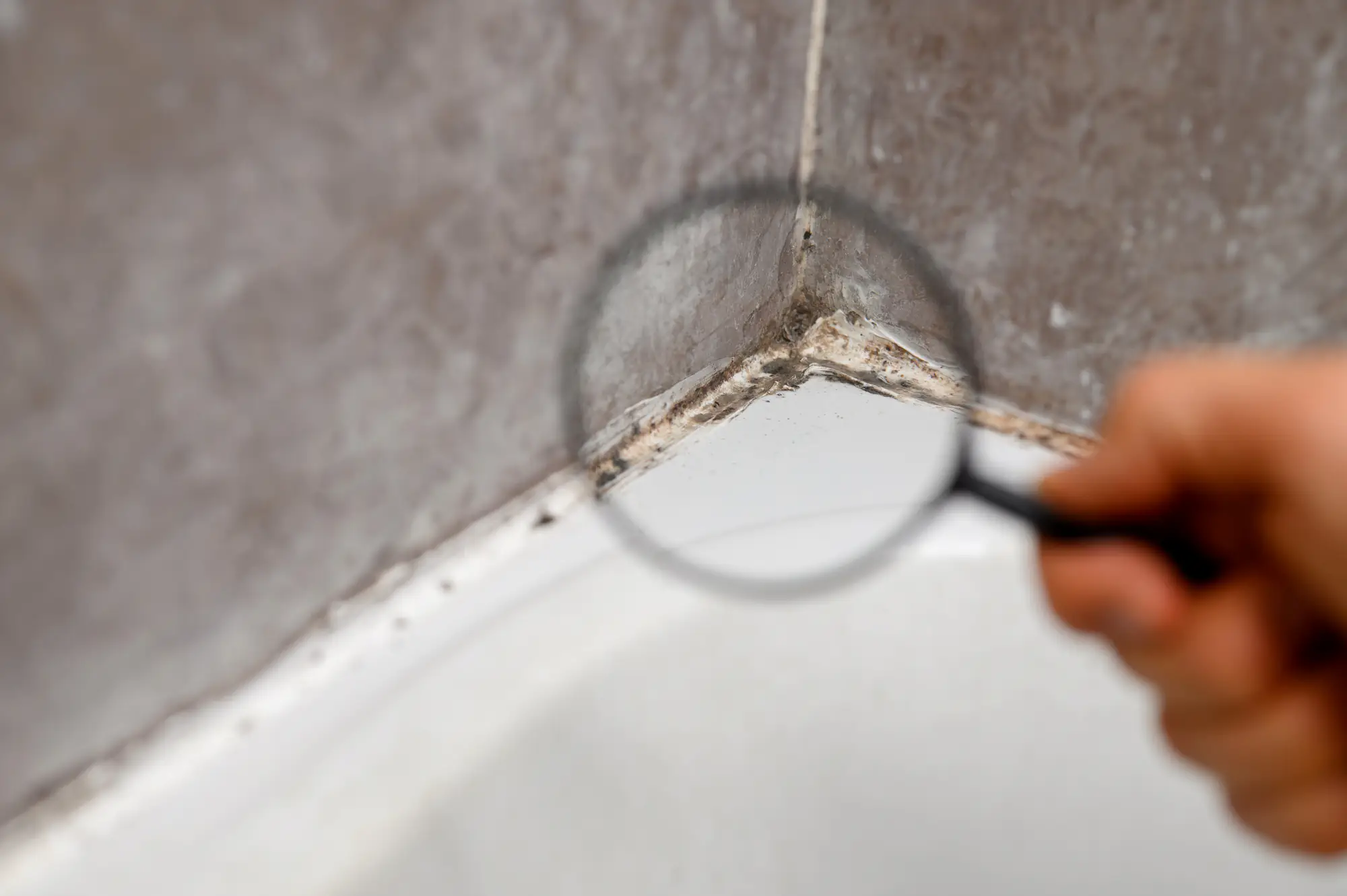
Mold has a distinct musty smell that doesn’t go away with normal cleaning. It often appears as black, green, or white patches that spread over time, especially in damp areas like bathrooms, basements, or around windows.
If you see discoloration on walls, ceilings, or around pipes, and it keeps coming back after you clean it, that’s usually mold. Dirt doesn’t regrow. Mold does.
The other telltale sign is health symptoms that improve when you leave the house. If you’re constantly congested, coughing, or dealing with headaches at home but feel better at work, that’s worth investigating. Professional mold testing gives you a definitive answer, and we offer free inspections to help you figure out what you’re dealing with before you spend money on anything.
Bleach kills surface mold on non-porous materials like tile or glass, but it doesn’t penetrate porous surfaces like drywall, wood, or grout. It also doesn’t address the moisture problem causing the mold, so you’re just temporarily hiding the issue.
More importantly, disturbing mold without proper containment spreads spores throughout your home. You might clean one spot and end up with growth in three new places because spores traveled through your HVAC system or just floated into other rooms.
If the affected area is larger than 10 square feet, the CDC recommends professional remediation. If you’re dealing with black mold, sewage-related contamination, or mold inside walls or HVAC systems, you need professional equipment and containment. DIY cleaning works for small, surface-level spots. Anything beyond that risks making the problem worse and exposing yourself to higher concentrations of mold during the cleaning process.
Most residential mold removal projects in Old City range from $1,500 to $6,000, depending on the size of the affected area, the type of mold, and how much structural damage exists. Small bathroom jobs might cost less. Whole-basement remediation with structural repairs costs more.
The biggest cost factors are the extent of contamination and whether materials need to be removed and replaced. Surface cleaning is cheaper than tearing out drywall, insulation, or flooring. If there’s significant water damage or the mold has spread through HVAC systems, that increases the scope and cost.
We provide upfront estimates after the free inspection so you know exactly what you’re paying for before any work starts. We also help with insurance claims if your policy covers mold damage, which many do if it resulted from a covered event like a burst pipe. Don’t assume your insurance won’t cover it—let us document the damage properly and work with your adjuster to get you the coverage you’re entitled to.
Most residential mold remediation projects take two to five days from start to finish. Small, contained areas like a bathroom might be done in a day or two. Larger projects involving multiple rooms, structural repairs, or extensive contamination take longer.
The timeline depends on how much material needs to be removed, how long containment needs to stay in place, and whether we’re waiting for areas to dry completely before reconstruction. We’re not rushing through the process just to finish faster—proper drying and treatment take time.
We’ll give you a clear timeline during the estimate so you can plan accordingly. If you need to stay elsewhere during remediation, we’ll let you know upfront. Most projects don’t require you to leave, but if we’re dealing with heavy contamination or you have health sensitivities, temporary relocation might make sense. We work efficiently without cutting corners, because doing it right the first time is faster than having to come back and redo it.
Philadelphia’s climate is a major factor. High humidity, frequent rain, and coastal moisture create conditions where mold thrives. Old City buildings make it worse because many were built before modern waterproofing, ventilation standards, and moisture barriers existed.
Your home might have outdated drainage systems, single-pane windows that cause condensation, basements with stone foundations that seep water, or HVAC systems that don’t dehumidify properly. Brick walls absorb and hold moisture. Flat roofs common in rowhomes can develop leaks that go unnoticed until mold appears inside.
Poor maintenance accelerates the problem. A small roof leak, a dripping pipe, or a bathroom exhaust fan that vents into the attic instead of outside—any of these create the damp conditions mold needs. In Old City’s dense housing, shared walls and limited airflow between buildings trap moisture. If your neighbor has a leak, it can affect your property too. Understanding these specific local factors is why you need a mold specialist who knows how Philadelphia buildings behave, not just someone following a generic checklist.
Mold comes back if the moisture source isn’t fixed. Professional mold removal eliminates existing growth, but if water is still entering your home or humidity levels stay high, new mold will eventually develop.
That’s why legitimate mold remediation includes identifying and addressing the root cause. We don’t just clean up mold and leave. We find the leak, fix the drainage issue, recommend dehumidification, or explain what ventilation improvements you need. If we can’t fix the moisture source ourselves, we tell you exactly what needs to happen and who should do it.
After proper remediation with moisture control, mold shouldn’t return to the same area. If it does, something was either missed during the initial assessment or a new moisture problem has developed. We stand behind our work, so if mold reappears in an area we treated and the moisture conditions haven’t changed, we’ll come back and make it right. The goal is a permanent solution, not a temporary fix that buys you six months before the problem resurfaces.
Other Services we provide in Old City