
Hear from Our Customers
You can’t see mold spores. You can’t always smell them. But if they’re in your home, you’re breathing them—and so is everyone else living there.
Professional mold testing removes the guesswork. We collect air samples and surface samples from your property, send them to an independent lab, and give you documented results that show exactly what’s present and at what concentration. You’ll know if you’re dealing with common household mold or something that requires immediate attention.
This isn’t about scaring you. It’s about giving you clarity so you can make informed decisions about your home and your health. If there’s a problem, you’ll have the documentation you need for remediation. If there isn’t, you’ll have peace of mind. Either way, you’re not left wondering.
Testing also catches problems early—before they spread into your HVAC system, before they damage structural materials, and before remediation costs climb into the thousands. The homes around Olney deal with humidity from the Delaware River basin and aging housing stock that wasn’t built with modern moisture barriers. That combination creates conditions where mold can develop fast, especially after water damage or during Pennsylvania’s wet spring and fall seasons.
We’ve been serving Bucks County homeowners with mold inspection and testing services for years. Our team includes certified inspectors who understand how mold behaves in this climate and in the types of homes common to Olney and the surrounding area.
We’re not here to upsell you on services you don’t need. We test, we document, we explain what we found, and we give you options. If remediation is necessary, we’ll walk you through it. If it’s not, we’ll tell you that too.
Our focus is on accuracy and transparency. We use calibrated moisture meters, thermal imaging, and EPA-certified sampling methods. Every sample goes to an independent lab—not one we own or have a financial stake in. You get unbiased results you can trust, whether you’re buying a home, dealing with a musty smell, or need documentation for an insurance claim.
We start with a visual inspection of your entire property. That means checking basements, crawl spaces, attics, bathrooms, and any area where moisture tends to accumulate. We’re looking for visible mold growth, water stains, condensation patterns, and structural issues that could be hiding problems behind walls or under flooring.
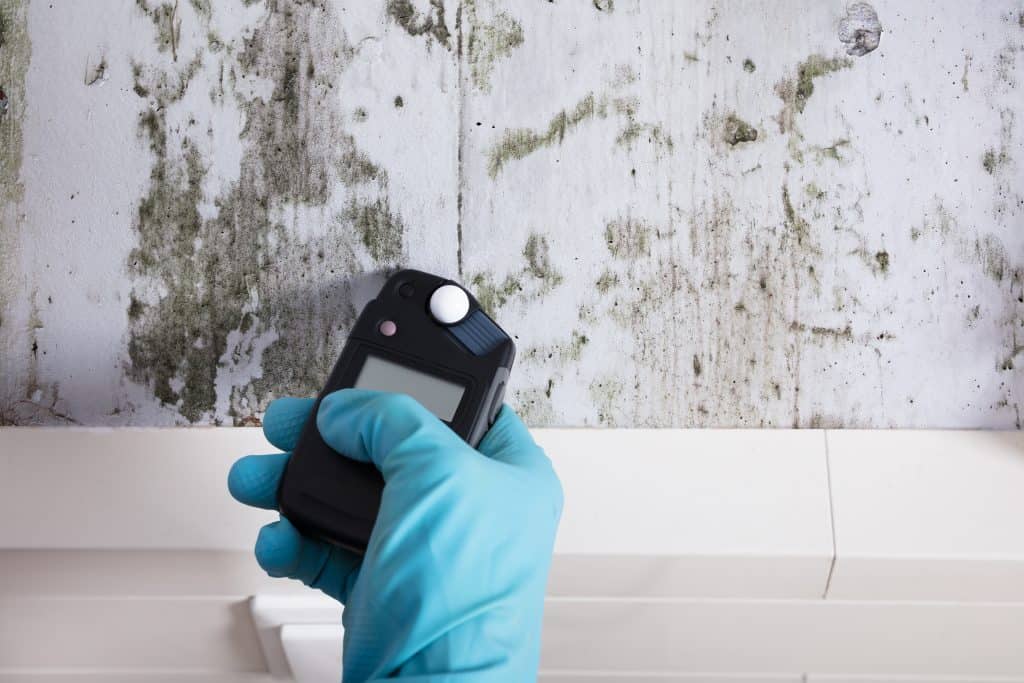
Next, we use moisture meters and thermal imaging to detect elevated moisture levels you can’t see. Mold needs moisture to grow, so finding wet areas helps us identify where problems are likely developing—even if there’s no visible growth yet.
Then we collect samples. Air samples capture spore concentrations in different rooms so we can compare indoor air quality to outdoor baseline levels. Surface samples are taken from areas with visible growth or suspected contamination. Each sample is labeled, logged, and sent to an independent laboratory for analysis.
You’ll receive a detailed report within a few days. It includes lab results showing mold species identified, spore counts, and whether concentrations are elevated compared to normal outdoor levels. We’ll review the findings with you, explain what they mean in plain language, and discuss next steps if remediation is needed. If you’re working with insurance, we can provide the documentation they require.
Ready to get started?
Our mold testing service includes a complete visual inspection of your property, moisture detection using professional-grade meters, thermal imaging to identify hidden moisture sources, and collection of air and surface samples. Every sample is analyzed by an independent laboratory that follows EPA protocols and Pennsylvania Department of Health standards.
You’ll receive a written report with lab results, spore identification, concentration levels, and our assessment of what the findings mean for your property. We also provide photos of any visible mold growth or moisture damage we document during the inspection.
In Olney and throughout Bucks County, we see mold issues most often in basements with foundation seepage, bathrooms with poor ventilation, attics with roof leaks, and homes that have experienced flooding or plumbing failures. Pennsylvania’s climate—with average humidity levels that spike during spring and fall—creates conditions where mold can develop within 48 to 72 hours after water intrusion. Older homes in the area often lack vapor barriers and modern ventilation systems, which compounds the problem.
Testing gives you a baseline. If you’re buying a home, it protects you from inheriting someone else’s mold problem. If you’re selling, it gives buyers confidence. If you’re dealing with health symptoms like respiratory issues or headaches and suspect mold, testing confirms whether your home is the source.
Professional mold testing typically starts around $300 for a basic inspection with two air samples. That includes the visual inspection, moisture detection, sample collection, and lab analysis. If your home is larger or you need additional samples from multiple rooms, costs can range from $400 to $700 depending on the scope.
Additional surface samples usually run about $95 each. If you need extensive testing across a large property or multiple buildings, expect costs closer to $1,000. These prices reflect the actual lab work, certified inspector time, and equipment use—not just someone walking through with a flashlight.
Some companies offer free inspections, but those are often tied to remediation sales. If you want unbiased testing without pressure to buy additional services, expect to pay for the inspection. It’s a small investment compared to the cost of ignoring a mold problem that grows into a $3,000 to $5,000 remediation project.
A mold inspection is a visual assessment. An inspector examines your property, identifies visible mold growth, checks for moisture problems, and documents conditions that could lead to mold. It’s a physical walkthrough using moisture meters and thermal imaging to find problem areas.
Mold testing goes further. It involves collecting air or surface samples and sending them to a lab for analysis. Testing tells you what species of mold are present, how concentrated the spore levels are, and whether your indoor air quality is worse than outdoor baseline levels. You get scientific data, not just observations.
Most homeowners need both. The inspection finds where mold is growing or likely to grow. The testing confirms what type of mold you’re dealing with and how serious the contamination is. If you’re experiencing health symptoms, need documentation for insurance, or want to verify that remediation was successful, testing is necessary. If you just want to know whether you have a mold problem, an inspection might be enough to get started.
DIY mold test kits can tell you if mold spores are present, but they can’t tell you much beyond that. They don’t measure spore concentrations, they don’t compare indoor levels to outdoor baselines, and they often can’t identify specific mold species. You’ll get a yes or no answer, but not the context you need to make decisions.
Here’s the bigger issue: mold spores are everywhere. A DIY kit will almost always come back positive because spores are present in every home. What matters is the type of mold and the concentration. Some molds are harmless. Others—like black mold or certain Aspergillus species—can cause serious health problems at elevated levels.
Professional testing uses calibrated equipment, controlled sampling methods, and accredited labs. You get quantified results that show whether your indoor air quality is normal or whether you have a contamination problem that needs attention. If you’re dealing with health symptoms, preparing for remediation, or need documentation for insurance or real estate transactions, DIY kits won’t meet the standard. You need lab-verified data from a certified inspector.
Lab results typically come back within three to five business days after samples are collected. The timeline depends on the lab’s workload and the type of analysis required. Air samples and surface samples are analyzed for species identification and spore counts, which takes time to culture and examine under microscopy.
Once we receive the lab report, we’ll review it with you and explain what the findings mean. You’ll get a written report that includes the lab results, photos from the inspection, and our recommendations based on what was found. If the results show elevated mold levels or toxic species, we’ll discuss remediation options and next steps.
If you’re in a time-sensitive situation—like closing on a home purchase or dealing with a health emergency—some labs offer expedited analysis for an additional fee. That can cut the turnaround time to 24 to 48 hours. For most residential testing, standard turnaround is sufficient and keeps costs reasonable.
Insurance coverage for mold depends on what caused the problem. If mold resulted from a covered event—like a burst pipe, roof leak during a storm, or appliance failure—most homeowners policies will cover testing and remediation. If mold developed due to long-term neglect, poor maintenance, or chronic moisture issues you didn’t address, coverage is unlikely.
The key is documentation. Insurance companies want proof that mold resulted from a sudden, accidental event. Professional mold testing provides that documentation. Lab results, inspection photos, and a written report from a certified inspector give your claim the credibility it needs.
We work with insurance companies regularly and can help you navigate the claims process. We’ll provide the documentation your adjuster needs and communicate directly with them if necessary. Even if insurance doesn’t cover the full cost, having professional test results protects you from disputes and ensures you’re addressing the real scope of the problem—not just treating visible mold and hoping the rest goes away.
Get your home tested if you’re experiencing unexplained health symptoms like respiratory issues, headaches, or skin irritation that improve when you leave the house. Mold exposure affects people differently, but if multiple family members are having similar symptoms, indoor air quality is worth investigating.
You should also test after any water damage—flooding, roof leaks, plumbing failures, or sewage backups. Mold can start growing within 48 to 72 hours after materials get wet. Even if you dried everything out, testing confirms whether spores took hold in hidden areas like wall cavities or under flooring.
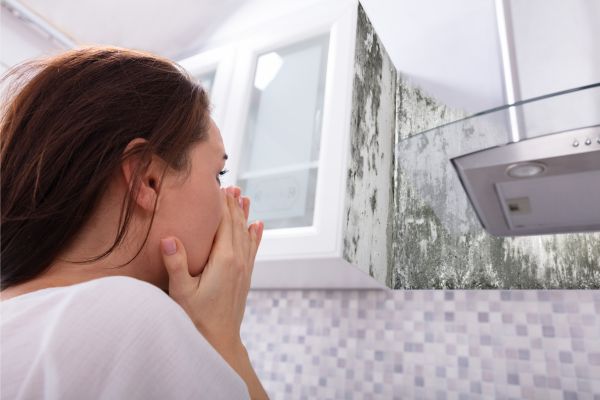
Testing is critical if you’re buying or selling a home. Buyers want assurance they’re not inheriting a mold problem. Sellers want documentation that their property is clean. If you notice musty odors, visible mold growth, or discoloration on walls and ceilings, don’t wait. The longer mold grows, the more damage it causes and the more expensive remediation becomes. Testing gives you facts so you can act before a small problem becomes a major expense.
Other Services we provide in Olney