
Hear from Our Customers

You’ve noticed the symptoms. Someone in your house has allergies that won’t quit, respiratory issues that seem worse at home, or headaches that disappear when you leave for the day. You’ve cleaned everything, changed filters, opened windows—but nothing’s working.
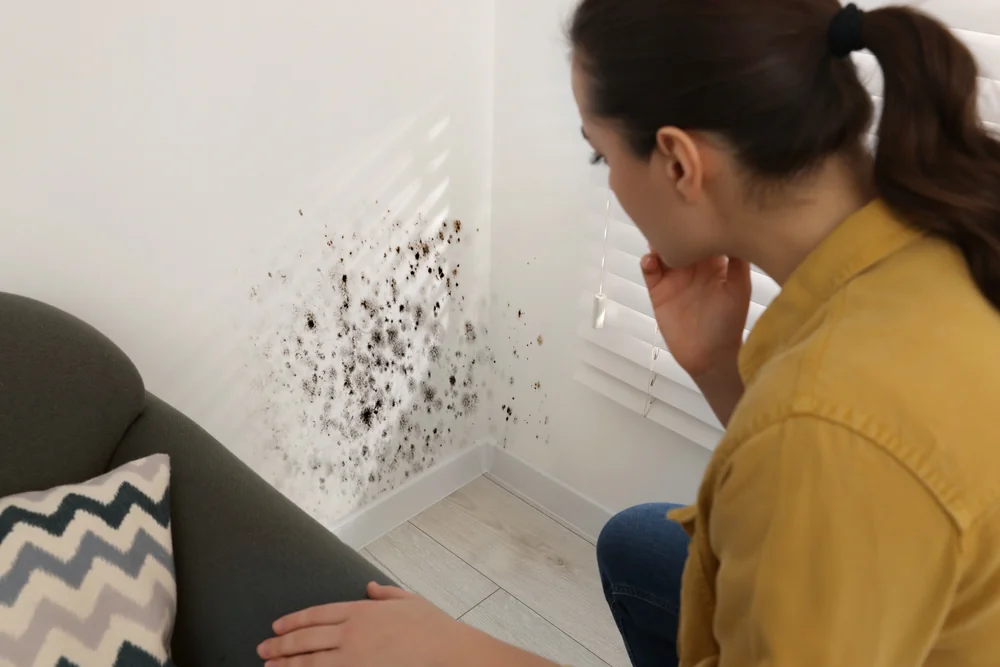
The problem isn’t always visible. Mold spores, airborne contaminants, and allergens circulate through your home without any obvious signs. By the time you see water stains or smell mustiness, the issue has usually been growing for weeks or months.
A home air quality test gives you actual data. You’ll know what’s in your air, where it’s coming from, and whether it’s at levels that could affect your health. No more wondering if it’s all in your head. No more treating symptoms without addressing the source.
Indoor air quality testing catches problems early—before they spread to other rooms, before they affect your property value, and before your family’s health gets worse.
We handle residential air quality testing across Olney, PA and throughout Bucks County. We know the local housing stock, the humid climate conditions that create mold problems here, and exactly where to look in area homes.
Bucks County’s weather creates the perfect environment for mold growth. Humidity levels fluctuate, older homes have ventilation issues, and water intrusion from storms is common. We’ve seen it all—basements with hidden moisture, attics with poor airflow, and crawl spaces that haven’t been checked in years.
We use certified lab analysis, not guesswork. Our testing identifies specific mold species like Aspergillus, Penicillium, and Cladosporium—the types most common in this area. You get a detailed report that shows concentration levels, health risks, and what needs to happen next.

We start with a visual inspection of your property. We’re looking for moisture intrusion, water damage, visible mold growth, or conditions that could be affecting your indoor air quality. We use thermal imaging cameras to detect temperature differences behind walls and digital moisture meters to find hidden water issues.
Next, we collect air samples using calibrated equipment. We take samples from multiple locations—areas where you’ve noticed problems and control areas for comparison. The samples capture airborne mold spores, particulate matter, and other contaminants circulating through your home.
Those samples go to a certified laboratory that specializes in mold analysis. Lab testing identifies the specific types of mold present and their concentration levels. This isn’t a pass/fail test—you get detailed information about what’s actually in your air and whether it’s at levels that pose health risks.
Results typically come back in 3-5 business days. We walk you through the findings, explain what they mean for your health and property, and outline your options. If remediation is needed, we’ll tell you what’s involved and provide upfront pricing. If levels are normal, you’ll have documentation and peace of mind.

Ready to get started?
Your mold air test includes a complete property assessment. We check humidity levels, identify moisture sources, and use thermal imaging to detect problems you can’t see. This matters in Olney because nearly half of homes in this region show signs of visible mold or musty odors—often from sources homeowners don’t know exist.
The lab analysis breaks down exactly which mold species are present and at what concentrations. Different molds carry different health risks. Some cause allergic reactions, others affect respiratory function, and a few produce mycotoxins that can make people seriously ill. You need to know what you’re dealing with, not just that “mold is present.”
You’ll receive a detailed report that documents everything we found. This matters if you’re filing an insurance claim, buying or selling a home, or just need proof that there’s a real problem. Insurance companies require documentation that shows mold was caused by a covered event—our reports include that level of detail.
We also provide guidance on next steps. If remediation is needed, we explain the scope of work, timeline, and cost. If the issue is minor, we’ll tell you that too. We’re not here to oversell you on services you don’t need—we’re here to give you accurate information so you can make the right decision for your home and family.
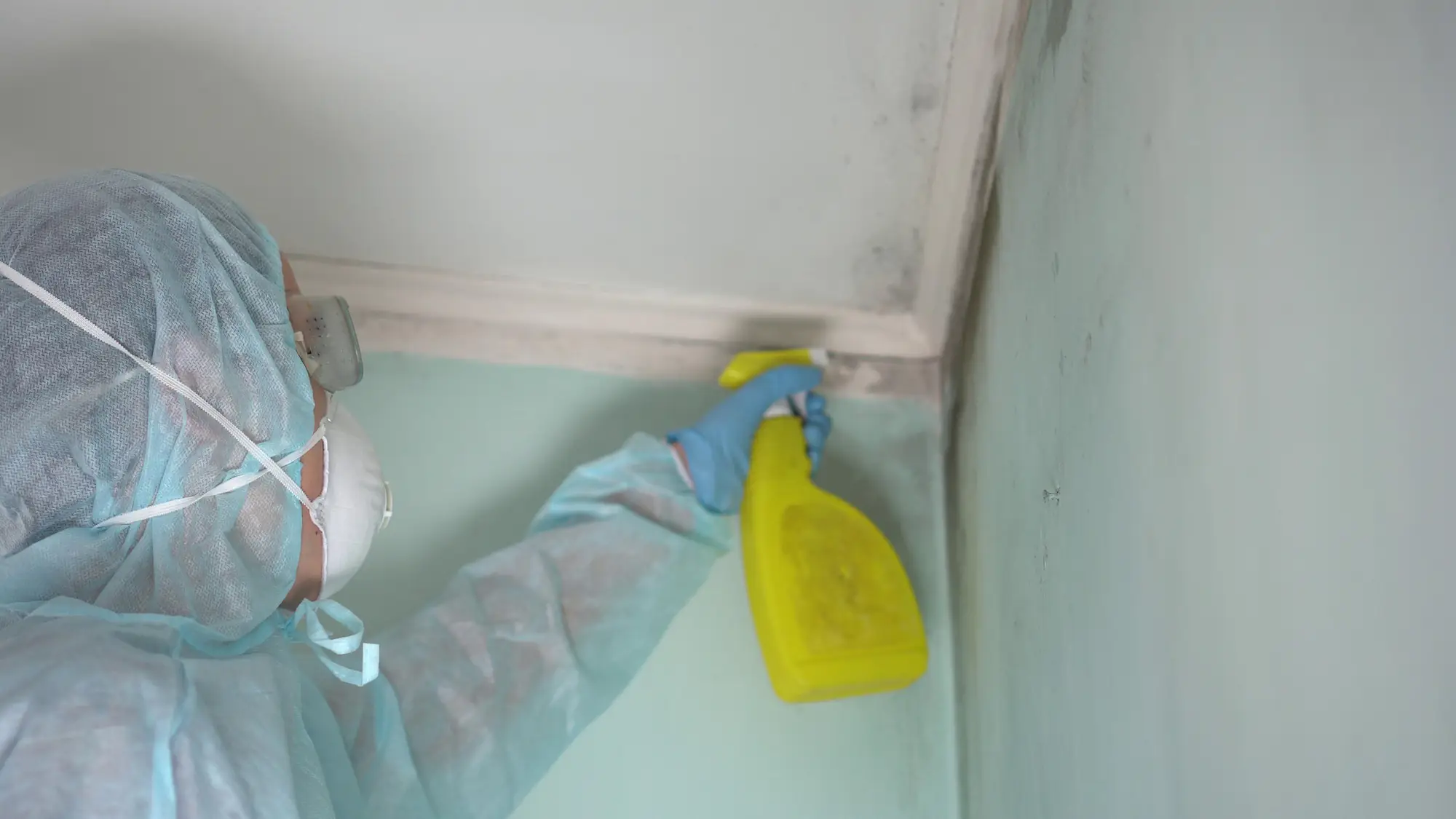
DIY mold test kits can’t match the accuracy of professional testing because they lack calibrated equipment and certified lab analysis. Most home kits only tell you if mold is present—which isn’t useful since mold spores exist in virtually every indoor environment. What matters is the type of mold and the concentration level.
Professional air quality testing uses specialized equipment to collect samples under controlled conditions. We measure airflow, take multiple samples from different locations, and include outdoor control samples for comparison. The samples go to certified laboratories that identify specific mold species and provide concentration counts.
This level of detail matters for your health and your property. Different mold species carry different risks. Aspergillus can cause serious respiratory issues in people with weakened immune systems. Stachybotrys (black mold) produces mycotoxins. Penicillium is common but can still trigger allergic reactions. A DIY kit won’t tell you which one you’re dealing with or whether the levels are actually dangerous.
You need testing if anyone in your home has unexplained health symptoms that improve when they leave the house. This includes persistent allergies, frequent colds, respiratory problems, headaches, fatigue, or dry eyes. These are classic signs of sick building syndrome—a term used by the EPA and health professionals to describe health issues caused by indoor air pollution.
Visible signs matter too. Musty odors, water stains, condensation on windows, or any history of water damage are red flags. But here’s the problem—mold often grows in places you can’t see. Behind walls, under flooring, in HVAC systems, or in crawl spaces. By the time you smell it or see it, the problem has usually been developing for weeks.
Testing is also smart if you’re buying a home in Olney or anywhere in Bucks County. The humid climate here creates ideal conditions for mold growth, especially in older homes with ventilation issues. About half of potential home buyers walk away once they learn a property has had mold problems. Getting testing done before you buy protects your investment and gives you leverage in negotiations if issues are found.
The on-site inspection and sample collection typically takes 1-2 hours depending on the size of your home and the number of areas we’re testing. We’re thorough but efficient—we know you’re busy and we’re not going to waste your time.
Lab analysis adds 3-5 business days to the process. The samples go to nationally recognized laboratories that specialize in mold testing. They identify specific species, count spore concentrations, and provide detailed analysis that meets industry standards. Expedited processing is available if you’re dealing with a time-sensitive situation like a real estate transaction or insurance claim.
Once results come back, we schedule a time to review the findings with you. We’ll walk through what was found, explain the health implications, and discuss your options. If remediation is needed, we provide upfront pricing and a clear timeline. If levels are normal, you’ll have documentation proving your indoor air quality is safe. Either way, you’ll know exactly where you stand and what needs to happen next.
Insurance coverage depends on what caused the mold problem. Most homeowners policies cover mold remediation if it resulted from a covered event like a burst pipe, storm damage, or appliance malfunction. They typically won’t cover mold from long-term maintenance issues like a slow leak you ignored or chronic humidity problems.
The key is documentation. Insurance companies want proof that the mold was caused by a sudden, accidental event and that you took reasonable steps to address it quickly. Professional air quality testing provides that documentation. Our reports include detailed findings, photos, moisture readings, and lab results that adjusters need to process claims.
We work directly with insurance companies and understand what they require. We can help you navigate the claims process, provide the necessary documentation, and communicate with adjusters on your behalf. Many of our clients in Olney and throughout Bucks County have successfully used our reports to support insurance claims. Even if your claim is denied, you’ll have professional documentation of the problem and what needs to be done to fix it.
Air sampling can detect mold spores circulating from hidden sources, but it won’t tell you the exact location behind a wall. That’s why we combine air testing with thermal imaging and moisture detection. Thermal cameras show temperature differences that indicate moisture problems or poor insulation. Moisture meters detect elevated moisture levels in walls, ceilings, and floors.
When air samples show elevated mold spore counts but there’s no visible growth, we know there’s a hidden source. The thermal imaging and moisture readings help us pinpoint likely locations. We might find moisture behind a bathroom wall, in a ceiling below a roof leak, or in wall cavities near plumbing.
This approach is critical in Olney because many homes here are older with plaster walls, finished basements, and areas that haven’t been accessed in years. Mold can grow for months behind walls before you notice symptoms or odors. By the time it’s visible, the problem is usually extensive. Testing catches it early, when remediation is simpler and less expensive. You’re not tearing apart walls on a guess—you’re making informed decisions based on actual data.
Most homeowners should test annually if they live in humid climates like Bucks County or have had previous mold issues. Regular testing serves as preventive maintenance—it catches minor problems before they become major headaches. Think of it like changing your HVAC filters or having your furnace serviced. You’re protecting your investment and your family’s health.
You should test immediately after any water damage event, even if it seems minor. A small leak, basement flooding, or roof damage can create conditions for mold growth within 24-48 hours. Testing confirms whether moisture levels have returned to normal and whether mold has started developing.
Testing is also smart before and after major home improvements, especially if you’re finishing a basement, adding insulation, or upgrading HVAC systems. These changes affect airflow and humidity levels. Post-remediation testing is standard practice too—it verifies that all mold was successfully removed and spore counts have returned to normal levels. Many building managers use continuous indoor air sensors for ongoing monitoring, but for residential properties, annual testing combined with testing after any water events provides solid protection without breaking the bank.
Other Services we provide in Olney