
Hear from Our Customers
Most people don’t realize they have mold until someone gets sick or they smell something off. By then, it’s already spreading through walls, under floors, or in the HVAC system.
Professional mold testing tells you exactly what type of mold is in your home and where it’s coming from. That matters because not all mold is the same, and you can’t fix what you can’t see. A black mold test identifies toxic species that need immediate attention, while other types might just need better ventilation.
In Mayfair, where most homes were built between 1940 and 1969, the combination of aging infrastructure and Philadelphia’s humid climate creates the perfect environment for mold. Older plumbing leaks slowly. Outdated ventilation traps moisture. Row houses share walls, which means mold can migrate between units. Testing catches these problems early, before they turn into expensive repairs or ongoing health issues.
We’ve been helping Bucks County and Northeast Philadelphia homeowners deal with mold for years. We’re not the biggest company, and we’re not trying to be. We’re the ones who show up, find the source, and explain what’s actually happening in your home.
Our technicians are trained in EPA-approved testing methods and follow Pennsylvania regulations. We use professional-grade equipment that detects mold in places you’d never think to check. Every sample gets sent to a certified lab for analysis, so you’re getting real data, not guesswork.
We work in Mayfair because we understand the housing here. We know which basements flood, which rooflines trap moisture, and which HVAC systems can’t keep up with Philadelphia’s summer humidity. That local knowledge makes a difference when you’re trying to figure out why mold keeps coming back.
First, we walk through your home and look for visible mold, water damage, and moisture problems. We check basements, bathrooms, attics, crawl spaces, and anywhere else water might collect. We’re also looking for signs you might not notice—discoloration, warping, condensation patterns.
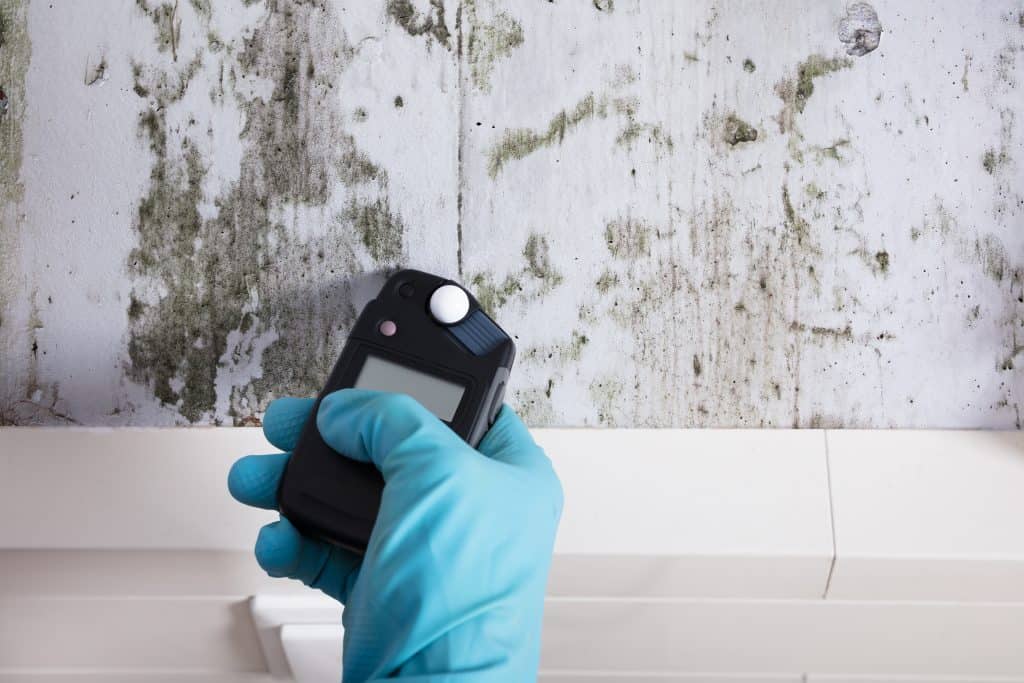
Next, we use moisture meters and thermal imaging to find hidden water sources. Mold doesn’t grow without moisture, so if we find where water is getting in, we’ve found the root cause. That could be a leaky pipe, poor ventilation, or water seeping through foundation cracks.
Then we take air and surface samples from different areas of your home. Those samples go to a lab that identifies the type and concentration of mold spores. Within a few days, you’ll get a report that tells you exactly what’s in your home and how serious it is.
Finally, we sit down and explain what we found. If there’s mold, we’ll tell you what needs to be removed, what’s causing it, and how to prevent it from coming back. If your home is clean, we’ll tell you that too. Either way, you’ll know where you stand.
Ready to get started?
Our mold testing service includes a full property inspection, moisture mapping, air quality testing, and surface sampling. We check visible areas and hidden spaces—inside walls, under flooring, behind appliances, and in ductwork.
In Mayfair, we pay special attention to basements and shared walls in row houses. Philadelphia ranks 85th on the list of moldiest U.S. cities, and that’s not just because of the weather. It’s because homes here are older, built before modern moisture barriers and ventilation standards. Many properties have outdated plumbing that leaks slowly over time, and shared walls can allow mold to spread between units without anyone noticing.
We also test your HVAC system. If mold spores are in your air handler or ducts, they’re circulating through every room in your house. That’s why people sometimes have allergy symptoms that never go away—they’re breathing mold every time the heat or AC kicks on.
After testing, you’ll get a detailed report with lab results, photos, moisture readings, and our recommendations. If you need to file an insurance claim, we’ll provide the documentation your carrier requires. If you just want peace of mind, you’ll have proof that your home is safe.
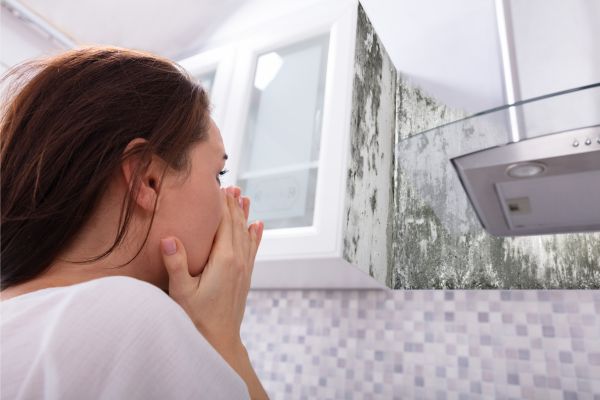
If you smell something musty, see discoloration on walls or ceilings, or notice persistent allergy symptoms that get worse at home, it’s worth testing. Water damage from leaks, floods, or high humidity also creates conditions for mold growth, even if you can’t see it yet.
DIY test kits don’t give you the full picture. They might tell you mold is present, but they won’t tell you what type, how much, or where it’s coming from. Professional testing uses lab analysis to identify specific mold species and measure spore concentrations in your air. That information determines whether you’re dealing with a minor issue or something that needs immediate remediation.
In older Mayfair homes, mold often hides in places you can’t easily access—behind finished basement walls, inside wall cavities, or under old flooring. We use thermal imaging and moisture meters to find hidden growth before it spreads. If you’re buying or selling a home, testing also protects you from surprises during inspection.
Air testing measures the concentration of mold spores floating in your indoor air. We take samples from different rooms and compare them to outdoor air quality. If your indoor spore count is significantly higher than outside, or if toxic mold species are present, that tells us you have an active mold problem.
Surface testing involves swabbing or tape-lifting samples from visible mold or suspected areas. This identifies the exact species growing in your home. Some molds are relatively harmless, while others—like black mold—produce toxins that can cause serious health problems. Knowing what you’re dealing with helps us recommend the right remediation approach.
We usually do both types of testing because they answer different questions. Air testing shows whether mold spores are circulating through your home. Surface testing confirms what’s growing and where. Together, they give you a complete picture of your indoor air quality and help us find the moisture source that’s feeding the mold.
The inspection and sampling process usually takes one to two hours, depending on the size of your home and how many areas we need to check. We’re thorough because missing a problem area means the mold keeps growing.
After we collect samples, the lab analysis takes three to five business days. You’ll receive a detailed report with lab results, photos from the inspection, moisture readings, and our recommendations. If we find visible mold or obvious moisture problems during the inspection, we’ll let you know right away—you won’t have to wait for lab results to start addressing the issue.
Some situations need faster answers. If someone in your home is having severe respiratory symptoms or if you’re dealing with water damage from a recent leak or flood, we can expedite testing. The key is catching mold early, before it spreads through your HVAC system or compromises structural materials.
It depends on what caused the mold. Most homeowners insurance policies cover mold remediation if it resulted from a covered peril—like a burst pipe, roof leak, or appliance malfunction. If mold developed because of long-term neglect, poor maintenance, or flooding, your policy might not cover it.
That’s why documentation matters. Professional mold testing provides the evidence insurance companies require to process claims. Our reports include lab results, photos, moisture readings, and a clear explanation of what caused the mold growth. We’ve worked with insurance carriers throughout Bucks County and Philadelphia, and we know what they need to approve claims.
We’ll help you navigate the claims process, but it’s worth calling your insurance agent before testing to understand your coverage. Even if insurance doesn’t cover everything, addressing mold early is almost always cheaper than waiting. Mold spreads quickly in humid climates like Philadelphia’s, and the longer it grows, the more damage it causes to walls, flooring, and structural materials.
Small surface mold—like a little mildew on bathroom tile—can usually be cleaned with the right products. But if mold covers more than a few square feet, if it’s growing inside walls or under flooring, or if you’re dealing with black mold, you need professional help.
Here’s why DIY mold removal often makes things worse. Scrubbing or bleaching mold releases thousands of spores into the air, spreading contamination to other areas. If you don’t fix the moisture source, the mold just comes back. And if you’re not wearing proper protective equipment, you’re exposing yourself to allergens and toxins that can cause respiratory problems.
Professional mold remediation involves containment, air filtration, safe removal, and fixing the underlying moisture problem. We follow EPA guidelines and Pennsylvania regulations to make sure the job is done right. Testing before and after remediation confirms that mold levels are back to normal. In Mayfair’s older homes, where mold often hides in wall cavities or spreads through shared structures, professional removal is the only way to fully eliminate the problem.
First, we’ll explain what type of mold is present, how much, and where it’s growing. Not every mold situation requires full remediation—sometimes improved ventilation or fixing a small leak is enough. But if lab results show toxic mold species or high spore concentrations, we’ll recommend professional removal.
We’ll also identify the moisture source. Mold doesn’t grow without water, so whether it’s a leaky pipe, condensation problem, or water seeping through your foundation, we’ll find it. Removing mold without fixing the moisture source is pointless—it’ll just come back in a few months.
If remediation is needed, we’ll give you a clear plan and cost estimate. We handle everything from containment and removal to repairing the moisture problem and restoring affected areas. We also work with your insurance company if your policy covers the damage. The goal is to get your home safe and healthy again, with a long-term solution that prevents mold from returning.
Other Services we provide in Mayfair