

Hear from Our Customers
The air quality in your home improves within hours of our work beginning. We’re not talking about masking the problem with surface cleaning or bleach that leaves the root cause untouched.
Our process removes mold from the materials it’s growing in and captures airborne spores with HEPA filtration while we work. You’ll notice the difference in how your home smells and how your family feels.
But what matters more is what happens after we leave. When we identify and fix the moisture source causing your mold problem, you’re not dealing with the same issue three months from now. That’s the difference between mold removal and actual remediation.
Your property value stays protected. Your family’s health improves. And you’re not throwing money at a problem that keeps coming back because someone didn’t address the leak, the ventilation issue, or the humidity problem in the first place.
We’ve been serving Bucks County homeowners long enough to understand what causes mold in this area. It’s not just one thing.
Mayfair’s humid summers create perfect conditions for mold growth, especially in older homes built before modern moisture control standards. Add in the proximity to the Delaware River and you’ve got basements, crawl spaces, and attics that stay damp longer than they should.
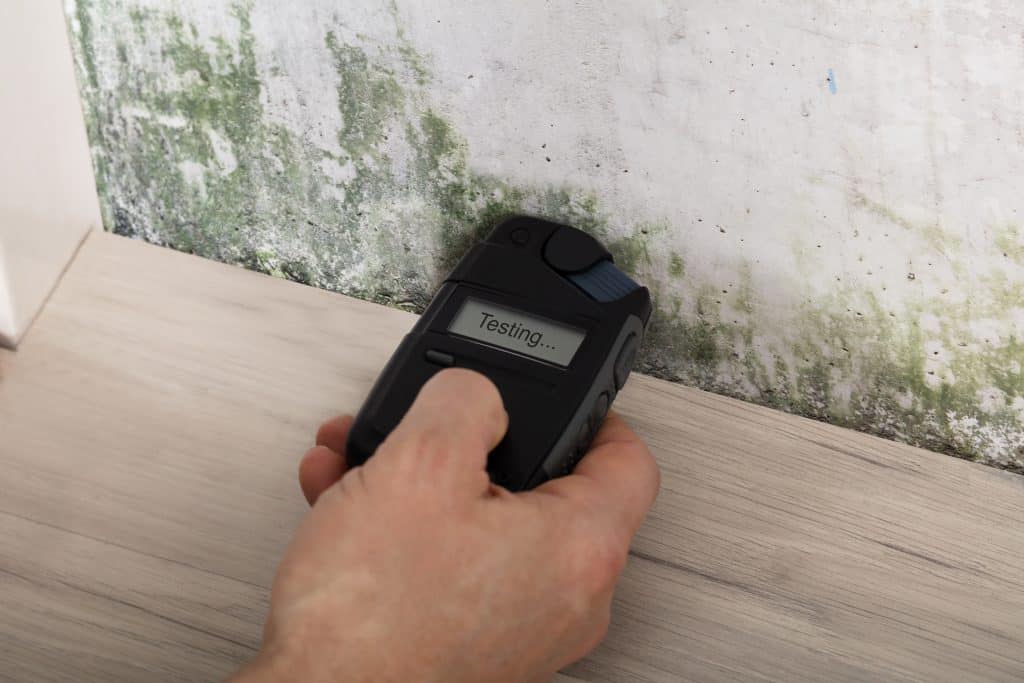
We’ve seen what happens when homeowners try the DIY route or hire someone who only treats the surface. The mold comes back because the real problem was never addressed. Our team uses moisture meters and infrared cameras to find what you can’t see, then we fix it correctly the first time.

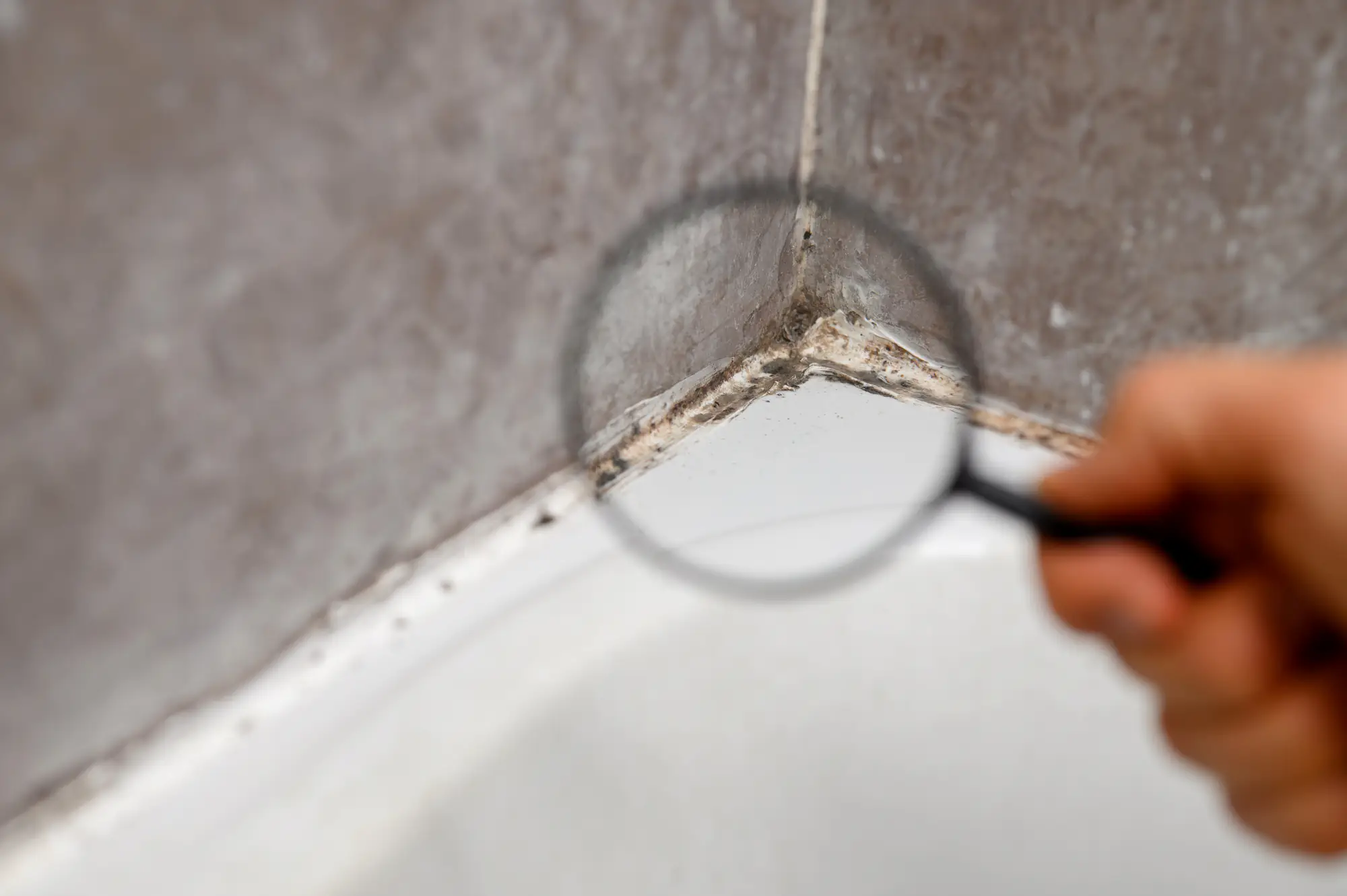
We start with a free inspection where our certified team examines both visible areas and hidden spaces where mold typically grows. We’re checking behind walls, under floors, in your HVAC system, and anywhere moisture tends to collect in Mayfair homes.
Once we identify the extent of the problem, we use moisture meters and infrared technology to pinpoint the source. Maybe it’s a roof leak you didn’t know about, poor attic ventilation, or a plumbing issue that’s been slow-dripping for months.
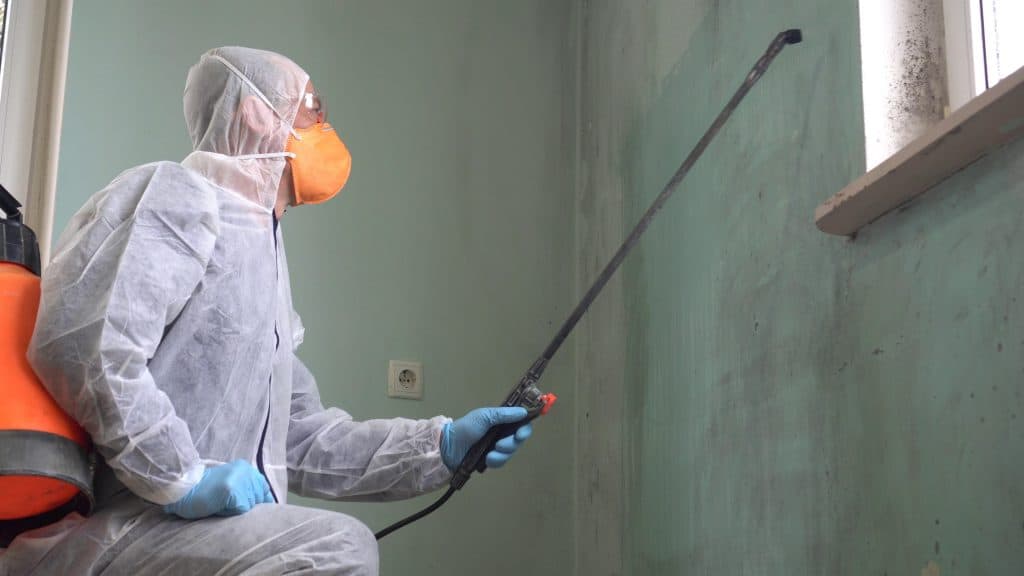
Before we remove anything, we set up containment barriers and run HEPA air scrubbers to prevent spores from spreading to clean areas of your home. Then we remove contaminated materials, treat affected surfaces with antimicrobial solutions, and dry everything thoroughly.
The final step is fixing whatever caused the moisture problem in the first place. We don’t just clean up mold and leave you vulnerable to the same issue next season. You get documentation showing your home meets safe air quality standards, and we walk you through prevention strategies specific to your property.
Ready to get started?
You’re getting a complete assessment that goes beyond what’s visible on your bathroom ceiling or basement wall. Our certified inspectors examine your entire home with equipment designed to detect moisture and mold in places you’d never think to check.
Containment and air filtration happen before we start removing anything. This protects the areas of your home that aren’t affected and keeps your family safe during the process. We’re using HEPA vacuums and commercial-grade air scrubbers, not box fans and bleach.
All contaminated materials get removed and properly disposed of. If mold has gotten into your drywall, insulation, or subflooring, those materials come out. We treat structural elements that can be saved with antimicrobial solutions that actually work.
Here’s what matters most for Mayfair homeowners: we fix the moisture source. Whether that’s repairing leaks, improving ventilation in your attic, or installing dehumidifiers in your basement, we address what caused the mold. Pennsylvania’s humid climate means your home is constantly exposed to conditions that encourage mold growth. Without fixing the source, you’re just delaying the inevitable.
You also get help with insurance claims if your mold resulted from a covered event, plus post-remediation testing that confirms your home is safe. We provide documentation you can use for property transactions or peace of mind.
Most mold removal projects in Mayfair run between $1,200 and $3,750, with the average homeowner paying around $2,300. But that number changes based on how much mold you’re dealing with and where it’s growing.
Small areas under 10 square feet might cost $500 to $1,500 if the mold hasn’t spread into building materials. Once mold gets into your drywall, insulation, or HVAC system, you’re looking at $10 to $25 per square foot for proper remediation. Whole-house projects where mold has spread throughout multiple rooms can reach $10,000 to $30,000.
The size of the affected area matters, but so does what’s contaminated. Removing mold from a concrete basement wall costs less than replacing mold-damaged drywall, insulation, and subflooring in a finished basement. If your HVAC system is involved, that adds to the cost because ductwork needs professional cleaning or replacement.
Location affects pricing too. Mold in easily accessible areas costs less to treat than mold behind walls or in crawl spaces where our team needs more time and equipment to reach it. We give you a detailed estimate after the inspection so you know exactly what you’re paying for and why.
The EPA says you can handle mold yourself if the affected area is less than 10 square feet and you don’t have asthma or respiratory sensitivities. But that guidance assumes the mold is only on the surface and hasn’t spread into building materials.
Here’s the problem most Mayfair homeowners run into: by the time you notice mold, it’s usually bigger than it looks. What you see on your bathroom wall might be connected to mold growing inside the wall cavity or under the floor. Surface cleaning doesn’t touch that.
Professional mold removal becomes necessary when mold has gotten into porous materials like drywall, insulation, or wood framing. It’s also necessary when mold is in your HVAC system, because running your air conditioning or heat will spread spores throughout your entire home. You need specialized equipment to contain the work area, filter the air, and safely remove contaminated materials.
The biggest mistake is thinking bleach or vinegar will solve it. Those products might kill surface mold temporarily, but they don’t address the moisture source. Within weeks, the mold comes back because the leak, ventilation problem, or humidity issue is still there. Professional remediation means finding and fixing what caused the mold, not just scrubbing what you can see.
Most residential mold removal projects in Mayfair take between three and seven days, depending on how extensive the contamination is and what repairs are needed. That timeline includes inspection, containment, removal, treatment, and fixing the moisture source.
Small projects where mold is limited to one area and hasn’t spread into building materials might be done in two to three days. We inspect, set up containment, remove the mold, treat the area, and verify everything is clean. If no major repairs are needed, the process moves quickly.
Larger projects take longer because there’s more involved. If mold has spread through multiple rooms, gotten into your HVAC system, or requires removing drywall and insulation, you’re looking at five to seven days or more. We’re not rushing through the work because cutting corners means the mold comes back.
Drying time affects the schedule too. After we remove contaminated materials and fix the moisture source, everything needs to dry completely before we can close up walls or reinstall flooring. Pennsylvania’s humidity means we sometimes need to run dehumidifiers for a few extra days to get moisture levels where they need to be. We don’t move to the next step until moisture readings confirm your home is dry.
Insurance covers mold removal only if the mold resulted from a covered peril, and even then, coverage is often limited. If a pipe bursts and causes water damage that leads to mold within 48 hours, that’s typically covered. If mold develops from a slow leak you didn’t know about or from long-term humidity issues, insurance usually won’t pay.
Most homeowners insurance policies in Pennsylvania cap mold coverage between $1,000 and $10,000, even when the mold is from a covered event. Some policies exclude mold entirely unless you’ve purchased additional coverage. You need to check your specific policy to know what you’re working with.
Insurance companies want to see that you acted quickly to prevent mold after water damage. If you had a roof leak during a storm and waited weeks to address it, they might deny your claim because mold could have been prevented. Documentation matters. We help with that.
When you work with us, we document everything for your insurance claim. We take photos, provide detailed reports showing what caused the mold, and explain what work is necessary to remediate it properly. If your mold qualifies for coverage, we’ll work with your insurance company to simplify the claims process. If it doesn’t, we offer flexible payment options to make remediation affordable without compromising on quality.
Mold exposure causes respiratory issues, allergic reactions, skin rashes, and persistent cold-like symptoms that don’t go away. If anyone in your home has asthma, the elderly, or young children, those health effects get worse because their immune systems are more vulnerable.
Common symptoms include coughing, wheezing, throat irritation, nasal congestion, and eye irritation. Some people develop skin rashes from touching mold or breathing in spores. If you notice these symptoms improve when you leave your house and return when you come back, mold is likely the cause.
Black mold, specifically Stachybotrys chartarum, produces mycotoxins that can cause more serious health problems with prolonged exposure. We’re talking chronic fatigue, severe respiratory distress, and neurological issues in extreme cases. Not all black-colored mold is toxic black mold, but you shouldn’t wait around to find out.
You should be concerned the moment you see visible mold growth or smell that musty, earthy odor that indicates mold is growing somewhere you can’t see. Mold can colonize within 24 to 48 hours after water exposure, and significant growth happens within 72 hours. The longer you wait, the more it spreads and the worse the health effects become. If anyone in your Mayfair home is experiencing unexplained respiratory symptoms, get a professional mold inspection before the problem gets worse.
Mold prevention comes down to controlling moisture, because mold can’t grow without it. Once we’ve removed the mold and fixed the source, you need to keep humidity levels below 60% and address any water issues immediately.
Run dehumidifiers in your basement and crawl spaces, especially during Mayfair’s humid summer months when moisture doesn’t evaporate easily. Check your humidity levels with a simple hygrometer. If you’re consistently above 60%, mold will eventually return no matter how thorough the remediation was.
Fix leaks the moment you notice them. That includes roof leaks, plumbing leaks, and anywhere water is getting into your home. What seems like a minor drip can create enough moisture for mold to grow inside your walls where you won’t see it until the problem is extensive. Inspect your roof, gutters, and downspouts regularly to make sure water is being directed away from your foundation.
Improve ventilation in areas prone to moisture. Bathrooms need exhaust fans that vent outside, not into your attic. Your attic needs proper ventilation to prevent hot, humid air from getting trapped and condensing on cooler surfaces. Kitchens should have range hoods that actually vent outside. We’ll give you specific recommendations based on what we find during your inspection, because every Mayfair home has different ventilation challenges based on age and construction.
Other Services we provide in Mayfair