
Hear from Our Customers
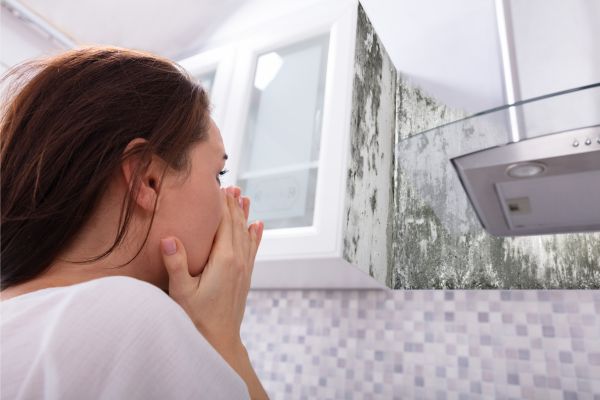
You’re not imagining it. That musty smell, the headaches that won’t quit, the allergies that seem worse at home than anywhere else. These aren’t just annoyances you have to live with.
Professional mold testing tells you exactly what’s growing in your home and where it’s hiding. We’re talking about air sample testing that detects airborne spores you can’t see and surface testing that identifies problem areas behind walls, under floors, and in your HVsystem.
Once you know what you’re dealing with, you can actually fix it. Not guess. Not hope some DIY spray works. You get a clear plan based on lab results that show the type of mold, the concentration levels, and the extent of contamination. That’s how you protect your family’s health and your property value at the same time.
We work throughout Philadelphia County, and we know Northern Liberties properties inside and out. The rowhouses, the new condo developments, the converted industrial spaces—we’ve tested them all.
This neighborhood’s housing stock creates specific challenges. Many rowhomes date back to the 1920s with outdated ventilation. Newer construction often has moisture issues from rushed development. Philadelphia’s humid summers and temperature swings don’t help.
We respond within 24 to 48 hours because we understand you’re busy. You’ve got work, you’ve got plans, and you need someone who shows up on time and gets it done right the first time.
First, we talk. You tell us what you’re seeing, smelling, or experiencing. We ask questions about your property—age, recent water issues, HVAC system, areas of concern.
Then we schedule your inspection at a time that works for you. We show up with professional testing equipment, not a clipboard and a guess. We collect air samples from multiple rooms to measure airborne mold spore concentrations. We take surface samples from suspected problem areas. If you’ve got a crawl space, attic, or basement, we check those too.
The samples go to an independent lab for analysis. You get a detailed report that identifies the types of mold present, the concentration levels, and whether they exceed safe thresholds. We walk you through the results in plain language—no jargon, no upselling, just facts.
If remediation is needed, we create a customized plan. If your levels are normal, we tell you that too. Either way, you know exactly where you stand.
Ready to get started?
You get a thorough visual inspection of your entire property. We check common problem areas like bathrooms, kitchens, basements, and attics, plus anywhere you’ve noticed issues.
Air sampling captures what’s floating around in your home that you can’t see. This matters because airborne mold spores are what you breathe in daily. We test multiple rooms to identify concentration patterns and potential sources.
Surface sampling identifies active mold growth on walls, ceilings, floors, and other materials. This tells us what species you’re dealing with and how established the growth is. Some molds are more aggressive than others. Some indicate serious moisture problems. The lab analysis gives us that information.
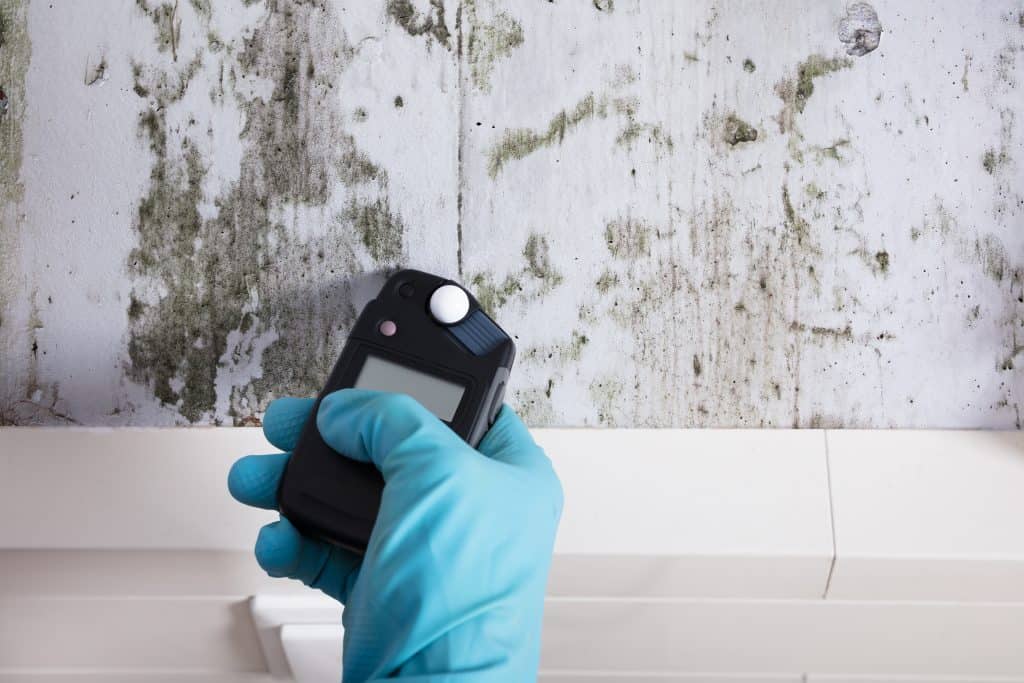
You also get moisture readings. Mold doesn’t grow without moisture, so we use meters to detect elevated moisture levels in building materials. This helps identify the root cause—whether it’s a hidden leak, poor ventilation, or humidity issues common in Northern Liberties’ older housing stock.
The final report includes everything: lab results, moisture readings, photos of problem areas, and our professional recommendations. You’re not left wondering what to do next.
Professional mold testing is significantly more accurate because we use calibrated equipment and send samples to certified labs for analysis. DIY kits often produce false positives because they’ll detect mold spores that exist in every home at normal, safe levels. They can’t tell you the concentration, the species, or whether you actually have a problem.
DIY kits also miss airborne mold. Most home kits only test surfaces you can see, but the bigger issue is usually what’s floating in your air or hidden behind walls. Our air sampling equipment captures spores throughout your home and measures concentration levels against established safety thresholds.
The lab analysis is what really matters. We can identify specific mold species—some are harmless, others are toxic. We can tell you if levels are elevated compared to outdoor air. We can pinpoint problem areas based on spore distribution patterns. A DIY kit just can’t give you that level of detail, which means you’re making decisions without complete information.
Aspergillus and Penicillium are the most common molds we find in Northern Liberties properties. Both thrive in humid conditions and grow on materials like drywall, wallpaper, and fabrics. They’re particularly common in older rowhouses with limited ventilation.
Cladosporium shows up frequently in bathrooms, kitchens, and around windows where condensation occurs. It’s usually black or green and grows on both porous and non-porous surfaces. We see it a lot in properties with older windows that don’t seal properly.
Stachybotrys—the infamous “black mold”—is less common but we do find it in homes with serious water damage or chronic moisture problems. It requires constant moisture to grow, so it typically appears after flooding, major leaks, or in areas with ongoing condensation issues. It grows on cellulose materials like drywall and wood, and it’s the one that gets the most attention because of potential health effects. If you’ve got black mold, you need professional remediation, not a spray bottle.
The on-site inspection typically takes one to two hours depending on your property size and the number of areas we’re testing. We’re thorough but efficient—we’re not going to waste your time, but we’re also not going to rush and miss something important.
Sample collection is quick. Air samples run for a specific time period to capture an accurate concentration reading. Surface samples take just minutes per location. Moisture readings are instant, so we can show you problem areas right away during the inspection.
Lab results usually come back within three to five business days. The lab needs time to culture the samples and identify species under microscopy. Once we receive the results, we contact you within 24 hours to schedule a time to review the report together. We don’t just email you a PDF and disappear—we walk you through what the results mean and what your options are. If the situation is urgent, we can request rush processing for an additional fee, which gets you results in 24 to 48 hours.
Philadelphia’s climate is a major factor. Humid summers create ideal conditions for mold growth, especially in homes without central air conditioning or proper ventilation. When indoor humidity stays above 60% for extended periods, mold starts growing on any organic material it can find.
The housing stock in Northern Liberties contributes to the problem. Many rowhouses were built in the 1920s with minimal ventilation by today’s standards. Bathrooms without exhaust fans, kitchens with poor airflow, and basements with no moisture barriers are common. Even newer construction can have issues—we’ve seen plenty of recently renovated properties with mold problems because moisture barriers weren’t installed correctly or ventilation wasn’t properly designed.
Water intrusion is the other big cause. Roof leaks, plumbing leaks, foundation seepage—any ongoing moisture source will eventually lead to mold growth. In attached rowhouses, you can even get moisture transfer from a neighbor’s property if they have a leak or drainage issue. The key is catching these problems early through testing before they become major remediation projects that cost thousands of dollars.
Yes, but it depends on what the results show. The lab report includes concentration levels that we compare against established guidelines for indoor air quality. If your mold spore counts are significantly higher than outdoor levels, or if we find toxic species like Stachybotrys, remediation is usually necessary.
The testing also reveals the extent of contamination. Small, isolated areas of surface mold might only need localized cleaning and moisture control. Widespread airborne contamination or hidden mold growth in wall cavities requires professional remediation with containment, HEPA filtration, and antimicrobial treatment.
We give you honest recommendations based on the data. If your levels are normal and you just have a small patch of surface mold from a recent leak, we’ll tell you that and explain how to address it yourself. If you need full remediation, we explain why, what’s involved, and what it will cost. The testing gives you the information you need to make an informed decision—you’re not guessing or relying on someone’s opinion. You’ve got lab results that show exactly what’s happening in your home.
Most residential mold inspections in Northern Liberties range from $300 to $600 depending on property size and the number of samples collected. A typical rowhome inspection with air sampling in three to four rooms and a few surface samples usually falls in the $400 to $500 range.
Larger properties or homes with multiple suspected problem areas cost more because we need to collect more samples to get an accurate picture. Each air sample and surface sample has a lab processing cost, and more complex properties take longer to inspect thoroughly. If you need testing in hard-to-access areas like crawl spaces or behind finished walls, that adds time and complexity.
The cost of testing is minimal compared to the cost of ignoring a mold problem. Remediation for widespread contamination can run $2,000 to $10,000 or more. Property value can drop 20% to 37% if buyers discover undisclosed mold issues during their inspection. Health problems from prolonged exposure cost far more in medical bills and lost quality of life. Testing gives you the information you need to address problems early when they’re smaller and cheaper to fix, or it gives you peace of mind that your air quality is fine.
Other Services we provide in Northern Liberties