

Hear from Our Customers
You stop wondering if that smell is mold. You stop worrying about what’s growing behind your walls or under your floors. You breathe easier—literally—because the air in your home isn’t making your family sick anymore.
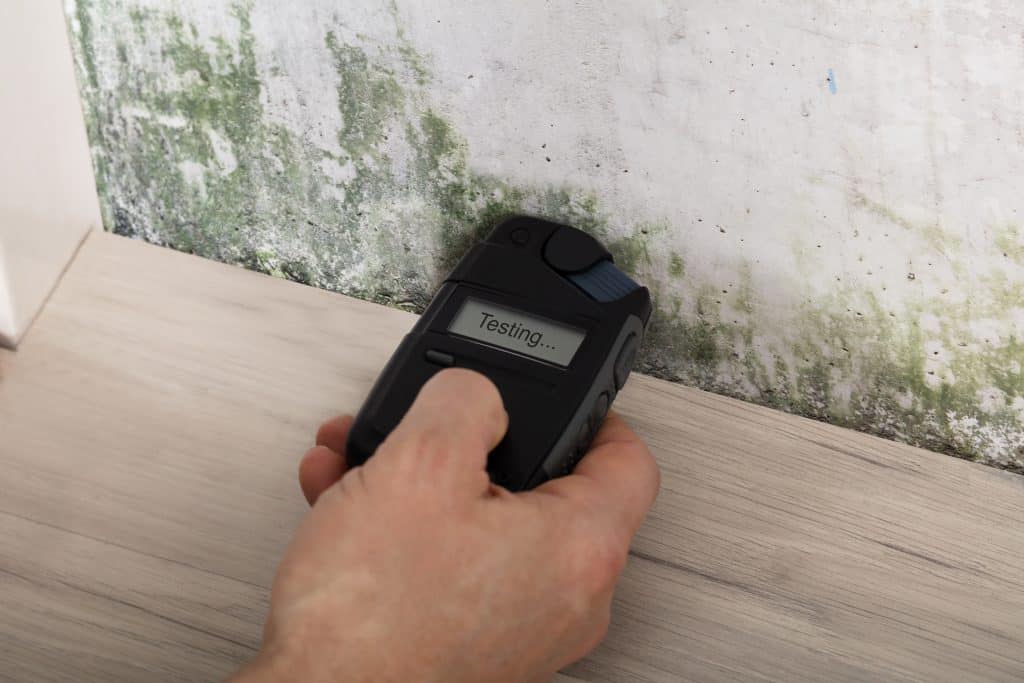
The difference between a surface cleanup and real mold removal is this: one makes it look better for a few weeks, the other actually fixes the problem. We’re not wiping down walls with bleach and calling it done. We’re using moisture meters and thermal imaging to find where water’s getting in, removing contaminated materials the right way, and treating the space so spores can’t come back.
Northern Liberties has the same problem most of Philly does—old brick, humid summers, basements that weren’t built to stay dry. That’s not your fault. But it does mean mold finds a way in if the conditions are right. Our job is to eliminate those conditions, not just the visible growth.
We work with homeowners and property managers across Northern Liberties and the surrounding Philadelphia area. We’re not a national franchise with a call center—we’re local, we know the housing stock here, and we’ve seen what happens when mold gets ignored in these older rowhomes and converted lofts.
We use EPA-approved methods, certified technicians, and the kind of equipment that actually finds hidden moisture—not just the stuff you can see. We also don’t disappear after the job. If something comes up or you have questions later, you can reach us.
Most of our work comes from referrals. That tells you something about how we operate and what people say after we’re done.

First, we come out and do a free inspection. We’re not just looking at the mold you can see—we’re checking moisture levels, airflow, possible water intrusion points, and any hidden growth behind walls or under flooring. We use thermal imaging and moisture meters to get the full picture.
Once we know what we’re dealing with, we give you an upfront estimate. No surprises, no upselling once we start. If your insurance covers it, we’ll work with them directly to make that process easier.
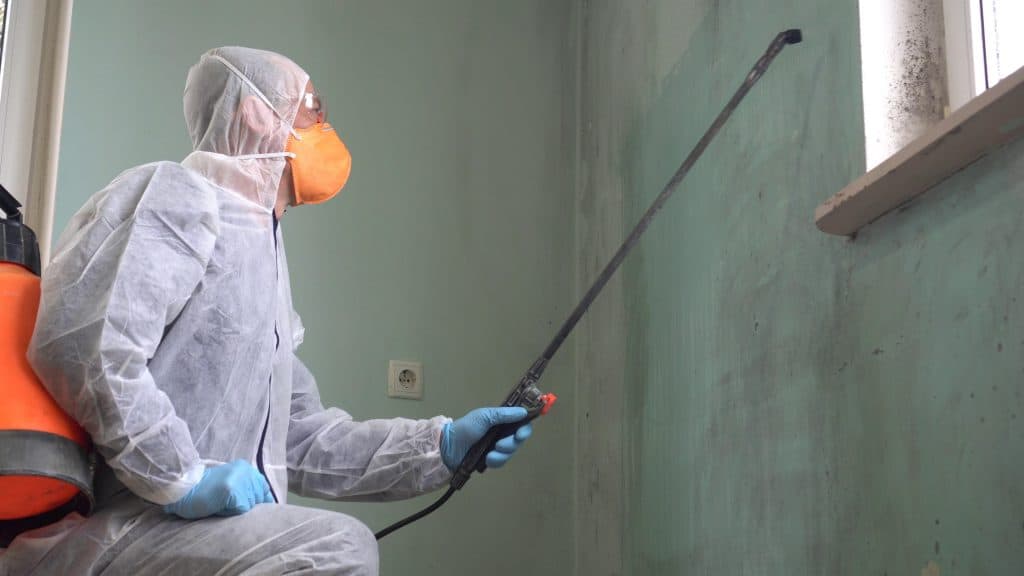
During removal, we contain the area to prevent spores from spreading to other parts of your home. We remove contaminated materials, treat affected surfaces, and use HEPA filtration to clean the air. Then we address the source—whether that’s a leaky pipe, poor ventilation, or a foundation issue letting water in.
After everything’s dry and treated, we can handle the rebuild too if needed. You’re not coordinating between three different companies. One team, start to finish.
Ready to get started?
You get a thorough inspection with advanced detection tools, not just a visual walkthrough. You get certified technicians who know how to safely remove mold without spreading it to clean areas of your home. You get containment, removal, treatment, and air filtration. You also get the fix—the part most companies skip.
In Northern Liberties, a lot of the mold we see is in basements with old stone foundations, bathrooms with poor ventilation, or attics where roof leaks went unnoticed. These aren’t quick fixes. They require someone who understands building science and how moisture moves through older construction.
We also handle the paperwork if insurance is involved. We document everything, take photos, and communicate directly with adjusters so you’re not stuck in the middle. And if you need financing, we offer flexible payment options because we know mold removal isn’t something most people budget for.
This isn’t just about cleaning up what you can see. It’s about making sure the conditions that allowed mold to grow in the first place are gone.
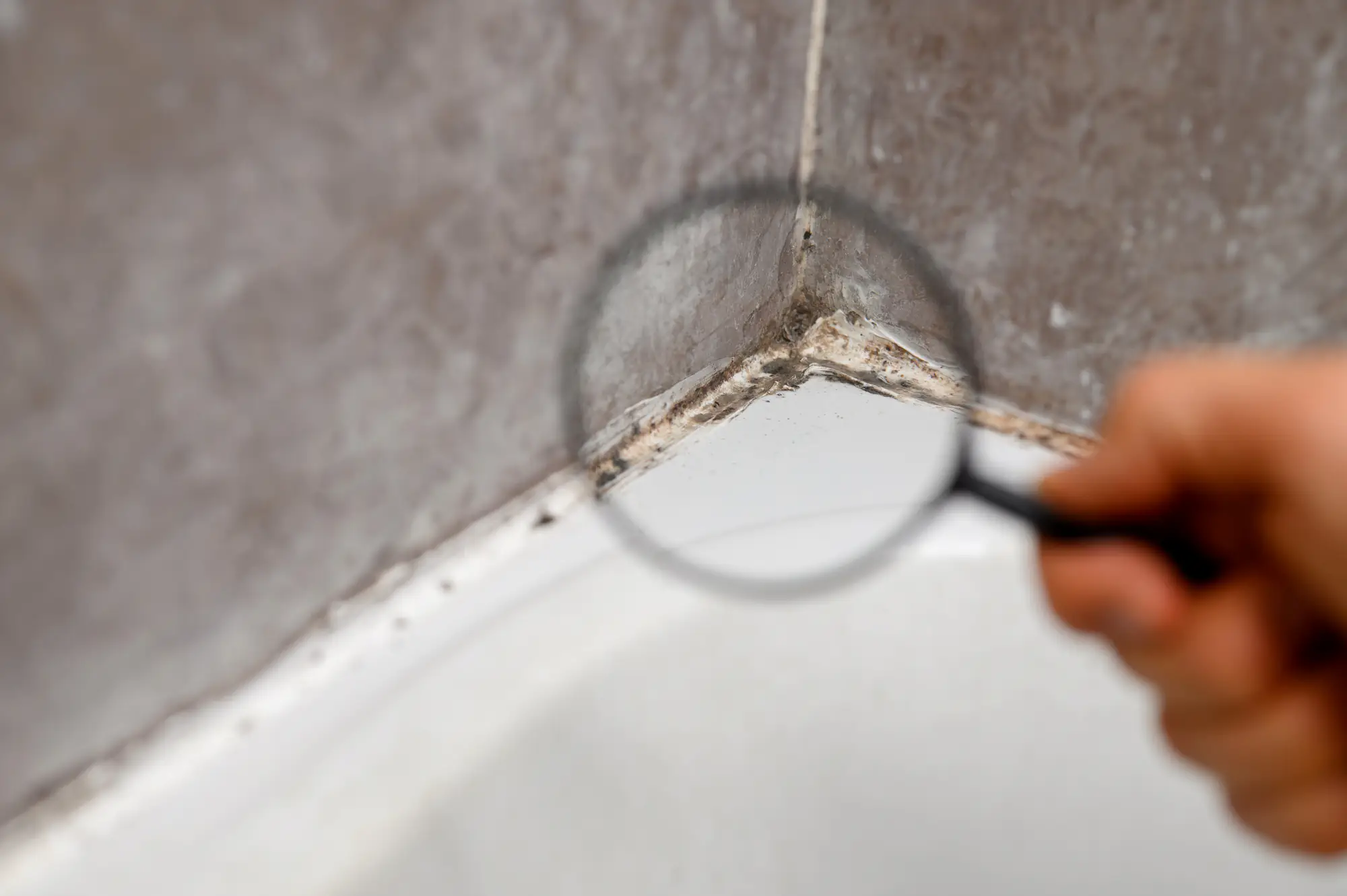
If you’re seeing discoloration on walls or ceilings, smelling something musty that won’t go away, or dealing with recurring condensation in certain areas, there’s a good chance mold is either present or on its way. Normal moisture dries out. Mold-causing moisture lingers because there’s a source feeding it—like a slow leak, poor ventilation, or humidity that’s consistently above 60%.
You can’t always see mold, especially if it’s growing inside walls, under flooring, or in your HVAC system. That’s why we use thermal imaging and moisture meters during inspections. These tools show us where water is hiding, even if there’s no visible growth yet.
If anyone in your home is dealing with unexplained respiratory issues, allergies that won’t quit, or asthma that’s gotten worse, that’s another red flag. Mold affects indoor air quality, and the longer it’s there, the worse it gets. A free inspection will give you a clear answer instead of guessing.
If it’s a tiny spot on a non-porous surface and you caught it early, you might be able to handle it. But if it’s larger than a few square feet, if it’s on drywall or wood, or if you don’t know what caused it, DIY is risky. Mold releases spores when disturbed, and without proper containment, you’re spreading the problem to other areas of your home.
Most people also miss the source. You can scrub the visible mold off a wall, but if there’s a leak behind it or humidity that’s too high, it’ll be back in a few weeks. Professional mold removal means finding and fixing the root cause, not just treating the symptom.
Black mold—which we see often in Philadelphia basements and bathrooms—requires even more caution. It’s not always dangerous, but some types produce mycotoxins that can cause serious health issues. We have the equipment, training, and EPA-approved methods to remove it safely and completely. If you’re not sure what you’re dealing with, it’s worth getting it checked before you start tearing into walls.
Most residential mold removal jobs take between one and three days, depending on the size of the affected area and how much material needs to be removed. Smaller jobs—like a bathroom or closet—can sometimes be done in a day. Larger jobs involving multiple rooms, crawl spaces, or structural repairs take longer.
Whether you need to leave depends on the scope of the work. If we’re containing one room and the rest of your home isn’t affected, you can usually stay. If the contamination is widespread or we’re working in a central area like your HVAC system, we might recommend staying elsewhere for a day or two while we complete the work and let everything dry.
We use containment barriers and negative air pressure to keep spores from spreading during removal, so even if you’re home, the work area is sealed off. Once removal is done, we run HEPA air scrubbers to clean the air before we pack up. You won’t be walking back into a space that still feels or smells like mold.
It depends on what caused the mold. If it’s the result of a sudden, accidental event—like a burst pipe or storm damage—most policies will cover it. If it’s from long-term neglect, like a slow leak you didn’t fix, they probably won’t. Insurance companies draw a hard line between sudden damage and maintenance issues.
That’s why documentation matters. We take detailed photos, moisture readings, and notes during the inspection so there’s a clear record of what happened and when. If your claim gets approved, we work directly with your insurance adjuster to make the process easier. You’re not stuck translating between what we did and what they need to see.
If insurance doesn’t cover it, we offer financing options so the cost doesn’t hit all at once. Mold removal isn’t cheap, but it’s a lot less expensive than letting the problem spread or dealing with health issues down the road. We’ll give you an upfront estimate so you know exactly what you’re looking at before any work starts.
They’re often used interchangeably, but technically, remediation is the more accurate term. You can’t remove every single mold spore from a building—they’re everywhere, all the time. What we do is bring mold levels back to normal, safe levels by removing contaminated materials, treating surfaces, and eliminating the moisture source.
Removal usually refers to physically taking out mold-damaged drywall, insulation, flooring, or other materials that can’t be saved. Remediation includes that, but it also covers containment, air filtration, antimicrobial treatment, and prevention. It’s the full process, not just the tearout.
Some companies will remove visible mold and stop there. That’s not remediation—that’s a patch job. Real remediation addresses the environment that allowed mold to grow in the first place. If the humidity’s still too high, if there’s still a leak, or if airflow is poor, mold will come back. We don’t consider the job done until the conditions are fixed.
Control moisture. That’s it. Mold needs water to grow, so if you keep indoor humidity below 50%, fix leaks as soon as they happen, and make sure air circulates properly, you’re eliminating the conditions mold needs.
In Northern Liberties, that means paying attention to your basement. A lot of the rowhomes here have old foundations that weren’t waterproofed. If water’s seeping in after heavy rain, you need to address that—whether it’s exterior grading, a sump pump, or interior drainage. Dehumidifiers help, but they’re not a permanent fix if water’s actively coming in.
Bathrooms and kitchens are the other common trouble spots. Run exhaust fans during and after showers, fix any plumbing leaks right away, and don’t let wet towels or bath mats sit on the floor. If your attic doesn’t have proper ventilation, that’s another place moisture gets trapped, especially in summer. We’ll point out these issues during the inspection so you know what to watch for going forward.
Other Services we provide in Northern Liberties