
Hear from Our Customers
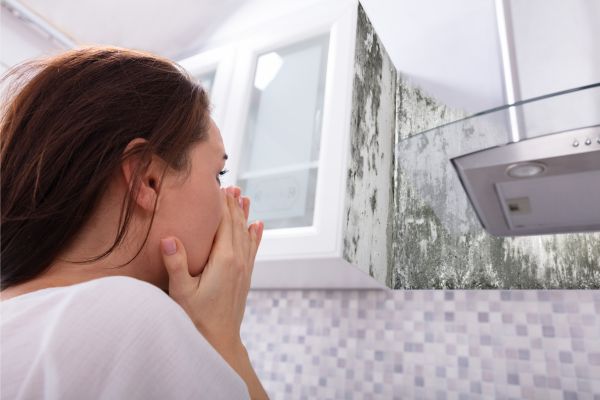
You’ve noticed the smell. Or maybe you’ve been coughing more at home than anywhere else. Perhaps you just had water damage and want to know if it turned into something worse.
Mold testing gives you facts instead of worry. You’ll know if there’s a problem, what type of mold you’re dealing with, and how serious it is. That matters when 30% of Manayunk properties face flooding risk and Philadelphia’s humidity creates perfect conditions for mold growth year-round.
The test results tell you whether you need remediation or if you can relax. Either way, you’re not wondering anymore. You’re not second-guessing every sneeze or worrying about what’s behind your walls. You have lab results that show spore counts, identify species, and give you a clear path forward.
That distinction matters more than you’d think. When the same company tests and removes mold, there’s a built-in conflict of interest. We only test. Our job is to give you accurate results, not to sell you on remediation you might not need.
We serve Manayunk and the surrounding Philadelphia area with certified mold inspection services. We use thermal imaging, moisture meters, and air sampling equipment to find mold you can’t see. Our samples go to accredited labs for analysis, and you get detailed reports that actually make sense.
Manayunk’s older homes and high rental rate mean we see everything from basement moisture issues to attic ventilation problems. We know what to look for in this area’s housing stock.
First, we walk through your property and talk about what you’ve noticed. Smells, stains, health symptoms, past water damage—anything that brought you here. We’re looking for visible signs and asking about areas that concern you.
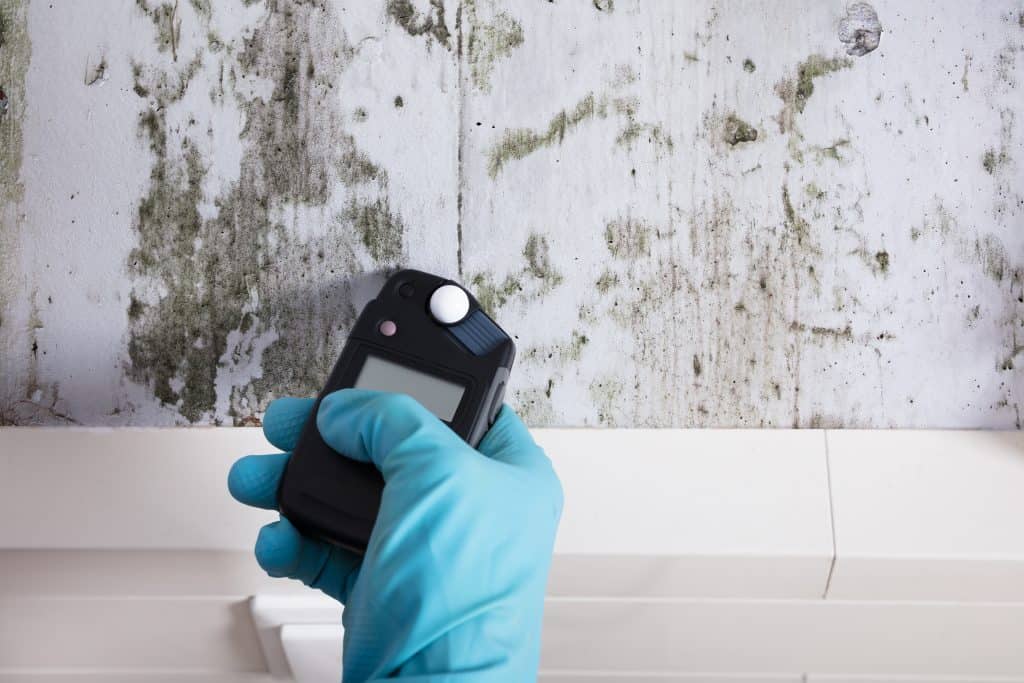
Then we use moisture meters and thermal imaging to find hidden water sources. Mold doesn’t grow without moisture, so finding where water collects tells us where mold is likely growing. We check common problem areas like basements, crawl spaces, attics, and anywhere you’ve had leaks or flooding.
We take air samples and surface samples from suspected areas. Those samples go to a lab that identifies the specific mold species and measures spore concentration. You’re not getting a yes-or-no answer. You’re getting data: what’s growing, how much, and where.
Within a few days, you receive a detailed report with lab results and our assessment. If there’s a problem, the report outlines what needs to happen next. If you’re clear, you have documentation proving it—helpful for real estate transactions or insurance claims.
Ready to get started?
Your mold testing includes a full visual inspection of accessible areas in your home. We’re checking basements, bathrooms, kitchens, attics, crawl spaces, and anywhere moisture tends to accumulate. In Manayunk, that often means paying extra attention to older homes with stone foundations and limited ventilation.
We use thermal imaging to spot temperature differences that indicate moisture behind walls or ceilings. Moisture meters give us exact readings so we know if materials are wet enough to support mold growth. Air sampling captures spores floating in your indoor environment, even if you can’t see visible mold anywhere.
Surface sampling targets specific areas where we see discoloration or suspect growth. The lab analysis identifies mold species—important because black mold requires different handling than common household molds. You’ll see spore counts measured in spores per cubic meter, which tells you if levels are normal or elevated compared to outdoor air.
The report includes photos, moisture readings, lab results, and recommendations. If remediation is needed, you’ll know the scope before you spend a dollar. If your air quality is fine, you have proof.
Residential mold testing in the Manayunk area typically runs between $300 and $500 for a standard home inspection with lab analysis. That price includes the on-site inspection, air and surface sampling, lab fees, and a detailed report with findings.
The cost varies based on your home’s size and how many samples we need to take. A small condo with one suspected area costs less than a full house with multiple moisture concerns. Additional testing in hard-to-reach areas or extra lab work can increase the price, but we discuss that upfront before collecting samples.
Some companies charge less but skip the lab analysis or only do visual inspections. That’s not testing—that’s guessing. Real mold testing means sending samples to an accredited laboratory for species identification and spore counts. Without lab results, you’re just paying someone to look around and give you their opinion.
The on-site inspection usually takes one to two hours depending on your home’s size and the number of areas we’re checking. We’re not rushing through. We’re using moisture meters, thermal imaging, and collecting samples carefully.
Lab results typically come back within three to five business days. Some labs offer rush processing for an additional fee if you’re in the middle of a real estate transaction or need faster answers. Once we receive the lab results, we compile everything into your report and send it over.
The timeline matters if you’re buying or selling a home in Manayunk. Real estate deals can stall when mold questions come up during inspections. Getting accurate testing done quickly keeps transactions moving and gives everyone involved the information they need to negotiate fairly.
A mold inspection is the visual walkthrough where we examine your property, use moisture meters and thermal imaging, and identify areas of concern. Mold testing is when we actually collect air and surface samples and send them to a lab for analysis.
You can have an inspection without testing if there’s obvious mold and you just need to know the extent of the problem. But if you want to know what type of mold you’re dealing with, how much is present, or whether there’s hidden mold affecting your air quality, you need testing with lab analysis.
Most homeowners in Manayunk get both—the inspection identifies problem areas and the testing confirms what’s growing and how serious it is. That combination gives you complete information. You’re not guessing based on what something looks like. You have scientific data showing spore types and concentrations.
Home mold test kits exist, but they don’t tell you much. Most kits just confirm that mold spores are present—which they are in every home, always. Mold spores are everywhere. The question isn’t whether they exist. It’s whether you have an elevated concentration of problematic species.
DIY kits can’t measure spore counts accurately, identify specific species reliably, or find hidden mold behind walls and in crawl spaces. You’re also collecting samples without knowing where to test or how to avoid contamination. That leads to false positives that cause unnecessary panic or false negatives that miss real problems.
Professional mold testing uses calibrated equipment, proper sampling techniques, and accredited lab analysis. We know where mold grows in Manayunk’s housing stock. We understand how to interpret results in context with Philadelphia’s climate and your home’s specific conditions. A $10 kit can’t replace that knowledge or accuracy.
Yes, especially in Manayunk where flooding risk is high and humidity stays elevated. Mold can start growing within 24 to 48 hours after water intrusion. Even if you dried everything quickly, moisture can get trapped in walls, under flooring, or in insulation where you can’t see it.
Testing after water damage tells you whether your cleanup worked or if mold established itself anyway. You might not see visible growth for weeks or months, but spores could already be circulating through your HVAC system. Air quality testing catches that early when remediation is still straightforward and affordable.
Insurance companies sometimes require mold testing documentation after water damage claims. If you’re filing a claim or planning to sell your home later, having test results showing you addressed potential mold problems protects you. It’s proof you handled the situation properly instead of ignoring it and hoping for the best.
Yes. The lab results show spore types and concentrations, and our report explains what those numbers mean for your situation. If spore counts are normal and species are typical, you don’t need remediation. If counts are elevated or we find toxic species like Stachybotrys (black mold), the report outlines what needs to happen.
We’re not selling you remediation services, so our assessment is based purely on the data. Some situations need professional remediation. Others just need better ventilation or fixing a small leak. We tell you which category you’re in and why.
The report also identifies moisture sources feeding mold growth. Remediation without fixing the moisture problem just means mold comes back. Our testing shows you both the mold issue and the underlying cause, so you can address everything properly the first time instead of paying twice for incomplete work.
Other Services we provide in Manayunk