
Hear from Our Customers
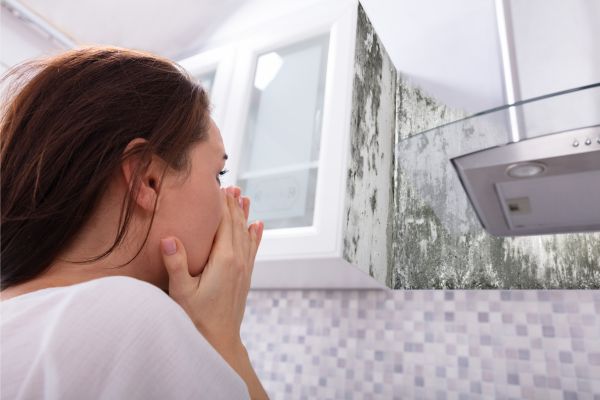
You’ve noticed the smell. Maybe you’ve seen discoloration on the walls or ceiling. Or maybe you’re dealing with symptoms—headaches, breathing issues, irritation—that won’t go away.
Here’s the problem: mold doesn’t always show itself. It hides behind walls, under flooring, in HVAC systems. You can scrub what you see and still have a bigger issue spreading where you can’t reach it.
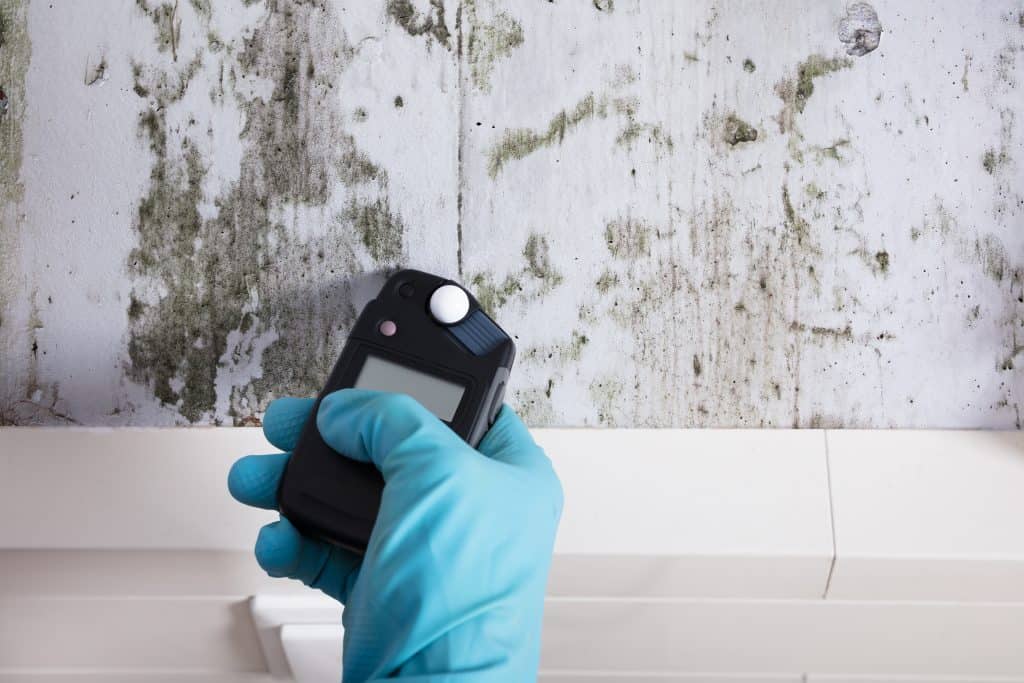
That’s where professional mold testing comes in. We use moisture meters, thermal imaging, and air sampling to find what’s actually there—not just what’s visible. You get lab results that show mold type, concentration levels, and where it’s coming from. Then you know if you’re dealing with surface mold you can handle yourself or something that needs real intervention.
No more wondering if that patch is harmless or if your air quality is making your family sick. You get clarity, documentation, and a plan based on what’s actually happening in your home.
We’ve been serving Wynnefield and the surrounding Philadelphia area with one focus: accurate mold testing that gives you real information. We’re not here to upsell you on services you don’t need.
Wynnefield homes—many built between 1940 and 1969—are beautiful, but they come with older infrastructure. That means more vulnerability to moisture issues, especially with the flooding risk that affects 17% of properties in this area. We know these homes. We know where problems hide.
Our team uses certified processes and advanced equipment to give you results you can trust. Whether you’re buying, selling, dealing with symptoms, or just want peace of mind, we show up with the tools and experience to tell you what’s going on.
First, we talk. You tell us what you’ve noticed—smells, stains, health symptoms, water damage history. That helps us know where to look and what equipment to bring.
When we arrive, we do a visual inspection of your property. We’re looking for obvious signs, but also moisture patterns, ventilation issues, and hidden risk areas. We use thermal imaging to detect temperature differences that indicate moisture behind surfaces. Moisture meters confirm where water is present, even if it’s not visible.
Next comes air sampling. We collect samples from different areas of your home and send them to a certified lab. The lab identifies mold species and measures spore concentration. Surface samples may also be taken if we find visible growth.
Within a few days, you get a detailed report. We walk you through what was found, what it means for your health and property, and what your options are. If remediation is needed, you’ll know exactly why. If it’s minor, we’ll tell you that too. You’re never in the dark about what’s happening in your own home.
Ready to get started?
Every mold testing service we provide includes a full visual inspection, moisture detection scanning, and air quality sampling. We check areas you’d expect—bathrooms, basements, attics—and areas most people overlook, like crawl spaces and behind appliances.
We use professional-grade equipment: thermal imaging cameras to spot hidden moisture, calibrated moisture meters, and air sampling pumps that meet industry standards. All samples go to an independent, accredited lab. You get unbiased results with no conflict of interest.
In Wynnefield specifically, we pay close attention to basement moisture and foundation issues. With the flood risk here and the age of most homes, water intrusion is common. We also inspect HVAC systems, since mold spores spread fast through ductwork in older heating and cooling setups.
Your report includes lab results, photos, moisture readings, and our professional assessment. We explain everything in plain language—no jargon, no runaround. You’ll know what type of mold was found, whether levels are elevated, and what the next step should be. If you’re dealing with a real estate transaction, the documentation is thorough enough for buyers, sellers, and insurance companies.
If you can see mold, smell it, or you’ve had water damage in the last year, testing is worth it. Same goes if you’re experiencing unexplained respiratory symptoms, headaches, or allergy-like reactions that improve when you leave the house.
Visible mold doesn’t always tell the full story. What you see on a bathroom tile might be surface-level, or it could be a sign of a bigger problem behind the wall. Professional testing identifies the mold type—some are more harmful than others—and measures concentration levels in your air.
You also want testing if you’re buying or selling a home in Wynnefield. Older homes here are more prone to moisture issues, and a clean inspection protects both parties. Sellers avoid surprises during negotiations, and buyers know exactly what they’re getting into. If you’ve had flooding, a roof leak, or plumbing issues, testing confirms whether remediation worked or if mold came back.
A mold inspection is visual. We walk through your property, look for signs of mold and moisture, and identify risk areas. It’s helpful, but it doesn’t tell you what type of mold is present or how much is in your air.
Mold testing goes further. We collect air and surface samples and send them to a lab for analysis. The lab identifies the species and measures spore counts. That’s critical because not all mold is the same—some types are more toxic, and concentration matters for health risk.
Most people need both. The inspection finds where mold is or where it’s likely growing. The testing confirms what it is and how serious the issue is. If you’re trying to decide whether to invest in remediation, testing gives you the data to make that call. If you’re dealing with insurance or a real estate transaction, testing provides the documentation you need.
The onsite inspection and sampling usually takes one to two hours, depending on the size of your home and how many areas we’re testing. We’re thorough, but we’re not here all day.
Once we collect samples, they go to an accredited lab. Lab results typically come back within three to five business days. Rush processing is available if you’re under a time crunch—like a real estate closing deadline.
When results are in, we schedule a call or meeting to review everything with you. We don’t just hand you a report and disappear. We walk through what was found, explain what the numbers mean, and answer your questions. If remediation is recommended, we’ll explain why and what it involves. If levels are normal, we’ll tell you that too. You get clear answers, not a sales pitch.
Yes. Lab results identify the mold species, and certain types are more concerning than others. Stachybotrys (black mold) and certain Aspergillus species are known for health risks, especially for people with asthma, allergies, or weakened immune systems.
But it’s not just about the type—it’s also about concentration. The lab measures spore counts per cubic meter of air. Elevated levels, even of less toxic molds, can still cause respiratory irritation, headaches, and other symptoms. The report compares your indoor levels to outdoor baseline levels, so you can see if your home has abnormally high counts.
We also look at where the mold is growing. Mold in your HVAC system is a bigger problem than mold on a windowsill, because it’s spreading spores throughout your home every time the system runs. Testing gives you the full picture: what’s there, how much, and whether it’s a health risk. That’s how you make an informed decision about what to do next.
You can, but you won’t get the same level of accuracy or useful information. Home test kits are cheap and easy, but they don’t measure spore concentration in your air. They also don’t account for where you’re sampling or how to interpret results in context.
Most DIY kits just tell you “mold is present,” which isn’t helpful—mold spores exist in almost every home. What matters is the type, the amount, and where it’s growing. Professional air sampling uses calibrated equipment and controlled methods to get accurate readings. Our samples go to certified labs that follow strict protocols.
We also know where to look. Mold hides in places homeowners don’t think to check—inside walls, under flooring, in ductwork. We use thermal imaging and moisture meters to find those areas before we sample. A home kit won’t catch hidden growth, and it won’t give you the documentation you need for insurance claims or real estate transactions. If you’re serious about knowing what’s in your home, professional testing is the only way to get reliable answers.
Cost depends on the size of your home and how many samples we take. A typical residential mold testing service ranges from $300 to $600. Larger homes or properties with multiple problem areas may cost more.
That includes the inspection, moisture detection, air sampling, lab analysis, and a detailed report with our professional assessment. If you need surface samples in addition to air samples, that adds to the cost, but we’ll discuss that upfront based on what we find during the inspection.
It’s not the cheapest service, but it’s one that saves you money in the long run. Catching mold early prevents expensive structural damage and health issues that cost far more to address later. If you’re buying a home in Wynnefield, spending a few hundred on testing now can save you tens of thousands in surprise repairs after closing. And if you’re selling, a clean mold report protects you from deals falling through or buyers demanding credits. You’re paying for accuracy, documentation, and peace of mind.
Other Services we provide in Wynnefield