
Mold Testing in Graduate Hospital, PA

Know What You're Dealing With Before You Pay

Independent mold testing that tells you what’s actually growing, where it’s coming from, and whether you need to act now or later.

Hear from Our Customers

Professional Mold Testing Graduate Hospital

Get Real Answers Without the Sales Pitch

You’re not looking for someone to sell you a $15,000 remediation job. You want to know if that musty smell in your basement is actually mold, or if those dark spots behind the radiator are something you need to worry about right now.

That’s what professional mold testing does. We come in, test the air and surfaces, send samples to a certified lab, and give you a detailed report that tells you exactly what type of mold is present, how much of it there is, and where the moisture is coming from. No upselling. No remediation crew waiting in the van.

If you’re buying one of Graduate Hospital’s beautiful 19th-century rowhomes, this is how you avoid inheriting someone else’s moisture problem. If you’ve already got symptoms—runny nose, coughing, itchy eyes that won’t quit—this is how you figure out if mold is the reason. And if you just had remediation done, this is how you confirm the job was actually finished.

Mold Testing Company Graduate Hospital PA

We Test Mold. We Don't Remove It.

We specialize in residential mold testing across Graduate Hospital and the surrounding Philadelphia area. We’re licensed mold assessors in Pennsylvania, which means we’re legally required to stay independent. We don’t do remediation, so we have zero financial incentive to exaggerate what’s happening in your home.

That matters more than you’d think. A lot of companies offer “free mold inspections” and then recommend expensive work whether you need it or not. We charge for testing because that’s all we do—and our only job is to give you accurate information.

We know this neighborhood. We know the plaster walls, the brick basements, the old HVAC systems that weren’t designed for today’s humidity levels. We also know that 40% of properties here face severe flooding risk over the next 30 years, and that Graduate Hospital’s housing stock holds moisture differently than newer construction. That local knowledge shows up in how we test and what we look for.

How Mold Inspection Works in Graduate Hospital

Here's What Happens During a Mold Test

We start with a visual inspection of your property. That means checking the obvious spots—bathrooms, basements, crawl spaces—but also the hidden ones. Behind radiators. Inside HVAC ducts. Under sinks. Around windows. Anywhere moisture likes to settle in older homes.

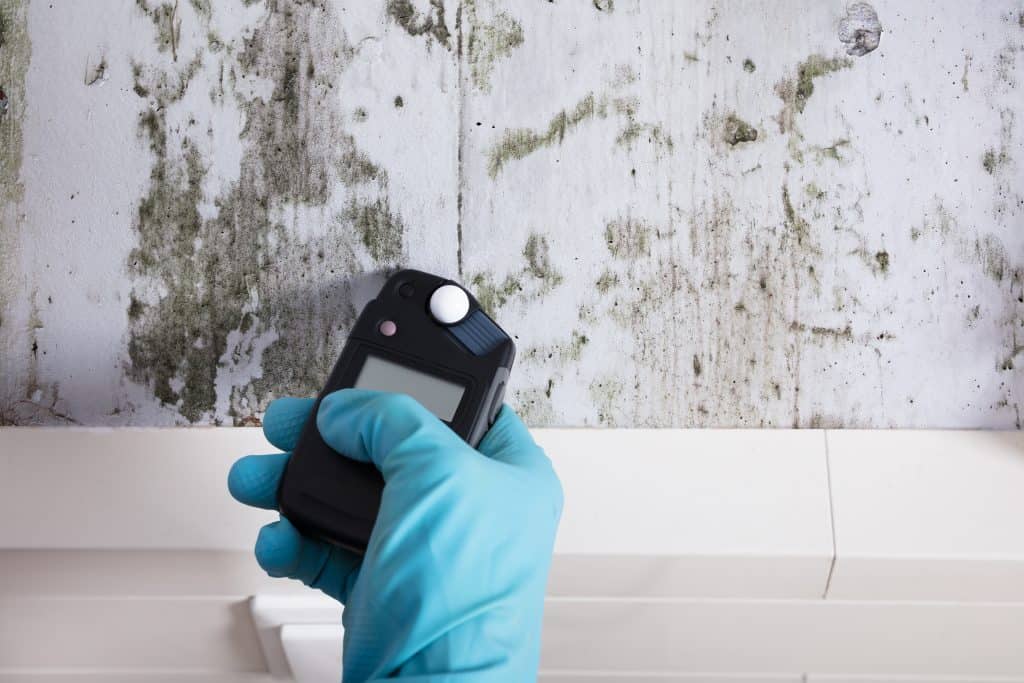
Then we take air samples and surface samples. Air sampling tells us what’s floating around that you’re breathing in. Surface sampling tells us what’s actively growing on walls, ceilings, or floors. We use moisture meters to track down the source—because mold is always a moisture problem first.

Those samples go to a certified lab for analysis. You get a full report within a few days that identifies the mold species, the concentration levels, and whether those levels are elevated compared to outdoor air. We also map out where the moisture is coming from—whether it’s a roof leak, condensation, poor ventilation, or something else.

If remediation is needed, you’ll know exactly what needs to be addressed and why. If it’s not, you’ll have documentation proving your air quality is fine. Either way, you’re not guessing.

Ready to get started?

Explore More Services

About Mack's Mold Removal

Residential Mold Testing Services Graduate Hospital

What's Included in a Mold Check

Every mold testing service includes a full visual inspection using moisture detection tools, air quality sampling, and surface testing where needed. You’ll get a lab-certified report that breaks down what type of mold is present, how much of it there is, and whether it’s at levels that require action.

We also identify the moisture source. That’s critical. You can remove mold all day long, but if you don’t fix the leak or improve the ventilation, it’s coming back. In Graduate Hospital, that often means dealing with old roofing, outdated plumbing, or basements that weren’t built with modern waterproofing. We’ll tell you what’s feeding the problem so you can actually solve it.

If you’re buying a home, we can coordinate with your real estate timeline and provide documentation for negotiations or inspections. If you’re dealing with health symptoms, we’ll prioritize the areas where you’re spending the most time. And if you’ve just finished remediation, we’ll do post-testing to verify that mold levels are back to normal—because that’s the only way to know the job was done right.

Philadelphia’s humid summers create the perfect environment for mold growth, especially in homes without central air. Add in the flooding risk that affects 40% of properties in this neighborhood, and you’ve got conditions where mold can take hold in 24 to 48 hours after water exposure. Testing gives you a baseline so you know what you’re working with.

How much does mold testing cost in Graduate Hospital, PA?

Professional mold testing in Graduate Hospital typically runs between $300 and $500 for a standard residential property, depending on the size of your home and how many samples we need to collect. That includes the visual inspection, air and surface sampling, lab analysis, and a full written report.

Some companies advertise cheaper rates, but they’re often tied to remediation services—which means the “inspection” is really just a sales call. Independent testing costs more upfront because you’re paying for unbiased results, not a pitch.

If you’re buying a home and want mold testing as part of your inspection process, it’s worth the investment. Mold damage can reduce a property’s value by 20% to 37%, and unchecked growth can lead to expensive structural repairs down the road. Spending a few hundred now can save you thousands later—or give you leverage to renegotiate the purchase price if there’s a problem.

A mold inspection is a visual assessment. We walk through your property, look for visible mold growth, check for moisture issues, and identify conditions that could lead to mold. It’s useful if you want a professional opinion but don’t need lab confirmation.

Mold testing goes further. We collect air and surface samples and send them to a certified lab for analysis. That tells you exactly what species of mold is present, how much of it there is, and whether the levels are elevated compared to normal outdoor air. Testing is what you need if you’re experiencing health symptoms, buying a home, dealing with insurance claims, or verifying that remediation was successful.

In most cases, we recommend both. The inspection finds the problem areas. The testing confirms what’s growing and how serious it is. You can’t see mold spores with the naked eye, and not all mold looks like the black stuff you see in photos. Lab testing removes the guesswork.

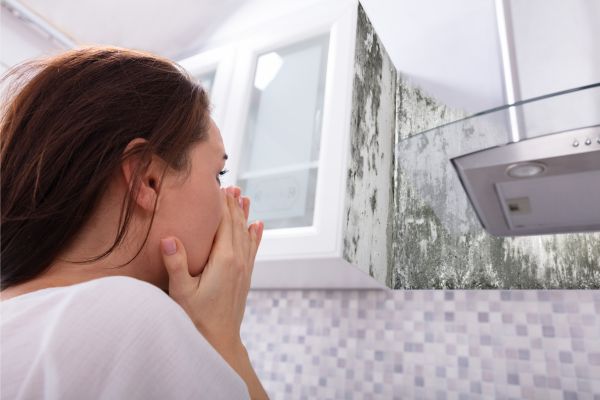
If you’re seeing dark patches on walls or ceilings, smelling a musty odor that won’t go away, or dealing with unexplained respiratory symptoms like coughing, wheezing, or a runny nose that gets worse at home, it’s worth testing. “Black mold” usually refers to Stachybotrys chartarum, which thrives in consistently wet environments—but plenty of other mold species can cause health problems too.

You don’t need to see mold to have a mold problem. It can grow behind walls, under flooring, or inside HVAC systems where you’ll never spot it visually. If your home has had water damage, flooding, or chronic humidity issues, testing is the only way to know for sure what’s happening in your air.

Graduate Hospital’s older housing stock is particularly vulnerable. Many rowhomes here were built in the 1800s and early 1900s with materials that trap moisture—plaster walls, brick foundations, minimal ventilation. Add in the neighborhood’s severe flooding risk, and you’ve got conditions where mold can establish itself quickly. Testing gives you a clear answer so you’re not reacting to assumptions.

You can, but the results won’t be as reliable or useful. Most DIY kits only test surfaces, not air quality—and they don’t tell you the concentration levels or whether what you’re seeing is actually a problem. Mold spores exist everywhere. The question isn’t whether mold is present, it’s whether it’s present at levels that require action.

DIY kits also don’t identify the moisture source, which is the real issue. You might confirm that mold is growing, but you won’t know why, where it’s spreading, or what needs to be fixed to stop it. That’s the information you need if you’re going to spend money on remediation or repairs.

Professional mold testing includes lab analysis, moisture mapping, and a detailed report you can use for insurance claims, real estate transactions, or legal documentation. It’s also performed by licensed assessors in Pennsylvania who understand building science and local climate conditions. If you’re serious about understanding what’s happening in your home, a $20 kit from the hardware store isn’t going to cut it.

The on-site inspection and sampling usually take one to two hours, depending on the size of your home and how many areas we’re testing. We’re thorough, but we’re not tearing your house apart. Most of the time is spent doing the visual inspection, taking moisture readings, and collecting air and surface samples in the right locations.

After that, samples go to the lab for analysis. You’ll typically get results back within three to five business days. The report will include species identification, concentration levels, and our recommendations based on what the lab found.

If you’re dealing with an urgent situation—like you just discovered water damage or you’re closing on a house and need results fast—we can prioritize lab processing for an additional fee. But in most cases, a few days is standard. The testing itself is quick. It’s the lab work that takes time, and that’s not something you want to rush if you want accurate results.

If the lab results show elevated mold levels, the report will tell you what species is present, where it’s concentrated, and what’s causing it. From there, you’ll need to address both the mold and the moisture source. That usually means hiring a licensed remediation company to remove the growth and a contractor to fix the underlying issue—whether that’s a leak, ventilation problem, or waterproofing failure.

We don’t do remediation, so we’re not going to upsell you. But we can refer you to qualified contractors if you need them, and we can also provide post-remediation testing to verify the work was done correctly. That’s important, because the only way to know mold levels are back to normal is to retest the air after remediation is complete.

In some cases, the test results might show that mold is present but not at concerning levels. That happens more often than you’d think. You might have a small amount of surface mold that can be cleaned with basic household methods, or the air quality might be fine even though you’re seeing visible growth in one area. The report will make it clear whether you need professional help or if it’s something you can handle yourself. Either way, you’ll know exactly where you stand.

Other Services we provide in Graduate Hospital