
Hear from Our Customers
You notice the symptoms. Persistent coughing that won’t quit. Headaches that disappear when you leave the house. Asthma that’s gotten worse since you moved in. Your kids are sneezing more than they should.
Something’s off, but you can’t see it. That’s the problem with indoor air quality issues. They’re invisible until they’re not.
A home air quality test finds what you can’t see. We’re talking about mold spores floating through your vents, moisture trapped behind your walls, and contaminants that settled in years before you bought the place. Graduate Hospital’s beautiful rowhouses weren’t built with modern ventilation in mind. Those solid brick walls and shared construction that give the neighborhood its character also trap humidity and create perfect conditions for mold growth.
Professional air quality testing uses thermal imaging to spot temperature differences that signal moisture problems. Moisture meters measure exactly how wet your walls actually are. Air sampling captures what’s floating around your home, and independent labs identify the specific species and concentration levels. You get documentation that means something, not a guess from a kit you bought online.
Early detection saves you thousands. Find the moisture issue before mold takes over. Get the documentation your insurance company actually accepts. Protect your family before symptoms become chronic. That’s what matters.
We’ve completed over 2,000 mold inspections across Philadelphia. We’re certified through InterNACHI as mold inspectors, and our technicians have more than two decades in construction. That background matters when you’re trying to figure out why moisture is coming through a shared wall or where humidity is getting trapped in a converted building.
We know Graduate Hospital. We understand how these nineteenth-century rowhouses were built, why your basement stays damp even with a dehumidifier running, and what happens when original plaster holds onto humidity. Philadelphia’s climate doesn’t help. July and August humidity regularly tops 70%, and those tightly sealed homes that keep your heating bills down also trap pollutants inside.
We use EPA-approved methods and comply with all Pennsylvania regulations. Every sample goes to an independent lab because you deserve unbiased results, not a sales pitch disguised as an inspection. We’re available 24/7 when you need us, and we’ve built our reputation on being straight with people about what they’re dealing with.

We start with a visual assessment of your entire home. We’re looking for obvious signs of water damage, discoloration, and areas where moisture might be hiding. This isn’t a quick walkthrough. We’re checking your basement, your attic, behind appliances, around windows, and anywhere else water tends to show up.
Next comes moisture mapping. We use moisture meters to measure humidity levels in your walls, floors, and ceilings. Thermal imaging shows us temperature differences that indicate moisture problems you can’t see. Cold spots often mean water is evaporating somewhere it shouldn’t be. These readings tell us where to focus our sampling.
Air sampling captures what’s actually floating around your home. We take samples from multiple rooms and compare them to outdoor air quality. This comparison matters because some mold spores are normal. What’s not normal is when your indoor levels are significantly higher than outside, or when we find species that shouldn’t be there at all.
All samples go to an independent laboratory. They identify the exact species present and measure concentration levels. You get a full written report that breaks down what we found, what it means, and what you should do about it. Standard turnaround is 3-5 business days. If you’re in the middle of a real estate transaction, we can expedite that.
Ready to get started?
Every residential air quality testing appointment includes a complete visual inspection, moisture readings throughout your home, professional air sampling from multiple locations, thermal imaging to detect hidden moisture, and independent laboratory analysis. You’re not paying for a guy with a flashlight. You’re getting laboratory-grade equipment and certified analysis.
The written report you receive breaks down every finding in plain language. You’ll see exactly which mold species were detected, at what concentration levels, and how those numbers compare to outdoor air and acceptable ranges. If we find elevated moisture levels, the report shows you exactly where and how severe the problem is.
Graduate Hospital homeowners face specific challenges. Your home’s value has increased 64% in five years, which makes protecting that investment critical. Many properties here share walls with neighbors, which means moisture problems can migrate between units. Original construction often lacks vapor barriers, and plaster walls hold humidity longer than modern drywall. These aren’t defects—they’re just realities of owning a historic Philadelphia rowhouse.
Most residential inspections run $300-$600 depending on your home’s size and how many samples we need to take. That’s transparent pricing, upfront. No hidden fees for the lab work or the report. You’re also getting documentation that insurance companies and real estate attorneys actually accept, which matters if you ever need to file a claim or prove your home’s condition during a sale.
DIY kits can’t tell you what you actually need to know. They’ll confirm that mold exists, which isn’t useful because mold exists everywhere. What matters is which species are present, at what concentration levels, and whether those levels indicate a problem that needs fixing.
Professional testing uses calibrated air sampling equipment that captures a measured volume of air over a specific time period. That sample goes to an independent laboratory where technicians use microscopy and sometimes DNA analysis to identify exact species. The lab compares your indoor levels to outdoor baseline levels and provides concentration counts. This tells you whether you have a problem or just normal background levels.
DIY kits can’t detect hidden mold behind walls. They can’t measure moisture levels in your structure. They can’t use thermal imaging to find temperature differences that indicate water intrusion. And they can’t provide the documentation that insurance companies require for claims. You’re basically paying $40 to confirm that mold exists somewhere in your house, which you probably already knew.
The bigger issue is false negatives. If you test the wrong area or at the wrong time, a DIY kit might miss a serious problem entirely. That false sense of security can let a small issue become a major remediation project.
Aspergillus, Penicillium, and Cladosporium are the three species we find most often in Philadelphia homes. Aspergillus loves humid environments and grows on materials with high cellulose content—think drywall, insulation, and paper. Some Aspergillus species produce mycotoxins that can cause respiratory issues, especially in people with compromised immune systems.
Penicillium shows up in water-damaged buildings. It grows on materials like carpets, wallpaper, and insulation. You’ll often smell it before you see it—that musty, earthy odor that won’t go away even after you clean. Penicillium spreads quickly through air currents, which is why a problem in your basement can affect your second floor.
Cladosporium is interesting because it grows in both warm and cold conditions. We find it on fabrics, wood surfaces, and in HVAC systems. It’s one of the most common outdoor molds, which is why we always compare indoor to outdoor levels. If your indoor Cladosporium levels are significantly higher than outside, you’ve got a moisture problem somewhere.
Stachybotrys—the “black mold” everyone worries about—is actually less common than people think. It needs consistently wet conditions to grow, usually from ongoing water damage. When we do find it, it’s typically in basements with chronic moisture issues or around long-term leaks that weren’t properly dried.
The on-site inspection typically takes 1-2 hours depending on your home’s size and complexity. We’re not rushing through this. We need time to do a thorough visual inspection, take moisture readings from multiple locations, set up air sampling equipment, and use thermal imaging to scan for hidden problems.
Air sampling itself runs for a specific time period to capture an adequate sample volume. We usually take samples from 2-4 locations in your home plus an outdoor control sample. If you have a finished basement, multiple floors, or specific areas of concern, we might need additional samples.
Once we collect the samples, they go to an independent laboratory for analysis. Standard turnaround is 3-5 business days. The lab needs time to culture the samples, identify species using microscopy, and count concentration levels. You’ll receive a complete written report that breaks down every finding.
If you’re in the middle of a real estate transaction with a tight closing deadline, we offer expedited analysis. Rush processing can get you results in 24-48 hours, though there’s an additional fee for that service. Most buyers and sellers plan for the standard turnaround, but the option exists if you need it.
Standard air quality testing is completely non-invasive. We’re not cutting holes in your walls or removing sections of drywall. Air sampling uses equipment that pulls air through a collection device—nothing touches your walls or surfaces.
Moisture meters work two ways. Pin-type meters have small probes that insert slightly into the material to measure moisture content. The insertion points are tiny—smaller than a thumbtack—and barely visible once removed. Pinless meters use electromagnetic sensors that scan without any penetration at all. We use both types depending on what we’re measuring and where.
Thermal imaging is completely non-contact. The camera detects infrared radiation (heat) coming off surfaces. We scan your walls, ceilings, and floors looking for temperature differences that indicate moisture. Nothing touches your home. You won’t have any holes to patch or damage to repair.
The only time we’d recommend invasive inspection is if non-invasive testing reveals a problem that needs confirmation before remediation. For example, if thermal imaging shows a cold spot behind your wall and moisture readings are elevated, we might recommend a small inspection opening to visually confirm mold growth before you spend money on remediation. But that’s a separate decision you’d make after seeing the initial test results.
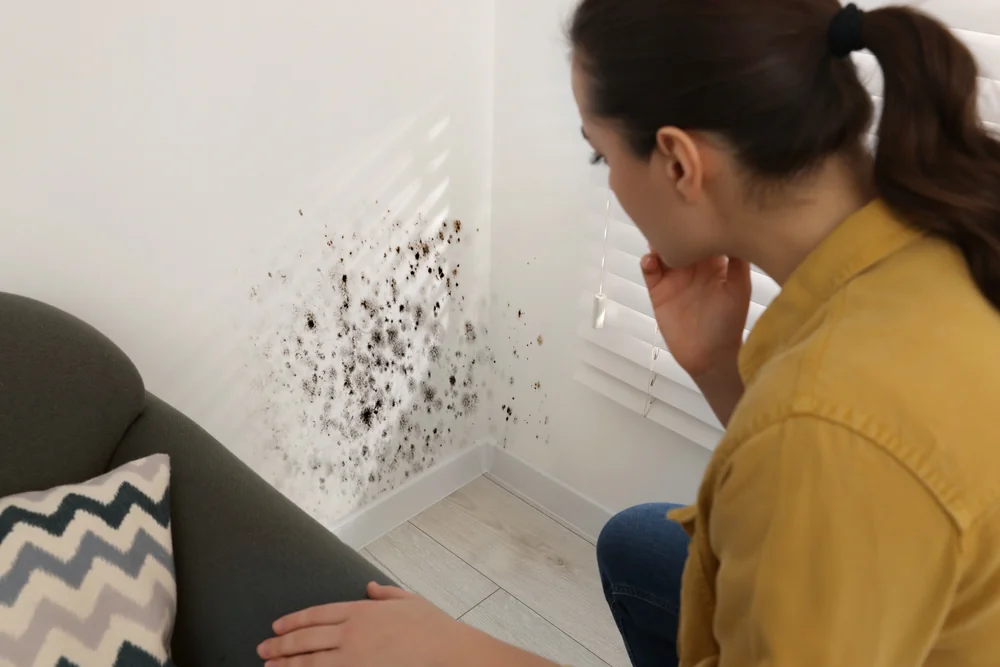
Visible mold is just the surface problem. By the time you see growth on your walls, you’ve had a moisture issue for weeks or months. The mold you can see is releasing spores into your air that you’re breathing every day. Those spores are what cause the health symptoms—the coughing, the headaches, the respiratory issues.
Hidden mold is often worse because it grows unchecked. It might be behind your bathroom tile, inside your wall cavities, under your flooring, or in your HVAC system. You won’t see it, but you’ll breathe the spores it releases. This is especially common in Graduate Hospital rowhouses where shared walls and original construction create spaces where moisture accumulates.
Health symptoms are often the first indicator. If your family experiences respiratory issues, allergies, or headaches that improve when you leave the house, that’s a red flag. If you smell a musty odor but can’t find the source, that’s another indicator. If you’ve had water damage—even if you dried it quickly—testing confirms whether mold started growing.
Real estate transactions are another common reason for testing even without visible growth. If you’re buying a home in Graduate Hospital, you’re making a significant investment. Testing before you close gives you leverage to negotiate repairs or walk away if there’s a serious problem. If you’re selling, testing proactively prevents deals from falling apart during the buyer’s inspection.
The report we provide includes specific recommendations based on what we found. If mold levels are elevated, we identify the likely moisture source and outline what needs to happen to fix it. Sometimes it’s straightforward—fix a leak, improve ventilation, reduce humidity. Other times it requires professional remediation.
We don’t just remove mold. We find the source and fix it so it doesn’t come back. That might mean repairing a foundation crack that’s letting water in, fixing a plumbing leak inside your wall, improving bathroom ventilation, or addressing condensation from your HVAC system. If you fix the mold but not the moisture source, you’ll have mold again in six months.
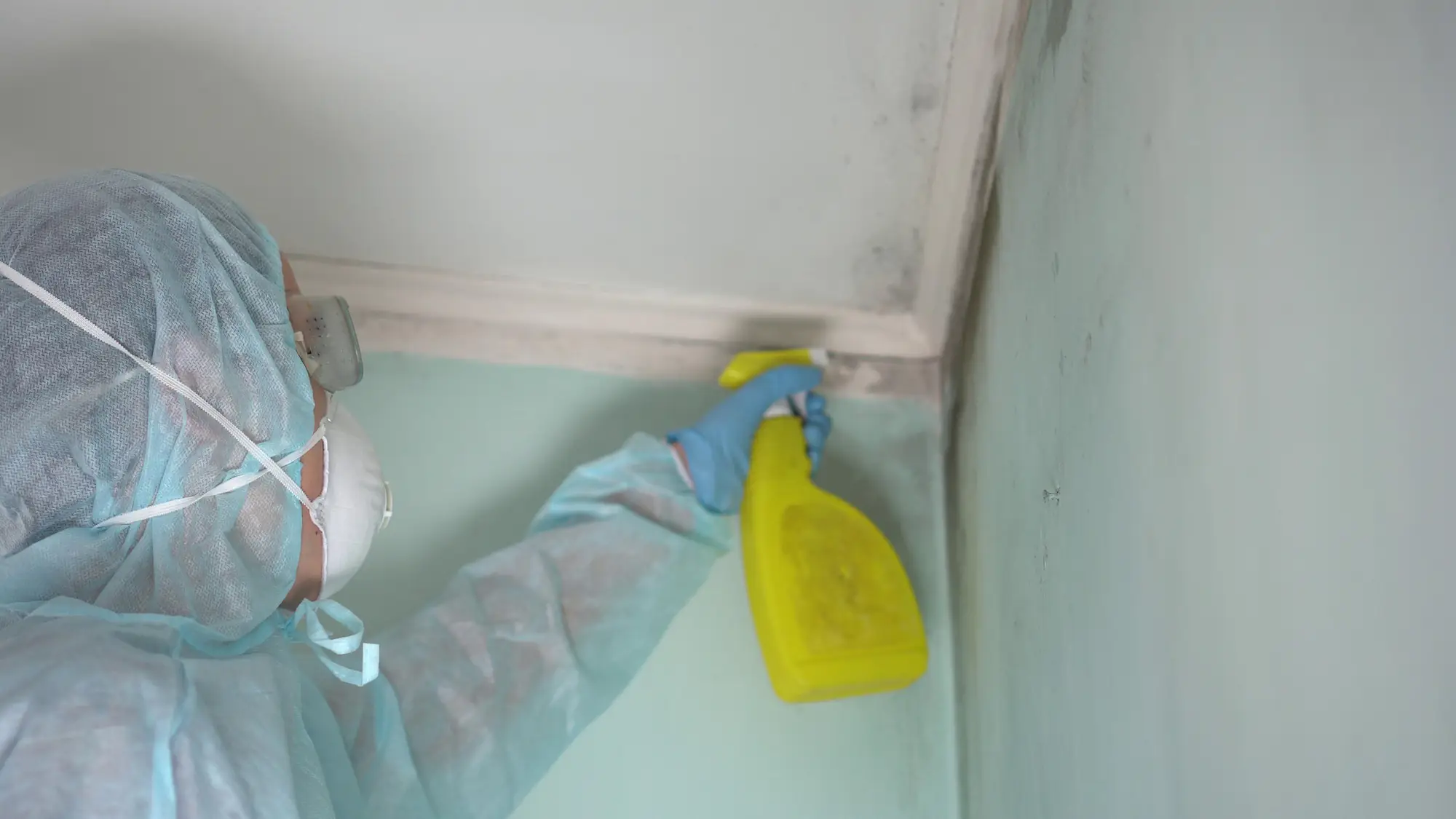
Remediation involves containing the affected area so spores don’t spread during cleaning, removing contaminated materials that can’t be salvaged, treating surfaces with antimicrobial solutions, and using HEPA filtration to clean the air. For significant contamination, we follow EPA and IICRC protocols to ensure the job is done right.
After remediation, we recommend post-remediation testing to confirm the problem is actually solved. This involves taking new air samples and comparing them to the original results. Your indoor levels should be back to normal ranges comparable to outdoor air. This final testing gives you documentation that the work was completed successfully, which matters for insurance claims and future home sales.
Other Services we provide in Graduate Hospital