Mold removal and remediation for Bucks County homes, from a company that does mold and nothing else.
We use only EPA-approved techniques and advanced equipment for safe, effective mold removal.
Our technicians are trained mold remediation specialists who follow all Pennsylvania regulations.
Get a thorough assessment of your mold problem at no cost to you.
We work directly with your insurance company to simplify the claims process.
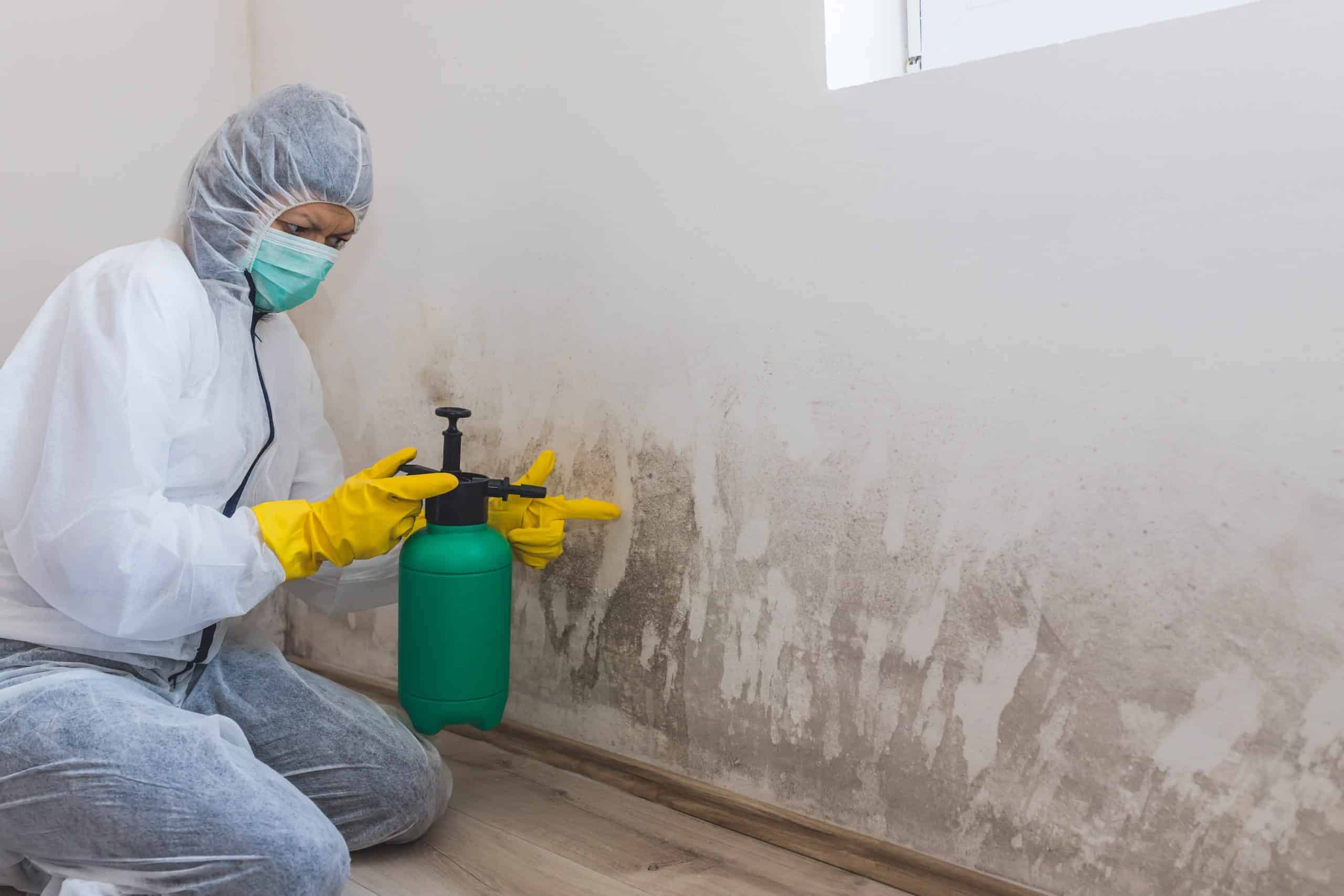
Bucks County takes roughly 49 inches of rain a year against a national average closer to 38, and the summers here stay humid enough that basements and crawl spaces never really dry out between storms. That combination is why mold is a recurring problem in this county rather than a one-off event, and why the fix that lasts is always a moisture fix. Growth that comes back in the same spot a season later was never really removed, it was cleaned. The work that holds starts by finding where the water is arriving and closing it, which is the part mold remediation is actually for.
Hear from Our Customers
The musty smell goes and stays gone, because the material holding it was taken out rather than painted over. Airborne spore counts drop back toward the level outdoors, which is where a house should sit. The moisture condition that fed it gets corrected, so the same wall is not back next summer. And you know how far it had actually spread, which is almost always further than the patch that made you call.
Share project details
Call us or get a free online quote to help us identify your project needs.
We'll follow up
If you requested an online quote, you can expect a callback within 24-48 hours of your request.
The floor is yours
Connect with an expert and share all project specifics.
Plan your project
Like what you hear? We'll provide next steps and expert guidance.
The space nobody looks at until it is bad
Attics are the most common place mold goes unnoticed for years, and the cause is nearly always ventilation rather than a roof leak. Warm damp air rises out of the living space, reaches the cold underside of the roof deck in winter, and condenses there. Bathroom fans venting into the attic instead of through the roof make it worse, and so does insulation packed tight against the eaves, which blocks the soffit vents that are supposed to move that air out. The tell is dark staining on the plywood between the rafters, heaviest on the north slope, which stays coldest. By the time it shows from the hatch it has usually been running several winters. Finding it early is what a mold inspection is for.
The shortcut that buys about a season
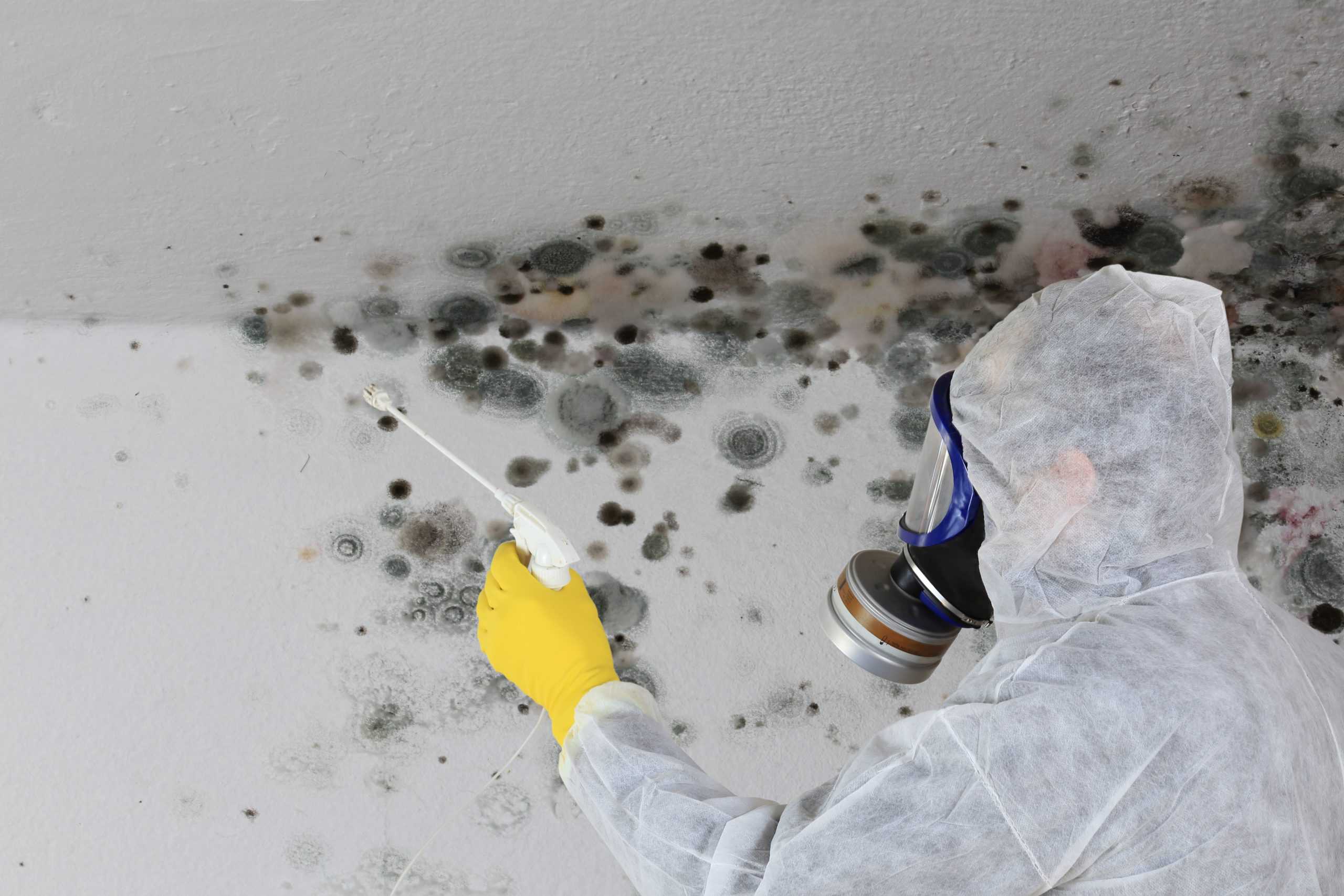
Paint does not kill mold, it buries it. Even the products sold as mold-resistant are designed to stop new growth on a clean surface, not to deal with a colony that is already rooted into the material underneath. Sealing it in changes nothing about the moisture that put it there, so the colony keeps feeding and eventually pushes back through the film, which is why the patch reappears with the paint bubbling or flaking around it. On non-porous surfaces like tile or sealed metal, cleaning can genuinely be enough. On drywall, plaster, wood or anything that absorbs, the material has to come out. Which one you are looking at is the question mold testing and a proper inspection answer before anyone reaches for a brush.
We examine your entire property, including hidden areas, to identify all mold growth and moisture sources.
Based on inspection findings, we develop a specific treatment plan with upfront pricing and timeline.
Using EPA-approved methods, we eliminate all mold while protecting your family and belongings throughout the process.