
Mold Removal in Bridge Valley, PA

Your Home Safe Again, Problem Actually Fixed

We find the moisture source causing your mold, eliminate it completely, and make sure it doesn’t come back.
Protective worker spraying treatment on extensive black mold growth across an indoor wall or ceiling surface during professional mold remediation.

Hear from Our Customers

Hand using a digital moisture meter to test a mold‑affected interior wall near the floor, detecting damp conditions and potential water damage.

Professional Mold Removal Services

What You Get When the Job's Done Right

You’ll breathe easier the day we finish. That musty smell disappears. Your kids stop coughing at night. The black spots on your basement walls are gone, and more importantly, the moisture problem that caused them is fixed.

Most homeowners in Bridge Valley call us after they’ve already tried bleach, fans, or a dehumidifier. Those help temporarily, but mold comes back because the water source is still there. We use thermal imaging to find exactly where moisture is getting in—whether it’s a foundation crack, poor ventilation, or a slow leak you didn’t know existed.

The air quality in your home improves within days. If you’re selling, buyers won’t walk away during inspection. If you’re staying, you stop wondering whether that spot will spread. You get documentation for insurance, a clear plan for prevention, and a home that actually feels safe again.

Mold Removal Company in Bridge Valley

We Know Bucks County Homes Inside Out

We’ve been handling mold remediation in Bridge Valley and throughout Bucks County for years. We understand how humid summers and damp basements create the perfect conditions for mold growth in older homes and newer construction alike.

You’re not getting a national franchise that sends different crews every time. You’re working with local specialists who know exactly how Bridge Valley’s climate affects your home. We’ve seen the foundation issues common in this area, the ventilation problems in split-levels built in the 70s, and the crawl space moisture that comes with being this close to water tables.

When you call, you talk to someone who’s been in your neighbor’s basement. We respond fast because we’re local, and we fix it right because our reputation here matters.

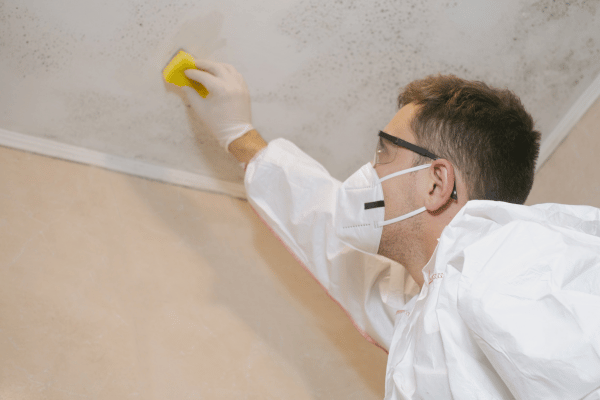
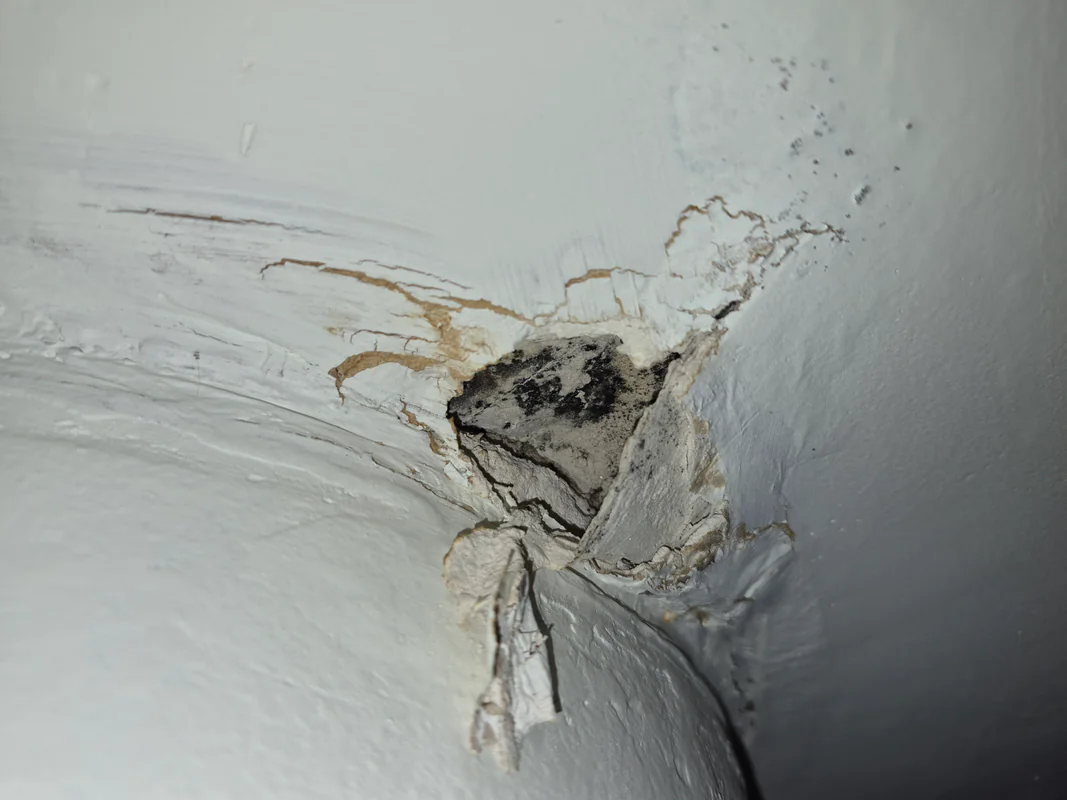
Protective worker wearing safety gear inspecting mold and moisture damage along an indoor wall and ceiling corner during a home mold assessment.

How Mold Remediation Works

Here's Exactly What Happens, Start to Finish

First, we inspect your property with moisture meters and thermal imaging cameras. This isn’t a visual check—we’re finding hidden moisture behind walls, under flooring, and in places you can’t see. Most mold problems in Bridge Valley start somewhere you wouldn’t think to look.

Next, we contain the affected area to prevent mold spores from spreading during removal. We use negative air pressure and physical barriers, not just plastic sheeting. Then we remove all contaminated materials—drywall, insulation, flooring, whatever can’t be safely cleaned. We don’t cut corners by leaving questionable materials in place.

After removal, we treat all affected surfaces with EPA-approved antimicrobial solutions. Then we fix the moisture source. This is the part most mold cleaning services skip, and it’s why their customers call someone else six months later. We repair the leak, improve the ventilation, or waterproof the foundation—whatever caused the problem.

Finally, we verify the work with post-remediation testing and give you documentation for your records or insurance claim. Most residential jobs in Bridge Valley take three to five days from start to clearance.

Protective worker spraying mold treatment on a damp interior wall using a long spray wand during professional mold remediation and moisture control.

Ready to get started?

Explore More Services

About Mack's Mold Removal

Black Mold Removal Specialists

What's Included When You Hire Us

You get a thorough inspection with professional testing to identify mold types and moisture sources. We don’t guess—we measure humidity levels, check for hidden water damage, and map out exactly what needs to happen.

The remediation itself includes full containment, safe removal of all affected materials, HEPA filtration during the entire process, and antimicrobial treatment of all surfaces. We handle the demolition, the cleaning, and the disposal. You don’t touch anything.

Bridge Valley homes often have mold in basements and crawl spaces due to our climate and soil conditions. We address the specific challenges here—foundation moisture, poor attic ventilation, and the humidity that sits in the danger zone during summer months. You also get detailed documentation for insurance purposes, photos of the work, and moisture readings before and after.

If you’re dealing with a real estate transaction, we work on your timeline. Mold is one of the biggest deal-breakers in Bucks County home sales, and we’ve helped dozens of buyers and sellers get past inspection issues without killing the deal.

How much does mold removal cost in Bridge Valley?

Most residential mold removal projects in Bridge Valley run between $1,500 and $4,000, depending on the size of the affected area and how much material needs to be removed. Small jobs—like a contained area in a bathroom—might start around $750. Extensive basement or attic remediation can cost more, especially if there’s structural damage or multiple moisture sources.

The cost depends on square footage, the type of materials affected, and whether we’re just treating surfaces or removing drywall, insulation, and flooring. If your insurance covers the water damage that caused the mold, remediation is often covered too. We document everything you need for your claim.

Here’s what drives the price up: delayed treatment. Mold spreads fast in humid conditions, and Bridge Valley’s summer climate is ideal for growth. A small patch this week can become a whole wall next month, and that turns a $2,000 job into a $5,000 job. Catching it early saves you money.

We typically respond within 24 hours of your call, and we can start work within 48 hours for most projects in Bridge Valley. Speed matters because mold can start growing within 24 to 48 hours after water exposure, and it spreads exponentially after that.

If you’re dealing with an active water issue—like a burst pipe or flooding—we treat it as an emergency. The faster we contain the moisture and start drying things out, the less damage you’ll have and the lower your remediation costs will be.

For non-emergency situations, we’ll schedule an inspection within a day or two, give you a detailed assessment, and start work as soon as you’re ready. We don’t make you wait weeks while mold keeps growing. Most homeowners want this handled yesterday, and we get that.

Not if we fix the moisture source, which is exactly what we do. Mold needs water to grow. If you eliminate the moisture problem, mold can’t establish itself again. That’s the difference between mold removal and mold remediation—we don’t just clean it up, we fix why it happened.

A lot of homeowners try DIY solutions or hire someone who removes visible mold but ignores the leak, the condensation issue, or the ventilation problem. Three months later, it’s back. We use moisture meters and thermal imaging to find the source, then we repair it. That might mean sealing foundation cracks, fixing a roof leak, installing better ventilation, or addressing drainage issues around your home.

Bridge Valley’s humid climate means you need to stay on top of moisture control. We’ll give you specific recommendations for your property—whether that’s running a dehumidifier in your basement, improving airflow in your attic, or fixing grading around your foundation. But once we’ve addressed the root cause, you shouldn’t see mold in that area again.

It depends on the scope of the project and where the mold is located. For small, contained areas like a bathroom or a section of basement, you can usually stay in your home while we work. We seal off the work area with physical barriers and negative air pressure to prevent spores from spreading to other rooms.

For larger projects—especially if we’re removing mold from multiple areas or dealing with black mold in living spaces—we might recommend staying elsewhere for a few days. This is more about comfort and air quality than safety, since we contain everything, but demolition is dusty and disruptive.

If anyone in your household has respiratory issues, asthma, or a compromised immune system, it’s smart to stay somewhere else regardless of project size. Mold exposure can cause serious reactions in sensitive individuals, and even with containment, it’s better to be cautious. We’ll give you a straight answer about whether you should leave based on your specific situation.

Visible growth is the obvious sign—black, green, or white spots on walls, ceilings, or floors. But you’ll often smell it before you see it. That musty, earthy odor in your basement or bathroom is usually mold, even if you can’t find the source.

Other signs include water stains, peeling paint, warping floors, or persistent condensation on windows and walls. If anyone in your home is experiencing unexplained allergy symptoms—stuffy nose, coughing, itchy eyes, throat irritation—that gets better when they leave the house, mold could be the cause.

In Bridge Valley, the most common places we find mold are basements, crawl spaces, attics, and bathrooms. Anywhere moisture accumulates. If you’ve had any water damage—even a small leak you fixed months ago—there’s a good chance mold started growing in the walls or under the flooring. We offer professional testing and inspection if you’re not sure. It’s better to know than to guess, especially if you’re buying or selling a home.

It depends on what caused the mold. If mold resulted from a covered event—like a burst pipe, storm damage, or a sudden plumbing failure—most homeowners insurance policies in Pennsylvania will cover remediation. If it’s from long-term neglect, poor maintenance, or gradual moisture buildup, they usually won’t.

The key is proving the mold came from a specific, sudden water event. That’s where our documentation helps. We provide detailed reports, photos, moisture readings, and a clear timeline showing what happened. Insurance companies want to see that you responded quickly and that the damage wasn’t preventable.

Pennsylvania law doesn’t require insurers to cover mold, but many policies include it as part of water damage coverage. You’ll want to check your specific policy and file your claim as soon as possible. We work with insurance companies regularly and can help you navigate the process. The faster you document everything and start remediation, the better your chances of coverage.

Other Services we provide in Bridge Valley