
Hear from Our Customers
Most mold cleanups in Philadelphia fail for the same reason: they treat the wall, not what’s getting the wall wet. You paint over it, run a dehumidifier for a season, and six months later the smell is back. That cycle ends when someone finds the actual entry point — the foundation crack letting groundwater in, the flat-roof membrane that’s been failing for two seasons, the shared party wall pulling moisture from the unit next door.
Philadelphia’s housing stock is genuinely different from newer construction. The majority of homes here are attached rowhomes, many of them built before vapor barriers were standard or drainage codes existed. Brick foundations, plaster walls, stone cellars — these materials hold moisture in ways that modern materials simply don’t. Add in the city’s position between the Delaware and Schuylkill Rivers, where summer humidity routinely sits above 60%, and you have near-ideal conditions for mold growth in any space that isn’t actively managed.
When the moisture source is fixed and the remediation is done right, the air in your home changes. The smell goes away and stays away. If you’re selling, your inspection report comes back clean. If you’ve been dealing with recurring respiratory issues in your household, you finally have a real answer for why. That’s what a complete job looks like — not a surface cleanup, but a solved problem.
We’ve been working in Philadelphia and the surrounding region for over 15 years. That’s not a marketing number — it means we’ve been inside the trinity homes in Queen Village, the flat-roofed rowhomes in West Philadelphia, the brick-foundation basements in South Philly, and the split-levels out in the Far Northeast. We know what we’re walking into before we arrive, and that matters when the problem is hiding inside a wall you can’t see through.
We’re based in Bensalem, right on the edge of Northeast Philadelphia, and we serve all of Philadelphia County. Our technicians are certified, our methods follow EPA guidelines, and every job is backed by a 5-year mold-free warranty — something we can only offer because we fix the source, not just the surface. You get a free assessment, clear pricing before anything starts, and a team that’s accountable for the result long after the job is done.

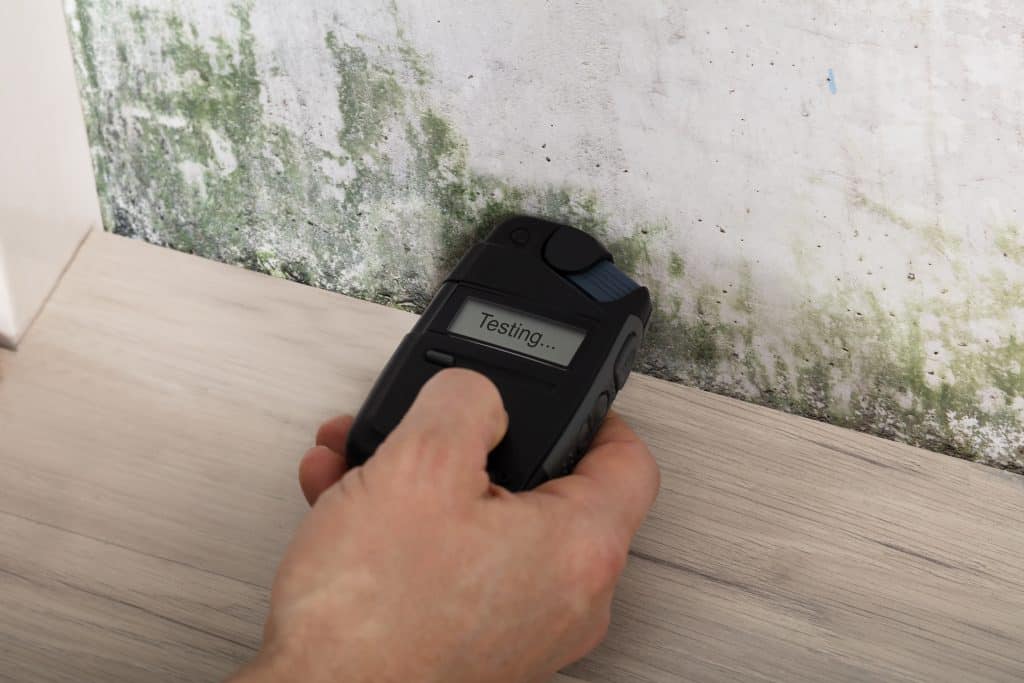
It starts with a free assessment. We come to your home, walk the property, and use thermal imaging cameras and moisture meters to map out what’s actually happening — not just what’s visible on the surface. In Philadelphia’s older housing stock, that technology isn’t optional. Mold hides inside plaster walls, behind original hardwood floors, and inside brick cavities that a visual inspection would completely miss. You deserve to know the full picture before you make any decisions.
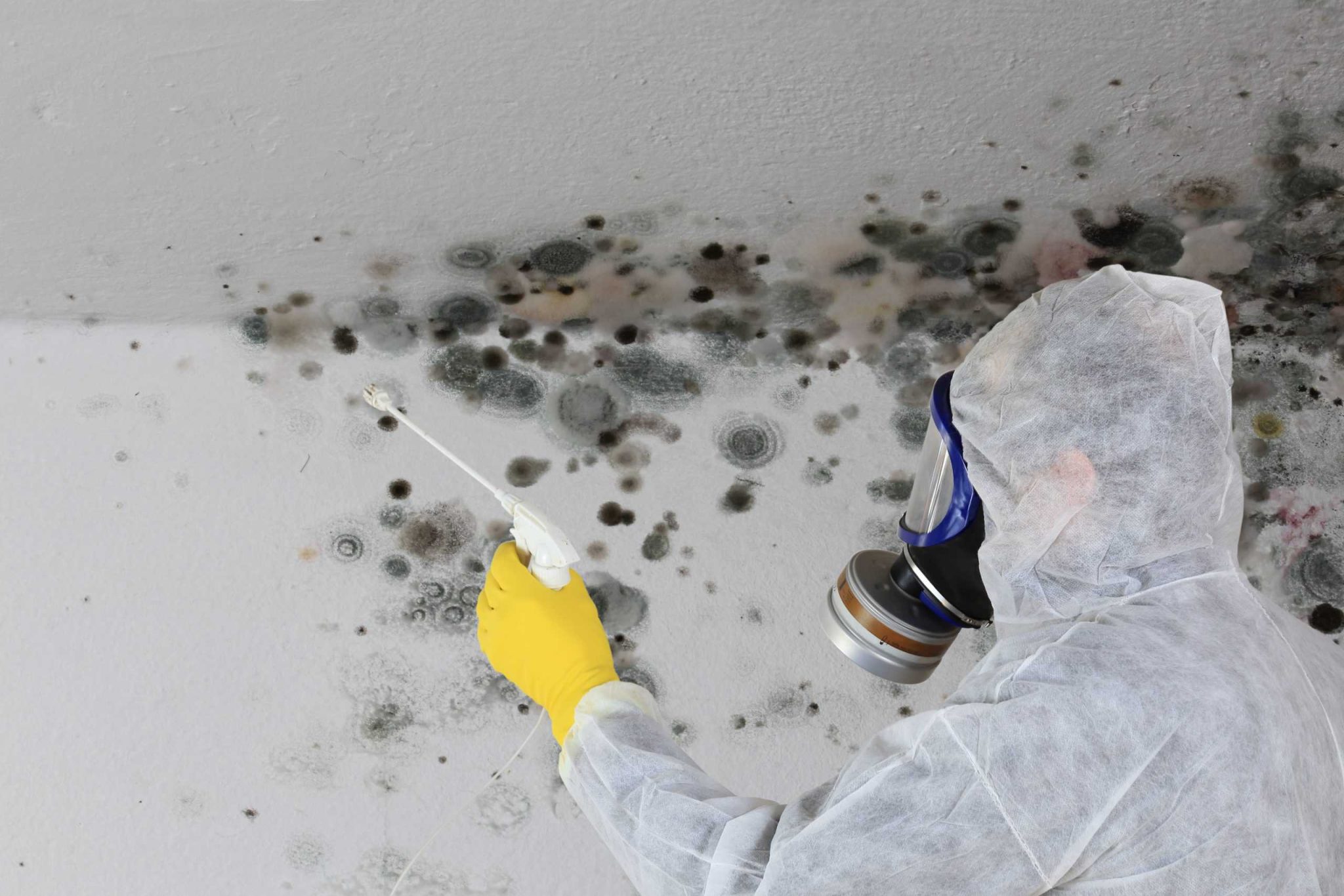
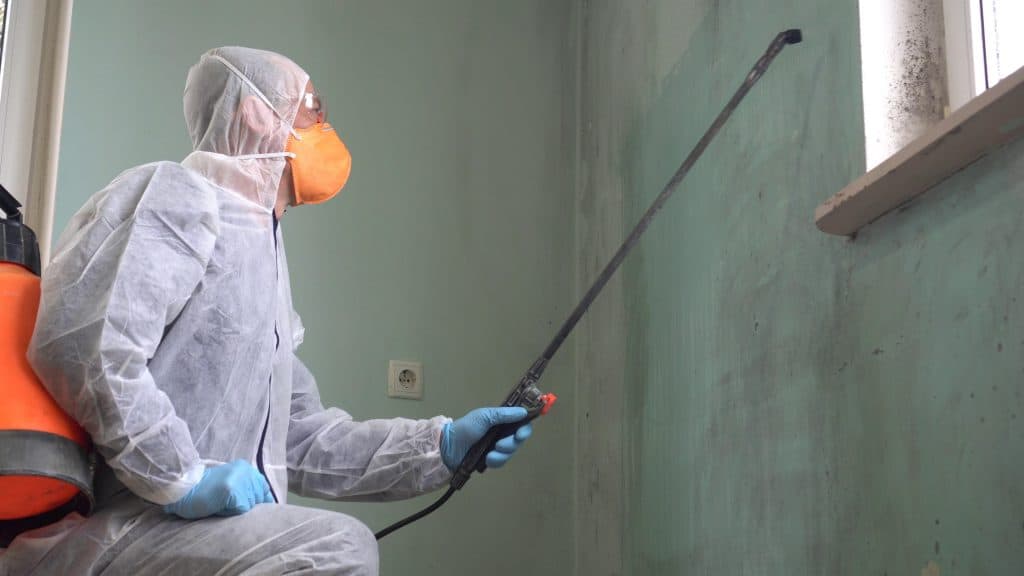
Once we’ve identified the mold and the moisture source feeding it, we give you a clear scope and price — no surprises, no pressure. From there, our certified technicians contain the affected area using EPA-compliant protocols, remove the mold completely, and treat the space to prevent regrowth. If structural work is needed — drywall replacement, framing repairs — we handle the permitting through Philadelphia’s Department of Licenses and Inspections so the work is done above board.
The final step is post-remediation air quality testing to confirm the space is clean. If you’re in the middle of a real estate transaction — which, under Philadelphia’s Health Code, may have triggered the inspection requirement in the first place — we provide the documentation you need to keep things moving. When we leave, you have a clean result, a written warranty, and proof of it.
Ready to get started?
Every mold removal job we take on in Philadelphia is scoped around what’s actually in front of us — the housing type, the moisture history, the age of the structure, and the specific conditions driving the problem. A basement job in Kensington looks different from a top-floor job in a Manayunk rowhome with a flat-roof addition, and we treat them accordingly.
Our mold removal services include full thermal imaging inspection, moisture source identification, EPA-compliant containment and removal, structural repairs where needed, and post-remediation air quality testing. For homeowners in the middle of a sale, we provide inspection documentation that meets Philadelphia’s municipal requirements — the city’s Health Code establishes its own residential mold inspection standards, and the paperwork we produce is built to hold up in a real estate transaction or a housing dispute.
Philadelphia’s combined sewer system backs up into basements across South Philly, Port Richmond, and Kensington during heavy rain events. When that happens, you’re not just dealing with water — you’re dealing with contamination, and the clock on mold growth starts immediately. We respond to those situations with the urgency they require. Every job, regardless of size, is covered by our 5-year mold-free warranty. If mold comes back within five years of our remediation, we come back too.
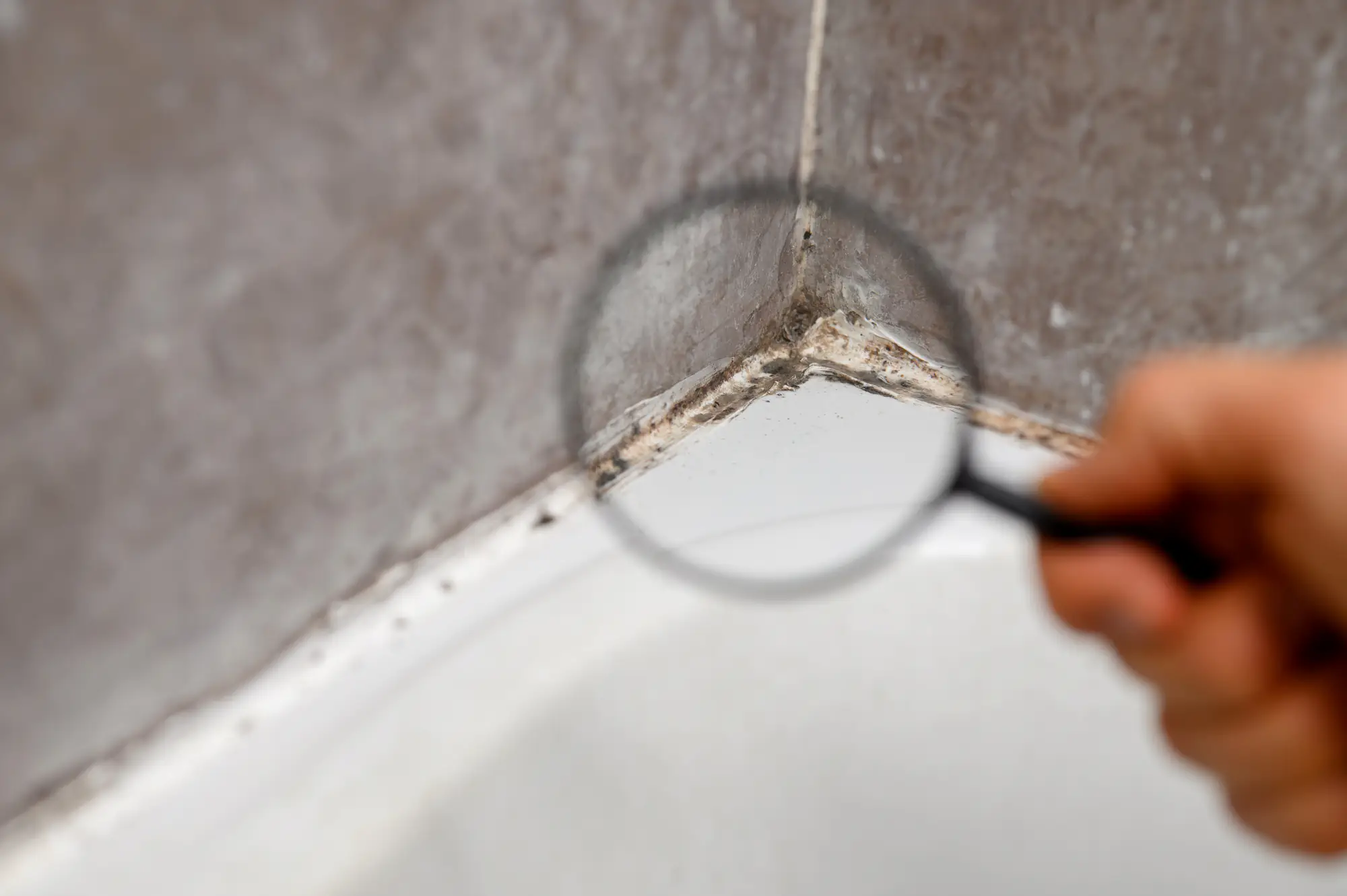
Yes — and this is something most homeowners in Philadelphia don’t know until it matters. Pennsylvania has no statewide mold law, but Philadelphia has enacted its own municipal framework under Health Code Chapter 6-900, which establishes a Residential Mold Inspection License issued by the City of Philadelphia. Anyone performing residential mold inspections in the city is required to hold that license. A state credential alone isn’t sufficient.
This matters most when you’re in a real estate transaction or a dispute with a landlord. An inspection report produced by an unlicensed company may not hold up in housing court or satisfy a buyer’s attorney. If you’re selling a home in Fishtown, dealing with a mold issue in a rental in West Philadelphia, or navigating a disclosure requirement anywhere in the city, the licensing status of the company you hire is worth asking about directly. We operate in compliance with Philadelphia’s municipal requirements — so the documentation we provide is documentation you can actually use.
The average cost of mold remediation in Philadelphia runs around $2,438 — slightly above the national average, which reflects the complexity of the city’s older housing stock. Most jobs fall somewhere between $1,200 and $3,800, but that range moves significantly depending on what’s actually going on inside the home.
In Philadelphia’s rowhomes and trinity houses, mold frequently lives behind plaster walls, inside brick cavities, or under original flooring that hasn’t been touched in decades. Getting to it properly costs more than a surface cleanup, but it’s the only approach that produces a lasting result. Jobs that expand — because the thermal imaging found more than the visual inspection suggested — can run higher. We start with a free assessment and give you full pricing before any work begins. No surprises, no scope creep after the fact.
A few things converge in Philadelphia that don’t exist in most other markets. The housing stock is genuinely old — the median age of homes sold in the Philadelphia region is over 60 years, and a large portion were built before modern moisture control standards existed. Brick foundations, stone cellar walls, and plaster over lath don’t resist moisture the way modern materials do. They absorb it, hold it, and give mold exactly what it needs.
Philadelphia’s geography compounds the problem. The city sits between the Delaware and Schuylkill Rivers, and summer humidity regularly exceeds 60% — close to ideal conditions for mold growth in any poorly ventilated space. Then there’s the city’s aging combined sewer system, which backs up into basements across South Philadelphia, Kensington, Port Richmond, and other neighborhoods during heavy rain. Add shared party walls — which allow moisture to migrate from a neighbor’s property into yours without any visible sign — and you have a city where mold problems are structurally baked in.
It can — but only if the moisture source wasn’t addressed. That’s the honest answer, and it’s the reason so many Philadelphia homeowners deal with recurring mold. A company that cleans visible mold without identifying and fixing what’s getting the space wet hasn’t actually solved the problem. They’ve just reset the clock.
The reason we can offer a 5-year mold-free warranty is because we don’t move forward with remediation until we’ve located the moisture source using thermal imaging and moisture meters. In Philadelphia’s older housing stock, that source is often something you wouldn’t find without the equipment — a slow foundation seep, a failed flat-roof membrane on a rear addition, a plumbing leak inside a plaster wall. Once that’s fixed and the mold is properly removed, the conditions that allowed it to grow no longer exist. If it does come back within that five-year window, we come back too.
Move quickly, but don’t panic. Under Philadelphia’s Health Code, mold inspections are a standard part of residential real estate transactions when a buyer elects to conduct home inspections — so finding mold on a report isn’t unusual. What matters is how fast you respond and whether the remediation is properly documented.
The first step is getting a certified company in to assess the scope. Not all mold findings on an inspection report are equal — some are limited surface issues, others point to deeper moisture problems that need full remediation. Once the work is done, you need post-remediation clearance documentation that will satisfy the buyer’s agent, the buyer’s inspector, and potentially a housing attorney. We’ve helped Philadelphia homeowners go from mold discovery to clearance report without losing a sale. The key is using a company whose documentation holds up — which means licensed, certified, and familiar with what Philadelphia’s transaction process actually requires.
It’s a real concern in attached housing, and Philadelphia has more attached housing than almost any other city in the country — rowhouses and other connected homes make up over half of all residential units in the city. Shared party walls are masonry, and masonry is porous. If the property next door has a moisture problem — a leaking roof, a wet basement, a plumbing issue that’s been ignored — that moisture can move laterally through the shared wall and create conditions for mold growth on your side without any obvious source on your property.
This is one of the reasons thermal imaging matters so much in Philadelphia specifically. A visual inspection might find mold on your interior wall and miss the fact that the moisture driving it is coming from the adjacent structure. Our process maps moisture pathways, not just mold locations — so if the source is on the other side of a party wall in Germantown, Brewerytown, or anywhere else in the city, we find it. Knowing where the moisture is coming from is the only way to know whether fixing your side alone will actually hold.
Other Services we provide in Philadelphia