
Hear from Our Customers

You stop worrying every time someone coughs. The air smells clean again. You’re not second-guessing whether that dark spot in the corner is spreading.
Mold remediation isn’t just about scrubbing walls. It’s about restoring your peace of mind and protecting your family’s health. When mold is removed correctly, the source of moisture gets addressed too so you’re not dealing with the same problem six months later.
You also protect your property value. Mold that’s ignored doesn’t stay small. It spreads through drywall, insulation, and framing. The longer it sits, the more expensive the fix becomes. Catching it early and handling it right means you avoid those costly repairs down the road.
In Queen Village, where older homes and humid summers create the perfect conditions for mold growth, professional remediation means you’re not just reacting to a problem you’re preventing the next one.
We’ve been serving Queen Village, Bucks County, and the greater Philadelphia area for years. We’ve seen every type of mold situation from basement seepage in rowhomes to attic condensation in older colonials.
We’re not a national franchise with a call center. We’re local, and we respond fast. Our team is trained, certified, and equipped with the tools needed to find mold you can’t see and remove it safely.
You’ll work with people who know Queen Village’s housing stock, understand the humidity issues that come with living near the Delaware, and won’t try to upsell you on services you don’t need. We do free inspections because we want you to know what you’re dealing with before you spend a dollar.
First, we come out and inspect your property at no cost. We use moisture meters and infrared cameras to find hidden mold behind walls, under floors, and in crawl spaces. You’ll know exactly where the mold is and what’s causing it.
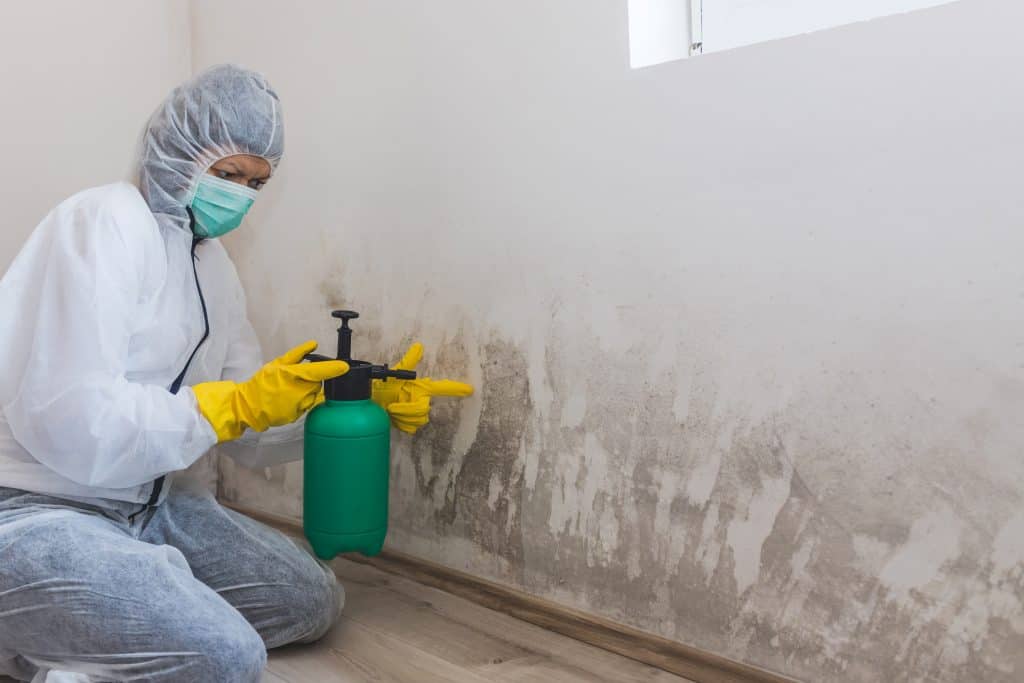
Next, we contain the affected area to prevent spores from spreading during removal. We follow EPA standards for safe remediation, which means proper ventilation, protective barriers, and HEPA filtration. Then we remove the mold and any damaged materials that can’t be salvaged.
After removal, we address the moisture source whether that’s a leaky pipe, poor ventilation, or basement humidity. If we don’t fix what caused the mold, it’ll come back. Finally, we clean and treat the area to prevent future growth.
If repairs are needed, we handle that too. Drywall replacement, repainting, flooring we don’t leave you halfway done. You get your space back in working order.
Ready to get started?
You get a full inspection with advanced detection equipment. We test for mold type when needed, especially if there’s concern about black mold or health symptoms that won’t go away.
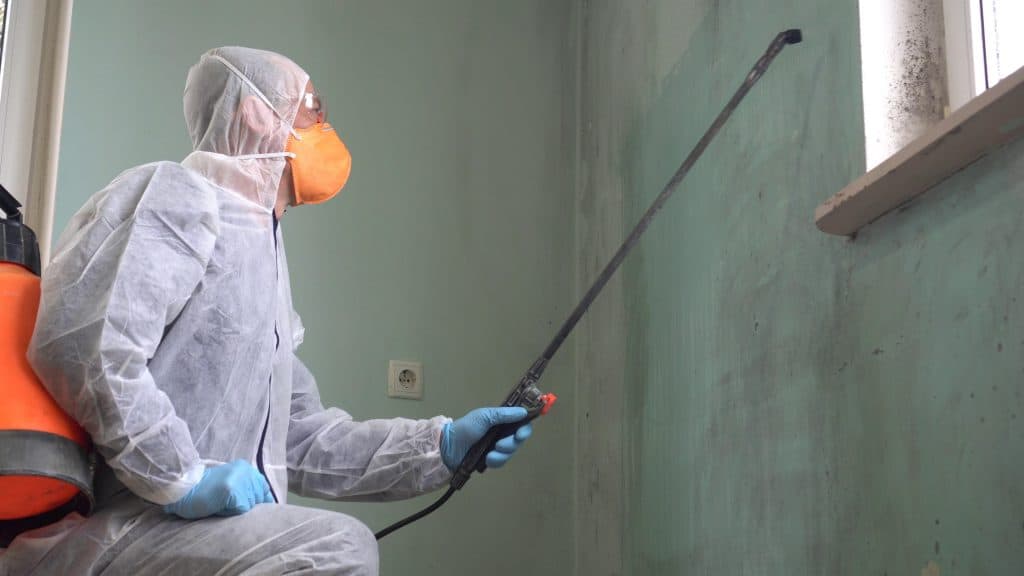
Containment and removal are done safely, with proper protective equipment and air filtration. We don’t cut corners. We also remove and dispose of contaminated materials according to Pennsylvania regulations.
Queen Village’s historic homes often have unique challenges old plaster walls, stone foundations, limited ventilation. We’ve worked in these buildings before. We know how to handle mold in tight spaces and aging structures without causing unnecessary damage.
You also get help with insurance claims if your policy covers mold damage. We document everything, take photos, and provide the paperwork your insurer needs. And if it’s an emergency like after a flood or major leak we’re available 24/7.

You might see it dark spots on walls, ceilings, or around windows. You might smell it that musty, damp odor that doesn’t go away even after cleaning. Or you might feel it persistent allergies, coughing, or respiratory issues that get worse at home.
Mold grows where there’s moisture. In Queen Village, that often means basements with poor drainage, bathrooms without exhaust fans, or attics with roof leaks. If you’ve had any water damage even something minor like a slow drip there’s a chance mold is growing somewhere you can’t see.
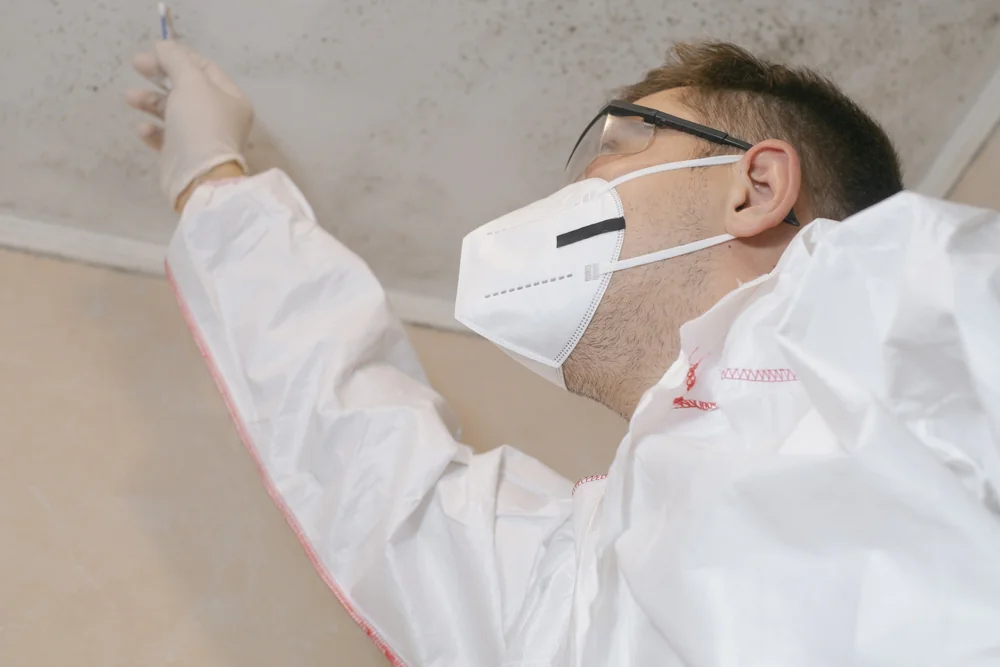
The only way to know for sure is to have a professional inspection. We use tools that detect moisture levels and hidden mold behind walls or under floors. A visual check isn’t enough, especially in older homes where mold can hide in wall cavities or crawl spaces.
Small surface mold like a little bit on a windowsill can usually be cleaned with the right products. But if the mold covers more than a few square feet, or if it’s caused by a bigger moisture problem, DIY removal can make things worse.
Disturbing mold releases spores into the air. Without proper containment, those spores spread to other areas of your home. You also need to address the moisture source, or the mold will just come back. Most people don’t have the equipment or training to do that safely.
Black mold and other toxic varieties require professional remediation. Exposure during improper removal can cause serious health issues, especially for kids, elderly family members, or anyone with asthma or immune problems. If you’re not sure what type of mold you’re dealing with, don’t risk it.
It depends on the size of the affected area and the extent of the damage. A small bathroom mold issue might take a day or two. A basement with widespread mold growth could take a week or more.
The inspection happens first and usually takes a couple of hours. Once we know what we’re dealing with, we’ll give you a timeline. Containment and removal are the most time-intensive steps, especially if we need to remove drywall, insulation, or flooring.
Drying out the space and addressing the moisture source adds time, but it’s necessary. Rushing the process means mold comes back. We also handle any repairs or restoration work, which can extend the timeline depending on what needs to be rebuilt. You’ll know upfront what to expect.
It depends on your policy and what caused the mold. If the mold resulted from a sudden, covered event like a burst pipe or storm damage most policies will cover remediation. If it’s from long-term neglect or a maintenance issue, they probably won’t.
You need to check your policy or call your insurer to know for sure. Some policies have mold coverage limits, meaning they’ll pay up to a certain amount but not beyond that. Others exclude mold entirely unless you’ve added specific coverage.
We help with the claims process. We document the damage, provide detailed reports, and work with adjusters to make sure you get what you’re entitled to. Even if insurance doesn’t cover it, we’ll give you a clear estimate so you know what you’re paying for.
Moisture. That’s it. Mold needs water to grow, and in Queen Village, there are plenty of ways moisture gets into homes. Leaky roofs, old plumbing, basement seepage, poor ventilation any of these can create the damp conditions mold loves.
Philadelphia’s humid summers don’t help. When indoor humidity stays above 60%, mold can start growing within 24 to 48 hours. Bathrooms without exhaust fans, kitchens with poor airflow, and basements that never fully dry out are all common problem areas.
Older homes in Queen Village face additional challenges. Many were built before modern waterproofing and ventilation standards. Stone foundations can wick moisture from the ground. Plaster walls can trap humidity. Even something as simple as blocked gutters can lead to water intrusion and mold growth over time.
Control moisture. Fix leaks as soon as you notice them. Use exhaust fans in bathrooms and kitchens. Keep indoor humidity below 60% a dehumidifier helps, especially in basements.
Make sure your home has proper ventilation. Attics need airflow to prevent condensation. Crawl spaces should be sealed or vented correctly. If your basement floods or gets damp regularly, you might need better drainage or a sump pump.
Regular maintenance matters too. Clean gutters, inspect your roof, check around windows and doors for leaks. If you’ve had mold removed professionally, the underlying cause should have been addressed during remediation. But staying on top of moisture issues is the only way to keep mold from returning long-term.
Other Services we provide in Queen Village