
Hear from Our Customers
Here’s what changes after the mold is gone: you stop wondering if that smell is dangerous. You stop worrying about your kids’ cough or your own headaches. You can sell your home without losing 20% of its value because a buyer’s inspector found spores behind the drywall.
Mold remediation isn’t just cleaning what you see. It’s finding what’s hidden, removing it completely, and making sure it doesn’t come back. That means dealing with the moisture source, not just scrubbing the surface.
In Pennsport, where older rowhomes and humid summers create perfect conditions for mold growth, you need more than a quick fix. You need someone who understands how Philadelphia’s climate works against your walls, your basement, your crawlspace. The goal isn’t to mask the problem. It’s to give you a home where the air is safe and the structure is sound.
We’ve been handling mold problems in Pennsport and throughout Philadelphia since 2009. We’re not new to this, and we’re not learning on your property.
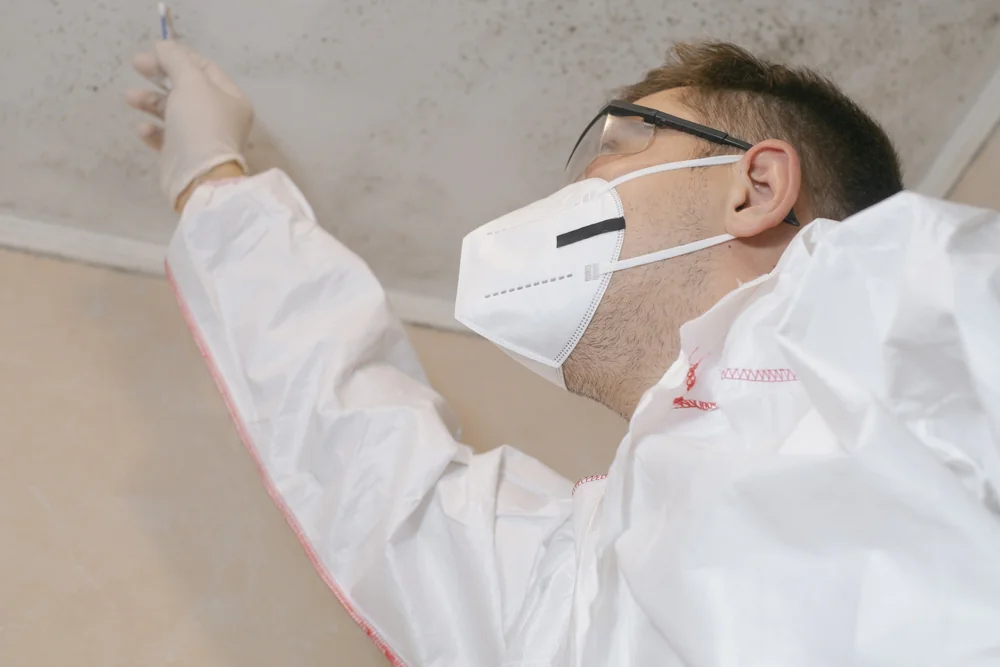
Every job starts with a free inspection. We use thermal imaging to find moisture you can’t see and send samples to independent labs so you know exactly what you’re dealing with. No guessing, no upselling services you don’t need.
Pennsport homes especially the older ones have quirks. Brick walls that hold moisture. Basements that flood. Poor ventilation that traps humidity. We’ve seen it all, and we know how to fix it right the first time.
First, we come out for a free inspection. We’re looking for visible mold, but also for the hidden stuff moisture behind walls, under floors, in your HVAC system. We use thermal imaging and moisture meters to find problems before they become disasters.
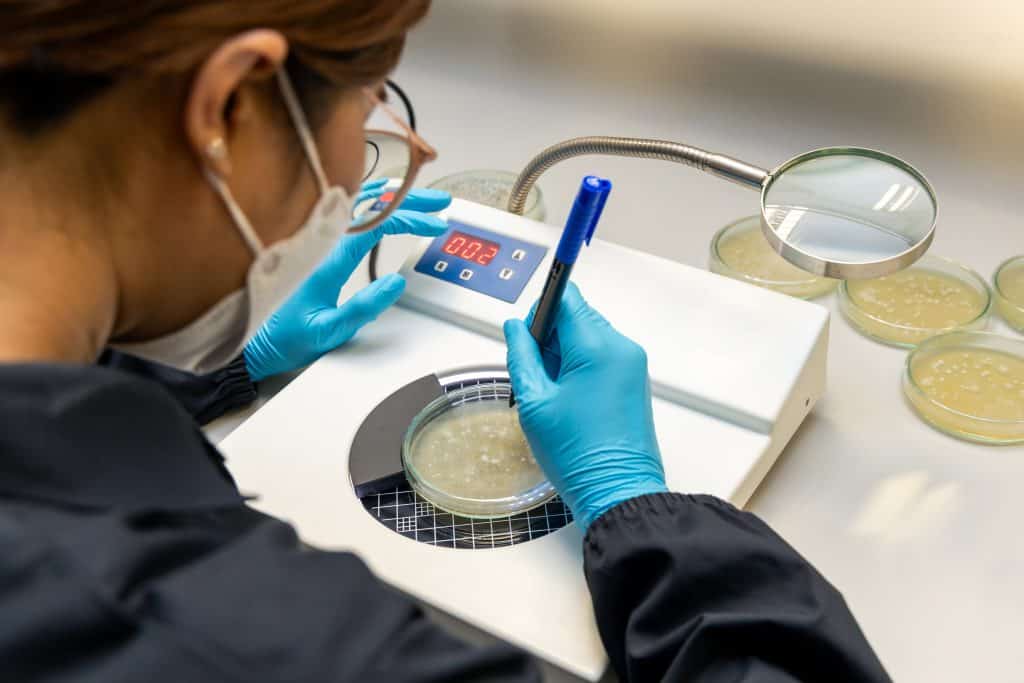
Next, we take samples and send them to a lab. You’ll get results within 24 hours that tell you what type of mold you’re dealing with and how serious it is. This isn’t a scare tactic it’s information you need to make the right call.
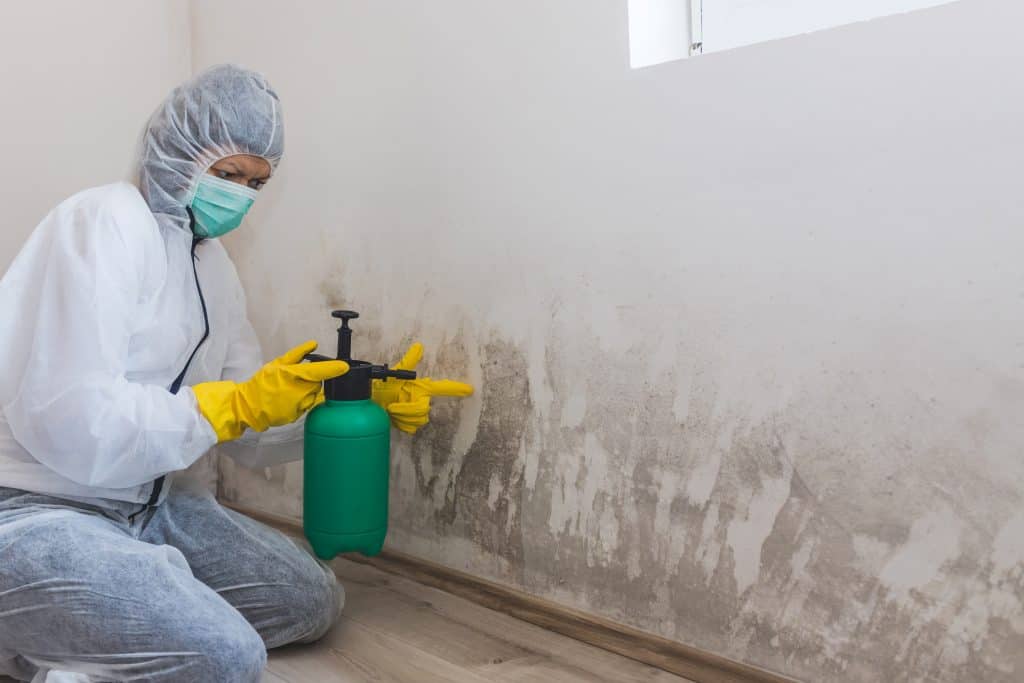
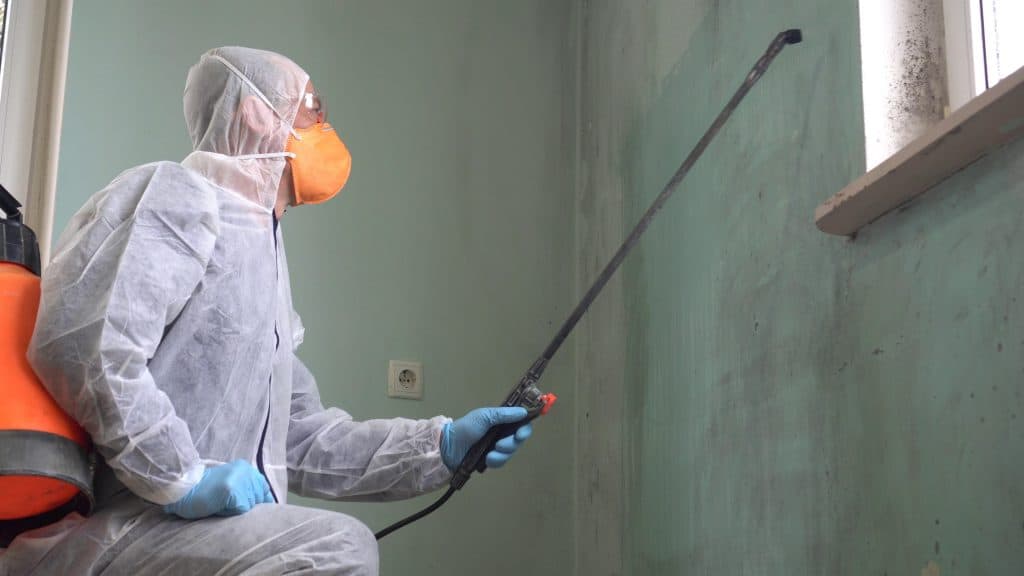
Once we know what we’re working with, we contain the area. That means sealing it off so spores don’t spread to clean parts of your home during removal. Then we remove the mold, treat the surfaces, and fix the moisture problem that caused it in the first place.
After everything’s clean, we test the air again to make sure it’s safe. You’re not done until the lab says you’re done. And if you’re filing an insurance claim, we’ll work directly with your provider to handle the paperwork.
Ready to get started?
You get a full inspection with thermal imaging and moisture detection. You get lab testing from an independent facility not our own so the results are unbiased. You get containment, removal, treatment, and air quality testing after the work is done.
We also help with insurance claims. Most homeowners don’t realize their policy covers mold damage if it’s from a sudden event like a pipe burst. We’ll document everything, communicate with your adjuster, and make sure you’re not paying out of pocket for something your insurance should handle.
Philadelphia’s humidity is a real problem. Summer months regularly hit over 60% humidity, and that’s enough to fuel mold growth in any home with poor ventilation or a small leak. Pennsport’s aging housing stock makes it worse many homes here were built before modern moisture barriers existed. That’s why prevention matters just as much as removal. We’ll walk you through what needs to change so this doesn’t happen again.

Most mold remediation jobs in the Philadelphia area run between $1,500 and $4,000, depending on the size of the affected area and how deep the problem goes. A small bathroom with surface mold is cheaper than a finished basement with hidden growth behind drywall.
The price includes inspection, containment, removal, treatment, and post-remediation air testing. If your insurance covers it, your out-of-pocket cost could be much lower or nothing at all if the damage came from a covered event like a burst pipe or roof leak.
We give you an upfront estimate before any work starts. No surprises, no hidden fees. You’ll know exactly what you’re paying for and why.
Small jobs like a bathroom or closet usually take one to two days. Larger projects, like a basement or multiple rooms, can take three to five days depending on the extent of the damage and how much material needs to be removed.
The timeline also depends on drying time. If we’re treating walls or floors, they need to dry completely before we can close everything back up. Rushing that step just invites the mold to come back.
We’ll give you a clear timeline during the inspection so you can plan accordingly. If it’s an emergency like a sewage backup or major water damage we can start same-day and work quickly to contain the problem.
It depends on where the mold is and how bad it is. If we’re working in a basement or a single room that can be sealed off, you can usually stay in the rest of the house without any issues.
If the mold is widespread or in your HVAC system, it’s safer to stay somewhere else until the work is done. Mold spores can go airborne during removal, and even with containment, you don’t want to breathe that in especially if anyone in your home has asthma or respiratory issues.
We’ll be honest with you during the inspection. If it’s safe to stay, we’ll tell you. If it’s not, we’ll explain why and give you a realistic timeline for when you can move back in.
Moisture. That’s it. Mold needs water to grow, and Philadelphia’s climate gives it plenty of opportunities. High humidity in the summer, heavy rain in the spring and fall, and old homes without proper ventilation or moisture barriers.
Leaky roofs, burst pipes, poor drainage around your foundation, condensation on windows any of these can create the damp conditions mold loves. In Pennsport, where many homes are older rowhomes with shared walls and aging plumbing, the risk is even higher.
The key to prevention is controlling moisture. Fix leaks fast, run a dehumidifier in your basement, make sure your gutters drain away from your foundation, and ventilate bathrooms and kitchens properly. If you do those things, mold has a much harder time taking hold.
Black mold Stachybotrys chartarum can produce toxins that cause serious health problems, especially with long-term exposure. Respiratory issues, chronic headaches, skin rashes, and in severe cases, lung infections or neurological symptoms.
But here’s the thing: you can’t tell if mold is toxic just by looking at it. Black mold isn’t always black, and not all black-colored mold is the toxic kind. That’s why lab testing matters. We send samples to an independent lab that identifies the exact species and tells you if it’s producing mycotoxins.
Any mold in your home is a problem, toxic or not. It damages your property, smells terrible, and can trigger allergies and asthma. Don’t wait to find out if it’s the “bad kind.” Get it tested and removed either way.
Not if the moisture problem is fixed. Mold removal gets rid of what’s there, but if the conditions that caused it are still present leaky pipes, high humidity, poor ventilation it’ll grow back eventually.
That’s why we don’t just clean up mold. We identify the source of the moisture and tell you what needs to change. Sometimes it’s a simple fix like sealing a window or redirecting a downspout. Other times it’s bigger, like waterproofing a basement or replacing old plumbing.
We also treat surfaces with antimicrobial solutions that help prevent regrowth. And after the job is done, we test the air to make sure spore levels are back to normal. If you handle the moisture issue and we handle the removal correctly, the mold stays gone.
Other Services we provide in Pennsport