
Hear from Our Customers
You’ve noticed the symptoms. Persistent coughing that won’t quit. Allergy flare-ups that seem worse indoors than out. Maybe your kids are dealing with respiratory issues that doctors can’t quite pin down.
Here’s what most people don’t realize: the EPA says indoor air is often 2-5 times more contaminated than outdoor air. In Pennsport, where 95% of homes were built before 1978 and over half date back to before the 1940s, those historic row homes come with character and charm—but also decades of accumulated dust, hidden moisture problems, and ventilation systems that weren’t designed for modern living.
A home air quality test tells you exactly what’s floating around in your air. Mold spores that trigger asthma. Allergens from dust mites and pet dander. Airborne contaminants you can’t see but your lungs definitely feel. We use professional-grade air sampling equipment, moisture meters, and infrared cameras to find problems that standard home inspections miss entirely.
You’re not looking for someone to tell you everything’s fine when it isn’t. You want to know what’s actually there, what it means for your family’s health, and what you should do about it.
We focus exclusively on air quality and mold issues across Bucks County, Philadelphia, and South Philadelphia neighborhoods like Pennsport. That narrow focus means our team understands exactly how Pennsylvania’s humid summers and wet springs create perfect conditions for mold growth in basements and poorly ventilated spaces.
We’re not a general restoration company that does mold work on the side. This is what we do, every day. Our technicians know how moisture behaves in historic construction, where mold hides in old row homes, and what actually works to fix these problems long-term.
You’ll get a detailed report that explains what we found, what it means, and what your options are. No pressure, no upselling services you don’t need. Just clear information so you can make the right call for your home and your family.

First, we schedule a free initial inspection at a time that works for you. During that visit, we walk through your home looking for visible signs of mold growth, moisture problems, and ventilation issues. We’re checking basements, crawl spaces, behind walls—anywhere moisture likes to hide in older construction.
Next, we use air sampling devices to collect samples from different rooms in your home. These samples get sent to an independent lab that analyzes them for mold spores, allergens, and other airborne contaminants. We also use moisture meters and infrared cameras to identify hidden water sources that could be feeding mold growth you can’t see yet.
Within a few days, you get a detailed report breaking down exactly what’s in your air, how those levels compare to safe outdoor air, and where the problems are coming from. We explain everything in plain language—no confusing jargon or technical terms you need a degree to understand.
Then we talk through your options. Sometimes it’s a simple ventilation fix. Sometimes it requires mold remediation. Either way, you’ll know exactly what needs to happen, what it costs, and why it matters before any work begins.
Ready to get started?
Your residential air quality testing includes a complete visual inspection of your property, professional air sampling from multiple rooms, moisture detection using advanced equipment, and infrared thermal imaging to find hidden water intrusion. You’re getting the same level of analysis we’d do for a commercial property, just focused on keeping your family safe.
The lab analysis covers mold spores—all types, not just the common ones—plus allergens like dust mites and pet dander, and other airborne particles that affect indoor air quality. We also assess your home’s ventilation efficiency because even if you don’t have mold now, poor airflow creates conditions where it can develop.
In Pennsport specifically, we see patterns. Basement moisture from old foundations. Inadequate ventilation in bathrooms and kitchens. Water intrusion around historic windows and doors. Pennsylvania’s climate doesn’t help—humid summers mean moisture gets trapped inside, especially in homes without modern HVAC systems designed to manage humidity levels.
You also get post-remediation clearance testing if needed. After any mold removal work, we retest your air to verify it’s actually safe. That documentation matters for your peace of mind, for insurance claims, and if you ever sell your property.
You need testing if you’re experiencing health symptoms that get worse at home—persistent coughing, allergy symptoms, respiratory issues, or that feeling like you’re always catching a cold. You also need it if you’ve had water damage, notice musty odors, see visible mold growth anywhere, or if you’re buying or selling a home built before 1978.
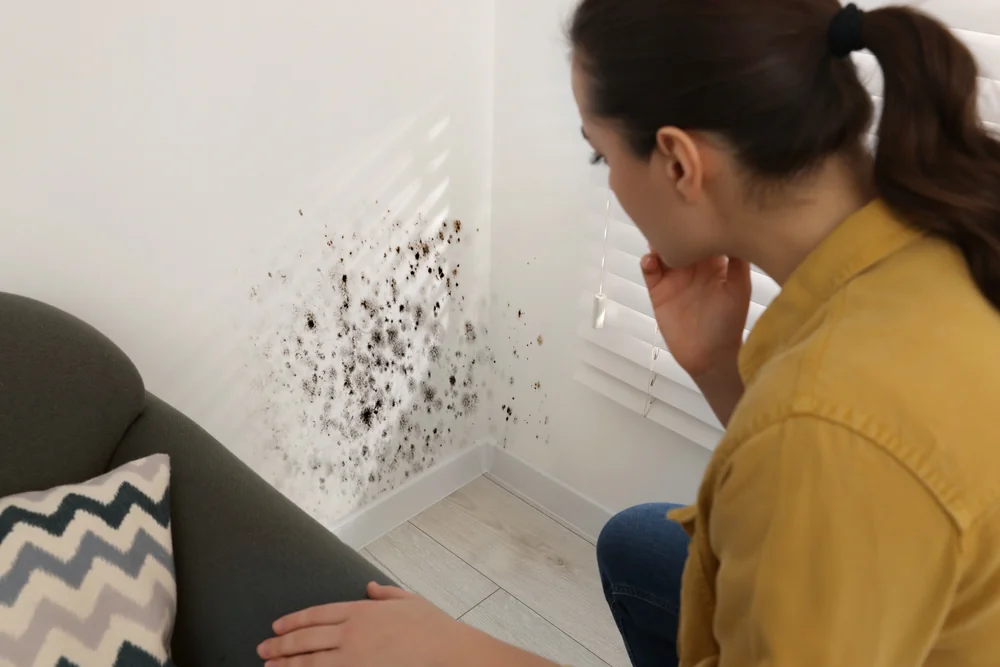
Here’s the thing about mold: it’s sneaky. It hides behind walls, under carpets, in crawl spaces, and inside HVAC systems. You can have a serious mold problem and never see it. The spores are what affect your health, and those are invisible. A professional indoor air quality test catches what you can’t see.
In Pennsport’s older homes, we regularly find elevated mold levels in houses where owners had no idea there was a problem. The home looks fine. But the air quality tells a different story. If you’re spending money on allergy medications, missing work due to respiratory issues, or worried about your kids’ health, testing gives you actual answers instead of guessing.
A mold inspection is visual—we’re looking for visible mold growth, water damage, moisture problems, and conditions that support mold. Air quality testing goes deeper. We’re collecting air samples and sending them to a lab to measure exactly what’s floating around in your home, even if you can’t see it.
You might have mold growing inside your walls or under flooring where an inspection can’t reach. Air sampling catches those hidden problems because the spores circulate through your home whether the mold is visible or not. The lab analysis tells us what types of mold are present, the concentration levels, and how they compare to outdoor air.
Most thorough assessments include both. We do the visual inspection first to identify obvious problems and likely sources. Then we do air sampling to measure what’s actually in your air and confirm whether remediation is needed. You get a complete picture: where the mold is, how bad it is, and what’s affecting your indoor air quality beyond just mold—allergens, dust, other contaminants.
The actual testing appointment takes about 60-90 minutes depending on your home’s size. We’re doing a visual inspection, taking air samples from multiple rooms, using moisture meters and thermal imaging, and documenting everything. You don’t need to do anything special to prepare—just normal living conditions give us the most accurate results.
Air samples go to an independent lab for analysis. You typically get results back within 3-5 business days. Some labs offer rush processing if you’re dealing with an urgent situation, like a real estate transaction with a tight timeline or severe health symptoms that need immediate answers.
When your report comes back, we schedule a follow-up call or meeting to walk through the findings. We explain what the numbers mean, which areas of your home have elevated levels, what types of mold or contaminants were found, and what you should do next. You’ll have documentation you can share with doctors, insurance companies, or real estate agents if needed. The report is yours—clear, detailed, and written in language that actually makes sense.
It depends on what caused the problem. If you had a sudden water event—burst pipe, roof leak, appliance malfunction—many policies cover testing and remediation as part of the water damage claim. If it’s a long-term moisture problem from poor maintenance or gradual deterioration, most policies won’t cover it.
Here’s what we recommend: call your insurance company before you test if you’ve had recent water damage. Document everything. Take photos. Keep records. Some insurers require you to use their preferred testing company, while others let you choose your own as long as they’re properly certified.
We work with insurance companies regularly and can help with documentation to support your claim. We provide detailed reports, photos, moisture readings—everything adjusters typically request. Even if insurance doesn’t cover the testing itself, having professional documentation often helps get remediation costs covered. And if you’re paying out of pocket, our free initial inspection helps you understand the scope before you commit to full testing. We’re upfront about costs from the start so there are no surprises.
You can, but those DIY kits have serious limitations. Most only test for a narrow range of mold types. They don’t measure concentration levels accurately. They can’t tell you where the mold is coming from or whether the levels are actually dangerous. And they don’t include the visual inspection that identifies moisture sources and hidden problems.
Professional air quality testing uses calibrated equipment that measures airborne particle counts precisely. We’re collecting samples under controlled conditions and sending them to accredited labs that test for dozens of mold species plus other contaminants. You get quantitative data—actual numbers you can compare to safe thresholds—not just a yes/no answer.
The bigger issue is knowing what to do with the results. Let’s say your DIY kit comes back positive for mold. Now what? You still don’t know how bad it is, where it’s coming from, or what remediation approach makes sense for your specific situation. Professional testing gives you that roadmap. We identify the source, explain the severity, and outline your options. In Pennsport’s older homes especially, you need someone who understands how moisture and mold behave in historic construction. That expertise is worth more than saving a few hundred dollars on testing.
First, don’t panic. Finding elevated mold levels is actually good news—you now know what’s causing your symptoms or concerns, and you can fix it. We walk you through exactly what was found, where it’s likely growing, and what level of response makes sense based on the concentration and mold types detected.
Some situations need immediate remediation. If you’ve got toxic mold species at high concentrations, especially in areas where your family spends a lot of time, we’ll recommend addressing it quickly. Other situations are less urgent—maybe you’ve got slightly elevated levels that can be managed with better ventilation and dehumidification. We’re honest about what actually requires professional remediation versus what you can handle with environmental controls.
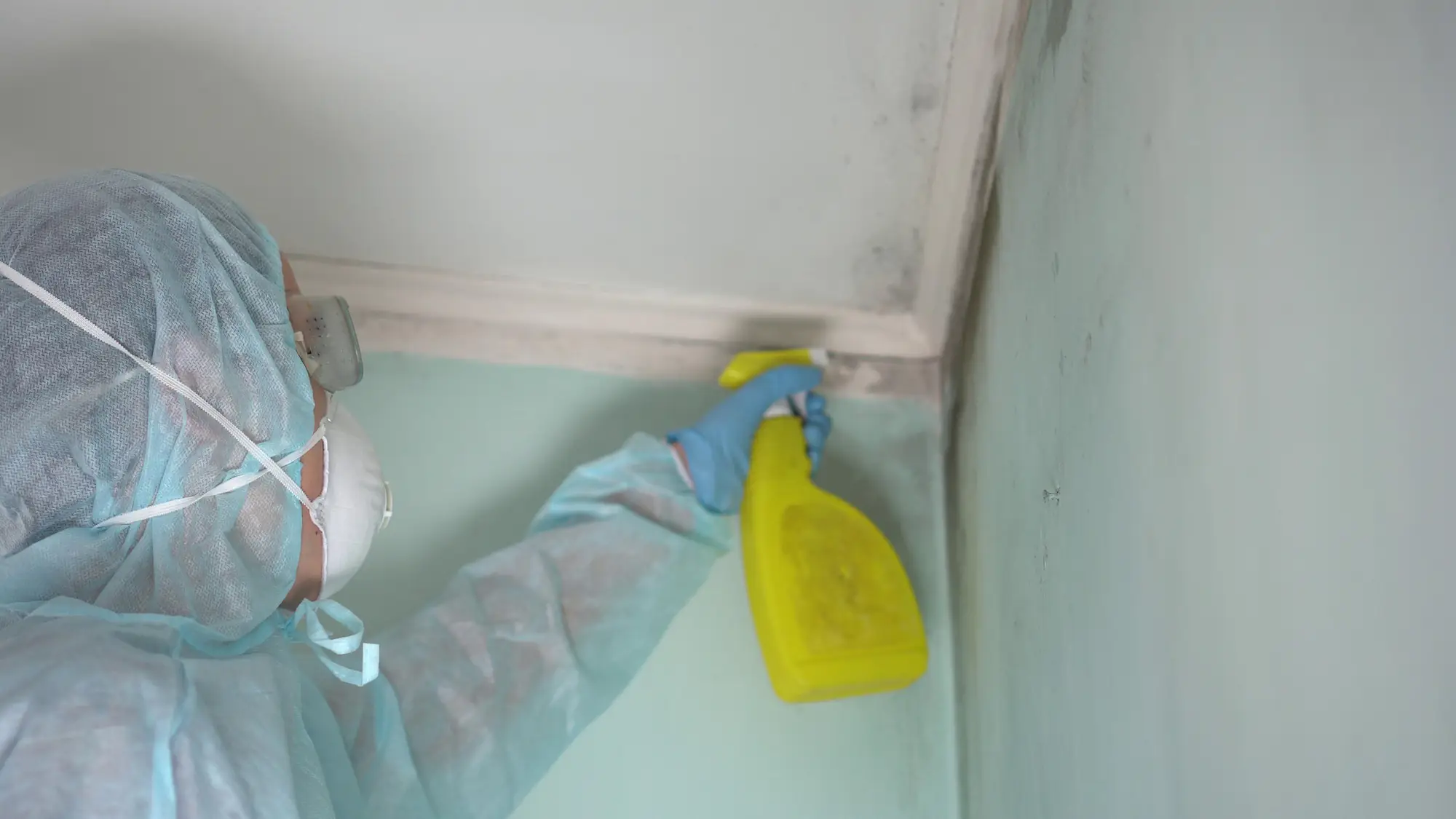
If remediation is needed, we provide a clear estimate before any work starts. We follow EPA-approved methods and Pennsylvania regulations for mold removal. We contain the work area so spores don’t spread to clean parts of your home. We remove the mold, fix the moisture source that caused it, and clean everything thoroughly. Then we do post-remediation testing to verify your air is safe. You get documentation showing the problem is actually solved, not just covered up. We’re available 24/7 if you’re dealing with an emergency situation that can’t wait.
Other Services we provide in Pennsport