
Mold Remediation in Kensington, PA

Your Home Cleared, Your Air Safe Again

Mold doesn’t wait, and neither should you. Fast response, complete removal, and real prevention that keeps it from coming back.

Hear from Our Customers

Mold Removal Services in Kensington

What Happens When the Job's Done Right

You walk into your basement and the musty smell is gone. You breathe easier knowing your kids aren’t inhaling spores every night. Your home value stays protected because there’s documentation proving the problem was handled correctly.

That’s what proper mold remediation does. It removes the visible growth, kills what’s hidden, and addresses the moisture source so it doesn’t come back in six months.

Kensington homes deal with specific challenges older construction, clay soil that holds water, basements that stay damp through humid Pennsylvania summers. These aren’t cosmetic issues you can paint over. Mold spreads through porous materials like drywall and wood. It moves through your HVAC system. And if you’re planning to sell, buyers will find it during inspection.

The right approach stops the spread, protects your investment, and gives you a home that’s actually safe to live in.

Kensington Mold Inspection and Testing

Local Expertise That Shows Up When Needed

We’ve spent over 15 years working in Bucks County homes. We’re IICRC-certified, fully licensed and insured, and available 24/7 because water damage doesn’t happen on a schedule.

We’re not a national franchise with mixed reviews and corporate pricing. We’re a local business that understands how Pennsylvania weather affects your home the summer humidity, the storm damage, the condensation issues that show up in older attics.

When you call, you’re talking to people who’ve seen hundreds of Kensington basements and know exactly what causes mold growth in this area. We use thermal imaging and moisture meters to find problems you can’t see, and we document everything so you have proof the job was done right.

Mold Abatement Process in Kensington

Here's What Actually Happens During Remediation

First, we inspect your property with thermal imaging and moisture detection equipment. This shows us where water is getting in and where mold is growing even behind walls or under flooring.

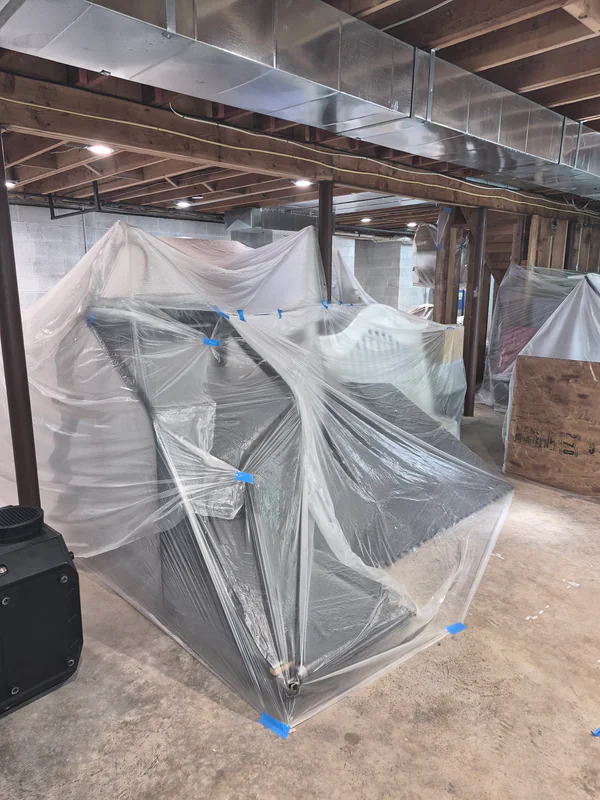
Next, we contain the affected area using physical barriers and negative air pressure. This keeps mold spores from spreading to clean areas of your home during removal. We’re not just scrubbing visible mold and hoping for the best.

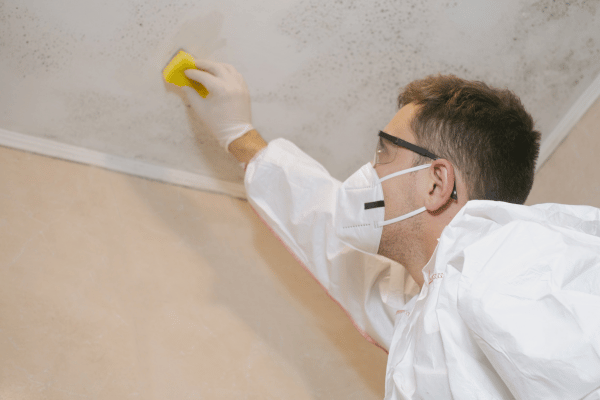
Then comes removal. Porous materials that are heavily contaminated get removed entirely. Hard surfaces get treated with professional-grade solutions that actually kill mold at the root not bleach, which only works on non-porous surfaces and can make the problem worse on drywall or wood.

After removal, we address the moisture source. That might mean fixing drainage issues, improving ventilation, or recommending dehumidification. Without this step, mold comes back.

Finally, we test the air quality to confirm spore counts are back to normal levels. You get lab results and documentation that proves your home is clear.

Ready to get started?

Explore More Services

About Mack's Mold Removal

Mold Damage Services Kensington, PA

What's Included in Professional Mold Cleanup

You get a free inspection with moisture mapping and thermal imaging. No hidden fees, no pressure just an honest assessment of what’s happening in your home.

If remediation is needed, we handle containment, removal, treatment, and air filtration. We work directly with your insurance company if you’re filing a claim, and we provide all the documentation they require.

Kensington’s older homes often have mold in basements where clay soil holds moisture against foundation walls, or in attics where temperature swings create condensation. We’ve worked in enough local properties to know the patterns. Crawl spaces are another common problem area, especially after heavy rain when water sits under the home.

Our process includes identifying why mold grew in the first place. If your gutters are dumping water next to your foundation, or your bathroom exhaust isn’t vented properly, we’ll point it out. Removing mold without fixing the cause just means you’ll be dealing with it again next year.

You also get a satisfaction guarantee. If mold returns in a treated area within the warranty period, we come back and handle it.

How long does mold remediation take in a typical Kensington home?

Most residential mold remediation projects take between two and five days, depending on the size of the affected area and how far the mold has spread. A small bathroom with surface mold might be done in a day or two. A finished basement with mold behind drywall and in the HVAC system takes longer.

The timeline also depends on what caused the mold. If there’s an active water leak, that needs to be fixed before we can start remediation. Otherwise, you’re just removing mold that will grow back immediately.

We don’t rush the process. Containment has to be set up correctly. Materials need time to dry after treatment. Air quality testing happens after everything else is complete. Cutting corners means the problem comes back, and that costs you more in the long run.

It depends on the size and location of the mold growth. If we’re treating a small area in a basement or bathroom and containment is properly set up, most families can stay in the home without issue. The containment barriers and negative air pressure keep spores from spreading to living areas.

If the mold is extensive throughout multiple rooms, in your HVAC system, or in areas where containment is difficult it’s safer to stay elsewhere during active removal. Disturbing large amounts of mold releases spores into the air, and even with containment, some exposure is possible.

We’ll give you an honest recommendation during the inspection. If you have young children, elderly family members, or anyone with respiratory issues or a compromised immune system, we usually suggest staying somewhere else even for smaller jobs. It’s not worth the risk.

It depends on what caused the mold. If mold grew because of a sudden, accidental event like a burst pipe, storm damage, or a leaking water heater most homeowners insurance policies will cover remediation. If mold developed slowly due to neglect, poor ventilation, or an ongoing leak you didn’t fix, coverage is unlikely.

Pennsylvania insurance policies vary, and some have specific mold coverage limits. You’ll need to check your policy or call your insurance company to confirm what’s covered and what your deductible is.

We work directly with insurance companies and can help with the claims process. That includes providing documentation, photos, moisture readings, and a detailed scope of work. We’ve filed enough claims to know what adjusters need to see, and we can answer their questions directly if needed.

Mold removal means getting rid of visible mold growth. Mold remediation means removing the mold and fixing the conditions that allowed it to grow in the first place. Removal is a surface fix. Remediation is a complete solution.

You can scrub mold off a wall with bleach and it might look clean, but if the wall is still damp and there’s no airflow, mold will grow back. Remediation addresses the moisture source whether that’s a plumbing leak, poor drainage, high humidity, or condensation issues.

True remediation also includes containment to prevent spores from spreading during the removal process, air filtration to capture airborne spores, and post-remediation testing to confirm the environment is back to safe levels. It’s more thorough, and it actually solves the problem instead of just hiding it temporarily.

Mildew is a type of mold, but it’s usually surface-level and easier to clean. It shows up as a thin, powdery layer that’s white or gray, often in damp areas like shower tiles or window sills. You can usually wipe it away with a household cleaner.

Mold is thicker, often fuzzy or slimy, and comes in colors like black, green, or brown. It grows deeper into porous materials like drywall, wood, and insulation. If you try to wipe it away and it keeps coming back, or if it’s spreading across a wall or ceiling, that’s mold.

The bigger issue is what’s happening behind the surface. If you see mold on drywall, there’s a good chance it’s also growing inside the wall where moisture has soaked into the insulation or framing. That’s why professional mold testing and inspection matter we use moisture meters and thermal imaging to find hidden growth you can’t see.

Basements in Kensington deal with moisture from several sources. The clay-heavy soil in Bucks County doesn’t drain well, so water sits against foundation walls after rain. If your gutters aren’t directing water away from the house, that makes it worse. Older homes often have foundation cracks or poor waterproofing, which lets moisture seep through.

Attics are a different problem. In winter, warm air from your living space rises and hits the cold attic, creating condensation on the underside of the roof deck. If your attic isn’t properly ventilated or insulated, that moisture has nowhere to go. Over time, it soaks into the wood and insulation, and mold starts growing.

Both issues are common in older Kensington homes that weren’t built with modern moisture control in mind. The fix isn’t just removing mold it’s improving drainage, sealing air leaks, adding ventilation, or upgrading insulation. Without those changes, mold keeps coming back no matter how many times you clean it.

Other Services we provide in Kensington