
Mold Remediation in Andorra, PA

Mold Problems Solved at the Source

Complete mold removal that finds hidden growth, eliminates health risks, and keeps your Andorra home safe for good.

Hear from Our Customers

Mold Removal Services in Andorra

What Happens After the Mold Is Gone

You stop worrying about what’s growing behind your walls. Your family breathes easier, literally. No more musty smell in the basement, no more mystery stains spreading across the ceiling.

The difference between surface cleaning and actual remediation is this: one hides the problem temporarily, the other eliminates it completely. When mold gets removed properly, the source of moisture gets addressed. The contaminated materials get contained and disposed of correctly. Air quality improves because spores aren’t circulating through your HVAC system anymore.

Your home in Andorra becomes safe again. Not just cleaner on the surface, but genuinely healthier to live in. That’s what matters when you’re dealing with something that affects your family’s respiratory health and your property’s structural integrity. The job either gets done right, or it comes back worse than before.

Andorra Mold Remediation Specialists

We Know Andorra Homes and Mold Problems

We specialize in one thing: getting mold out of homes in Bucks County and keeping it out. We’re local, we’re trained in EPA-compliant procedures, and we’ve seen what Philadelphia’s humid summers do to older properties.

Many homes in Andorra were built between 1940 and 1969. That means settled foundations, aging plumbing, and ventilation systems that weren’t designed for today’s humidity levels. We work in these homes regularly. Basements with stone foundations, attics with poor airflow, bathrooms without proper exhaust fans.

When you call us, you’re getting technicians who understand how mold grows in this area and what it takes to stop it. Not a call center. Not a franchise following a generic script. Just straightforward service from people who do this work every day.

Our Mold Remediation Process

Here's What Happens from Start to Finish

First, we inspect your property. That means moisture meters, thermal imaging if needed, and a thorough look at anywhere mold typically hides. Crawl spaces, behind drywall, under flooring, inside HVAC ducts. You can’t treat what you can’t find.

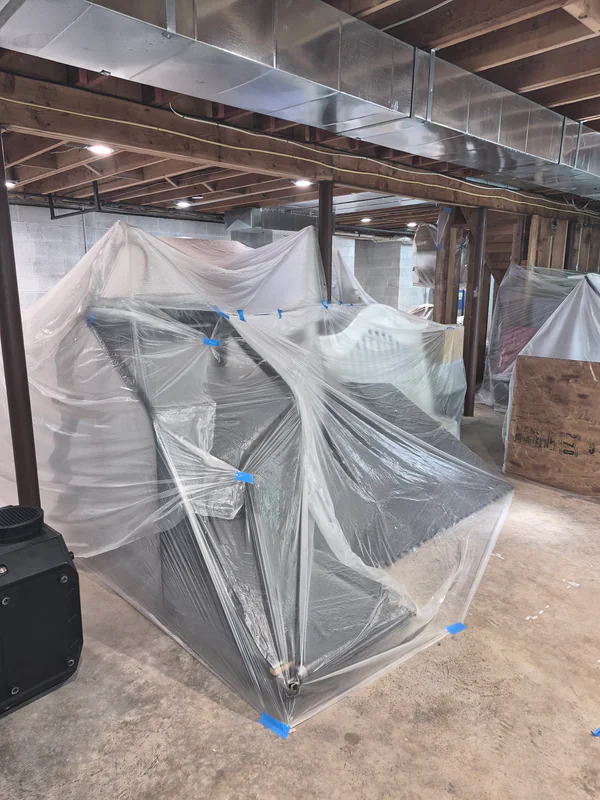
Once we know the extent of the problem, we contain the affected area. This prevents spores from spreading to clean parts of your home during removal. We use physical barriers and negative air pressure to keep contamination controlled.

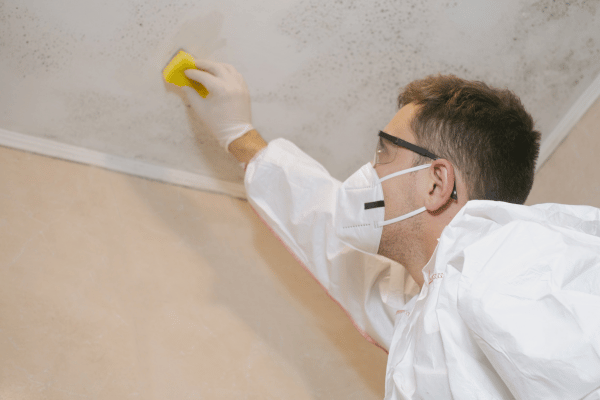
Then comes removal. Depending on what’s affected, that could mean cleaning salvageable materials with antimicrobial treatments or removing porous materials like drywall and insulation that can’t be saved. We follow EPA guidelines for safe disposal.

After removal, we treat surfaces with solutions that prevent regrowth. We also address the moisture source, whether that’s a leak, condensation issue, or humidity problem. If the moisture stays, the mold comes back.

Finally, we verify the work. Air quality testing confirms spore levels are back to normal. You get documentation for your records and insurance if needed. The space gets returned to you clean, dry, and safe.

Ready to get started?

Explore More Services

About Mack's Mold Removal

Mold Inspection and Testing Services

What's Included in Professional Mold Remediation

Every job starts with a free inspection. We assess visible mold, test for hidden growth, and identify moisture sources. You get a clear explanation of what’s happening and what needs to be done.

Mold testing services determine the type and concentration of mold in your home. This matters for health reasons and helps guide the remediation approach. Some molds require more aggressive treatment than others.

The remediation itself includes containment setup, removal of affected materials, HEPA filtration during the process, antimicrobial treatment, and proper disposal. We don’t cut corners on containment because cross-contamination turns a localized problem into a whole-house issue.

In Andorra, where indoor humidity can easily exceed 60% during summer months, we also help you understand prevention. That might mean recommending dehumidifiers, improving ventilation, or addressing drainage issues around your foundation. Homes in this area deal with specific challenges: older construction, mature trees creating shade and moisture, and weather patterns that create perfect conditions for mold growth.

Insurance claim assistance is part of the service when applicable. We document everything, work directly with adjusters, and provide the paperwork needed to support your claim.

How long does mold remediation take in a typical Andorra home?

Most residential mold remediation projects take between one and three days, depending on the size of the affected area and the extent of the damage. A small bathroom with mold on the ceiling might be a single-day job. A finished basement with mold behind drywall and in the flooring could take three to five days.

The timeline depends on several factors: how much material needs to be removed, whether structural elements are affected, and how long it takes for treated areas to dry completely. We can’t rush the drying process because sealing moisture into walls just creates another mold problem down the road.

You’ll know the timeline upfront. We assess the situation during the inspection and give you a realistic estimate before any work starts. If we discover additional mold once we open up walls or pull up flooring, we’ll discuss it with you before proceeding.

Mold removal usually refers to surface cleaning, wiping down visible mold with bleach or store-bought cleaners. It’s temporary. It doesn’t address what caused the mold or prevent it from returning.

Mold remediation is a complete process: finding all the mold including hidden growth, removing it properly, treating the area to prevent regrowth, and fixing the moisture problem that caused it. Remediation brings mold levels back to normal, naturally occurring levels. Complete elimination isn’t realistic because mold spores exist everywhere, but remediation makes your indoor environment safe.

The products matter too. Bleach doesn’t work on porous materials like drywall or wood. It kills surface mold but doesn’t penetrate deep enough to eliminate roots. Professional antimicrobial treatments are designed specifically for mold remediation and actually prevent future growth. That’s why DIY approaches often fail and the mold returns within weeks.

It depends on what caused the mold. If it resulted from a covered event like a burst pipe, roof leak from storm damage, or appliance malfunction, most homeowners insurance policies will cover remediation. If it developed from long-term neglect, poor maintenance, or chronic humidity issues, coverage is less likely.

Pennsylvania insurance policies vary significantly in their mold coverage. Some include it as part of water damage claims, others have specific mold coverage limits, and some exclude it entirely unless you purchase additional coverage.

We help with the claims process regardless of your coverage situation. That means documenting the damage with photos, providing detailed estimates, and communicating directly with adjusters. We’ve worked with most major insurance companies and understand what documentation they require. Even if insurance doesn’t cover the full cost, knowing exactly what’s covered helps you make informed decisions about the work.

Musty odors are usually the first sign. If a room smells like mildew but you don’t see visible mold, it’s probably growing somewhere hidden. Behind wallpaper, inside wall cavities, under carpeting, or in ceiling tiles.

Water stains or discoloration on walls and ceilings indicate moisture intrusion, which almost always leads to mold growth. Even if the leak has been fixed, mold can continue growing on materials that stayed damp.

Health symptoms can also point to hidden mold: persistent allergies, respiratory irritation, headaches, or skin reactions that improve when you leave the house. These aren’t definitive proof, but they’re worth investigating, especially in older Andorra homes where hidden moisture problems are common.

Professional inspection uses tools you don’t have access to. Moisture meters detect elevated moisture levels inside walls without opening them up. Thermal imaging cameras show temperature differences that indicate water intrusion or poor insulation creating condensation. These tools find problems before they become visible disasters.

For small, contained projects like a bathroom or single room, most families stay in the home without issues. We seal off the work area with physical barriers and use negative air pressure to prevent spores from spreading to other parts of the house.

For larger projects involving multiple rooms, significant contamination, or black mold, temporary relocation is often the safer choice, especially if anyone in your household has respiratory issues, allergies, or compromised immune systems.

We’re upfront about this during the inspection. If the scope of work means you should stay elsewhere for a few days, we’ll tell you. If it’s safe to remain in the home, we’ll explain what precautions we’re taking to protect you. The containment process is designed specifically to let remediation happen in occupied homes when appropriate, but your family’s health comes first.

Philadelphia’s climate creates ideal mold conditions. Hot, humid summers push indoor humidity above 60%, which is high enough for mold to grow without any water leaks. Poor ventilation in basements, bathrooms, and attics makes it worse.

Older homes in Andorra face specific challenges. Many were built before modern moisture barriers and ventilation standards existed. Stone foundations common in homes from the 1940s through 1960s allow groundwater to seep through. Settled structures create cracks where water enters. Original plumbing and roofing systems are past their intended lifespan.

Tree coverage in established neighborhoods creates constant shade, preventing sunlight from drying out foundations and keeping soil around homes perpetually damp. Mature landscaping looks beautiful but can direct water toward your foundation instead of away from it. These aren’t problems you can completely eliminate, but understanding them helps with prevention. Dehumidifiers, proper grading, functional gutters, and adequate ventilation make a significant difference in homes dealing with these environmental factors.

Other Services we provide in Andorra