
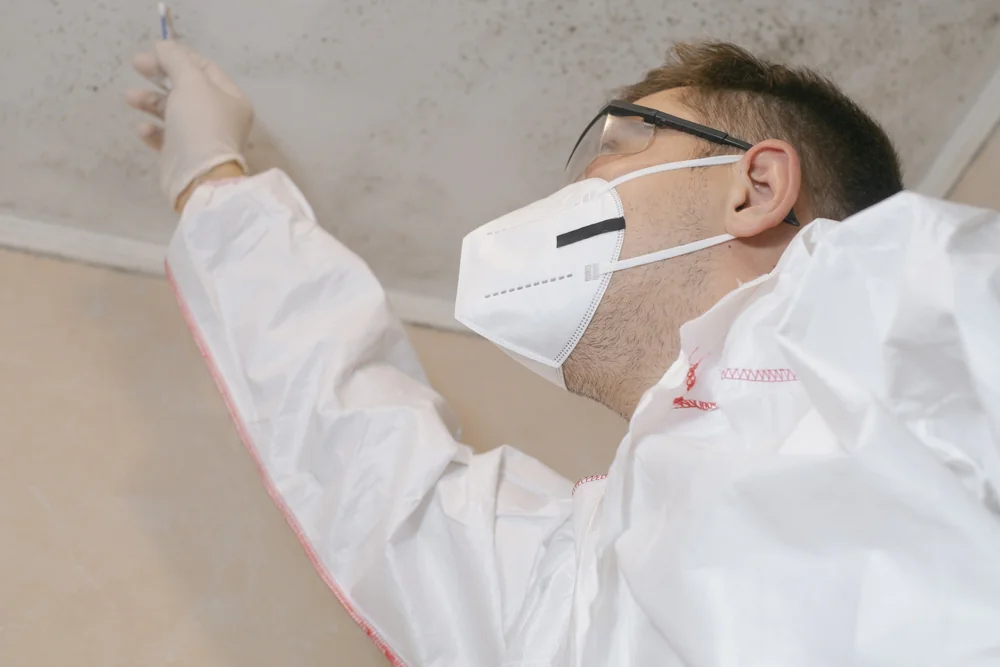
Hear from Our Customers

You stop worrying every time someone coughs. The musty smell disappears. You’re not wondering what’s growing behind the walls or whether your kids are breathing something dangerous.
Mold doesn’t just sit there. It spreads, and it can take root in as little as 48 hours after water damage. The longer it sits, the worse it gets for your health and your home’s value.
We remove it at the source. That means identifying where moisture is coming from, containing the affected area so spores don’t spread during cleanup, and treating surfaces properly so it doesn’t come back next season. You get documentation for insurance or resale, a clear plan for prevention, and a home you can trust again.
We’ve been serving Chestnut Hill and Bucks County since 2009. We’ve seen what happens in older brick homes with unfinished basements, and we know how newer construction can trap moisture in all the wrong places.
We’re not a franchise. You work directly with someone who knows the area, understands Philadelphia’s humid climate, and has handled hundreds of mold situations just like yours. We show up when we say we will, explain what’s happening in plain terms, and don’t disappear after the job.
Most of our work comes from referrals. That tells you something.
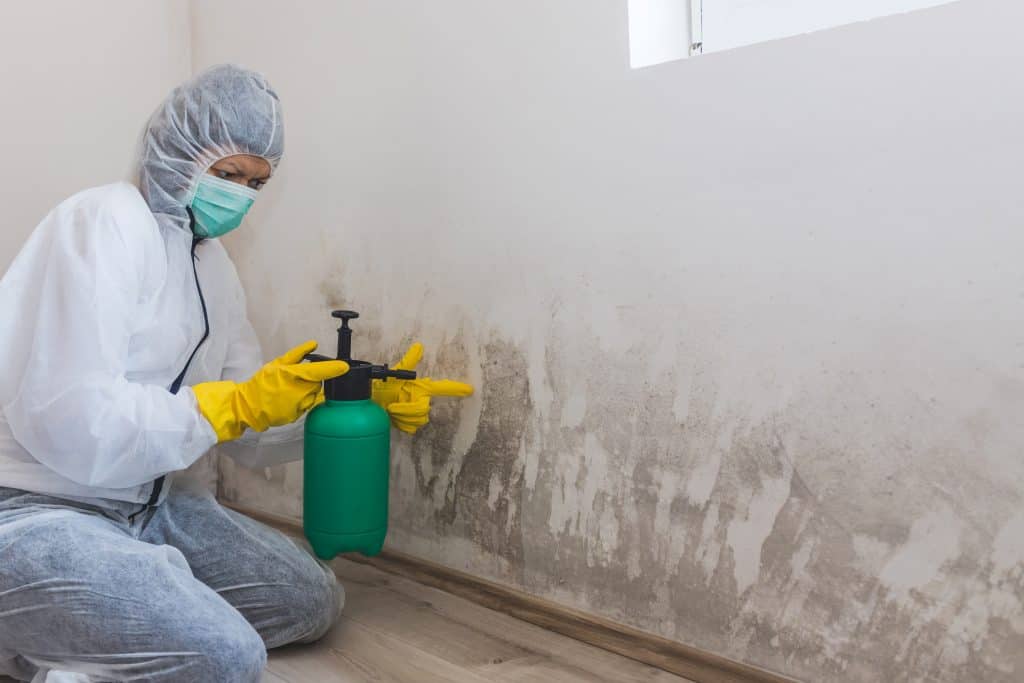
We start with a free inspection. That means checking visible mold, but also using moisture meters and thermal cameras to find hidden problems behind walls, under flooring, in crawl spaces. If testing is needed, we send samples to a certified lab so you know exactly what you’re dealing with.
Once we know the scope, we give you a clear estimate. No surprises. Then we contain the area with plastic sheeting and negative air pressure to keep spores from spreading to clean parts of your home.
We remove contaminated materials that can’t be saved drywall, insulation, carpet and treat surfaces that can. HEPA vacuums and air scrubbers run throughout the process. When we’re done, we retest the air quality to confirm the mold is gone, not just covered up. Then we help you fix the moisture issue so it doesn’t happen again.
Ready to get started?
Every job includes a thorough inspection, moisture mapping, containment setup, safe removal of affected materials, HEPA filtration, antimicrobial treatment, and post-remediation air quality testing. We also document everything for your insurance company if you’re filing a claim.
Chestnut Hill homes face specific challenges. The area’s historic housing stock often has older foundations, poor ventilation, and hidden moisture issues that modern homes don’t. Humid summers and damp winters create ideal conditions for mold growth in basements, bathrooms, attics, and behind kitchen cabinets.
We also help with the insurance side. Most standard policies don’t automatically cover mold damage unless it’s tied to a sudden event like a burst pipe. We’ll work with your adjuster, provide the documentation they need, and explain what’s covered and what’s not before you’re surprised by a denial.
You also get guidance on prevention: dehumidifier placement, ventilation improvements, and early warning signs to watch for.

Most residential mold removal jobs take between two and five days, depending on the size of the affected area and how far the mold has spread. A single bathroom with surface mold might be done in a day or two. A finished basement with mold behind drywall and insulation could take closer to a week.
The timeline also depends on how quickly we can dry out the space and whether structural materials need to be removed. We don’t rush it. Cutting corners means the mold comes back, and then you’re paying for the same job twice.
We’ll give you a realistic timeline during the estimate. If something changes during the job like finding more mold than expected we’ll let you know right away, not at the end when the bill comes.
It depends on what caused the mold. If it’s from a sudden, accidental event like a burst pipe, roof leak during a storm, or appliance malfunction most policies will cover at least part of the remediation. If it’s from long-term neglect, poor maintenance, or gradual moisture buildup, probably not.
Insurance companies want to see that the mold resulted from something unexpected, not something you ignored. That’s why documentation matters. We take photos, moisture readings, and detailed notes that show what happened and when.
We’ve worked with dozens of insurance adjusters in the area. We know what they’re looking for, and we can help you navigate the claims process. Even if your policy doesn’t cover the full cost, we offer financing options to make the work manageable. The worst thing you can do is wait and let the problem grow because you’re worried about cost.
You might not see it, but you’ll notice signs. A persistent musty smell is the biggest giveaway, especially in basements, bathrooms, or closets. Discoloration on walls or ceilings, peeling paint, warped wood, or water stains are all red flags.
Health symptoms can also point to hidden mold: chronic coughing, sneezing, headaches, or worsening asthma especially if they improve when you leave the house. If anyone in your home has allergies or respiratory issues, mold exposure can make them significantly worse.
We use moisture meters and thermal imaging cameras during inspections to find problem areas you can’t see. These tools detect elevated humidity levels and temperature differences that indicate water intrusion or trapped moisture. If you’ve had any water damage in the past even if it was cleaned up it’s worth getting an inspection. Mold can grow behind walls, under flooring, and inside HVAC systems where you’d never think to look.
If it’s a very small area less than 10 square feet, like a bit of surface mold on a bathroom tile you can probably handle it yourself with the right cleaner and precautions. Anything larger, anything that’s spread behind walls, or anything involving black mold should be handled by a professional.
The problem with DIY mold removal is containment. If you don’t seal off the area properly, you’ll spread spores throughout your home during cleanup. Scrubbing or sanding mold releases thousands of spores into the air, and they’ll settle in new places and start growing again within days.
We use negative air pressure systems, HEPA filtration, and proper protective equipment to keep spores contained. We also address the moisture source, which most homeowners miss. If you don’t fix why the mold grew in the first place, it’ll be back in a few months. For the cost difference, professional remediation is worth it especially if you’re dealing with health issues or planning to sell your home.
The most common types we see in this area are Aspergillus, Penicillium, and Cladosporium. All three thrive in the humid conditions created by Philadelphia’s climate warm, damp summers and wet winters. They typically show up in basements, bathrooms, attics, and anywhere with poor ventilation or previous water damage.
Aspergillus is usually green or yellow and grows on damp surfaces like drywall, insulation, and wood. Penicillium is blue or green and often appears in water-damaged areas or on food. Cladosporium is black or olive-green and can grow in both warm and cool areas, including fabrics and wood.
Then there’s Stachybotrys, commonly called black mold. It’s less common but more dangerous, especially for people with asthma, allergies, or weakened immune systems. It grows on materials with high cellulose content drywall, paper, wood and needs consistent moisture. If you see black mold, don’t touch it. Call us for an inspection and lab testing so we know exactly what we’re dealing with and how to remove it safely.
Control moisture. That’s the whole game. Mold needs water to grow, so if you eliminate the moisture source, you eliminate the problem. Start by fixing any leaks roof, plumbing, windows, foundation. Even small, slow leaks can create enough dampness for mold to thrive.
Use dehumidifiers in basements and other high-humidity areas, especially during summer. Keep indoor humidity below 50 percent. Make sure bathrooms, kitchens, and laundry rooms are properly ventilated run exhaust fans during and after showers, and vent dryers outside, not into the attic or crawl space.
Check your gutters and downspouts. If water isn’t draining away from your foundation, it’s seeping into your basement or crawl space. Inspect areas that have had water damage in the past mold loves to return to the same spots. We’ll give you a specific prevention plan based on what we find during remediation, including where to focus and what to watch for. Most of our customers never deal with mold again after following those steps.
Other Services we provide in Chestnut Hill