
Hear from Our Customers
You’re not overreacting. That musty smell in your basement, those dark spots spreading behind the washing machine, the stuffiness that won’t go away even with windows open—these aren’t things you ignore and hope disappear.
Mold doesn’t wait. In 24 to 48 hours after water damage, it starts growing. Within days, it’s spreading through walls, into insulation, across ceilings you can’t even see yet. And the longer it sits, the worse it gets—for your health, your home’s structure, and your property value.
Professional mold mitigation stops that cycle. It’s not just cleaning visible spots or spraying something over the surface. It’s containment, removal of contaminated materials, air filtration, treatment with EPA-approved products, and verification that the job’s actually done. When it’s handled right, you get your space back without wondering if the problem’s still lurking.
You also avoid the bigger costs down the road. Homes with mold issues can lose 20% to 37% of their resale value. Medical bills from prolonged exposure average around $6,000 a year for affected families. Black mold mitigation handled early prevents both.
We’re a locally owned business serving Northampton and the broader Bucks County area. We’re not a franchise. We live here, work here, and understand what Pennsylvania’s humid summers and wet winters do to homes in this region.
Our team is IICRC-certified, which matters more than most people realize. Pennsylvania doesn’t require licensing for mold removal companies, so anyone can claim they’re an expert. IICRC certification means our technicians have completed hands-on training, passed comprehensive exams, and follow the ANSI/IICRC S520 standard—the national procedural guideline for mold remediation.
We’ve built our reputation on doing the work right the first time. That means thorough inspections, honest assessments, and complete remediation—not surface fixes that let mold come back six months later. If you’re dealing with contamination in your attic, crawl space, bathroom, or anywhere else, we’ll walk you through exactly what needs to happen and why.
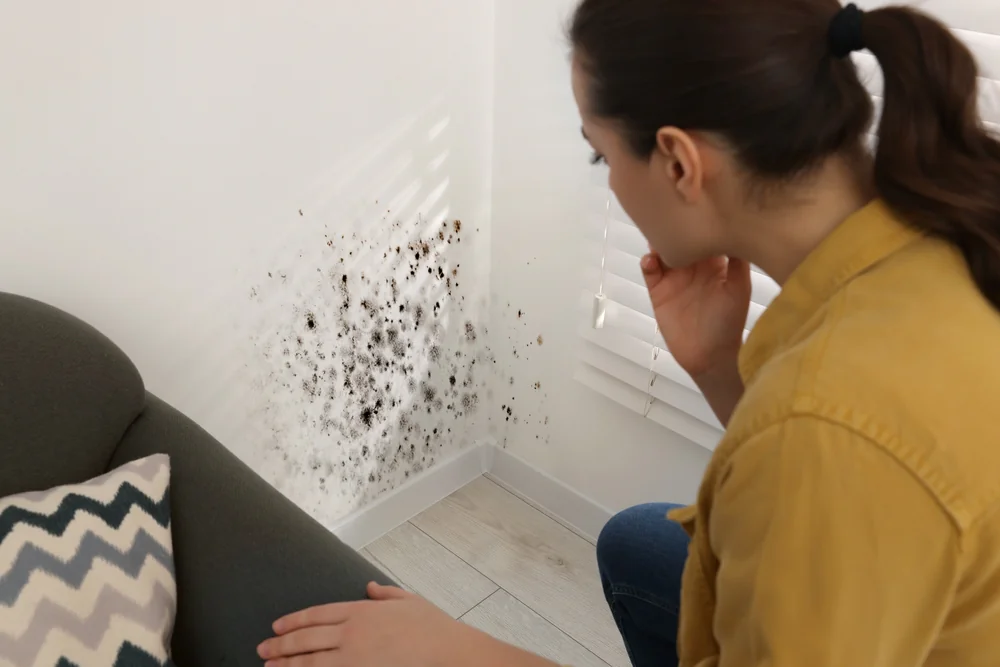
First, we inspect. That means a visual check of every corner where moisture could be hiding—under sinks, behind drywall, in less-visited areas like attics and crawl spaces. We identify the moisture source, assess the extent of contamination, and if needed, take samples for lab analysis to determine exactly what type of mold you’re dealing with.
Next, we contain it. Before removal starts, we isolate the affected area to prevent spores from spreading to clean parts of your home. Air filtration equipment runs continuously during this phase to capture airborne particles.
Then we remove contaminated materials. Drywall, insulation, flooring—whatever can’t be salvaged gets taken out safely. This isn’t cosmetic. IICRC standards require physical removal of all active mold growth, not just cleaning the surface.
After removal, we treat and clean. EPA-approved antimicrobial products are applied to affected surfaces. HEPA vacuums and air scrubbers handle the cleanup. Everything gets wiped down, sanitized, and prepped for rebuilding if necessary.
Finally, we verify. Post-remediation testing confirms the mold is gone and the space is safe. You get written documentation of what was done and clearance results. No guessing.
Ready to get started?
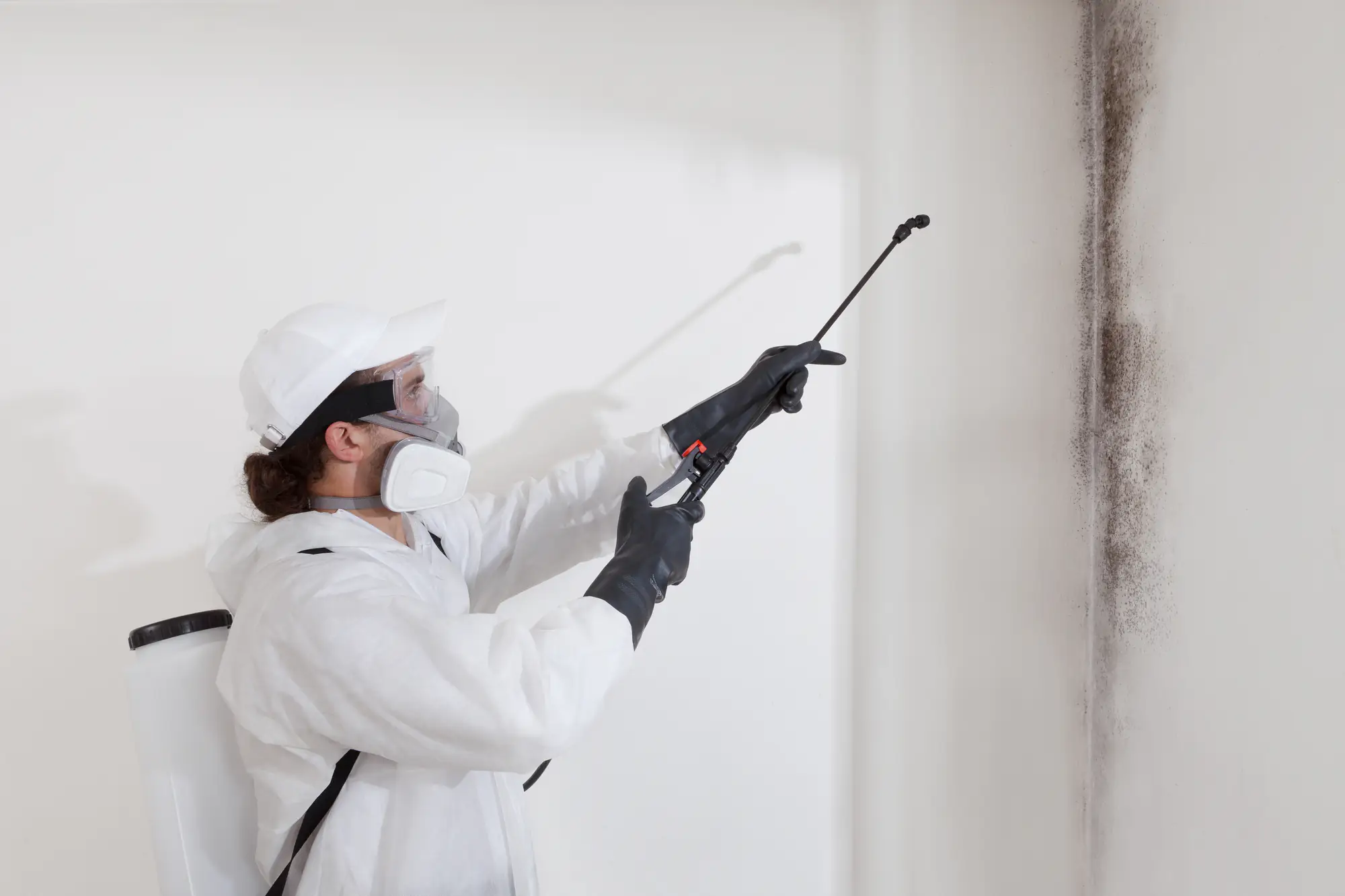
You’re getting more than someone showing up with a spray bottle. Professional mold mitigation services include detailed moisture mapping, containment setup with negative air pressure, removal of all contaminated materials, HEPA filtration during the entire process, antimicrobial treatment, and final air quality testing.
We handle all types of mold—black mold, white mold, orange mold, and other toxic varieties. Each requires specific techniques and equipment. Black mold mitigation, for example, involves extra precautions because of the mycotoxins it can produce. Attic mold mitigation often traces back to roof leaks or poor ventilation. Crawl space mold mitigation usually involves moisture from the ground or plumbing issues.
In Northampton and the Lehigh Valley, we see a lot of basement and crawl space contamination. The area’s limestone geology and older housing stock create conditions where water intrusion is common. Burst pipes during winter freezes, spring flooding, faulty sump pumps—these are the usual suspects.
We also work directly with your insurance company. Our team coordinates claims, provides documentation, and makes sure the process moves forward without you having to chase down paperwork or approvals. Most homeowner policies cover mold if it’s tied to a covered event like a burst pipe or storm damage.
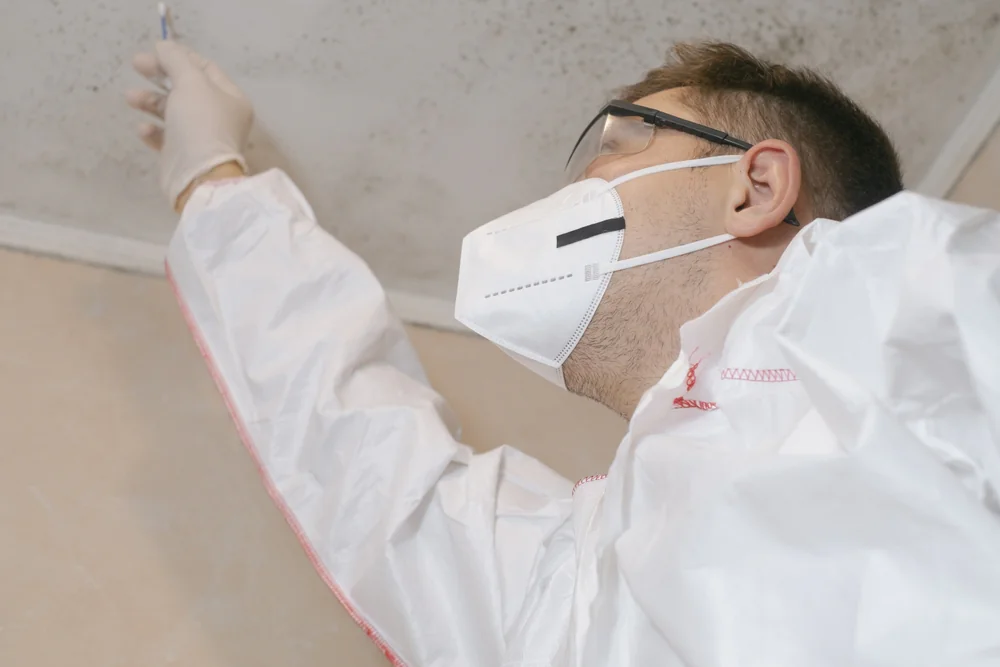
It depends on the size of the contaminated area and how far the mold has spread. A small bathroom with surface mold might take two to three days. A full basement or attic with extensive growth can take a week or more.
The timeline includes inspection, containment setup, removal, cleaning, treatment, drying, and final testing. Rushing any of those steps means the job isn’t done right. Mold that’s not fully removed will come back, and you’ll be paying for the same work twice.
We’ll give you a realistic timeline after the initial inspection. If something changes during the job—like discovering hidden contamination behind a wall—we’ll let you know immediately and explain what needs to happen next.
Most homeowner policies cover mold remediation if the contamination resulted from a covered peril—things like burst pipes, roof leaks from storm damage, or appliance malfunctions. They typically won’t cover mold from long-term neglect or maintenance issues like chronic humidity you didn’t address.
The key is documentation. Insurance companies want to see that the mold came from a sudden, accidental event, not something that’s been growing for months. Our team works with your insurance provider to submit the necessary reports, photos, and moisture readings.
We’ve handled hundreds of insurance claims in Bucks County. We know what adjusters look for, and we make sure everything is documented properly from day one. That doesn’t guarantee coverage, but it gives you the best chance of approval without back-and-forth delays.
Mold removal sounds like you’re getting rid of every single spore, but that’s not realistic. Mold spores exist everywhere—in the air, on surfaces, outdoors and indoors. You can’t eliminate them completely.
Mold mitigation means bringing contamination back to normal, safe levels. It’s about removing active growth, treating affected areas, fixing the moisture problem that caused it, and making sure it doesn’t return. That’s what actually solves the problem.
The IICRC uses the term “remediation,” which is the same concept. It’s a more accurate description of what’s happening. You’re remediating the contamination, not promising something impossible like a 100% mold-free environment. Any company claiming they can remove all mold from your home either doesn’t understand the science or isn’t being straight with you.
If it’s a very small area—less than 10 square feet, surface-level only, and you know exactly what caused the moisture—you might be able to handle it yourself with proper protective gear and EPA-registered cleaners. But most situations aren’t that simple.
Mold you can see is often just part of the problem. It grows behind walls, under flooring, in insulation, and other hidden areas. Without proper equipment like moisture meters and thermal imaging, you won’t know the full extent. Disturbing mold without containment also spreads spores throughout your home.
There’s also the health risk. Mold exposure during DIY cleanup can trigger respiratory issues, especially if you’re dealing with black mold or large amounts of any variety. IICRC-certified professionals have the training, equipment, and safety protocols to handle contamination without putting anyone at risk. For anything beyond a tiny, isolated spot, professional mold mitigation services are the smarter move.
You might not know until you look. Attics and crawl spaces are out of sight, so mold can grow for months before anyone notices. Common signs include musty odors that seem to come from nowhere, increased allergy symptoms, visible water stains on ceilings, or higher-than-normal humidity levels in your home.
Attic mold usually comes from roof leaks, poor ventilation, or condensation from temperature differences. Crawl space mold typically stems from ground moisture, plumbing leaks, or inadequate vapor barriers. Both areas are prone to contamination because they’re dark, often damp, and rarely checked.
If you’ve had recent water damage, a roof leak, plumbing issues, or you’re noticing any of those warning signs, it’s worth getting an inspection. We’ll check moisture levels, look for active growth, and let you know if mitigation is necessary. Catching it early in these hidden areas prevents it from spreading into your main living spaces.
If the moisture source wasn’t fixed, mold will return. Mitigation removes the contamination, but it doesn’t waterproof your home or fix structural issues. If you have a leaking pipe, poor drainage, high humidity, or ventilation problems, those need to be addressed separately.
That’s why part of our process is identifying what caused the mold in the first place. We’ll point out conditions like chronic moisture, condensation issues, or ventilation gaps that could trigger future outbreaks. Sometimes that means you need a plumber, a roofer, or a dehumidifier. We’ll let you know.
When mitigation is done correctly and the moisture problem is resolved, mold shouldn’t come back in that area. If it does, it’s either because the source wasn’t fully addressed or the remediation wasn’t thorough. That’s why working with an IICRC-certified company matters—you’re getting a process backed by industry standards, not guesswork.
Other Services we provide in Northampton