You walk into your basement and there it is again—that earthy, damp smell that lingers no matter how many times you’ve cleaned or aired out the space. Or maybe someone in your household has been coughing for weeks, but only when they’re home. Maybe you’re staring at a water stain on your ceiling from last month’s storm, wondering if it’s going to turn into something worse.
These aren’t just minor annoyances you can ignore. They’re warning signs. Mold doesn’t need to be visible to be a problem, and waiting to see if it gets worse usually means it already has. The good news is that knowing what to look for means you can act before a manageable situation turns into a health hazard or an expensive remediation project. Here are the four signs that should send you straight to the phone.
Sign #1: That Musty Smell Won’t Go Away
The “sniff test” is real, and it’s one of the most reliable early warning systems your home has. That musty, earthy odor you keep catching isn’t just unpleasant—it’s mold actively growing somewhere, releasing volatile organic compounds into your air.
This isn’t the same as regular household smells. It doesn’t fade after you clean. It gets stronger in humid weather or after it rains. Air fresheners and open windows might mask it temporarily, but it always comes back because the source is still there, hidden and growing.
If you’re consistently smelling it in specific areas—basements, bathrooms, laundry rooms, or anywhere that’s had moisture issues—that’s mold announcing its presence even when you can’t see it. The odor often means growth is tucked behind drywall, underneath flooring, or inside wall cavities where water has been sitting unnoticed for weeks or months.
Why Musty Odors Mean Mold Is Already Established
Here’s what catches most people off guard: by the time you smell mold, it’s not new. Mold doesn’t produce that distinctive odor in its first few hours or even days. It takes time for colonies to develop, spread, and start releasing enough compounds into the air for your nose to detect.
That means if you’re catching whiffs regularly, there’s more mold present than you think. And it’s likely not just sitting on a surface you can wipe down. Surface mold on tile or painted walls might stay relatively contained, but mold growing behind those surfaces—where moisture accumulates, air doesn’t circulate, and conditions stay damp—spreads fast without ever showing itself.
In Bucks County, PA, this scenario plays out constantly in basements. The region’s clay-heavy soil acts like a sponge, holding water against foundation walls long after storms pass. Humid summers push indoor humidity levels above 50%, creating perfect conditions for mold to thrive in dark, poorly ventilated spaces. Older homes with outdated drainage systems are especially vulnerable. Water seeps through hairline cracks in concrete, pools behind drywall or against insulation, and mold colonizes before you ever notice dampness on the surface.
The smell often intensifies after heavy rain or during humid stretches because increased moisture in the air helps mold release more spores and compounds. If you’ve noticed the odor gets worse in certain weather patterns, that’s a clear sign moisture and mold are working together somewhere in your structure.
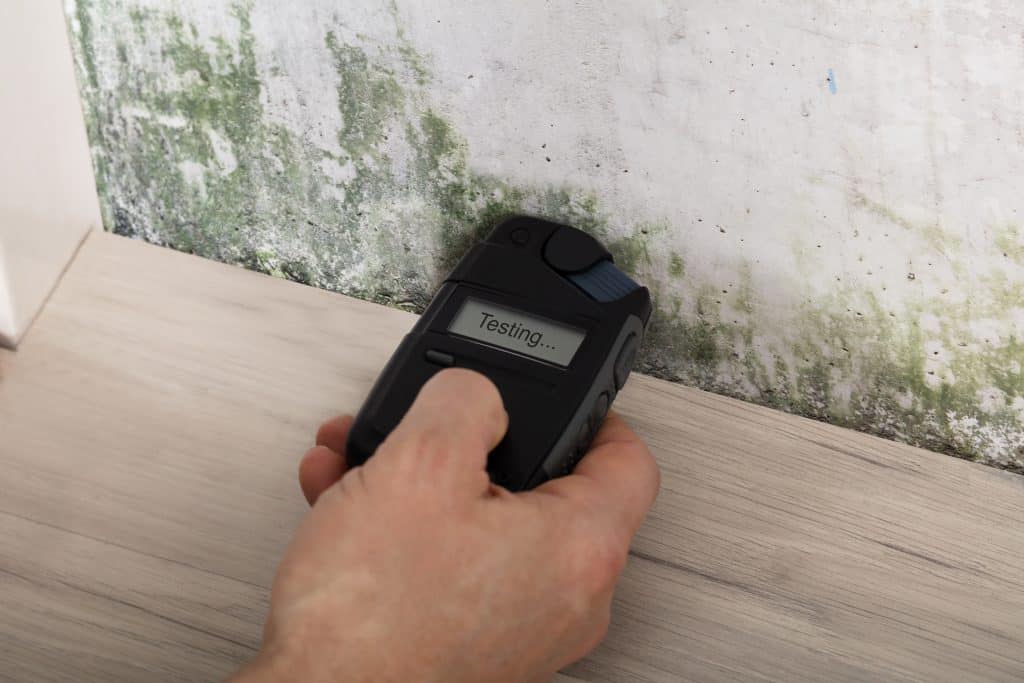
Professional mold inspections go beyond what your nose can tell you. We use moisture meters to detect hidden water in walls and floors, thermal imaging cameras to spot temperature differences that indicate moisture intrusion, and air quality testing to measure spore concentrations. That’s the level of detail you need to understand not just that you have mold, but where it is, how much is there, and what’s feeding it.
Ignoring a musty smell doesn’t make it disappear. It just gives mold more time to spread into new areas, affect more materials, and potentially impact your family’s health. The sniff test tells you something’s wrong. Professional mold testing tells you exactly what and where.
When The Odor Is Faint But Persistent
Sometimes the smell isn’t overpowering. It’s just there. Subtle. You might only catch it when you first walk into a room after being gone for a while, or when you open a closet door, or when you head down to the basement to grab something. That faintness doesn’t mean the problem is minor.
Faint odors often indicate mold in early growth stages, or mold that’s contained to a specific area but hasn’t had the chance to spread yet. Either way, it’s a warning. Mold doesn’t stay small or contained on its own. Given the right conditions—ongoing moisture, organic materials like wood or drywall to feed on, and temperatures between 40 and 100 degrees—it grows. And in Bucks County, where basements deal with hydrostatic pressure from groundwater and homes experience seasonal humidity swings, those conditions are more the norm than the exception.
Even if the smell comes and goes, that’s worth investigating. Mold doesn’t just vanish. If the odor fades temporarily, it usually means the immediate moisture source has dried up, but the mold itself remains dormant, waiting for the next round of humidity or water intrusion to reactivate. Seasonal patterns are common—smell it more in summer when humidity climbs, less in winter when indoor air is drier, then back again when spring rains return.
Professional mold removal starts with identifying the source of both the mold and the moisture feeding it. That could be a slow leak from plumbing hidden inside a wall. Poor ventilation in a bathroom that never fully dries out. Condensation from HVAC ducts in a humid crawl space. Groundwater seeping through foundation cracks during heavy rain. Whatever the cause, addressing the smell means addressing what’s allowing mold to survive, not just treating the symptom.
If you’ve been noticing an off smell and can’t figure out where it’s coming from, that’s exactly when professional help matters most. Mold inspections in Bucks County, PA frequently uncover growth in places homeowners never think to check: behind washing machines where slow drips have gone unnoticed, in crawl spaces with poor vapor barriers, inside wall cavities near bathroom plumbing, in attic insulation where roof leaks have been gradual and subtle. These aren’t areas you’re looking at every day, but they’re prime real estate for mold.
The faint smell is your early warning system. Acting on it early means dealing with a smaller problem, lower remediation costs, and less disruption to your home. Waiting until the smell becomes overwhelming usually means the mold has already spread to multiple areas and possibly started affecting air quality throughout your house.
Sign #2: Health Symptoms That Only Happen at Home
If you or someone in your household has been dealing with respiratory issues, allergy-like symptoms, or persistent coughing that mysteriously improves when you leave the house and returns when you come back, mold exposure is a likely culprit.
Mold releases microscopic spores into your indoor air. When you breathe them in, your immune system reacts. For some people, that reaction is mild and barely noticeable. For others—especially children, elderly family members, or anyone with asthma or pre-existing allergies—the response can be significant and ongoing. The telltale pattern is symptoms that improve away from home and worsen when you return.
This isn’t about overreacting to every sniffle. It’s about recognizing a clear pattern that points to something in your indoor environment actively affecting your health. Mold is one of the most common indoor air quality issues, and in Bucks County’s humid climate, it’s also one of the most persistent.
Common Health Symptoms Linked To Mold Exposure
Mold affects people differently based on their sensitivity, the type of mold present, and the concentration of spores in the air. But certain symptoms show up consistently across cases, and recognizing them can help you connect the dots between what you’re experiencing and what might be growing in your home.
Respiratory issues top the list. Coughing that won’t quit, wheezing, shortness of breath, and a feeling of tightness or discomfort in your chest are all common reactions to breathing in mold spores. If you have asthma, mold exposure can trigger attacks or make your existing symptoms noticeably worse. Research indicates that as many as 21% of asthma cases may be linked to mold exposure, and for people already dealing with the condition, indoor mold can be a constant trigger that makes management significantly harder.
Allergy-like symptoms are also widespread. Sneezing fits, runny or stuffy nose, itchy or watery eyes, sinus pressure, and congestion that doesn’t respond to typical allergy medications. About 10% of the population is severely allergic to mold, meaning even relatively low concentrations can cause serious reactions. For these individuals, living in a home with active mold growth isn’t just uncomfortable—it’s a daily health challenge.
Skin irritation shows up less often but is still significant. Rashes, itching, or redness can develop after direct contact with mold-contaminated materials or prolonged exposure to high spore concentrations in the air. This is especially common if you’re handling items stored in moldy basements or working in areas where mold is actively growing.
Fatigue and headaches are subtler but shouldn’t be dismissed. If you feel unusually tired when you’re home, or develop headaches that seem to ease when you’re at work or out running errands, that’s worth paying attention to. Mold doesn’t just irritate your respiratory system—it can affect your overall sense of well-being, energy levels, and ability to focus.
What makes mold symptoms tricky is that they overlap with so many other conditions. Seasonal allergies. A lingering cold. Dust sensitivity. Indoor air pollution from other sources. But if multiple people in your household are experiencing similar issues at the same time, or if your symptoms follow a clear pattern tied to being indoors—worse at night when you’re sleeping, better during the day when you’re at work, worse again on weekends when you’re home more—mold should absolutely be on your radar.
Children are especially vulnerable because their respiratory systems are still developing and they tend to spend more time on or near floors where settled mold spores accumulate. Elderly family members and anyone with compromised immune systems face higher risks as well. For these groups, even moderate mold exposure can lead to more severe health effects that require medical intervention.
In Bucks County, where older homes often have persistent basement moisture issues and newer construction sometimes lacks proper ventilation in bathrooms and laundry areas, indoor mold growth is a genuine concern. Homes built before modern waterproofing and moisture control standards became common often deal with ongoing dampness that creates ideal conditions for mold. Once it’s established, it doesn’t take much to keep it thriving—just continued moisture and poor air circulation.
Why Symptoms Improve When You’re Away From Home
The “feel better when I’m not home” pattern is one of the clearest indicators that something in your indoor environment is the problem. When you leave, you stop breathing contaminated air. Your body gets a break from constant exposure. Your immune system has a chance to calm down. Symptoms start to ease.
But the moment you walk back through your door, the exposure resumes. You’re breathing in spores again. Your immune system kicks back into reaction mode. The coughing returns. The sinus pressure builds. The headaches start. The fatigue sets in. It becomes a predictable cycle that repeats until the source is identified and removed.
This pattern is especially pronounced in homes where mold is growing inside HVAC systems or ductwork. Every time your heating or air conditioning kicks on, it pulls in air, circulates it through contaminated ducts, and pushes mold spores throughout every room in your house. You’re breathing them in constantly, even if you never see visible mold growth anywhere. The system designed to keep you comfortable is actually distributing the problem.
Air quality testing can confirm whether elevated spore levels are present in your home’s air and identify which types of mold are contributing to the issue. This testing compares indoor spore concentrations to outdoor baseline levels. Some mold spores are always present—they’re part of the natural environment. But when indoor levels significantly exceed outdoor levels, or when specific toxic mold species show up that aren’t common outdoors, that’s a clear sign you have an indoor growth problem.
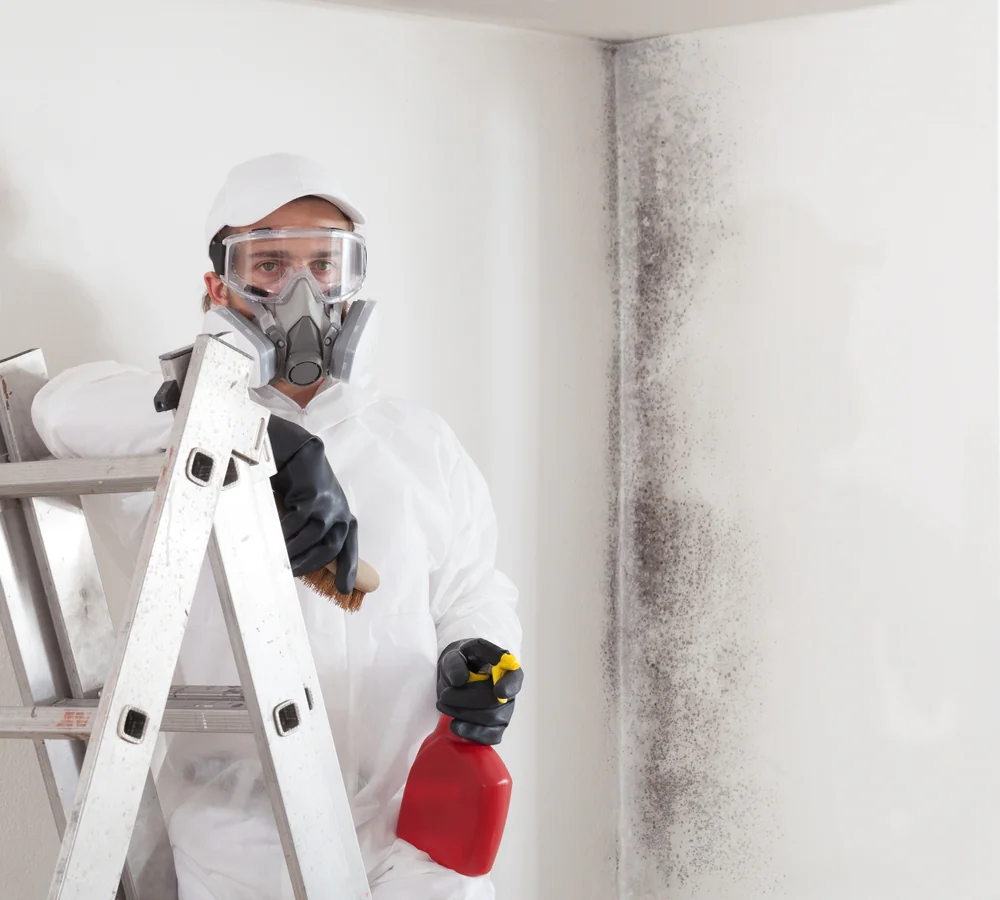
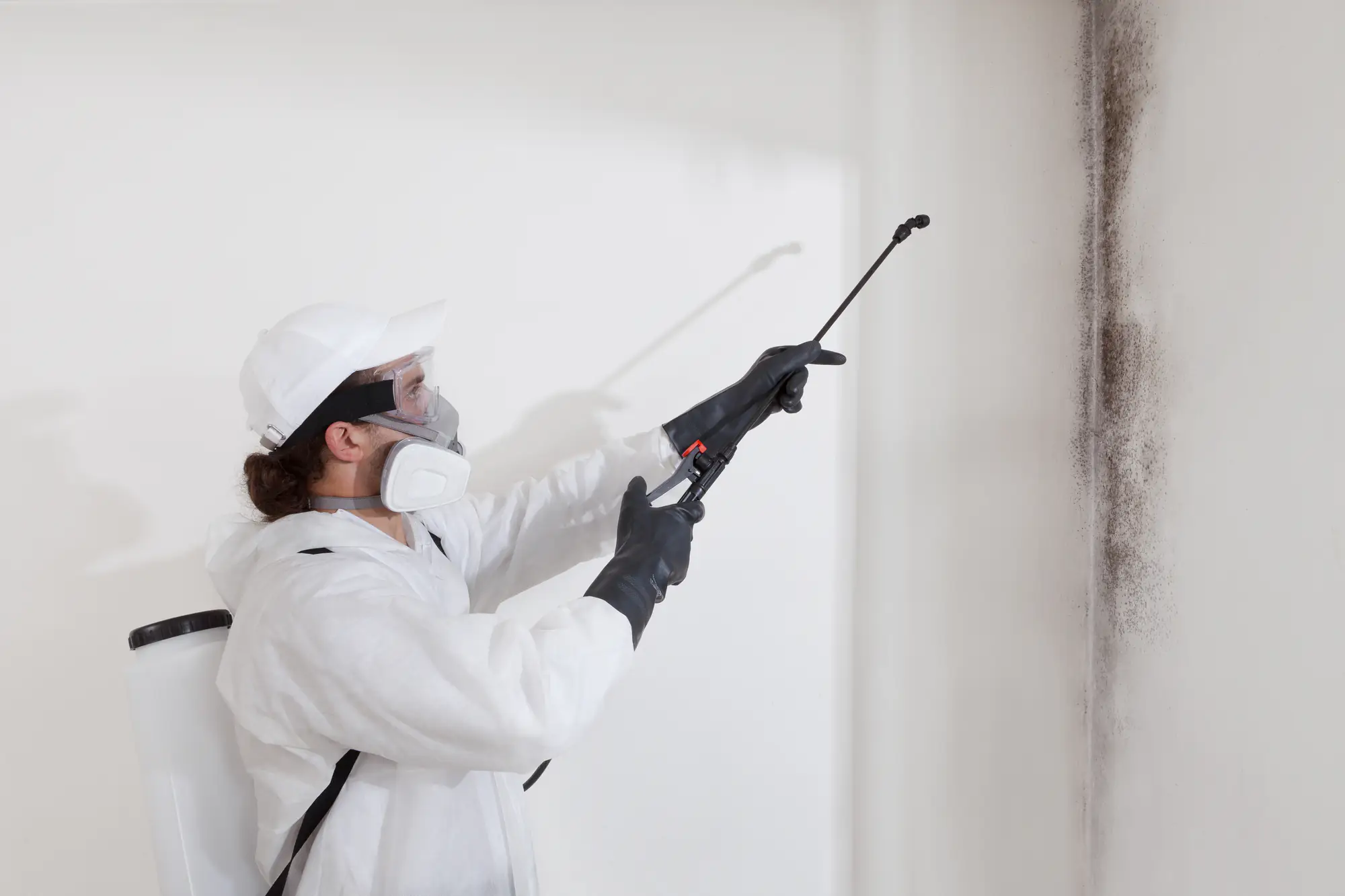
We address both the visible growth and the air quality issue during professional mold remediation. That means setting up containment barriers during removal to prevent spores from spreading to unaffected areas, using HEPA filtration equipment to capture airborne particles, treating surfaces with antimicrobial solutions to kill remaining spores, and conducting post-remediation air testing to confirm that spore levels have returned to acceptable ranges. It’s a comprehensive process because partial removal doesn’t solve the health problem—it just temporarily reduces it.
If your family’s health has been suffering and doctors haven’t been able to pinpoint a cause, or if medications aren’t providing the relief they should, it’s worth having a professional mold inspection. The cost of testing is minimal compared to ongoing medical bills, lost productivity from sick days, or the potential long-term health effects of prolonged mold exposure. And if mold is found and removed, many families see immediate improvements in how everyone feels at home.
Mold isn’t something you can just tolerate and hope your body adjusts to. It doesn’t work that way. The exposure continues, the immune response continues, and the health effects either persist or worsen over time. Recognizing the symptoms and taking action to address the source is how you protect your family’s health and restore your home to a safe, comfortable environment.
Don’t Wait Until the Problem Is Obvious—Act on the Warning Signs
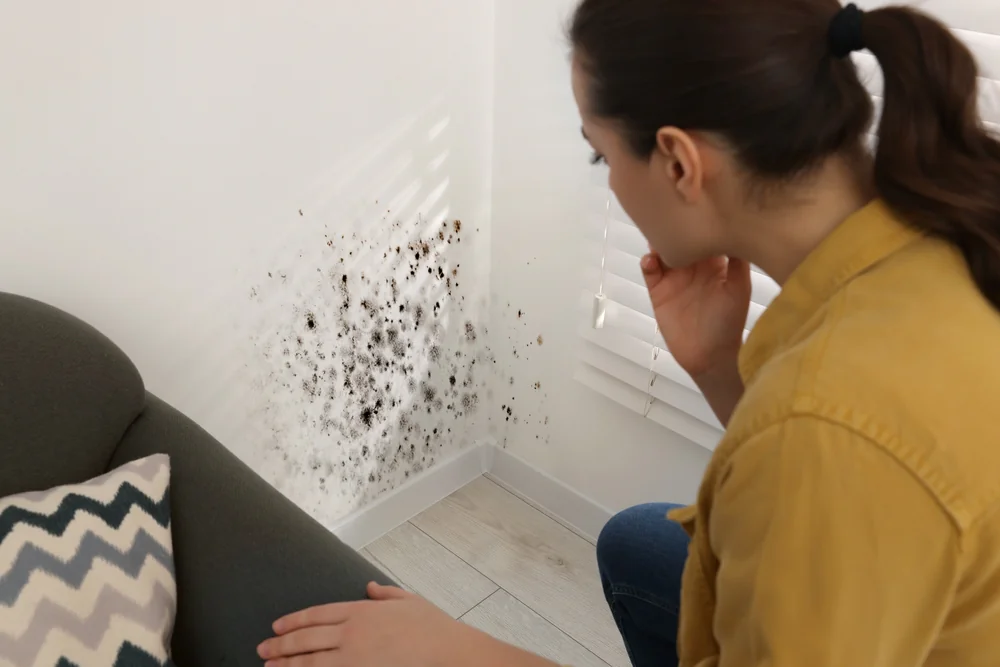
You don’t need to see black mold covering your bathroom walls to have a serious problem. The persistent musty smell, the health symptoms that follow you around your own home, the visible growth starting to appear in damp corners, the water damage that hasn’t fully dried—these are all signs that mold is present, growing, and affecting your property and health right now.
Waiting doesn’t make mold better. It gives it more time to spread into new materials, more opportunity to release spores into your air, and more chance to cause structural damage that tanks your property value. Research shows untreated mold can reduce home values by 20-37%, and up to half of potential buyers walk away once they learn a property has had mold issues.
Professional mold removal tackles the problem at its source. That means identifying where mold is growing, testing to determine what types are present, eliminating both the visible growth and the moisture conditions that allowed it to develop, and confirming through post-remediation testing that your home is actually mold-free. It’s not about quick fixes or cosmetic cover-ups. It’s about doing the work correctly so the problem doesn’t return.
If you’re dealing with any of the warning signs covered here, it’s time to stop wondering and start acting. We offer free inspections for Bucks County, PA homeowners, use EPA-approved methods that comply with all Pennsylvania regulations, and understand the specific moisture and mold challenges this region’s climate creates. Getting it handled now protects your health, preserves your home’s value, and gives you back the peace of mind that comes with knowing your indoor environment is safe.