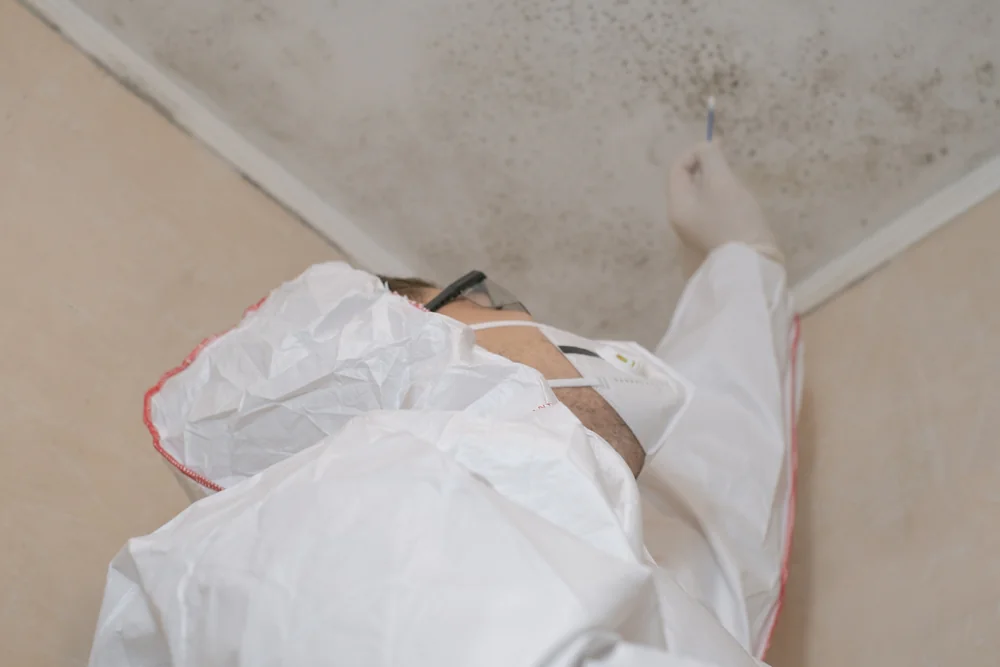
You found mold. Maybe it’s a dark patch in the basement corner, maybe it’s that musty smell that won’t go away, or maybe your home inspector just delivered news you weren’t expecting. Either way, you’re probably wondering what happens next and whether you can trust whoever shows up to fix it.
Here’s what matters: mold removal isn’t about scrubbing visible spots with bleach and calling it done. Real remediation addresses the moisture source, contains the spread, removes contaminated materials safely, and prevents recurrence. In Pennsylvania, where no state licensing exists for mold contractors, understanding the proper process protects you from companies that don’t know what they’re doing—or worse, those who do but cut corners anyway.
This guide breaks down exactly what professional mold removal looks like, why each step matters, and what you should expect from start to finish.
Understanding the Professional Mold Removal Process
Professional mold removal follows a specific sequence designed to eliminate existing growth while preventing spores from spreading to clean areas. The process starts with identifying all affected areas, including hidden growth behind walls or under flooring that you can’t see.
Containment comes next. We seal off the work area with plastic sheeting and use negative air pressure to prevent spores from traveling through your home during removal. This step separates proper remediation from surface cleaning.
The actual removal involves more than wiping surfaces. Porous materials like drywall, insulation, and carpeting often can’t be cleaned and must be removed entirely. Non-porous surfaces get cleaned with specialized antimicrobials, not just household cleaners. Throughout the process, HEPA filtration equipment scrubs the air to capture airborne spores.
Cleaning Black Mold vs. Other Mold Types
Black mold gets attention, but the removal process doesn’t fundamentally change based on mold color. What matters is the extent of growth, the materials affected, and whether the mold is producing mycotoxins.
Stachybotrys chartarum—what most people call toxic black mold—does require additional precautions. We use full-face respirators instead of basic N95 masks, enhanced containment barriers, and often bring in third-party testing for clearance verification. The cleanup is more intensive, and disposal protocols are stricter.
That said, any mold deserves proper removal. Penicillium growing on basement drywall or Cladosporium spreading through your HVAC system both require containment, proper removal, and moisture correction. The color tells you less than the location and extent of growth.
In Bucks County, PA, basement and crawl space mold tends to be the biggest issue due to groundwater and humidity. The humid summers create perfect conditions in poorly ventilated spaces, and older homes often lack the moisture barriers that prevent problems in newer construction. Whether you’re dealing with black patches or green fuzz, the approach stays consistent: contain it, remove it, fix the moisture source, and verify it’s gone.
The real difference isn’t mold type—it’s whether the company doing the work understands proper containment and follows through on finding the moisture source. Without addressing what caused the mold, you’re just buying time until it comes back.
Contractors for Mold Removal: What to Look For
Pennsylvania doesn’t require mold remediation licenses. That creates a problem: anyone with a truck and some cleaning supplies can claim they remove mold. Some do it right. Many don’t.
Look for voluntary certifications from organizations like the Institute of Inspection, Cleaning and Restoration Certification (IICRC). These aren’t required by law, but they indicate training in proper procedures. Ask about their containment methods, air filtration equipment, and whether they identify moisture sources or just clean visible mold.
Insurance matters too. Legitimate mold removal contractors carry both liability and workers’ compensation coverage. If someone gets hurt on your property or damages your home during removal, you need to know you’re protected. Ask for proof of insurance before anyone starts work.
References tell you what certifications can’t. Talk to past clients about whether the mold came back, how the company communicated during the process, and whether the final cost matched the estimate. In a market without licensing requirements, your due diligence replaces regulatory oversight.
The best contractors explain their process before starting, provide written estimates that detail what’s included, and don’t pressure you into immediate decisions. They should be willing to answer questions about their methods, their experience with your specific type of problem, and what happens if they find additional mold during removal.
Bucks County’s humid climate means mold problems are common, which unfortunately means you’ll find plenty of local mold removal companies offering services. The question isn’t whether someone will show up—it’s whether they’ll do it right. Take time to vet contractors the way you would any major home repair. The difference between proper remediation and a quick cleanup job often doesn’t show up until months later when the mold returns.
Black Mold Clean Up: Safety and Containment
Black mold cleanup requires stricter safety protocols than standard mold removal. The potential for mycotoxin exposure means we take extra precautions to protect ourselves and prevent contamination of unaffected areas.
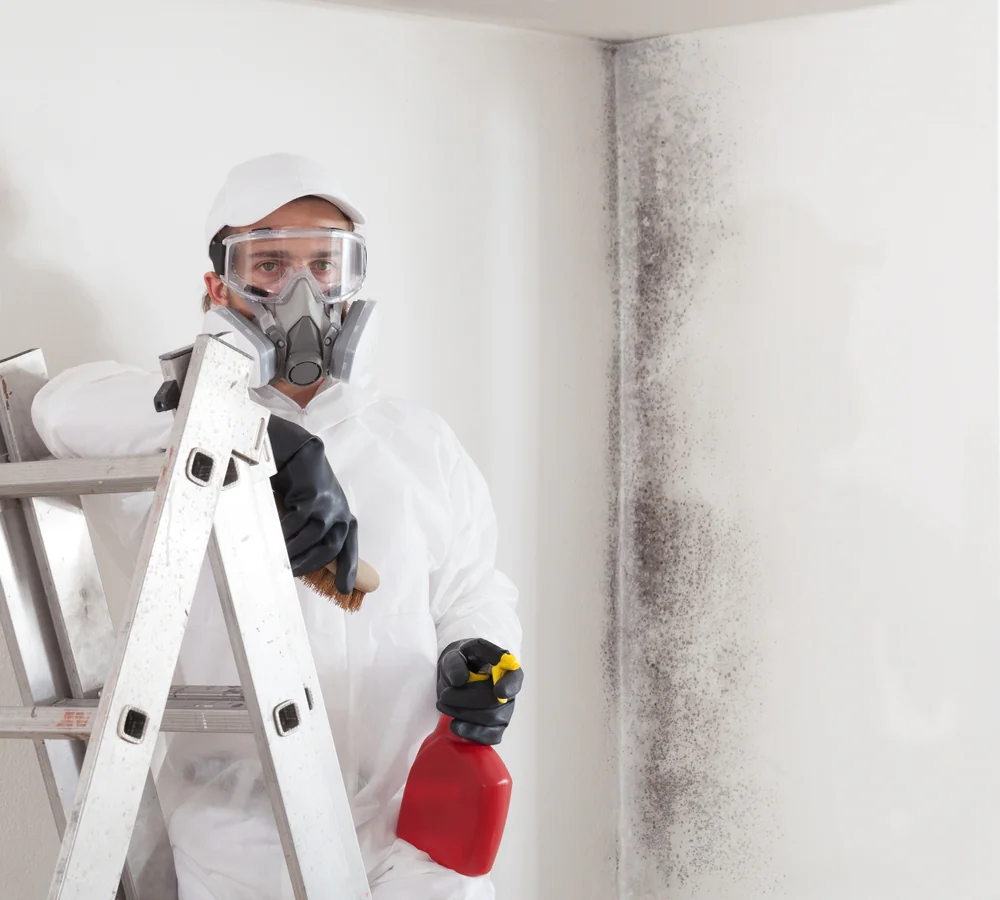
Full containment is non-negotiable for black mold. This means sealed barriers, negative air pressure, and continuous HEPA filtration. Workers wear protective suits, full-face respirators, and gloves. Everything that can’t be cleaned gets double-bagged before removal from the work area.
The goal isn’t just removing visible mold—it’s reducing spore counts to safe levels and preventing any spread during the process. That’s why proper black mold cleanup takes longer and costs more than surface cleaning.
Mold Removal and Remediation Services: What’s Included
Complete mold removal and remediation services cover more than just the cleanup. They include inspection to identify all affected areas, testing to determine mold types and spore counts, containment to prevent spread, physical removal of contaminated materials, cleaning and treatment of salvageable surfaces, disposal of removed materials, and verification that the work was successful.
Not every company includes all these steps. Some offer removal only, leaving you to arrange testing, disposal, or verification separately. Others provide comprehensive packages that handle everything from initial assessment through post-remediation clearance.
Ask what’s included before hiring anyone. If testing isn’t part of the package, you’ll need to arrange it separately—and you should, because knowing what type of mold you’re dealing with informs the removal approach. If disposal isn’t included, you’ll need to handle getting contaminated materials to an appropriate facility.
Verification matters more than most people realize. It’s the only way to confirm that removal was successful and spore counts have returned to acceptable levels. Without it, you’re trusting that the work was done right with no objective measure of success.
In Bucks County, PA, where mold problems often stem from complex moisture issues, comprehensive mold removal and remediation services that address root causes provide better value than cheap removal that ignores why mold was growing in the first place.
The cost difference between basic removal and full-service remediation might seem significant upfront. But when you factor in the cost of repeated removals because the problem wasn’t fixed properly, comprehensive service costs less in the long run.
Mold Removal Company Selection: Red Flags to Avoid
Choosing a mold removal company requires more than comparing prices. Watch for red flags that indicate a company might not deliver quality work.
Pressure tactics are a major warning sign. Companies that push for immediate decisions, claim you need emergency service when you don’t, or use fear to drive sales often don’t have your best interests in mind. Legitimate companies give you time to make informed decisions.
Vague estimates that don’t break down costs or specify scope of work make it impossible to compare options or know what you’re paying for. Detailed estimates protect both you and the contractor by documenting expectations.
Unwillingness to provide references, proof of insurance, or information about their process suggests they’re hiding something. Reputable companies readily share this information because they’re proud of their work and want you to feel confident in your choice.
Promises that sound too good to be true usually are. If one estimate is dramatically lower than others, ask why. They might be cutting corners on containment, skipping necessary steps, or planning to add charges later. The cheapest option rarely delivers the best value in mold remediation.
Companies that can’t explain their moisture identification process don’t understand mold removal fundamentals. If they’re not talking about finding and fixing moisture sources, they’re just cleaning visible mold—which will come back.
In Pennsylvania’s unregulated market, these red flags matter more because you don’t have licensing requirements to filter out unqualified companies. Your judgment becomes the primary quality control mechanism.
Mold Clean Up Cost: Understanding the Investment
Mold clean up cost varies widely based on the size of the affected area, location accessibility, and how much material needs replacement. Small bathroom jobs might run $500 to $1,500. Basement remediation typically falls between $1,500 and $6,000. Whole-house projects can reach $10,000 to $30,000.
Square footage drives most estimates. Professionals typically charge $10 to $25 per square foot for standard work, with prices increasing when mold is behind walls or in tight spaces like crawl spaces. The harder it is to access, the more labor it requires.
Material replacement adds to the cost to remove mold from home. If mold has penetrated drywall, insulation, or carpeting, those materials get removed and disposed of. Replacement isn’t always included in remediation quotes, so clarify whether your estimate covers removal only or includes rebuilding.
Mold Removal Price: Breaking Down the Numbers
A complete mold removal price estimate should break down several components: inspection and testing, containment setup, removal and cleaning, material disposal, and post-remediation verification. Each piece serves a purpose.
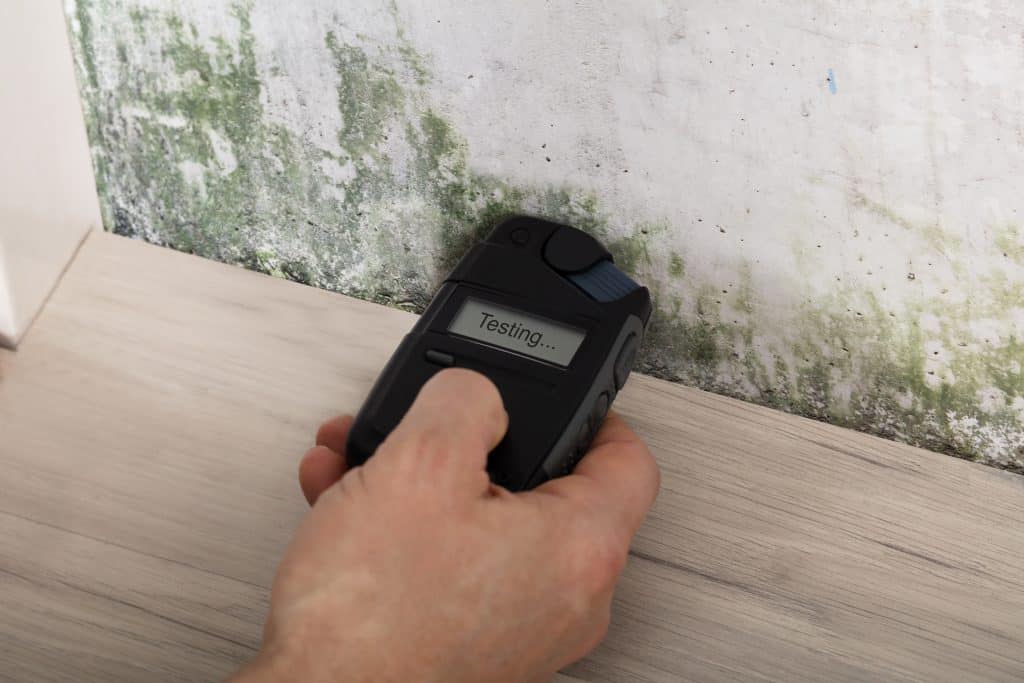
Inspection identifies the full extent of the problem. Thermal imaging and moisture meters find mold you can’t see, which prevents surprises mid-project. Testing determines mold types and spore counts, though it’s not always necessary if visible growth is obvious.
Containment protects unaffected areas. This includes plastic barriers, negative air machines, and air filtration equipment. Skipping containment saves money upfront but risks spreading spores throughout your home.
The actual removal involves both physical removal of contaminated materials and cleaning of salvageable surfaces. Disposal costs vary based on the amount of material removed and local dump fees. Some contractors include this, others charge separately.
Post-remediation verification—clearance testing—confirms the work was successful. A third-party inspector checks for remaining growth and tests air quality to verify spore counts have returned to normal levels. This step isn’t always required, but it provides documentation that the job was completed properly.
Labor makes up a significant portion of total cost. Mold remediation requires trained technicians wearing protective equipment, working in contained spaces, and following specific protocols. You’re paying for expertise, not just time.
In Bucks County, PA, basement and crawl space jobs often cost more than the national average because moisture sources can be complex. Groundwater issues, foundation seepage, and poor drainage require additional work beyond just removing mold. Getting the source fixed prevents recurrence but adds to the initial investment.
Shower Mold Removal and Prevention
Shower mold removal addresses one of the most common household mold problems. High humidity from daily showers, limited ventilation, and porous grout create perfect conditions for mold growth. Most shower mold is surface growth that’s relatively easy to address, but it can spread into walls and subfloors if water damage goes unnoticed.
Surface mold on tile, grout, or caulk can often be cleaned with proper techniques and products. The challenge is determining whether visible mold is the whole problem or just what you can see. Water leaking behind shower walls can create extensive hidden growth.
Professional shower and bathroom mold services typically cost $500 to $2,000 depending on extent. Small surface issues fall on the low end. If mold has spread behind walls or affected subflooring, costs increase as materials need replacement.
Bathroom Mold: When Professional Help Is Needed
You can handle small surface bathroom mold yourself if it’s less than 10 square feet and limited to non-porous surfaces. Scrub with detergent and water, ensure proper ventilation, and address the moisture source.
Professional help becomes necessary when mold extends beyond surface areas, affects porous materials like drywall, or keeps returning despite cleaning. If you’re seeing mold in multiple bathroom locations or detecting musty odors you can’t locate, the problem is bigger than surface growth.
Water damage behind walls is common in bathrooms, especially around showers and tubs. Leaking fixtures, failed caulk, or damaged waterproofing can allow water to seep into wall cavities. By the time you see mold on the surface, significant growth may exist behind it.
We use moisture meters to detect hidden water and thermal imaging to identify temperature differences that indicate moisture problems. We can determine whether mold is limited to visible areas or has spread into wall cavities, under flooring, or into adjacent rooms.
Bathroom mold often results from ventilation problems. If your bathroom fan doesn’t vent outside, isn’t powerful enough for the room size, or isn’t used consistently, humidity builds up. Even with proper ventilation, Bucks County’s humid summers can push indoor humidity above 60 percent, creating conditions where mold thrives.
Fixing bathroom mold permanently requires addressing both the growth and the cause. That might mean repairing leaks, improving ventilation, replacing damaged materials, or all three. Professional bathroom mold removal service should identify why mold is growing, not just remove what’s visible.
Black Mold in Shower: Identifying and Addressing Toxic Growth
Black mold in shower areas deserves special attention because the confined, humid environment allows rapid spread, and daily use means constant exposure for anyone bathing. While not all black mold is the toxic Stachybotrys chartarum variety, any persistent black growth in showers indicates a moisture problem that needs fixing.
The challenge with shower mold is distinguishing between surface growth on caulk and grout versus deeper penetration into wall cavities. Surface mold you can see and scrub away. Hidden mold behind tiles or in wall cavities requires professional assessment and potentially significant repair.
Signs that shower mold has spread beyond surfaces include: tiles that feel loose or hollow when tapped, grout that’s crumbling or missing, water stains on ceilings or walls in rooms below or adjacent to the shower, and persistent musty odors even after cleaning visible mold.
Carpet Mold Removal: When to Clean vs. Replace
Carpet mold removal presents a difficult decision: attempt cleaning or replace the carpet entirely. The answer depends on the extent of contamination, how long the mold has been growing, and what caused the moisture problem.
Surface mold on carpet from a recent small spill might be cleanable if addressed within 48 hours. Deep cleaning with proper equipment and antimicrobials can sometimes salvage carpet if mold hasn’t penetrated the backing or padding.
But if mold has been growing for weeks, has penetrated carpet backing and padding, or resulted from sewage or contaminated water, replacement is the only safe option. Porous materials like carpet absorb mold spores deeply, making complete removal through cleaning nearly impossible.
Carpet padding almost always needs replacement when mold is present. It’s highly porous, holds moisture, and provides ideal conditions for mold growth. Even if the carpet itself might be salvageable, keeping moldy padding defeats the purpose.
Cost comparison often favors replacement over cleaning for moldy carpet. Professional carpet cleaning costs $0.20 to $0.40 per square foot, but there’s no guarantee it will successfully remove all mold. New carpet installation costs $2 to $8 per square foot including removal of old carpet—more expensive upfront, but it eliminates uncertainty about whether mold was fully removed.
In Bucks County, PA, basement carpet is particularly prone to mold due to moisture issues common in the area. If you’re dealing with basement carpet mold, seriously consider whether carpet is appropriate for that space at all. Area rugs on sealed concrete might serve you better long-term than wall-to-wall carpeting that will likely develop mold again.
Basement Mold Removal: Addressing Below-Grade Challenges
Basement mold removal in Bucks County, PA presents unique challenges due to below-grade construction, groundwater issues, and the area’s clay soil that retains moisture. Basements are naturally cooler and more humid than upper floors, and many older homes have foundation issues that allow moisture intrusion.
Basement remediation typically costs $1,500 to $6,000 for partial basement issues, or $6,000 to $15,000 if the entire basement requires treatment. Costs vary based on whether mold is on surface areas or has penetrated walls, insulation, and flooring.
The challenge with basements is that visible mold often indicates larger moisture problems. Fixing the mold without addressing foundation seepage, poor drainage, or humidity issues means you’ll be removing mold again in a year or two.
Basement Mold Cleaning Services: Comprehensive Solutions
Professional basement mold cleaning services start with identifying moisture sources. Is water entering through foundation cracks? Is condensation forming on cool surfaces? Is groundwater seeping through the floor? The answer determines what needs fixing beyond mold removal.
Containment in basements is critical because mold spores can easily travel upstairs through HVAC systems, stairwells, and door gaps. We seal off the basement, establish negative air pressure, and filter air continuously during removal to prevent contamination of living spaces.
Material removal depends on what’s affected. Finished basements with moldy drywall, insulation, or carpeting require more extensive work than unfinished basements with mold on concrete or exposed joists. Porous materials that have absorbed moisture can’t be cleaned—they need replacement.
After removal, addressing the moisture source becomes priority. That might involve exterior drainage improvements, foundation crack repair, interior waterproofing, or dehumidification. Without moisture control, mold returns regardless of how thoroughly it was removed.
Bucks County’s clay soil and high groundwater tables create specific challenges. Many homes experience seasonal water intrusion during heavy rain periods or spring thaw. Solutions often require multiple approaches: improving gutters and downspouts, regrading soil away from the foundation, installing sump pumps, or applying waterproof coatings.
Humidity control matters even in basements without active water intrusion. Concrete wicks moisture from soil, creating dampness even without visible leaks. Running a dehumidifier year-round in Bucks County basements helps maintain humidity below 60 percent, the threshold where mold growth accelerates.
Prevention is cheaper than remediation. Once you’ve removed basement mold and fixed moisture sources, maintaining dry conditions prevents recurrence. That means monitoring humidity, addressing leaks immediately, ensuring proper ventilation, and staying on top of maintenance issues before they create mold problems.
Mold in Crawl Space Removal: Tackling Hidden Growth
Mold in crawl space removal requires different approaches than basements or living spaces. The confined area makes work difficult, and moisture sources are often more complex. Ground moisture, plumbing leaks, HVAC condensation, and inadequate ventilation all contribute to crawl space humidity.
Crawl spaces are often the most neglected part of a home, which makes them prime locations for mold growth. Poor ventilation, ground moisture, and limited access create conditions where mold thrives unnoticed until it becomes severe.
Most crawl space remediation involves removing contaminated insulation, cleaning structural wood, and installing moisture barriers. The goal is creating a dry environment where mold can’t survive, not just removing existing growth.
Crawl Space Mold Removal Cost: Investment in Prevention
Crawl space mold removal cost typically runs $1,500 to $4,000, though extensive problems can exceed that range. The confined space requires specialized equipment and makes work slower. Technicians can’t move freely, and getting materials in and out takes more time.
Moisture control in crawl spaces often requires more than fixing a single leak. Many Bucks County homes deal with ground moisture seeping through dirt floors or inadequate ventilation creating condensation. Solutions might include vapor barriers, encapsulation, or dehumidification systems—all of which add to the total project cost.
Encapsulation, where the entire crawl space gets sealed with heavy plastic sheeting, typically costs $3 to $10 per square foot on top of mold removal. It’s not always necessary, but in areas with persistent moisture issues, it prevents future problems more effectively than removal alone.
The return on investment comes from avoiding repeat remediation. Crawl space mold that isn’t properly addressed tends to return, often worse than before. Spending more upfront to fix the moisture source and create a dry environment costs less than removing mold every few years.
Insurance coverage for crawl space mold varies. If the mold resulted from a sudden event like a burst pipe, you might have coverage. If it developed gradually from humidity or poor drainage, probably not. Check your policy before assuming insurance will cover the work, and get documentation from your contractor to support any claims.
AC Mold Removal: Protecting Your HVAC System
AC mold removal addresses contamination in air conditioning systems that can spread spores throughout your entire home. HVAC systems create condensation, and ductwork provides dark, sometimes damp pathways where mold can grow and disperse spores to every room.
Air conditioning mold typically costs $2,000 to $10,000 to remediate depending on system type and contamination extent. The high cost reflects the specialized work required to clean system internals, not just ductwork.
Mold in HVAC systems often results from condensation issues, poor maintenance, or moisture intrusion. Once established, it’s difficult to eliminate without professional intervention because spores get distributed through the air every time the system runs.
Mold Air Duct Cleaning: Beyond Standard Service
Mold air duct cleaning requires specific expertise that standard duct cleaning companies don’t always have. The best companies understand both mold remediation and HVAC systems, allowing them to clean effectively without damaging equipment.
Full system cleaning differs from duct cleaning. It involves removing system internals—coils, blower assemblies, drain pans—for proper cleaning before reinstallation. Many states require licensed HVAC technicians to perform this work, though Pennsylvania’s lack of specific regulations creates gray areas.
The process includes inspecting the entire system for contamination, cleaning or replacing contaminated components, sanitizing all surfaces, addressing moisture sources that allowed mold growth, and verifying the system is clean before returning it to service.
Duct cleaning alone doesn’t solve HVAC mold problems if the source is in the air handler or coils. Spores from contaminated equipment recontaminate cleaned ducts as soon as the system runs. Comprehensive cleaning addresses the entire system.
Prevention matters as much as removal. Regular filter changes, annual maintenance, promptly addressing condensation issues, and ensuring proper drainage from drain pans all help prevent HVAC mold. In Bucks County’s humid climate, running your AC in dehumidification mode during humid periods helps control indoor moisture that contributes to mold growth.
If you’re smelling musty odors when your AC runs or noticing mold around supply vents, your HVAC system likely has contamination. Don’t ignore it—every time the system operates, it’s distributing spores throughout your home.
Proper Mold Removal: Industry Standards and Best Practices
Proper mold removal follows established protocols designed to protect both workers and occupants. These standards come from organizations like the EPA, IICRC, and CDC, providing guidelines that professional companies should follow even in states without licensing requirements.
Containment prevents cross-contamination. Physical barriers seal the work area, and negative air pressure ensures air flows into the contained space, not out. HEPA filtration captures airborne spores before air is exhausted outside or recirculated.
Personal protective equipment protects workers from exposure. At minimum, this includes N95 respirators, gloves, and eye protection. More extensive jobs or toxic mold require full-face respirators, protective suits, and sometimes even supplied-air systems.
Mold Exterminator vs. Remediation Specialist: Understanding the Difference
The term “mold exterminator” is misleading. You can’t exterminate mold the way you exterminate insects. Mold spores exist everywhere—the goal is removing growth and creating conditions where new growth can’t occur.
Remediation is the correct term for professional mold removal. It acknowledges that complete elimination isn’t possible or necessary. The objective is reducing contamination to safe levels and preventing recurrence through moisture control.
Companies calling themselves exterminators aren’t necessarily wrong, but the terminology suggests a misunderstanding of what mold removal actually involves. Ask about their process. If they talk about killing mold with chemicals without mentioning moisture control or material removal, they’re missing the point.
Proper remediation addresses three things: removing existing growth, cleaning affected areas to reduce spore counts, and correcting moisture problems that allowed growth. Chemicals play a role, but they’re not the solution—they’re one tool in a larger process.
In Pennsylvania’s unregulated market, terminology matters less than understanding what the company actually does. Focus on their containment methods, approach to moisture identification, and whether they provide verification that the work was successful.
Residential Mold Removal: Home-Specific Considerations
Residential mold removal differs from commercial work in scale, disruption, and occupant concerns. You’re living in the space being remediated, which creates challenges that don’t exist in commercial settings.
Occupancy during remediation depends on contamination extent. Small, contained projects in single rooms often allow you to stay home. Whole-house remediation or significant basement work might require temporary relocation, especially if you have respiratory sensitivities or young children.
Disruption is inevitable. Containment barriers block off areas, equipment runs continuously, and workers need access throughout the day. Plan for noise, limited access to affected areas, and potential impacts on HVAC use if ductwork is involved.
Bathroom Mold Removal Service: Specialized Approach
Bathroom mold removal service addresses the unique challenges of high-humidity spaces with limited ventilation. Bathrooms experience more moisture exposure than any other room, making them prime locations for recurring mold problems.
Professional bathroom service goes beyond cleaning visible mold. It includes identifying whether moisture comes from shower leaks, inadequate ventilation, plumbing issues, or humidity condensation. Each source requires different solutions.
Shower and tub surrounds need special attention. Mold often grows behind tiles where water has penetrated failed grout or caulk. We check for tile movement, hollow sounds when tapped, and water stains that indicate hidden damage.
Ventilation assessment is critical. Your bathroom fan should move at least 50 cubic feet per minute (CFM) for small bathrooms, more for larger spaces. If the fan doesn’t vent outside or isn’t powerful enough, humidity will continue creating mold problems regardless of how often you clean.
In Bucks County’s humid climate, even properly ventilated bathrooms can struggle during summer months when outdoor humidity is high. Running exhaust fans during and after showers, using squeegees to remove water from shower walls, and leaving doors open when possible all help manage moisture.
The best bathroom mold removal service provides both remediation and recommendations for preventing recurrence. That might include upgrading ventilation, improving waterproofing, or adjusting habits that contribute to excess moisture.
Black Mold Specialist: When Expertise Matters Most
Black mold specialists focus on toxic mold removal, though as mentioned earlier, the color matters less than proper process. If testing confirms Stachybotrys chartarum or other mycotoxin-producing molds, enhanced precautions are warranted.
These specialists use more stringent containment, higher-level personal protection, and often require third-party clearance testing before declaring the job complete. The additional precautions increase costs but provide extra safety margins when dealing with potentially toxic mold.
You don’t necessarily need a specialist for all black mold situations. Small areas of black mold on shower caulk don’t require the same response as extensive black mold growth in wall cavities. The key is proper assessment to determine what level of response is appropriate.
Mold Cleanup Specialists: Comprehensive Expertise
Mold cleanup specialists bring comprehensive expertise to complex remediation projects. We understand building science, moisture dynamics, and how mold behaves in different materials and conditions.
The best specialists can identify moisture sources that aren’t obvious, understand how air movement affects mold distribution, and recognize when structural issues contribute to mold problems. This knowledge separates thorough remediation from surface cleaning.
Look for specialists with multiple certifications, not just basic mold training. IICRC certifications in water damage restoration, applied structural drying, and odor control complement mold-specific credentials. The more they understand about how buildings work and how water behaves, the better equipped they are to solve complex problems.
Experience with local conditions matters too. Mold problems in Bucks County, PA differ from those in Arizona or Florida. Specialists familiar with Pennsylvania’s climate, common construction types, and typical moisture sources provide more targeted solutions than companies applying generic approaches.
Ask about their approach to verification. Do they perform post-remediation testing? Do they use third-party inspectors to avoid conflicts of interest? How do they document that work was completed successfully? Specialists confident in their work welcome verification because it proves they delivered results.
Mold Removal Estimate: Getting Accurate Pricing
A detailed mold removal estimate should break down all costs: inspection, testing, containment, removal, disposal, and any necessary repairs. Vague estimates that lump everything into one number make it hard to understand what you’re paying for.
Inspection costs typically run $300 to $800 if charged separately, though many companies offer free inspections and include the cost in removal if you hire them. Testing adds $50 to $700 per sample depending on analysis type.
The estimate should specify the scope of work: which areas will be remediated, what materials will be removed, how containment will be established, and what verification will be performed. This protects both you and the contractor by documenting expectations upfront.
Dry Fog Mold Removal Cost: Alternative Methods
Dry fog mold removal cost typically runs $1,500 to $4,000 for whole-house treatment, which sounds attractive compared to traditional remediation. The method uses specialized equipment to disperse antimicrobial agents as a fine mist that penetrates surfaces and kills mold.
The problem is that dry fog doesn’t remove mold—it kills it in place. Dead mold still causes allergic reactions, and the method doesn’t address moisture sources or remove contaminated materials.
Most mold professionals view dry fog as a supplemental treatment, not a standalone solution. It might be appropriate after physical removal to treat remaining spores, but it can’t replace removing contaminated materials and fixing moisture problems.
Be skeptical of companies pushing dry fog as a complete solution. If mold has penetrated drywall, insulation, or other porous materials, those materials need removal regardless of what chemicals you spray. If moisture sources aren’t corrected, new mold will grow even if existing mold was killed.
The EPA and most industry organizations don’t recommend dry fog as a primary mold removal method. It has applications, but it’s not the revolutionary solution some companies claim. Traditional remediation remains the gold standard for a reason—it works.
Emergency Mold Removal: Rapid Response When Needed
Emergency mold removal becomes necessary after flooding, major water damage, or when mold is discovered in critical areas like HVAC systems serving occupied buildings. Speed matters because mold spreads quickly once moisture is present.
After water damage, you have 24 to 48 hours to dry materials before mold begins growing. Emergency response focuses on water extraction, rapid drying, and preventing mold establishment rather than removing existing growth.
If mold is already present and poses immediate health risks—severe contamination in a child’s bedroom, for example—emergency removal prioritizes safety over cost. Getting the space safe quickly takes precedence over finding the cheapest option.
Black Mold in Attic Removal Cost: Specialized Access
Black mold in attic removal cost typically ranges from $1,000 to $4,000 for standard cases, though severe contamination can reach $7,000 or more. Attics present access challenges that increase labor costs compared to easily accessible areas.
Attic mold usually results from roof leaks, inadequate ventilation, or condensation from temperature differences. Fixing the mold requires addressing the moisture source—often roof repairs or ventilation improvements—in addition to removing contaminated materials.
Insulation removal is common in attic mold projects. Contaminated insulation can’t be cleaned and must be replaced. This adds both to removal costs (disposal of old insulation) and reconstruction costs (installing new insulation).
Limited access makes attic work more difficult. Technicians work in confined spaces, often in extreme temperatures, with limited ability to move equipment and materials. These factors increase labor time and costs.
In Bucks County, PA, attic mold often develops during winter when warm, humid indoor air rises and condenses on cold attic surfaces. Proper attic ventilation and air sealing between living spaces and the attic help prevent this problem.
Cost to Get Rid of Mold: Total Investment Perspective
The cost to get rid of mold permanently includes both removal and prevention. Spending less on removal but skipping moisture correction means you’ll pay for removal again when mold returns. Sometimes the higher upfront cost that includes comprehensive moisture solutions costs less than repeated cheap removals.
Consider total ownership cost, not just initial removal price. A $2,000 removal that doesn’t fix the moisture source might seem cheaper than a $4,000 comprehensive solution. But when you’re paying for removal again in two years, the comprehensive approach was actually less expensive.
Factor in related costs too. Mold removal might require temporary relocation, storage of belongings, repairs to address moisture sources, and improvements to prevent recurrence. These aren’t always included in removal estimates but are part of the total cost of solving the problem.
Ceiling Mold Removal Cost: Overhead Challenges
Ceiling mold removal cost varies based on the cause and extent of contamination. Small areas might cost $500 to $1,500, while extensive ceiling mold can reach $3,000 to $7,000 or more.
Ceiling mold usually indicates water intrusion from above—roof leaks in top-floor ceilings, plumbing leaks in lower-floor ceilings, or HVAC condensation. Fixing the leak is essential; otherwise, mold returns after removal.
Drywall ceiling removal is often necessary when mold has penetrated the material. Water-damaged drywall loses structural integrity and can’t be thoroughly cleaned. Replacement costs include removal, disposal, new drywall installation, taping, mudding, and painting.
Working overhead increases labor difficulty and time. Technicians work from ladders or scaffolding, making the process slower than working on walls or floors. Containment is more challenging because gravity works against you—spores and debris fall down, requiring careful protection of floors and furnishings.
In multi-story homes, ceiling mold on lower floors might indicate problems in the space above. We should inspect both the affected ceiling and the room or area directly above it to identify the moisture source and ensure mold hasn’t spread.
Black Mold Removal Specialists: Advanced Expertise
Black mold removal specialists bring focused expertise to toxic mold situations. While any qualified mold remediation company should be able to handle black mold properly, specialists often have additional training and experience with worst-case scenarios.
These professionals understand the specific risks associated with Stachybotrys chartarum and other mycotoxin-producing molds. They know when enhanced precautions are necessary and how to verify that toxic mold has been completely removed.
Expect specialists to use third-party testing more consistently than general mold companies. Independent verification provides objective confirmation that toxic mold was successfully removed and spore counts have returned to safe levels.
Roof Mold Removal: External Growth
Roof mold removal addresses external growth on shingles, which differs from interior mold remediation. Roof mold—often algae or moss rather than true mold—is primarily a cosmetic issue, though it can shorten roof lifespan if left untreated.
Black streaks on roofs are typically Gloeocapsa magma, an algae that feeds on limestone in shingles. While not the same health concern as indoor mold, it retains moisture and can degrade shingles over time.
Professional roof cleaning costs $300 to $800 for most homes. The process involves applying specialized cleaners and low-pressure washing to remove growth without damaging shingles. High-pressure washing can strip protective granules from shingles, shortening their lifespan.
Prevention includes installing zinc or copper strips along roof ridges. Rain washing over these metals inhibits algae and moss growth. Keeping trees trimmed back improves sunlight exposure and air circulation, which helps keep roofs dry.
In Bucks County’s humid climate, roof mold and algae are common. The area’s tree cover and frequent rain create ideal conditions for growth. Regular roof maintenance and cleaning extend shingle life and maintain curb appeal.
Getting Mold Removal Done Right in Bucks County, PA
Professional mold removal protects your home and health when done properly. That means complete inspection to find all affected areas, proper containment to prevent spread, thorough removal of contaminated materials, cleaning of salvageable surfaces, and—most importantly—identifying and correcting moisture sources.
Pennsylvania’s lack of licensing requirements means you need to do your homework. Look for companies with voluntary certifications, proven experience, proper insurance, and transparent processes. Ask questions about their methods, get detailed written estimates, and don’t rush into decisions based on pressure or fear.
Mold problems in Bucks County, PA are common given the climate, but they’re also solvable. The key is addressing both the growth and the cause, not just making visible mold disappear temporarily. Whether you’re dealing with basement moisture, bathroom humidity, or crawl space issues, the solution starts with understanding what proper remediation looks like and choosing a company that delivers it. At Mack’s Mold Removal, we bring that expertise to every project, combining EPA-approved methods with local knowledge of Bucks County’s specific challenges.